
Choosing the right mountain bike tires isn’t just about picking the most expensive or popular option. It’s about finding what fits your riding style, terrain, and goals. Many beginners think all tires are similar, but small differences can change your whole experience.
The right tires help you ride faster, safer, and with more control. If you’re new to mountain biking or just want to upgrade, this guide will help you make smart choices without feeling overwhelmed. You’ll learn what really matters, how to compare features, and avoid common mistakes, so you’ll feel confident every time you hit the trail.
Understanding Mountain Bike Tire Basics
Mountain bike tires are more than rubber; they are your connection to the ground. Knowing the basics is important before diving into details.
Width: Most mountain bike tires range from 1.9 to 2.5 inches wide. Wider tires offer more grip and comfort, while narrow tires roll faster. For example, a wider tire cushions you from bumps and roots, making rough trails feel smoother. But on flat, hard trails, a narrow tire can help you go faster with less effort.
Diameter: The main sizes are 26”, 27.5”, and 29”. Each has pros and cons. Larger diameters roll over obstacles better, but smaller ones are more agile. If you ride tight corners or do tricks, smaller wheels help you turn quickly. Larger wheels are better for longer rides and help you stay stable.
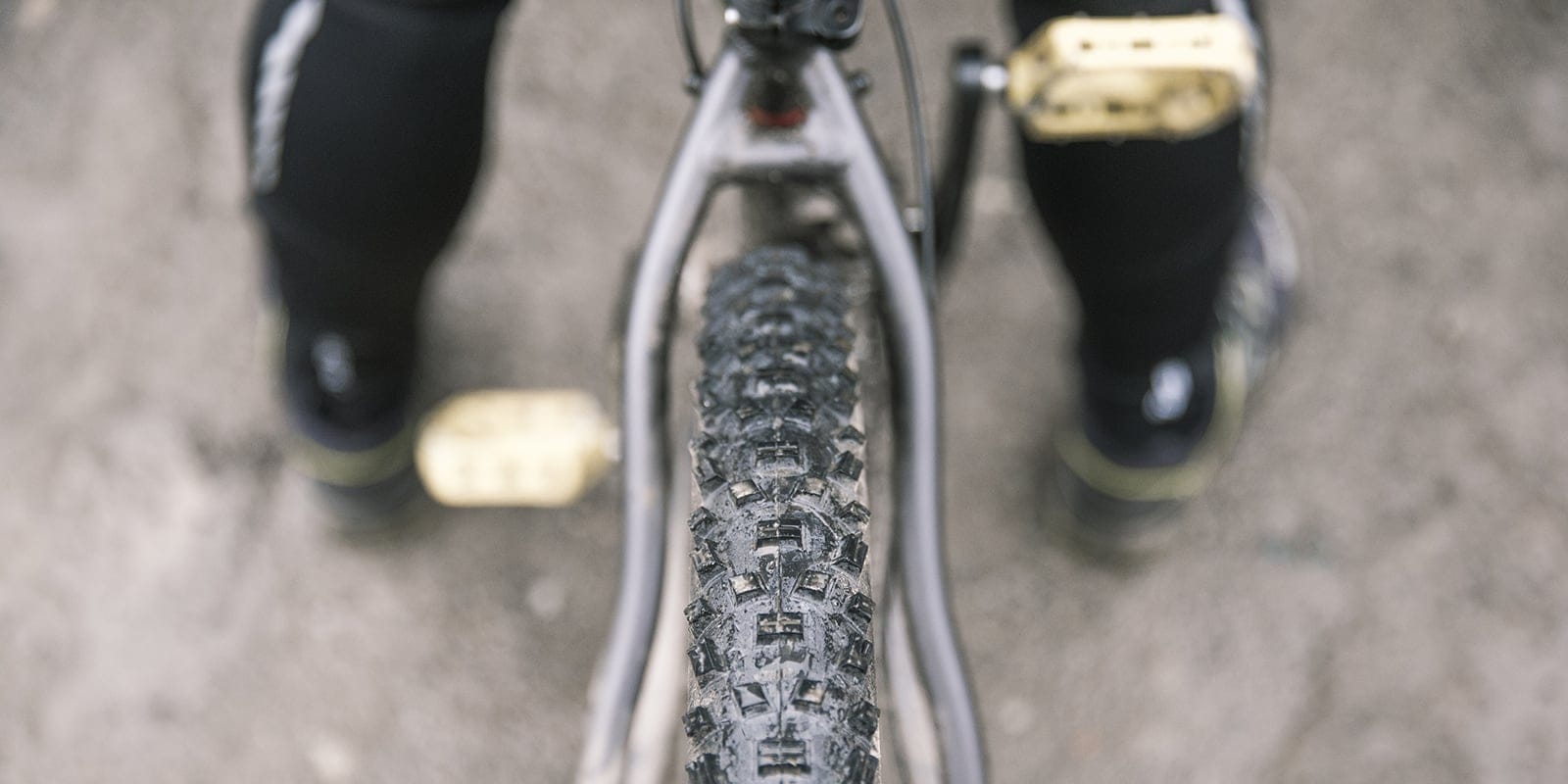
Tread: Tread patterns affect grip, speed, and control. Deep tread works well in mud, while a smoother tread is better for dry trails. The shape and size of the knobs also impact how the tire handles turns and braking. For example, tires with big, spaced knobs dig into loose dirt, while small knobs glide over hard surfaces.
Casing: The casing is the structure beneath the tread. It affects weight, flexibility, and durability. A strong casing protects against sharp rocks, while a flexible one helps the tire move with the trail.
Compound: Tire rubber varies in hardness. Soft compounds grip better but wear out faster. Hard compounds last longer and are better for dry, smooth trails.
Tubeless vs. Tubed: Tubeless tires seal directly to the rim, reducing punctures and allowing lower pressures. Tubed tires use an inner tube. Tubeless setups can handle rough terrain, letting you ride with more comfort and control.
These basics are the foundation for making informed decisions. Beginners often overlook how each element affects ride quality. Even small changes—like switching from a hard compound to a soft one—can make your bike feel totally different.
How Terrain Shapes Tire Choice
Where you ride matters more than any brand or price. Mountain biking covers everything from smooth paths to rocky mountains. Understanding your terrain helps you avoid buying tires that don’t fit your needs.
Hardpack Trails
Hardpacked dirt is common in parks and maintained tracks. Here, you need a tire that rolls fast but can still grip during turns.
- Shallow tread: Less rolling resistance, more speed. Small knobs or almost slick tires glide over packed dirt.
- Medium width: Around 2.2” is ideal. This size balances speed and stability.
- Hard compound: Lasts longer, handles well on firm ground. You’ll avoid wearing out your tires quickly.
If you ride on hardpack most days, a semi-slick tire with just enough side knobs is perfect. Some riders add a slightly knobbier tire in front for better cornering.
Loose And Rocky Trails
Loose gravel, rocks, and roots make tires work harder.
- Aggressive tread: Deep knobs grip loose surfaces and prevent sliding.
- Wide tires: 2.3”–2.5” offer stability, letting you ride over rough patches without losing control.
- Reinforced casing: Prevents punctures from sharp rocks. Double casing is worth the extra weight for tough trails.
On rocky trails, a tire with strong sidewalls avoids “snakebite” flats, which happen when the tire pinches and cuts the tube.
Mud And Wet Conditions
Mud requires special tires because regular ones clog up fast.
- Wide spacing: Knobs spaced out to shed mud. This keeps your tire clean and grippy.
- Soft compound: Grips slippery surfaces and doesn’t slide easily.
- Narrower tires: Cut through mud, prevent floating. They help you stay on track when trails are soft.
If you ride in wet climates, look for tires labeled “mud” or “wet weather. ” They often have extra channels to push water away.
Forest And All-mountain
Mixed terrain is common in forests—dirt, roots, leaves, sometimes rocks.
- Versatile tread: Medium knobs for all conditions. These tires handle dry, wet, and mixed surfaces.
- Tubeless setup: Less chance of flats, more control. You can run lower pressures for better grip.
Forest trails change with weather and seasons. Having a tire that adapts means you won’t need to change tires every time conditions shift.
Downhill And Enduro
If you ride steep and technical trails, your tire needs to withstand impacts and provide maximum grip.
- Heavy-duty casing: Withstands hits and pinch flats. Some downhill tires have multiple layers for added protection.
- Large width: 2.4”–2.5” for stability, especially at high speeds.
- Soft compound: Maximum grip, even if it wears faster. Safety and control matter more than longevity.
Downhill tires are often heavier, but for technical riding, they make a big difference. If you compete or ride tough trails, investing in strong tires is smart.
Comparing Tire Widths And Diameters
Choosing the right width and diameter isn’t just about what fits your bike. It affects speed, comfort, and handling. Many riders ignore this, but picking the wrong size can make your bike feel clumsy or unstable.
Tire Width
Let’s look at how different widths change your ride.
| Width (inches) | Grip | Rolling Resistance | Comfort | Best For |
|---|---|---|---|---|
| 1.9–2.1 | Low | Low | Low | Cross-country, speed |
| 2.2–2.4 | Medium | Medium | Medium | Trail, all-around |
| 2.5–2.7 | High | High | High | Downhill, technical |
Non-obvious insight: Many riders think wider tires are always better, but if your rim is too narrow, a wide tire can feel unstable. This happens because the tire bulges, making it wobble in corners.
Tire Diameter
Most mountain bikes use 26”, 27.5”, or 29” wheels. Here’s how they compare.
| Diameter | Agility | Obstacle Handling | Speed | Best For |
|---|---|---|---|---|
| 26” | High | Medium | Medium | Technical, jumps |
| 27.5” | Medium | Medium-High | Medium-High | Trail, all-around |
| 29” | Lower | High | High | Cross-country, fast trails |
Tip: If you’re unsure, test different sizes at a shop. The “feel” can’t be replaced by numbers. Some shops let you try demo bikes to see which diameter suits your riding style.
Decoding Tread Patterns
The tread is the pattern of knobs on your tire. It’s not just for style—it affects every aspect of your ride.
Types Of Tread Patterns
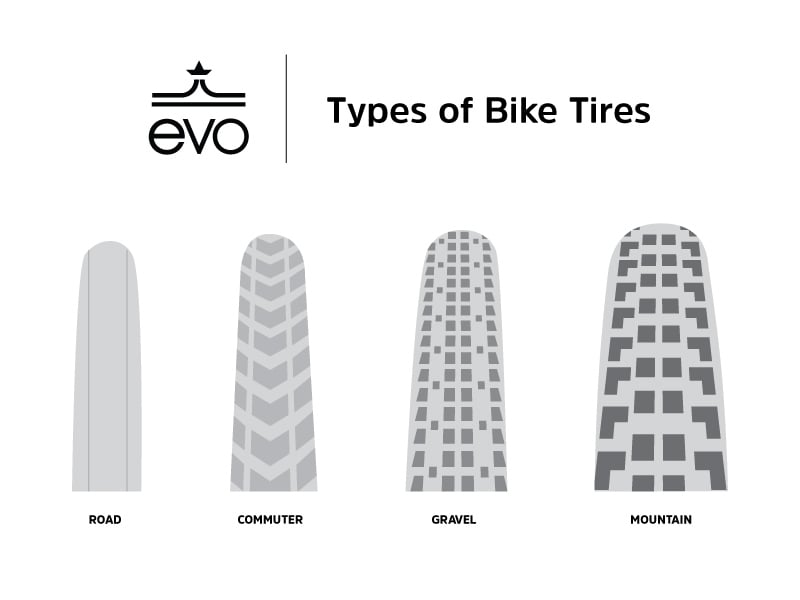
- Slick/Semi-slick: Smooth or with minimal knobs. For dry, hard surfaces. These tires are fast but don’t handle mud well.
- Low-profile knobs: Good for speed, some grip for corners. Great for mixed conditions.
- Aggressive knobs: Tall, spaced out. Best for mud and loose dirt. They dig into soft surfaces and help with braking.
- Directional tread: Designed to grip in one direction; check arrow markings. These tires are often better for front wheels.
Why Tread Matters
- Cornering: Side knobs help keep you upright in sharp turns. They “bite” into the dirt and prevent sliding out.
- Braking: Center knobs improve stopping power. The pattern and shape affect how quickly you can stop.
- Self-cleaning: Some patterns shed mud and dirt, so they don’t clog. This is important for wet or muddy trails.
Hidden insight: Side knobs often wear faster than the center. If you ride aggressively, check them for damage before every ride. If the side knobs are worn, your tire may slip unexpectedly in corners.
Tire Compounds And Casings Explained
Most beginners overlook compound and casing, but they’re key for grip, durability, and weight. These features can change how your tire feels, especially on tough trails.
Rubber Compounds
- Hard compound: Lasts longer, rolls faster. Less grip. Good for dry and rocky trails.
- Soft compound: Grips better, especially on wet or rocky trails. Wears out faster. Best for technical and muddy rides.
- Dual/triple compound: Some tires use multiple types for balance. For example, a hard center with soft sides for cornering.
Example: If you ride mostly dry, hard trails, a hard compound saves money and lasts longer. Soft compounds are best for slippery or steep trails.
Tire Casing
- Single ply: Lightweight, flexible. Good for cross-country and light trail riding.
- Double ply: Heavy, tough. Needed for downhill and rocky terrain.
- Reinforced sidewalls: Extra protection from rocks. Some brands call this “EXO” or “SnakeSkin.”
Tip: If you ride rocky trails, a tough casing prevents “snakebite” flats. For technical riding, don’t go too lightweight or you risk frequent punctures.
Tubeless Vs. Tubed Tires
You’ll see many riders talking about tubeless tires. But what’s the difference? Understanding this can save you trouble on the trail.
Tubed Tires
- Easy to install
- Less expensive
- More prone to pinch flats
- Limited to higher pressures
Tubed tires are simple and cheap. But if you ride aggressively or on rough terrain, pinch flats happen often.
Tubeless Tires
- Lower risk of flats
- Can run lower pressure for more grip
- Requires special rims and sealant
- Harder to install
Tubeless tires let you ride with less pressure, improving grip and comfort. They’re harder to set up but worth it for frequent riders.
| Type | Flat Protection | Pressure Range | Maintenance | Cost |
|---|---|---|---|---|
| Tubed | Low | High only | Easy | Low |
| Tubeless | High | Low to high | Medium | Medium-High |
Non-obvious insight: Tubeless tires need regular sealant checks—many forget, leading to leaks. If you ride often, check the sealant every few months to avoid sudden air loss.
Matching Tires To Your Riding Style
Your riding style affects tire choice as much as terrain. Let’s break it down.
Cross-country
If you ride for speed and cover long distances:
- Narrow tires: 1.9–2.2”
- Low tread: Faster rolling
- Hard compound: Lasts longer
Cross-country tires are light and fast. If you race or ride long trails, these are ideal.
Trail Riding
All-purpose riders need a balanced tire:
- Medium width: 2.2–2.4”
- Mixed tread: Good grip, good speed
- Dual compound: Balanced performance
Trail tires adapt to changing conditions, making them perfect for riders who don’t stick to one type of terrain.
Downhill
For steep, technical descents:
- Wide tires: 2.4–2.5”
- Aggressive tread: Maximum grip
- Double ply casing: Tough
Downhill tires are heavy but strong. They help you stay safe at high speeds.
Enduro
Enduro is a mix of climbing and descending.
- Medium-wide tires: 2.3–2.5”
- Versatile tread: Handles all conditions
- Tubeless preferred: Lower pressures, fewer flats
Enduro tires need to be tough, but not as heavy as downhill. Look for options with reinforced sidewalls.
Bikepacking/adventure
If you carry bags and ride long distances:
- Wide tires: 2.3”+
- Durable casing: Handles weight
- Tubeless: Reduces punctures
Bikepacking tires are built for comfort and reliability. You don’t want to fix flats far from home.
Example: If you ride mostly trails but sometimes race, look for tires that balance speed and grip. Don’t pick a tire that’s only good for one style.
How To Read Tire Sidewalls
Every tire has a story printed on its sidewall. It tells you size, compound, and sometimes recommended pressure.
What you’ll see:
- Width and diameter: Example: “29 x 2.25”
- Recommended pressure: Usually in psi (pounds per square inch)
- TPI (Threads Per Inch): Higher TPI means lighter, more flexible
- Compound info: Sometimes labeled as “Dual” or “Soft”
Some brands also print max load or rim compatibility. This info is important for bikepacking or heavier riders.
Practical tip: Check sidewalls before buying. If your bike can’t fit wide tires, you’ll waste money. Also, make sure your rims are compatible with tubeless setups if you plan to upgrade.
Tire Pressure: Why It Matters
Many riders ignore tire pressure, but it changes grip, comfort, and speed. Tire pressure also affects how easily you get flats.
General ranges:
- Tubed tires: 35–45 psi
- Tubeless tires: 25–35 psi
Lower pressure improves grip but can lead to flats. Higher pressure is faster but less comfortable. For heavier riders, more pressure is often needed to avoid pinch flats.
Non-obvious insight: Pressure changes with temperature and altitude. Always check before each ride. If you travel to different areas, re-check pressure as air can expand or contract.
Durability And Weight: Balancing Act
You want tires that last, but also ones that don’t weigh you down.
- Durable tires: Thicker casing, hard compound, heavier. They resist cuts and last longer.
- Lightweight tires: Thin casing, soft compound, less durable. They are fast but need more care.
Example: Downhill riders need tough tires, but cross-country racers prefer lightweight ones.
Tip: If you ride every day, invest in durability. If you race, go lighter. For mixed use, find a balance—some tires offer protection with only a small weight penalty.
Popular Mountain Bike Tire Brands And Models
Here are some trusted brands and their standout models:
- Maxxis: The Minion DHF is famous for aggressive tread and great grip. It’s a favorite for trail and downhill riders.
- Schwalbe: The Nobby Nic is a versatile tire for all conditions, often used for trail and all-mountain riding.
- Continental: The Mountain King offers durable casing for rocky trails. It’s a reliable choice for riders who want strength.
- Specialized: The Ground Control is good for trail and all-mountain. It balances grip and speed.
- WTB: The Trail Boss gives solid performance for mixed terrain. It’s well-suited for riders who want a tire that works everywhere.
Non-obvious insight: Brands often tweak the same model for different conditions. Look for “trail,” “XC,” or “DH” labels to match your needs. For example, Maxxis Minion comes in several versions—DHF (front), DHR (rear), and different compounds.
Common Mistakes When Choosing Mountain Bike Tires
Avoiding mistakes saves money and improves your ride.
- Buying based on looks: Aggressive tread may look cool, but may not suit your trails.
- Ignoring rim width: Wide tires need wide rims, or you lose stability.
- Choosing too soft compound: Great grip, but wears fast if you ride on hard surfaces.
- Wrong pressure: Leads to flats or poor handling.
- Not checking clearance: Your bike may not fit larger tires.
- Skipping reviews: User feedback can reveal hidden problems.
Tip: Always match tire size to rim and bike frame. Don’t guess. If in doubt, ask a shop or look up your bike’s specs online.

Credit: www.sepr.es
How To Test And Compare Mountain Bike Tires
Testing is the best way to learn what works for you. Here’s how to compare:
- Ride the same trail: Switch tires and note changes in grip, speed, and comfort.
- Try different pressures: See how handling changes. Sometimes, just lowering pressure can improve grip more than changing tires.
- Ask friends to swap: Many shops let you demo tires.
Data: Studies show grip improves 20–30% with wider tires on loose trails but slows you down on hardpack.
Practical tip: Keep notes after each test. Over time, you’ll spot patterns. Write down the conditions, tire model, pressure, and how the bike felt.
Tire Maintenance And Replacement
Tires need care to last longer. Here’s what to do:
- Check for cuts and tears: Rocks and debris damage tires. Look for small holes or slices after each ride.
- Inspect tread wear: Replace when knobs are gone. If the center or side knobs are smooth, grip drops quickly.
- Clean tires: Mud and grit cause wear. Rinse tires after muddy rides.
- Rotate tires: Front wears slower; swap for even use. This helps you get the most life out of both tires.
- Check sealant (tubeless): Add every 2–3 months. If you hear sloshing, it’s time to refill.
Non-obvious insight: Many riders replace tires too late. Worn tires slip and cause accidents. If your tire shows threads or has deep cuts, change it immediately.
Credit: www.rei.com
Price And Value: How To Decide
Tire prices range from $25 to $120. What should you pay?
- Budget tires: $25–$40. Good for beginners, less durable. Often best for occasional rides or backup.
- Mid-range: $40–$70. Balance of quality and price. Most trail riders use this range.
- High-end: $70–$120. Advanced compounds, tough casing. Worth it for regular riders or racers.
Tip: Don’t overspend if you ride occasionally. But cheap tires wear out fast. Mid-range tires offer good performance and value.
Example: Spending $60 on a trusted model saves money in the long run. You avoid frequent replacements and get better safety.
Where To Buy And What To Look For
Buy from reliable shops or websites. Check for:
- Return policy: In case tires don’t fit or suit your style.
- Expert advice: Staff can help you decide.
- Warranty: Some brands offer protection against defects.
Local shops often help with installation and advice. Online shops offer more choices, but check reviews and specs carefully.
External link: For more detailed tire reviews and testing data, visit Bicycle Rolling Resistance.
Real-world Examples: Tire Choices For Different Riders
Let’s see how different riders pick their tires.
Example 1: Trail Rider
Jake rides mixed forest trails and occasionally races. He uses a 2.3” tire with medium tread, dual compound, and tubeless setup. He gets grip for wet days and speed for races. Jake also checks his tire pressure before each ride, and rotates his tires every few months.
Example 2: Downhill Rider
Maria rides steep, rocky trails. She uses a 2.5” tire, aggressive tread, double ply casing, and soft compound. Her tire is heavy but gives maximum grip. Maria prefers tubeless for fewer flats, and replaces her tires when the side knobs are worn.
Example 3: Adventure Bikepacker
Sam carries bags and rides long distances. He uses 2.4” tires with durable casing, tubeless setup, and hard compound. His tires last longer and handle extra weight. Sam also checks the sidewalls for cuts and keeps extra sealant for repairs.
Environmental Impact And Recycling
Bike tires are tough to recycle because of mixed materials. Some brands offer recycling programs, but most tires end up as waste.
Tip: Check for local recycling options. Some shops collect old tires. Ask your local shop or city for programs.
Non-obvious insight: Riding tubeless reduces waste by avoiding tube replacements. Over time, fewer tubes means less landfill.
Credit: www.evo.com
Frequently Asked Questions
What Tire Width Is Best For Mountain Biking?
Most riders use 2.2–2.4 inch tires for trail riding. Wider tires (2.5”+) are better for downhill, while narrower ones (1.9–2.1”) suit cross-country and speed.
How Often Should I Replace Mountain Bike Tires?
Replace tires when the tread is worn down, or you see cuts and tears. For most riders, this is every 1,000–3,000 miles, but aggressive riders may need to replace them sooner.
Can I Use Tubeless Tires On Any Mountain Bike?
Not all bikes can use tubeless tires. You need tubeless-compatible rims and special valves. Check your bike specs before switching.
Does Tire Pressure Really Affect Performance?
Yes, tire pressure changes grip, comfort, and speed. Lower pressure gives more grip but risks flats. Higher pressure is faster but less comfortable. Always adjust for your weight and terrain.
What’s The Most Important Factor When Choosing Mountain Bike Tires?
The most important factor is matching your tire to your terrain and riding style. Consider tread, width, casing, and compound for the best performance.
Choosing mountain bike tires is a mix of science, testing, and personal taste. The right tire changes how you ride, keeps you safe, and helps you enjoy every trail. Use this guide to compare features, avoid mistakes, and make decisions confidently.
Remember, every rider is different—so try, test, and learn what works for you. With the right tires, every ride becomes smoother, safer, and more fun.

Hello Guys! I am John Reese, a professional biker and my hobby is biking! I have been biking for last 12 years and I love using bikes while outing as well. Based on my experiences with the different type of bikes (mountain bikes, road bikes and hybrid bikes); I am sharing my opinion about various bikes so that a beginner can get started right away. Happy reading!