
Transforming your mountain bike into a single speed is more than just removing gears. It’s a way to simplify your ride, reduce maintenance, and unlock a new cycling experience. For many riders, switching to single speed means less worrying about shifting, fewer mechanical issues, and a deeper connection with the trail.
Whether you’re chasing a minimalist style, seeking reliability, or wanting to challenge yourself physically, this guide will help you make the change with confidence.
Converting a mountain bike to single speed may seem intimidating at first, especially if you don’t have much mechanical experience. But with the right steps, tools, and mindset, anyone can do it. This article will walk you through everything you need to know, from the basics of single speed biking to the actual conversion process, common mistakes, tips for success, and much more.
If you want to make your bike lighter, easier to maintain, and ready for adventure, read on.
Why Convert A Mountain Bike To Single Speed?
Switching to single speed is not just a trend; it has practical benefits that many riders appreciate. Here’s why people make the change:
- Simplicity: No derailleurs, shifters, or cables. This means fewer parts can break or need adjustment. You won’t have to worry about misaligned gears or cables stretching over time.
- Low Maintenance: With fewer moving parts, cleaning and upkeep are easier and faster. Mud, dust, and water affect single speed bikes less, so you spend less time fixing things and more time riding.
- Weight Reduction: Removing gears and related components can cut up to 500 grams (about 1 pound) from your bike. This makes climbing and accelerating easier, and your bike feels more agile.
- Improved Reliability: Single speed setups are less likely to malfunction, especially in muddy or rough conditions. You avoid problems like bent derailleurs or jammed shifters.
- Skill Development: Riding single speed forces you to focus on technique, momentum, and strength. You learn to read the trail better and plan your moves, making you a stronger rider overall.
- Quiet Ride: Less chain slap and fewer rattling parts make for a peaceful trail experience. You can enjoy nature and listen for wildlife or other riders.
Many riders report feeling more connected to their bike after converting. The need to “just pedal” brings a unique satisfaction, especially on familiar trails. You may find yourself enjoying the rhythm of the ride and feeling more confident in your abilities.
Another reason people switch is to avoid technical problems. For example, if you often ride in rain, mud, or snow, gears can get clogged or freeze. Single speed bikes handle rough weather better, making them popular for winter or rainy-season rides.
Understanding Single Speed Mechanics
Before you begin, it helps to know how single speed works. Unlike geared bikes, single speed uses only one gear at the crank and one at the rear wheel. This means:
- The chain runs in a straight line between the front and rear cogs.
- There’s no gear shifting—your legs do all the work.
- The gear ratio (front tooth count divided by rear tooth count) determines how hard or easy it is to pedal.
A well-set gear ratio is crucial. For mountain biking, most people use a ratio between 2.0 and 2.5. For example, a 32-tooth front chainring paired with a 16-tooth rear cog gives a ratio of 2.0. This is manageable for most terrain, but you should adjust based on your fitness and local trails.
Common Single Speed Configurations
- 32T front / 16T rear: Good for moderate hills. This is a balanced setup for mixed terrain. You can climb small hills and still ride flats comfortably.
- 34T front / 18T rear: Easier pedaling, better for steep climbs. If your trails are hilly, you’ll appreciate this ratio. It makes tough climbs possible without exhausting your legs.
- 36T front / 16T rear: Harder pedaling, best for fast flat trails. This setup is ideal for speed. If your local trails are mostly flat, you’ll go faster, but steep climbs will be more difficult.
Some riders experiment with different ratios based on their riding style and trail conditions. For example, if you ride in sandy areas or rocky trails, you might need a lower ratio to maintain traction and control. If you ride mostly paved paths or smooth dirt, a higher ratio can help you go faster.
A non-obvious insight: Adjusting your tire size or pressure can also affect how your bike feels with a single speed setup. Wider tires with lower pressure make climbs easier and improve comfort, while narrow, high-pressure tires suit speed and flat terrain.
What You Need: Tools And Parts
Converting your mountain bike to single speed requires some specific tools and new parts. Here’s what you’ll need:
- Single speed conversion kit: Contains spacers and a cog for the rear hub. These spacers help your new cog fit perfectly and keep the chain running straight.
- Chain tensioner: Needed if your bike has vertical dropouts (more on this later). This keeps the chain tight and prevents skipping.
- Single speed chain: Optional, but recommended for durability. Single speed chains are stronger and last longer under higher force.
- Lockring tool: To remove the cassette. You’ll need this to take off your old gears.
- Chain whip: Helps take off the cassette. It holds the cassette in place while you loosen the lockring.
- Allen wrenches: For general bike maintenance. Most bolts and parts use 4mm, 5mm, or 6mm sizes.
- Grease: For reassembly. Grease prevents rust and keeps parts moving smoothly.
- Cable cutters: To remove old shifter cables. Clean cuts make the job easier and prevent damage.
- Bike stand: Makes the job easier, but not essential. A stand keeps the bike steady while you work.
Optional Extras
- New chainring: If your current one is worn or too big/small. Fresh teeth give you better performance and prevent chain drops.
- New rear cog: To fine-tune your gear ratio. Having options lets you adjust for different trails or seasons.
- New pedals: For better grip or comfort. Flat pedals or those with pins are popular for single speed setups.
- Lighter wheels: If you want to maximize weight savings. Light wheels improve acceleration and handling.
Many bike shops sell single speed conversion kits for $20–$50. These kits make the process smoother and ensure proper chain alignment. If you have an older bike, check if you need extra spacers or a special cog size.
A tip: You can often reuse your old chain if it’s not stretched or worn. But a new chain gives better performance and peace of mind.
Assessing Your Bike: Is It Suitable?
Not all mountain bikes are ideal for single speed conversion. Here’s what to check:
Dropout Type
The biggest factor is the dropout type—the part of the frame where the rear wheel attaches.
- Horizontal dropouts: Best for single speed. They allow you to move the wheel back and forth to adjust chain tension.
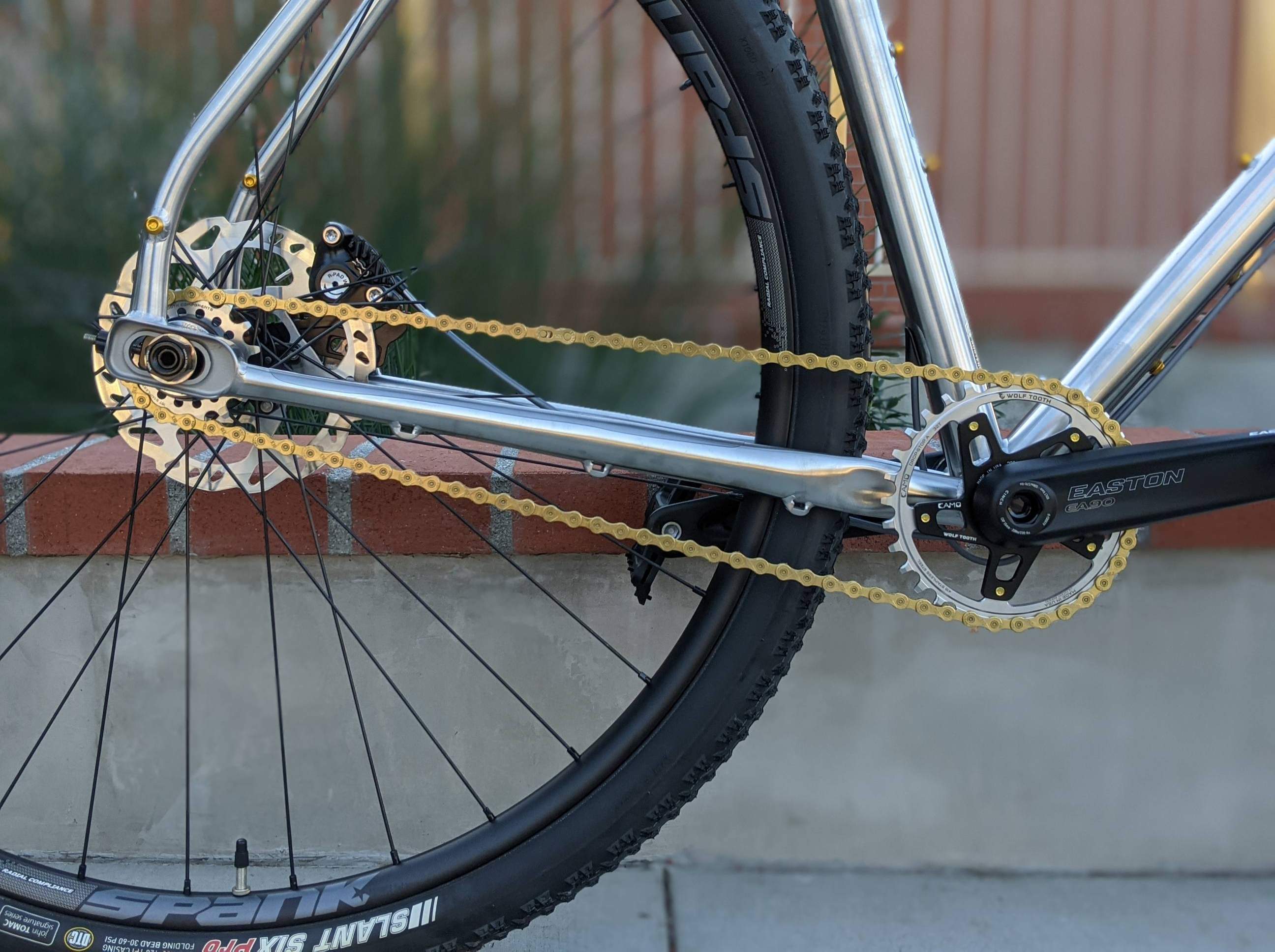
- Vertical dropouts: Common on modern bikes. You’ll need a chain tensioner to keep the chain tight.
- Sliding dropouts: These offer flexibility. You can adjust chain tension easily, but may need to check bolts often.
- Rear facing dropouts: These are seen on some older bikes and fixies. They allow good tension but require careful wheel alignment.
| Dropout Type | Single Speed Friendly? | Extra Parts Needed |
|---|---|---|
| Horizontal | Yes | None |
| Vertical | Yes | Chain tensioner |
| Sliding | Yes | Minimal, some adjustment |
| Rear facing | Yes | Careful wheel installation |
Frame Material
Most steel and aluminum frames handle single speed well. Carbon frames may need special adapters or care. Steel frames are easier to modify if needed, while aluminum is lighter.
Rear Hub Compatibility
If your rear hub is cassette-based, a conversion kit will work. If it’s a freewheel hub, you may need a different approach. Check your bike’s manual or ask a bike shop if unsure.
Condition
Check for rust, cracks, or excessive wear. Single speed conversion won’t fix a bad frame or wheels. If your bike has worn bearings or loose parts, fix them before converting.
A non-obvious insight: Some older bikes have built-in chain tensioners or adjustable dropouts, making conversion easier. Look for small bolts or sliding plates near your rear wheel.
Step-by-step Conversion Process
Ready to start? Here’s how to convert your mountain bike to single speed, broken down into clear steps.
1. Remove Old Drivetrain Parts
Start by taking off all the gear-related components:
- Shifters
- Derailleurs (front and rear)
- Gear cables
- Cassette (rear gear cluster)
Use the lockring tool and chain whip to remove the cassette. This step lightens your bike and makes space for the single speed setup. Carefully store or recycle removed parts—they can be used as spares or sold if still in good condition.
2. Clean And Inspect
With parts removed, clean your bike thoroughly. Check for:
- Worn chainrings or cogs
- Dirty bottom bracket
- Damaged chainstay or dropouts
Now’s a good time to apply fresh grease. Cleaning lets you spot hidden issues like cracks or loose bolts. If you see rust or stuck bolts, fix them before moving on.
3. Install Conversion Kit
Most kits include spacers and a single cog. Here’s how:
- Slide spacers onto the freehub body
- Add the single cog in the position that lines up with your front chainring
- Install the lockring and tighten
This step ensures a straight chainline, which is key to avoiding chain drops. If your kit has extra spacers, use them to adjust cog position. A snug fit prevents movement and keeps your chain running smoothly.
4. Adjust Chainline
A straight chainline means your chain runs perfectly between the front and rear cogs. If it’s not straight, the chain can slip or wear quickly.
- Move spacers as needed
- Check alignment visually or with a ruler
- Adjust the chainring position if possible
Getting the chainline right is often missed by beginners, but it’s vital for smooth pedaling. Use your eye or a straight edge to check alignment. If the chainring cannot be moved, adjust the rear cog until both are lined up.
A practical tip: Spin the cranks slowly and watch the chain. If it drifts or rubs, recheck your spacers and cog position.
5. Set Chain Tension
If your bike has horizontal or sliding dropouts, set chain tension by moving the wheel back or forward. The chain should be tight enough to avoid sag, but not so tight that it binds.
For vertical dropouts, use a chain tensioner. This part keeps the chain tight and prevents skipping.
| Dropout Type | Tension Adjustment | Recommended Method |
|---|---|---|
| Horizontal | Wheel position | Manual adjustment |
| Vertical | Chain tensioner | After wheel install |
| Sliding | Slider bolts | Fine-tune with bolts |
Set tension carefully. Too loose and the chain will skip; too tight and you risk damaging bearings. Aim for about 1 cm (half an inch) of vertical movement when pressing the chain in the middle.
6. Size And Install Chain
Use a new or cleaned chain. Shorten it so it fits snugly around the chainring and cog. Use a chain tool to remove extra links.
- Wrap the chain around both cogs (without derailleurs)
- Find the tightest position that still allows smooth movement
- Break the chain and install it using a quick link or pin
If unsure, err on the side of a slightly looser chain—too tight can damage bearings. Test by spinning the cranks and checking for smooth movement. If the chain feels sticky or makes noise, loosen it slightly.
An extra tip: Some riders keep a spare link or two in their bag for quick trail repairs.
7. Fine-tune And Test
Spin the cranks and rear wheel to check for:
- Chain skipping
- Chainline issues
- Unusual noises
Make adjustments as needed. Test ride your bike in a safe area, focusing on how the chain feels under load. Try riding up a small hill or over bumps to see if the chain stays tight.
8. Remove Unneeded Parts
Take off any extra cables, zip ties, or old hardware. Consider replacing heavy parts with lighter alternatives. Removing unused parts makes your bike look cleaner and prevents rattling.
9. Optional: Upgrade Components
If you want to maximize your single speed experience, upgrade:
- Chainring: Narrow-wide designs help prevent chain drops
- Pedals: Flat pedals with good grip suit single speed well
- Wheels: Lighter wheels improve acceleration
Upgrading is not required, but even small changes (like new grips or tires) can make your bike feel new and more comfortable.
Common Mistakes And How To Avoid Them
Converting to single speed can go wrong if you miss a few key steps. Here are the most frequent mistakes:
- Ignoring chainline: Leads to chain drops and rapid wear. Always check alignment before installing the chain.
- Wrong gear ratio: Makes pedaling too hard or too easy for your trails. Think about your local hills and riding style.
- Loose chain: Causes skipping and unreliable power transfer. Check tension after your first ride.
- Too-tight chain: Damages bearings and makes pedaling stiff. If the chain doesn’t move smoothly, loosen it slightly.
- Using old, stretched chain: Decreases efficiency and can break. Replace with a new chain if possible.
- Leaving extra hardware: Adds unnecessary weight and looks messy. Clean up cables and bolts for a neat finish.
- Skipping test rides: Results in problems on the trail. Always test your setup at home before hitting the trails.
To avoid these, always double-check your chainline, tension, and gear ratio. Test the bike before heading out for a real ride. If you feel any skipping or hear strange noises, fix them immediately.
A non-obvious insight: After your first few rides, recheck all bolts and chain tension. Parts can settle or move, especially after bumpy rides.

Credit: www.youtube.com
Choosing The Right Gear Ratio
Selecting the right gear ratio is the most important part of your conversion. It affects how easy or hard it is to pedal, and whether you can handle local terrain.
Calculating Gear Ratio
Divide the number of teeth on your front chainring by the number on your rear cog. For example:
- 32 teeth front / 16 teeth rear = 2.0 ratio
Most mountain bikers use ratios between 1.8 and 2.5.
Factors To Consider
- Fitness level: Stronger riders can handle higher ratios
- Terrain: Steep hills need lower ratios
- Wheel size: 29-inch wheels require slightly lower ratios than 26-inch
| Rider Type | Recommended Ratio | Comments |
|---|---|---|
| Beginner | 1.8 – 2.0 | Easy climbing, less speed |
| Intermediate | 2.0 – 2.2 | Balance between speed and climbing |
| Advanced | 2.2 – 2.5 | Higher speed, tough climbs |
Practical Example
If you ride mostly flat trails, a 2.3 ratio (like 36T front and 16T rear) gives good speed. For hilly terrain, stick closer to 2.0.
Don’t be afraid to experiment. Many riders swap cogs or chainrings until they find their perfect setup. If you feel your legs are getting tired quickly or you struggle on hills, change to a lower ratio.
A helpful tip: If you ride with friends who have single speed bikes, ask to try their setup. This can help you decide what ratio works for you.
Maintaining Your Single Speed Mountain Bike
A single speed bike is easier to maintain, but it still needs care. Here’s how to keep your ride in top shape:
Cleaning
- Wipe down the chain after every ride
- Clean the cog and chainring regularly
- Remove mud and debris from dropouts
If you ride in wet or muddy conditions, clean your bike more often. Mud on the chain or cog can reduce performance and cause rust.
Lubrication
- Apply chain lube every 2–3 rides
- Use grease on the freehub and axle when needed
Choose a lubricant that suits your local weather. Wet lube lasts longer in rain, while dry lube is better for dusty trails.
Inspection
- Check for chain stretch monthly
- Look for worn teeth on chainring and cog
- Tighten bolts and check for loose parts
If you feel the chain skipping or hear grinding, inspect the chain and cog for wear. Early detection prevents bigger problems.
Chain Replacement
Most chains last 1,500–2,000 miles. Replace sooner if you ride in muddy or sandy conditions. A stretched chain wears out cogs faster, costing more in the long run.
Tension Adjustment
Chains can stretch over time. Adjust tension by moving the wheel back or tightening the chain tensioner. Don’t ignore tension—even small changes affect performance.
A non-obvious insight: If you switch to a new gear ratio, you may need a different chain length. Always check tension after making changes.
Benefits And Drawbacks Of Single Speed Conversion
Switching to single speed is not for everyone. Here’s a balanced look at the pros and cons.
Benefits
- Reduced maintenance
- Lightweight setup
- Quiet, efficient ride
- Improved reliability
Single speed bikes are ideal for riders who value simplicity and minimal fuss. You spend less time fixing and more time riding.
Drawbacks
- Limited gear options
- Harder climbs or sprints
- Not ideal for all terrains
- Can be tiring on long rides
If you ride in areas with big hills or need speed for long distances, gears may still be better. Single speed bikes require stronger legs and good technique.
Real-world Examples: Riders Who Made The Switch
Thousands of mountain bikers have converted to single speed and shared their experiences. Here are a few:
- John, Colorado: “I switched to single speed for winter riding. No frozen cables, less maintenance, and my skills improved fast.”
- Maya, UK: “I love how simple my bike is now. I ride in muddy forests, and my chain never skips.”
- Carlos, California: “It was tough at first, but after a month, I became stronger. I keep a spare cog for steeper rides.”
These stories show that single speed isn’t just a technical change—it’s a mindset. Many riders say they feel more focused and enjoy the ride more. It’s common to hear, “I never want to go back to gears. ”
A less obvious benefit: Riders often find their bike easier to clean and store. With fewer parts, mud and water have fewer places to hide, making routine care quicker.
Single Speed Vs. Geared Mountain Bikes
Is single speed right for you? Here’s a comparison to help you decide.
| Feature | Single Speed | Geared |
|---|---|---|
| Maintenance | Low | High |
| Weight | Lighter | Heavier |
| Versatility | Limited | High |
| Reliability | High | Moderate |
| Skill required | Higher | Lower |
| Upfront cost | Low | Higher |
Single speed bikes shine in conditions where reliability and simplicity are key. Geared bikes suit riders who need flexibility. If you ride in different locations or travel often, gears may be a better choice.
Cost Breakdown: How Much Will It Cost?
Converting your mountain bike to single speed is affordable compared to buying a new bike. Here’s a typical breakdown:
- Conversion kit: $20–$50
- Chain tensioner: $15–$40
- Single speed chain: $10–$25
- Optional new chainring/cog: $20–$40 each
- Tools (if needed): $30–$60 total
Most people spend $60–$150 for a complete conversion. This is much cheaper than buying a dedicated single speed bike. If you already have tools or spare parts, your cost will be lower.
A practical tip: Some bike shops offer conversion services for a small fee. If you’re unsure about doing it yourself, ask for help.

Credit: www.singletracks.com
Tips For A Successful Conversion
A few expert tips can make your conversion smoother and your ride better:
- Double-check chainline: This prevents most problems.
- Start with a safe gear ratio: If unsure, use 32T front and 16T rear.
- Use quality components: Cheap parts can fail quickly.
- Clean everything: A clean bike works better and lasts longer.
- Don’t rush: Take your time; precision matters.
- Test before trail riding: Solve problems in your garage, not on the trail.
- Keep spare links and a tool: You may need adjustments after your first ride.
A common insight: Many riders forget to check chain tension after a few rides. Chains stretch, so recheck regularly. Another tip is to mark your wheel position with a small sticker—this helps you reset tension easily after maintenance.
Upgrading After Conversion
Once you’re riding single speed, you may want to upgrade further. Here’s what experienced riders suggest:
- Narrow-wide chainring: Prevents chain drops, especially on rough trails.
- Strong pedals: Flat pedals with pins give better control.
- Tubeless tires: Reduce flats and improve grip.
- Light wheels: Make your bike feel faster and more responsive.
- Ergonomic grips: Reduce hand fatigue.
These upgrades are optional, but they enhance your single speed experience. Small changes can make your bike feel more personal and comfortable.
A non-obvious insight: After converting, some riders change their handlebars or saddle. This improves comfort and control, especially on longer rides.
When Not To Convert
Single speed is not for everyone or every bike. Here’s when you should reconsider:
- If your local trails are extremely steep or technical
- If you ride long distances and need gear options
- If your frame is damaged or incompatible
- If you lack basic mechanical skills and don’t want to learn
In these cases, sticking with gears may be smarter. Don’t force a conversion if it doesn’t suit your riding or your bike’s design.
Environmental Impact
A single speed bike is more eco-friendly than a geared bike. Fewer parts mean less production, less packaging, and less waste. Maintenance uses less lubricant and fewer replacement parts. If sustainability matters to you, single speed is a good choice.
Over time, you’ll also spend less on parts and repairs. This reduces your carbon footprint and helps keep cycling affordable for everyone.
Credit: otsocycles.com
Community Resources And Support
Many riders share tips and experiences online. Forums like MTBR and Reddit’s r/single_speed are full of advice. Local bike shops can help with tricky steps. For technical details and history, visit Wikipedia.
A useful insight: Attending local bike events or group rides can connect you with other single speed riders. You’ll get tips, support, and maybe even new friends.
Frequently Asked Questions
What Is A Single Speed Mountain Bike?
A single speed mountain bike has only one gear at the front and one at the rear. You cannot shift gears. This setup is simple, lightweight, and easier to maintain compared to geared bikes.
Do I Need A Chain Tensioner For My Conversion?
If your bike has vertical dropouts, you need a chain tensioner to keep the chain tight. If your bike has horizontal or sliding dropouts, you can adjust chain tension by moving the wheel.
What Gear Ratio Should I Use For Mountain Biking?
Most riders use a ratio between 1.8 and 2.5. Beginners should start with 32T front and 16T rear (2.0 ratio) for easy climbing. Adjust based on your fitness and terrain.
Will Converting To Single Speed Make My Bike Lighter?
Yes, removing derailleurs, shifters, cables, and the cassette can reduce weight by up to 500 grams (about 1 pound). This makes your bike easier to handle and faster to accelerate.
Can I Convert Any Mountain Bike To Single Speed?
Most mountain bikes can be converted, but bikes with horizontal or sliding dropouts are easiest. Vertical dropouts require a chain tensioner. Check your frame, hub, and dropout type before starting.
Converting your mountain bike to single speed is a rewarding project that can transform how you ride. With fewer parts to worry about, less maintenance, and a more direct connection to the trail, single speed offers freedom and simplicity. Whether you’re looking for a challenge, want to save weight, or just love the idea of a quiet, reliable bike, this guide gives you the knowledge and confidence to make the switch.
Remember to choose the right gear ratio, double-check your chainline, and enjoy the ride.

Hello Guys! I am John Reese, a professional biker and my hobby is biking! I have been biking for last 12 years and I love using bikes while outing as well. Based on my experiences with the different type of bikes (mountain bikes, road bikes and hybrid bikes); I am sharing my opinion about various bikes so that a beginner can get started right away. Happy reading!