
Choosing the right mountain bike size is more important than many riders realize. If your bike fits well, you’ll have more control, comfort, and fun on the trails. On the other hand, the wrong size can lead to pain, poor handling, and even injuries.
The process might seem confusing, with all the numbers and terms like “reach” and “standover,” but with the right guidance, it’s simple to find the perfect fit for your body and riding style. This article breaks down everything you need to know, from frame size charts to the small details that make a big difference.
Whether you’re buying your first mountain bike or upgrading to a better model, you’ll learn how to pick the right size with confidence.
Why Mountain Bike Size Matters
The size of your mountain bike affects almost every part of your ride. A bike that’s too small feels cramped and can make your knees hit the handlebars. Too big, and you might struggle to reach the controls or keep control on steep trails. The right size helps you:
- Maintain comfort during long rides
- Control your bike on rough terrain
- Reduce risk of injury to knees, back, and wrists
- Maximize your pedaling efficiency
- Enjoy the ride without constant adjustments
Small mistakes in sizing are common, especially for beginners who trust that “medium” means the same thing for all brands. In reality, every manufacturer has its own sizing system, so it’s important to check the numbers carefully.
Key Measurements For Mountain Bike Sizing
Choosing a mountain bike goes beyond picking “small,” “medium,” or “large.” These terms are only a starting point. Here are the main measurements you should know:
1. Rider Height
This is the most basic measurement. Stand straight with your shoes off and measure from the floor to the top of your head. Most bike brands give a height range for each frame size.
2. Inseam Length
Your inseam is the distance from your crotch to the floor. It’s more precise than height alone, especially for people with longer or shorter legs.
3. Standover Height
Standover height is the distance from the ground to the top of the bike’s top tube (the bar you step over). You should have about 2–3 inches (5–8 cm) of space between your inseam and the frame when standing flat-footed. This helps you get on and off the bike easily, especially on rough trails.
4. Reach
Reach is how far you stretch to the handlebars. It’s measured from the center of the bottom bracket to the center of the head tube. A longer reach is common for aggressive riding, while a shorter reach suits a relaxed style.
5. Effective Top Tube Length
This is the horizontal distance between the seat tube and the head tube. It affects your riding position and comfort.
6. Stack
Stack is how high the handlebars sit above the bottom bracket. Riders who prefer an upright position need a higher stack.
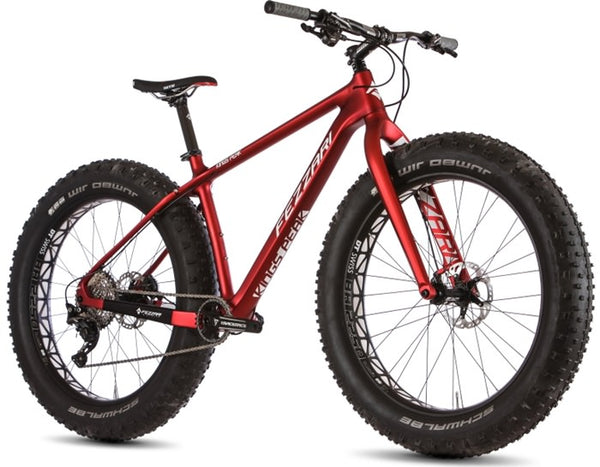
Many beginners focus only on frame size, but reach and stack are just as important for handling and comfort. Brands like Trek, Specialized, and Giant publish these numbers for all their bikes.
Credit: www.freethepowder.com
How To Measure Yourself For A Mountain Bike
Knowing your exact measurements helps narrow down your choices. Here’s how to get the numbers you need:
- Height: Stand against a wall, feet flat. Mark the top of your head and measure down to the floor.
- Inseam: Stand with your back to a wall, feet shoulder-width apart. Place a hardcover book between your legs, spine facing up, and raise it until it touches your crotch. Mark this spot on the wall and measure down.
- Arm length: For some riders, especially those with long arms, it helps to measure your wingspan (fingertip to fingertip).
- Standover check: When you test a bike, straddle the top tube. You should have at least 2 inches of space above the tube.
Keep your measurements handy when you look at size charts or visit shops.
Mountain Bike Size Charts: A Starting Point
Most brands offer size charts that match frame sizes to rider height or inseam. These charts help you find a good starting point, but always check the exact geometry for the model you want.
Here’s an example of a typical mountain bike size chart based on rider height:
| Rider Height | Frame Size (Inches) | Frame Size (cm) | Label |
|---|---|---|---|
| 4’10” – 5’2″ | 13″ – 14″ | 33 – 36 cm | XS |
| 5’2″ – 5’6″ | 15″ – 16″ | 38 – 41 cm | S |
| 5’6″ – 5’10” | 17″ – 18″ | 43 – 46 cm | M |
| 5’10” – 6’1″ | 19″ – 20″ | 48 – 51 cm | L |
| 6’1″ – 6’4″ | 21″ – 22″ | 53 – 56 cm | XL |
| 6’4″ – 6’6″ | 23″ – 24″ | 58 – 61 cm | XXL |
Remember, these are general guidelines. If you’re between sizes, your riding style and body proportions matter.
Understanding Frame Size Labels
Not all brands use the same sizing labels. Some use inches or centimeters, others use Small (S), Medium (M), Large (L), and so on. For example, a “medium” from one brand might be a “small” for another. Always check the actual measurements, not just the letter or number.
A key non-obvious insight: women’s mountain bikes often have different geometry (shorter top tubes, narrower handlebars) to match typical body shapes. But many women are comfortable on men’s or unisex frames, so don’t rule out any option based only on the label.
Different Types Of Mountain Bikes And Sizing
The type of mountain bike you choose also impacts sizing. The three main categories are:
- Cross-Country (XC): Designed for speed and climbing. Usually have a longer top tube and shorter stack.
- Trail: Balanced for up and downhill. More relaxed geometry.
- Enduro/Downhill: Built for steep descents and jumps. Shorter top tubes, longer reach, and slacker (more laid-back) angles.
Here’s a quick comparison of sizing differences between mountain bike types:
| Bike Type | Usual Reach | Typical Stack | Riding Style |
|---|---|---|---|
| Cross-Country (XC) | Shorter | Lower | Efficient, fast |
| Trail | Medium | Medium | Balanced, all-round |
| Enduro/Downhill | Longer | Higher | Stable, aggressive |
For downhill or enduro, riders often choose a slightly larger frame for stability at high speeds. For XC, a snug fit improves climbing and control.
How To Test A Mountain Bike For Size
Charts and numbers are just a starting point. The best way to find the right size is to test ride. Here’s what to look for:
- Standover comfort: You should feel safe stepping off the bike quickly.
- Reach to handlebars: Your elbows should have a slight bend, not fully stretched or cramped.
- Seat position: When sitting, your leg should have a slight bend at the bottom of the pedal stroke.
- Handling: The bike should respond well to your movements. If it feels awkward or unstable, try another size.
If you can’t test in person, many shops offer flexible return policies or virtual fit consultations.
Adjusting Your Fit: Fine-tuning After You Buy
Even the best-sized frame may need tweaks. Here’s how you can adjust for a perfect fit:
1. Saddle Height And Position
Set your saddle so your knee is slightly bent when the pedal is at its lowest point. Slide the saddle forward or back to match your reach.
2. Handlebar Height And Stem
Raising or lowering the handlebars can change your riding position. A longer or shorter stem can help with reach.
3. Crank Length And Pedals
Longer cranks may help taller riders, while shorter cranks suit smaller riders. Pedal choice also affects comfort.
A non-obvious tip: grip thickness and handlebar width can make a big difference for riders with small or large hands.
Common Mistakes When Choosing Mountain Bike Size
Many beginners make these errors:
- Ignoring standover height: Choosing a frame too high off the ground can be dangerous on technical trails.
- Choosing by frame label only: “Large” or “18-inch” means different things for different brands.
- Not adjusting fit after buying: Small changes can fix discomfort without needing a new bike.
- Forgetting about future riding style: If you want to try more technical trails, a slightly larger frame may be better.
- Overlooking wheel size: 27.5” and 29” wheels affect how a bike fits and handles.
Wheel Size And Its Impact On Fit
Mountain bikes come mainly with 27.5-inch or 29-inch wheels. Some small frames use 26-inch wheels. Larger wheels roll over obstacles more easily but can make a bike feel taller. If you’re shorter, a 27.5” wheel might give you more control, while taller riders often prefer 29”.
Here’s how wheel size compares:
| Wheel Size | Best For | Pros | Cons |
|---|---|---|---|
| 26 inch | Kids, very short adults | Light, agile | Less stable at speed |
| 27.5 inch | Most adults | Good mix of agility and roll-over ability | Not as fast on open terrain |
| 29 inch | Taller riders | Rolls over obstacles, stable | Can feel tall or slow to turn for small riders |
Test both if possible to see what feels natural.
What To Do If You’re Between Sizes
If your height or inseam puts you between two sizes, you have options:
- Choose the smaller size for a more playful, agile ride. Easier to handle in tight corners.
- Choose the larger size for more stability, especially at speed.
- Adjust stem length, saddle position, and handlebar height to fine-tune the fit.
A good rule: If you prefer technical trails or jumps, go smaller. For long rides or downhill, go larger.
Kids’ Mountain Bike Sizing
Sizing for kids follows the same basic rules, but the bikes are smaller and lighter. The most important factor is standover height—kids should be able to step off easily and put both feet on the ground.
Kids’ bikes are usually sized by wheel diameter:
- 16-inch: Ages 4–6, height 41–48 inches
- 20-inch: Ages 6–9, height 45–54 inches
- 24-inch: Ages 8–12, height 49–59 inches
- 26-inch: Ages 10+, height 56+ inches
Always have kids test the bike before buying. Growth spurts can quickly make a bike too small.
Buying Online Vs In-store
Buying from a local shop lets you test bikes and get expert advice. Online shopping offers more options, but sizing mistakes are common. If you buy online:
- Use the brand’s size chart carefully.
- Read reviews from people with similar height and inseam.
- Choose sellers with good return policies.
Some online stores offer video fit sessions or detailed guides. If you’re new, start in a shop—even if you order online later.
When To Consider A Custom Fit
Most riders find a good fit with standard sizes and a few adjustments. But if you have special needs—very long legs, short torso, or physical limitations—consider a custom build or professional bike fit service. A bike fitter measures your body and recommends exact frame geometry, components, and settings.
This service is common at high-end shops.
A custom fit can cost $100–$300 but may prevent years of discomfort or injury. For most, though, the standard process works well.
Credit: www.bigbearmountainresort.com
Mountain Bike Sizing Myths
Some common myths can lead you astray:
- Myth: “Bigger bikes are always better for tall riders.” Truth: Too big can be as uncomfortable as too small.
- Myth: “You can always adjust a bike to fit perfectly.” Truth: Some frames just won’t work for your body.
- Myth: “All brands use the same sizing.” Truth: Brands differ—always check their charts.
Trust the numbers and your own comfort, not just what you hear from friends or the internet.
Tips For A Better Sizing Experience
- Wear your usual riding shoes when measuring standover.
- Bring your own pedals if testing bikes.
- Don’t be rushed—take time to check how each size feels.
- Double-check your measurements before ordering online.
- Ask about return policies before buying.
Real-world Example: Sizing A Rider
Let’s walk through a quick example:
- Height: 5’8” (173 cm)
- Inseam: 31” (79 cm)
- Preferred riding: Trail
Checking a typical size chart, this rider falls between a small and medium. They test both. The small feels cramped, while the medium has a comfortable reach and good standover clearance. After adjusting the saddle and stem, the medium fits perfectly.
This process shows why testing and small adjustments are key—even when charts give you a likely answer.
Where To Find Reliable Sizing Guides
Most major brands publish detailed size charts and geometry tables on their websites. For example, you can find accurate charts at the Trek Bikes Sizing Guide. These are trusted, up-to-date resources.
Bike shops also have trained staff who can help you measure and compare different models.

Credit: theloamwolf.com
Frequently Asked Questions
How Do I Know If My Mountain Bike Is Too Big Or Too Small?
If your bike feels hard to control, you’re reaching too far for the handlebars, or you struggle to get off the bike quickly, it may be too big. If you feel cramped, your knees hit the handlebars, or the bike feels unstable at speed, it might be too small.
Proper standover height and comfortable reach are key signs.
Can I Adjust My Bike If It Doesn’t Fit Perfectly?
Yes. You can adjust the saddle height and position, handlebar height, and even swap the stem for a different length. These small changes can improve comfort and handling. However, major size problems (like a frame that’s much too large or small) can’t be fixed by adjustments alone.
What Is The Difference Between Men’s And Women’s Mountain Bikes?
Women’s bikes often have shorter top tubes, narrower handlebars, and women-specific saddles. These features match average body shapes. However, many women are comfortable on men’s or unisex frames, so always test ride both before choosing.
Does Wheel Size Affect Mountain Bike Fit?
Yes. Larger wheels (like 29”) can make a bike feel taller and may not suit shorter riders. Smaller wheels (like 27. 5” or 26”) are more agile and easier to handle for small or young riders. Always consider wheel size along with frame size.
Should Kids Use The Same Sizing Rules As Adults?
The basics are the same: check standover height and reach. However, kids’ bikes are sized by wheel diameter, not frame size. Make sure your child can easily touch the ground and control the bike.
A well-sized mountain bike makes every ride more comfortable, safe, and fun. Take the time to measure carefully, test different sizes, and adjust your setup. The right fit will help you love the trails for years to come.

Hello Guys! I am John Reese, a professional biker and my hobby is biking! I have been biking for last 12 years and I love using bikes while outing as well. Based on my experiences with the different type of bikes (mountain bikes, road bikes and hybrid bikes); I am sharing my opinion about various bikes so that a beginner can get started right away. Happy reading!