
A mountain bike is more than just two wheels and a frame—it’s a complex machine designed for adventure, speed, and control on rough terrain. If you’ve ever wondered how a mountain bike works, you’re not alone. Many riders enjoy the thrill but don’t fully understand the engineering behind it.
This guide will help you see your mountain bike in a new way, breaking down each part, how it works, and why it matters. Whether you’re a beginner or have some experience, you’ll find practical insights that make your next ride safer and more fun.
The Frame: The Backbone Of The Bike
The frame is the main structure of a mountain bike. It connects all the other parts and decides how the bike feels and performs. Most mountain bike frames are made from aluminum, carbon fiber, steel, or titanium. Each material offers a different balance of weight, strength, and cost.
Aluminum frames are common because they are light and strong. Carbon fiber frames are lighter and can absorb shock better, but they cost more. Steel frames are tougher and can handle heavy use, but they are heavier. Titanium is rare and expensive, but it combines light weight and strength.
Frame geometry is another key factor. The angles and lengths of the tubes affect how the bike handles. For example, a slacker head angle (more tilted back) helps the bike stay stable on descents. A steeper angle makes steering quicker for tight turns.
Frame Types: Hardtail Vs. Full Suspension
Mountain bikes come in two main frame types:
- Hardtail: These bikes have suspension only in the front fork. They are lighter and simpler, making them good for beginners and smoother trails.
- Full Suspension: These bikes have both front and rear suspension. They provide more comfort and control on rough terrain but are heavier and more expensive.
| Frame Type | Suspension | Weight | Best Use |
|---|---|---|---|
| Hardtail | Front Only | Lighter | Cross-country, smoother trails |
| Full Suspension | Front & Rear | Heavier | Downhill, rough terrain |
The Wheels: Rolling Over Obstacles
Mountain bike wheels must handle rocks, roots, mud, and jumps. The main parts of a wheel are the rim, spokes, hub, and tire.
Tire Types And Sizes
Tires are made for different surfaces and weather. Most mountain bike tires have knobby tread for better grip. Width and diameter matter too. Common sizes are 26″, 27. 5″, and 29″. Wider tires offer more stability and comfort, but they can be slower.
Tire pressure is often lower for mountain bikes (usually between 25–40 psi) to absorb shocks and keep traction. However, too low pressure can cause flats, while too high makes the ride rough.
Tubeless Vs. Tubed Tires
Modern mountain bikes often use tubeless tires. These don’t have an inner tube; instead, sealant is used inside the tire to stop leaks. Tubeless tires reduce flats and allow lower pressure, making them popular.
| Tire Type | Pros | Cons |
|---|---|---|
| Tubed | Easy to install, cheaper | More flats, higher pressure needed |
| Tubeless | Fewer flats, better traction | Harder to set up, costlier |
The Hub And Bearings
The hub is the center part of the wheel. It holds the axle and the bearings, which let the wheel spin smoothly. Quality hubs use sealed bearings to keep dirt and water out, important for rough mountain trails.
Suspension: Smoothing Out The Ride
Mountain bikes use suspension to absorb bumps and keep the wheels on the ground. This makes riding safer and more comfortable.
Front Suspension (fork)
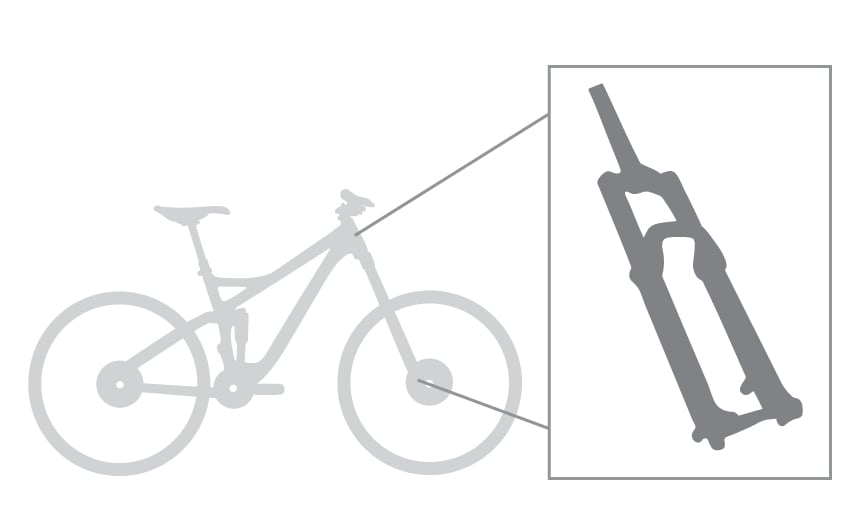
Most mountain bikes have a suspension fork at the front. Inside the fork, springs or air chambers and oil dampers absorb shocks. The fork’s travel (how much it can compress) ranges from 80mm to 200mm. Shorter travel is good for smoother paths; longer travel is for big drops and jumps.
Rear Suspension
Full suspension bikes also have a rear shock. This connects the rear wheel to the frame and absorbs impacts from the back. Rear shocks can be air or coil (spring) types. Air shocks are lighter and easier to adjust; coil shocks are better for heavy riders and rough trails.
Suspension Adjustments
Many forks and shocks offer adjustments:
- Compression: Controls how fast the suspension compresses
- Rebound: Controls how fast the suspension returns to normal
- Lockout: Stops suspension movement, useful for climbing
A common beginner mistake is forgetting to set suspension correctly. If it’s too stiff, the bike will bounce off bumps. If it’s too soft, you’ll bottom out and lose control.
Gears And Drivetrain: Powering The Bike
The drivetrain transfers your pedaling power to the wheels. It includes the crankset, chain, cassette, derailleur, and shifters.
Crankset And Bottom Bracket
The crankset is where you attach the pedals. When you pedal, you spin the crankset, moving the chain. The bottom bracket is the bearing system that lets the crankset rotate smoothly.
Chain And Cassette
The chain links the crankset to the cassette (the set of gears at the rear wheel). Most mountain bikes use between 9 and 12 gears on the cassette. More gears mean finer control over speed and effort.
Derailleur And Shifters
The derailleur moves the chain from one gear to another. There are front and rear derailleurs, but many modern bikes use only a rear one. The shifters are on the handlebars, letting you change gears easily.
Gear Ratios
Mountain bikes use lower gear ratios to make climbing easier. If you’re new, try shifting before you reach a steep hill. Shifting under pressure can damage the chain or gears.
| Gear Type | Best Use | Common Mistake |
|---|---|---|
| Low Gear | Climbing | Shifting late, causing chain stress |
| High Gear | Flat or downhill | Using high gear uphill, tiring quickly |
Brakes: Stopping Power
Mountain bikes use powerful brakes to control speed and stop quickly. There are two main types:
Rim Brakes
Rim brakes squeeze the wheel’s rim to slow down. They are lighter and cheaper but don’t work well in mud or rain.
Disc Brakes
Disc brakes use a metal rotor attached to the wheel hub. Pads squeeze the rotor to stop the bike. Disc brakes can be hydraulic or mechanical. Hydraulic brakes use fluid for more power and smoother feel; mechanical brakes use cables.
Disc brakes are now standard on most mountain bikes because they work better in wet or muddy conditions.
Brake Maintenance
It’s easy to overlook brake maintenance. Dirty or worn pads reduce stopping power. Check pads regularly and clean rotors to keep brakes sharp.
Steering And Control: Handlebars, Stem, And Headset
The handlebars let you steer and control the bike. They connect to the stem, which joins them to the headset and frame.
Handlebar Types
Mountain bikes use flat, riser, or drop bars. Flat bars give a sporty position and good control. Riser bars lift your hands higher, helping on rough trails. Drop bars are rare on mountain bikes.
Stem And Headset
The stem length affects how the bike feels. Short stems are better for tight turns; long stems help with stability. The headset is the bearing system that lets you turn the fork smoothly.
Handlebar width is an often-missed detail. Wider bars help with balance and control, but too wide makes steering slow. Most mountain bikes use bars between 700mm and 800mm.
Pedals: Connecting You To The Bike
Pedals are where your feet push the bike forward. There are two main types:
- Flat pedals: Simple, easy to use, good for beginners.
- Clipless pedals: Your shoes lock into the pedal for better power and control. They require special shoes and practice to use safely.
Flat pedals are safer for technical trails because you can quickly take your feet off. Clipless pedals are better for fast riding and climbing.
The Seat And Seatpost: Comfort And Efficiency
The seat (saddle) supports your weight. A comfortable saddle is important for long rides. Saddles come in many shapes—narrow for racing, wide for comfort.
The seatpost holds the saddle. Some mountain bikes use a dropper post, which lets you lower the saddle on the move. This helps when descending steep trails.
A practical tip: Adjust your saddle height so your knee is slightly bent at the bottom of the pedal stroke. Too high or too low causes knee pain and reduces efficiency.
Accessories And Extra Features
Modern mountain bikes often come with accessories:
- Water bottle mounts: Stay hydrated
- Frame bags: Carry tools or snacks
- Lights: For night rides
- Mudguards: Keep you clean
Some bikes have built-in racks or mounts for action cameras. Many riders add GPS or fitness trackers to monitor performance.
Electronic Shifting And Smart Features
High-end mountain bikes now offer electronic shifting. Instead of cables, small motors move the gears. Electronic systems are more precise and require less maintenance, but are costly.
Smart features like integrated sensors and Bluetooth can track your speed, distance, and heart rate. These tools help improve your riding and safety.
Maintenance: Keeping Your Bike Working
Understanding how a mountain bike works helps you maintain it. Regular maintenance is key:
- Clean the chain: Dirt wears it out quickly.
- Check tire pressure: Low pressure causes flats.
- Inspect brakes and pads: Replace when worn.
- Lubricate moving parts: Keeps everything running smoothly.
A good habit is to check your bike before every ride. Look for loose bolts, worn tires, and damaged cables.
Common Beginner Mistakes And How To Avoid Them
Many new riders make mistakes that can be avoided:
- Ignoring suspension settings: Set your fork and shock for your weight and riding style.
- Poor gear shifting: Shift before hills, not during.
- Wrong tire pressure: Use the correct pressure for your weight and terrain.
- Neglecting brake maintenance: Clean and replace pads often.
- Bad saddle height: Adjust for comfort and efficiency.
One non-obvious tip: Don’t use too much lubricant on the chain—it attracts dirt. A light, regular application is best.
Credit: www.evo.com
Mountain Bike Types: Choosing The Right Bike
There are several mountain bike types, each designed for a different style of riding.
Cross-country (xc)
Lightweight bikes for speed and efficiency on smoother trails. Usually hardtail.
Trail
Balanced bikes for varied terrain. Often full suspension with moderate travel.
Enduro
Built for tough descents and racing. Strong frames and longer suspension travel.
Downhill
Heavy, strong bikes for steep, technical descents. Max suspension travel.
| Bike Type | Suspension | Weight | Best Use |
|---|---|---|---|
| Cross-Country | 80–120mm | Light | Smooth trails, racing |
| Trail | 120–150mm | Medium | Mixed terrain |
| Enduro | 150–170mm | Heavy | Rough descents |
| Downhill | 180–200mm | Very Heavy | Steep, technical slopes |
How Each Part Works Together
A mountain bike is a system. The frame, wheels, suspension, drivetrain, brakes, and controls must all work together. If one part isn’t set up right, the whole bike feels wrong.
For example, if the suspension is too soft, the wheels lose traction and you can’t steer well. If the brakes are weak, you can’t ride safely. If the gears slip, you waste energy.
A well-tuned mountain bike feels stable, responsive, and comfortable. That’s why maintenance and setup are so important.
Real-world Example: Riding A Mountain Bike
Imagine riding on a rocky trail. You steer with wide handlebars, keeping balance as you dodge roots and rocks. Your suspension fork absorbs bumps, so your hands don’t get tired. The tires grip the dirt, and the gears let you climb easily.
When you speed downhill, disc brakes let you stop safely.
If your saddle is too high, you can’t control the bike on descents. If your tires are too hard, you bounce and lose grip. Every part matters.
Safety Tips For Mountain Biking
Mountain biking is exciting, but safety comes first. Here are some practical tips:
- Wear a helmet: Always protect your head.
- Use gloves: Helps grip and protects hands.
- Check your bike: Before every ride, inspect brakes, tires, and chain.
- Ride within your limits: Don’t try trails that are too hard.
- Bring water and tools: Stay hydrated and fix problems on the trail.
Many beginners forget to check their bike before riding. A quick inspection can prevent accidents.
Credit: www.alpinebikeworks.com
Environmental Impact And Responsible Riding
Mountain biking can impact the environment. Stay on marked trails to avoid harming plants and wildlife. Don’t litter, and respect other trail users.
Some mountain bike parks use recycled materials and promote sustainable practices. It’s a good idea to learn trail etiquette and follow local rules.
Mountain Bike Innovations
Modern mountain bikes have changed a lot in the last 20 years. Key innovations include:
- Tubeless tires: Less flats, better grip
- Dropper posts: Adjustable seat height for descents
- Wide-range drivetrains: More gears with one shifter
- Electronic shifting: Smooth, fast gear changes
One insight often missed: wide-range drivetrains let you use only one front chainring, making shifting easier and reducing chain drops.

Credit: www.specialized.com
Mountain Bike Community And Culture
Mountain biking isn’t just about machines—it’s a community. Many riders join clubs or groups to share rides and skills. Events like races and trail-building days bring people together.
If you’re starting out, joining a local group can help you learn faster and enjoy riding more.
Frequently Asked Questions
What Is The Difference Between A Hardtail And A Full Suspension Mountain Bike?
A hardtail mountain bike has only front suspension, making it lighter and easier to maintain. A full suspension bike has both front and rear suspension, offering more comfort and control on rough terrain, but is heavier and more complex.
How Often Should I Maintain My Mountain Bike?
Regular maintenance is key. Clean the chain and check tire pressure after every ride. Inspect brakes and suspension monthly. A full tune-up is recommended every 6–12 months, depending on use.
Can I Use A Mountain Bike For Road Riding?
Yes, but mountain bikes are heavier and have knobby tires, making them slower on pavement. For regular road riding, consider swapping to smoother tires or using a bike made for roads.
What Is A Dropper Post And Why Is It Useful?
A dropper post lets you adjust your saddle height quickly while riding. Lowering the seat helps on descents for better control, while raising it improves efficiency when climbing.
How Do I Choose The Right Mountain Bike Size?
Frame size is based on your height and leg length. Stand over the frame; there should be 2–3 inches of clearance. Test ride different sizes for comfort and control. Many brands offer size charts for guidance.
Mountain biking is a sport where every part of the bike matters. Understanding how a mountain bike works helps you ride safer, fix problems, and get the most out of your adventure. For more details on mountain bike technology and design, visit Wikipedia. Whether you’re exploring new trails or upgrading your bike, knowledge is your best tool.

Hello Guys! I am John Reese, a professional biker and my hobby is biking! I have been biking for last 12 years and I love using bikes while outing as well. Based on my experiences with the different type of bikes (mountain bikes, road bikes and hybrid bikes); I am sharing my opinion about various bikes so that a beginner can get started right away. Happy reading!