
Mountain biking is more than just riding on rough trails. It is about control, comfort, and confidence. One of the most important parts of your mountain bike is the shock absorber system. Many riders know shocks make the ride smoother, but few understand how they work, why they matter, and how to choose or care for them. If you want to get more out of your rides, or just want to know what’s happening under your bike, this guide will explain everything you need to know about mountain bike shocks.
What Are Mountain Bike Shocks?
Mountain bike shocks are parts that absorb bumps and impacts from the trail. They help you stay in control, make riding safer, and let you go faster on rough terrain. Without shocks, every stone or root would shake your bike, making it hard to handle.
There are two main types:
- Front Suspension (Forks): These are on the front wheel and handle bumps that hit the front of the bike.
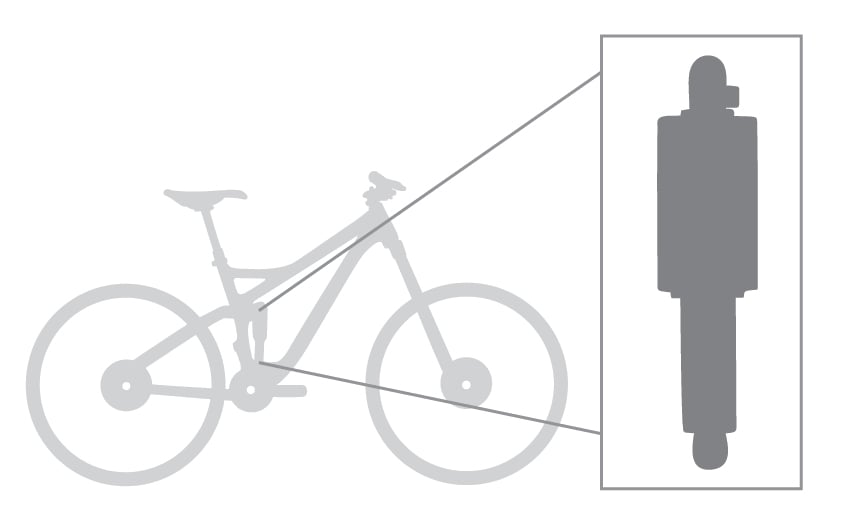
- Rear Suspension (Shocks): These are found on bikes with full suspension and absorb impacts from the back wheel.
Some bikes have just front suspension (called hardtails), while others have both front and rear (called full suspension).
How Do Mountain Bike Shocks Work?
Shocks work using compression and damping. When you hit a bump, the shock compresses. The energy from the bump is absorbed inside the shock, so you feel less of it.
The main parts are:
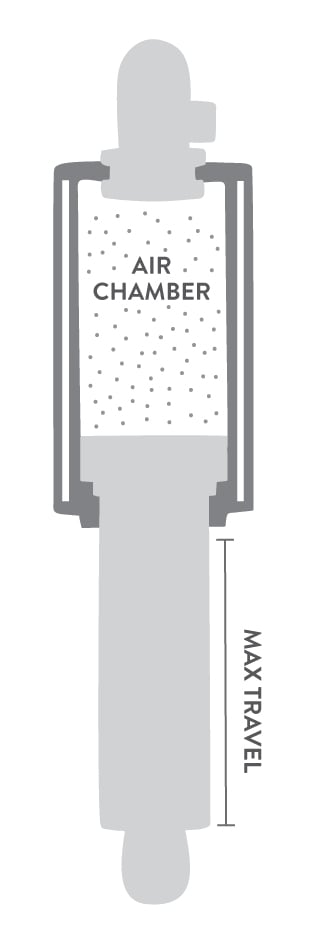
- Spring: Stores and releases energy. Can be metal (coil) or air.
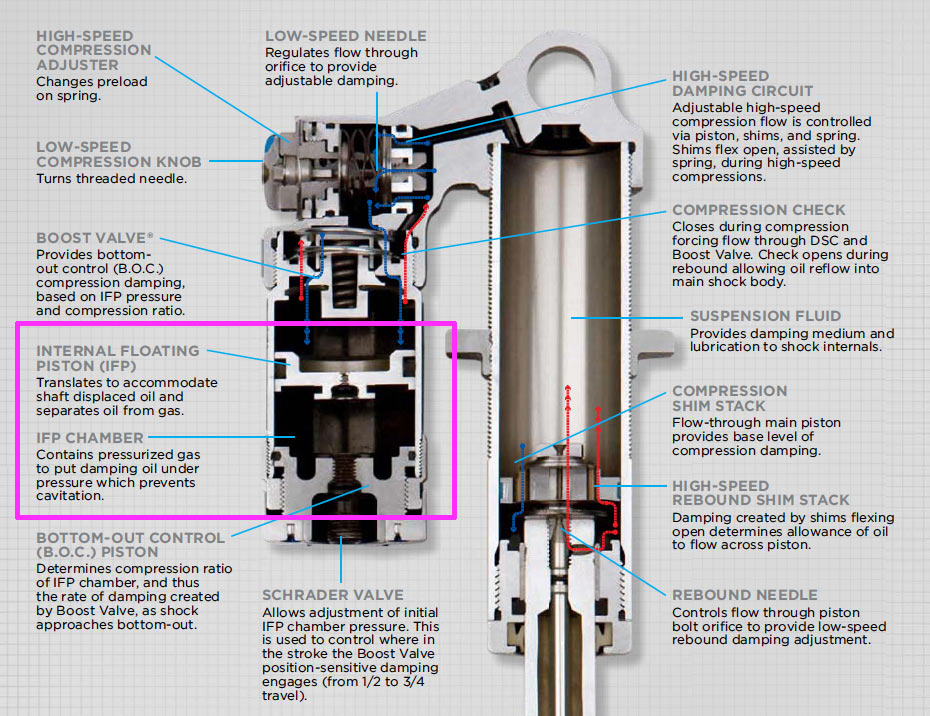
- Damper: Controls how fast the shock moves. Uses oil or other fluids to slow movement.
The Spring: Absorbing Energy
The spring is what lets your bike move up and down. When you hit a bump, the spring compresses. When the bump is gone, the spring pushes the bike back up.
There are two types:
- Coil Springs: Made from metal. Strong, reliable, and consistent. Used for downhill bikes or riders who want durability.
- Air Springs: Use compressed air. Lighter, adjustable, and popular for all-mountain and cross-country bikes.
The Damper: Controlling Motion
If the spring was alone, your bike would bounce up and down like a pogo stick. The damper stops this. It uses oil inside a chamber to slow down the movement. This makes the shock smoother and prevents too much bouncing.
There are two key damping types:
- Compression Damping: Controls how fast the shock compresses (when you hit a bump).
- Rebound Damping: Controls how fast the shock returns to its normal position.
Adjusting these lets riders fine-tune their bike for different trails.
Types Of Mountain Bike Suspension
Hardtail Vs Full Suspension
Most mountain bikes fall into two categories:
- Hardtail: Only has front suspension. Good for smoother trails and cross-country riding. Lighter and simpler.
- Full Suspension: Has both front and rear shocks. Better for rough trails, downhill, and enduro. Heavier but offers more comfort and control.
Coil Vs Air Shocks
Let’s look at the differences in a clear way:
| Type | Weight | Adjustability | Durability | Common Use |
|---|---|---|---|---|
| Coil | Heavier | Limited | Very High | Downhill, Freeride |
| Air | Lighter | Easy | Good | Cross-country, Trail |
Front Suspension Forks
These are the most common shocks found on mountain bikes. They have two legs, each with a spring and damper. The wheel sits between them. Forks range from 80mm to over 200mm of travel (how much they can compress).
Rear Shocks
Rear shocks sit between the bike frame and rear wheel. They connect to special linkages, which help control how the suspension moves. Travel can range from 100mm (for cross-country) up to 200mm (for downhill).
Key Features And Adjustments
Suspension Travel
Travel means how far the shock can compress. More travel means more ability to absorb big bumps, but it can feel less efficient on smooth trails. Here’s how travel affects riding:
| Travel (mm) | Riding Style | Trail Type |
|---|---|---|
| 80–120 | Cross-country | Smooth, light trails |
| 120–150 | Trail, All-mountain | Mixed, moderate roughness |
| 150–200+ | Enduro, Downhill | Very rough, steep terrain |
Adjustments: Compression, Rebound, And More
Modern shocks come with adjustment knobs. These let you fine-tune your ride:
- Compression Adjustment: Changes how hard it is for the shock to compress. Useful for big hits or jumps.
- Rebound Adjustment: Changes how fast the shock returns to normal. Too fast, and your bike can bounce. Too slow, and it feels sluggish.
- Lockout: Lets you make the shock “stiff.” Useful for climbing hills, so you don’t lose energy.
- Preload: Sets how much force is needed to start compressing the spring. Helps match the shock to your weight.
Sag Setting
Sag is how much the shock compresses when you sit on the bike. It’s important to set sag for comfort and control. Usually, it’s set to 15–30% of the shock’s travel. Setting sag helps keep your wheels on the ground and makes the bike feel stable.
Credit: www.evo.com
How Suspension Improves Riding
Shocks do more than just make the ride smooth. They help with:
- Traction: Keeping tires on the ground for better grip.
- Control: Making it easier to steer and brake.
- Comfort: Reducing fatigue by absorbing bumps.
- Speed: Letting you ride faster over rough terrain.
A well-tuned suspension system makes a big difference. For example, racers often win or lose based on how their shocks handle rough sections.
The Science Behind Mountain Bike Shocks
Shocks use physics to turn big impacts into manageable movements.
- Energy Absorption: When your wheel hits a rock, energy is transferred. The spring stores this energy, then releases it slowly.
- Damping: The damper changes energy into heat, using oil. This stops the bike from bouncing up and down.
A simple way to picture it: Imagine jumping onto a mattress. The mattress compresses, then slowly returns to shape. That’s how shocks work—but much faster and more controlled.
Hydraulic Damping
Inside the damper, oil flows through small holes. The size of these holes controls how fast the shock moves. Some shocks use advanced systems, with valves that open and close depending on the bump size.
Air Pressure
Air springs use compressed air to create resistance. Riders can add or remove air using a special pump. This makes it easy to change the shock for different weights or trail conditions.
Common Beginner Mistakes With Shocks
Many new riders miss these points:
- Ignoring Sag: If you don’t set sag, your shock won’t work well. The bike may feel harsh or unstable.
- Wrong Rebound Setting: If rebound is too fast or too slow, the bike can bounce or feel sluggish.
- Too Much Lockout: Locking out the shock for all riding makes the bike uncomfortable and unsafe on rough trails.
- Not Maintaining Shocks: Dirt and lack of oil can make shocks wear out. Regular cleaning and servicing are important.
- Mismatched Suspension for Riding Style: Using downhill suspension for cross-country makes the bike heavy and inefficient.
Choosing The Right Mountain Bike Shocks
Picking the right shock depends on your riding style, budget, and needs.
Key Factors To Consider
- Rider Weight: Heavier riders need stiffer springs and more air pressure.
- Trail Type: Rough trails need more travel and stronger damping.
- Bike Type: Full suspension bikes need both front and rear shocks.
- Adjustability: Look for shocks with easy-to-use knobs and clear markings.
Comparing Popular Shock Brands
Let’s compare three well-known brands:
| Brand | Common Features | Best For | Price Range |
|---|---|---|---|
| Fox | High adjustability, strong damping | All-mountain, Enduro | $400–$1200 |
| RockShox | Lightweight, easy tuning | Cross-country, Trail | $250–$900 |
| DVO | Custom tuning, coil options | Downhill, Freeride | $500–$1500 |
Avoiding Common Buying Mistakes
- Don’t buy shocks just because they look cool. Focus on features that match your needs.
- Check compatibility with your bike frame and fork.
- Understand that expensive shocks are not always better for beginners.
Maintaining Your Mountain Bike Shocks
Keeping shocks working well is key for safety and performance.
Basic Maintenance Tips
- Clean after every ride: Dirt and mud can damage seals.
- Check air pressure: Use a shock pump to keep air springs at the right level.
- Inspect for leaks: Look for oil or air escaping from the shock.
- Lubricate moving parts: Use recommended oils for your shock brand.
- Service regularly: Manufacturers suggest service every 50–100 hours of riding.
When To Seek Professional Help
If you notice strange noises, oil leaks, or the shock feels rough, it’s best to take it to a bike shop. Experts can check for internal problems, replace seals, or refill oil.
Real-world Example: How Shocks Change The Ride
Imagine riding down a rocky hill with no suspension. The bike bounces, tires lose grip, and your hands hurt from the impacts. Now, add well-tuned shocks. The bike stays stable, tires grip the ground, and you feel in control.
Professional racers often adjust their suspension before every race. Even small changes in rebound or compression can make big differences.
A beginner may not notice these changes at first. But as you gain experience, you’ll feel how shocks affect speed, safety, and comfort.
Two Insights Beginners Often Miss
- Suspension is not “set and forget.” The best riders adjust their shocks for each ride. Conditions change—so should your settings.
- Suspension doesn’t only help with big bumps. Even small vibrations are absorbed, making long rides easier and reducing fatigue.
Advanced Shock Technologies
Many modern shocks use advanced technology:
- Remote Lockout: Lets you adjust shocks from the handlebar.
- Automatic Adjusting Systems: Some bikes have sensors that change suspension settings as you ride.
- Multi-Chamber Air Springs: Improve performance by using separate air chambers for different stages of compression.
These features are more common on high-end bikes, but are slowly coming to mid-range models.
Credit: www.evo.com
How To Test And Tune Your Shocks
Testing shocks is easy if you know what to look for.
- Set Sag: Sit on your bike, measure how much the shock compresses.
- Adjust Rebound: Push down, let go, and watch how the bike rebounds. It should not bounce or feel slow.
- Adjust Compression: Ride over rough terrain. If you bottom out (shock fully compresses), increase compression.
Try small adjustments, then test ride. Write down what feels better or worse.
The Future Of Mountain Bike Shocks
Suspension technology is advancing fast. The next wave includes:
- Electronically controlled shocks: Adjust automatically for terrain.
- Lighter, stronger materials: Make bikes easier to handle.
- Better seals and lubrication: Reduce maintenance needs.
If you want to keep up, check bike manufacturer websites or trusted sources like Pinkbike for the latest news.
Credit: bikerumor.com
Frequently Asked Questions
What Is The Difference Between Air And Coil Shocks?
Air shocks use compressed air for resistance, are lighter, and can be easily adjusted for rider weight or trail conditions. Coil shocks use a metal spring, are heavier, but offer consistent performance and are better for extreme downhill or heavier riders.
How Often Should I Service My Mountain Bike Shocks?
For most riders, shocks should be serviced every 50–100 hours of riding. If you ride in wet or muddy conditions, clean and inspect them more often. Professional servicing is recommended at least once a year.
Why Does My Bike Feel Bouncy After Setting Up The Suspension?
If your bike feels bouncy, the rebound damping may be set too fast. Try slowing down the rebound adjustment. Also, check your sag and compression settings to make sure they match your weight and riding style.
Can I Use A Full Suspension Bike For Cross-country Riding?
Yes, but full suspension bikes are heavier and less efficient for cross-country compared to hardtails. If your trails are rough, full suspension offers more comfort and control. For smoother trails, a hardtail might be better.
Are Expensive Shocks Worth It For Beginners?
Not always. Beginners should focus on correct setup and maintenance. High-end shocks offer more adjustments and smoother performance, but a well-set mid-range shock is often just as good for learning and everyday riding.
Mountain bike shocks are complex but essential for a good ride. Understanding how they work, how to choose and maintain them, and how to adjust them can make your biking safer, faster, and more fun. If you pay attention to your shocks, you will notice big improvements in your riding—no matter your skill level.

Hello Guys! I am John Reese, a professional biker and my hobby is biking! I have been biking for last 12 years and I love using bikes while outing as well. Based on my experiences with the different type of bikes (mountain bikes, road bikes and hybrid bikes); I am sharing my opinion about various bikes so that a beginner can get started right away. Happy reading!