
Mountain biking is more than just riding off-road trails. If you want a bike that feels comfortable and handles well, you need to understand its geometry. One of the most important measurements for this is reach. But what exactly is reach, and how do you measure it on a mountain bike? Many new riders confuse reach with other sizing terms, and even experienced bikers sometimes overlook its impact on comfort and control. This article will help you understand reach, why it matters, and how to measure it accurately. You’ll also see how reach compares to other geometry numbers, why it’s so crucial, and what mistakes people often make. By the end, you’ll have the knowledge to check reach on your own bike or when shopping for a new one.
What Is Reach On A Mountain Bike?
Reach is a term used in bike geometry to describe the horizontal distance from the center of the bottom bracket to the center of the top of the head tube. In simple words, reach tells you how far you will have to stretch forward when standing on your bike, not sitting. It’s a key number because it affects how the bike feels when you stand up to pedal or tackle technical trails.
Most mountain bikers spend a lot of time out of the saddle, especially on steep climbs, descents, or rough sections. Reach is a big part of how the bike fits and handles in these situations. If the reach is too short, you may feel cramped and lose control.
If it’s too long, you may feel stretched and struggle to move your weight efficiently. Unlike top tube length, which can be changed by adjusting the seat, reach is fixed by the frame.
Why Is Reach Important?
Reach is the main measurement used to size modern mountain bikes. Brands now use reach more than old terms like seat tube length because it reflects how the bike fits when riding aggressively. Reach affects:
- Handling: Longer reach usually means more stable handling, especially at high speeds.
- Fit: Reach helps you find a bike that matches your body and riding style.
- Weight Distribution: Reach influences where your weight is on the bike, which matters for grip and control.
Many pro riders check reach first when testing new bikes. Beginners often focus on seat height, but reach is more important for riding technical trails.
How Is Reach Measured?
Measuring reach is not difficult, but you need to be precise. Here’s a step-by-step guide:
Tools Needed
- Tape measure
- Spirit level (optional, but helps accuracy)
- Bike stand (to keep the bike upright)
Steps To Measure Reach
- Find the Bottom Bracket Center: This is where the crank arms meet. It’s the round part in the middle of your bike frame.
- Locate the Top of the Head Tube: This is the point where the fork enters the frame at the front. It’s usually right below the handlebars.
- Draw a Vertical Line: Imagine a straight vertical line from the center of the bottom bracket up towards the top tube.
- Draw a Horizontal Line: Imagine a straight horizontal line from the top of the head tube, going back to meet that vertical line.
- Measure the Distance: The reach is the horizontal distance between the two points.
If you use a spirit level, you can make sure your lines are straight. Most bike brands publish reach numbers for each frame size, but measuring it yourself helps if you change parts like stems or want to compare bikes.
Example Measurement
Suppose you have a bike with a reach of 445 mm. This means that from the bottom bracket center to the top of the head tube horizontally, the distance is 445 millimeters (about 17. 5 inches).
Reach Vs. Other Geometry Numbers
Reach is not the only measurement that matters for mountain bikes. Here’s how reach compares to other key numbers:
Reach Vs. Stack
Stack is the vertical distance from the bottom bracket to the top of the head tube. While reach is about how far forward you stretch, stack is about how high you stand. Both are shown in the table below:
| Frame Size | Reach (mm) | Stack (mm) |
|---|---|---|
| Small | 425 | 600 |
| Medium | 445 | 610 |
| Large | 465 | 620 |
Reach Vs. Top Tube Length
Top tube length measures from the head tube to the seat tube, usually on an angle. This is more important for road bikes, but less useful for mountain bikes where you stand up often.
Reach Vs. Wheelbase
Wheelbase is the distance between the front and rear wheels. It affects stability, but reach is more about rider fit.
How Reach Impacts Your Riding
Reach is not just a number. It changes how your bike feels in real situations.
Stability And Control
A longer reach means more stability at speed. This is why enduro and downhill bikes have longer reach. You feel more “in” the bike and can handle rough terrain better. But if the reach is too long, you may lose agility and struggle to turn sharply.
Comfort
If reach is too short, your body will be cramped. This can cause back pain or make it hard to shift your weight. Riders who prefer technical climbs or slow-speed maneuvering often choose shorter reach.
Example: Two Riders
- Rider A is 5’7″ and chooses a bike with 445 mm reach. It feels comfortable and easy to control.
- Rider B is 6’2″ and rides the same bike. He feels cramped and can’t move well. He needs a bike with at least 490 mm reach.
Non-obvious Insight
Many riders forget that reach changes if you swap forks or change headset spacers. For example, adding spacers under your stem raises stack but slightly reduces reach.
Measuring Reach In Real Life: Step-by-step Guide
To make things practical, here’s a more detailed process you can follow at home:
- Place Your Bike on a Flat Surface: Make sure it’s upright and stable.
- Find Bottom Bracket Center: Use your tape measure to locate the exact center.
- Mark the Vertical Line: You can use a string with a weight to mark a straight line up from the bottom bracket.
- Find the Top of the Head Tube: This is usually just below the headset cap.
- Mark the Horizontal Line: Use a spirit level to make sure your line is flat.
- Measure Horizontally: With your tape measure, check the distance from the vertical line (bottom bracket) to the horizontal line (head tube top).
Visual Comparison
Here’s a simple table to show how reach compares to other sizing methods:
| Measurement | Where Measured | Impacts |
|---|---|---|
| Reach | Bottom bracket to head tube (horizontal) | Fit standing, stability |
| Top Tube | Head tube to seat tube (diagonal) | Fit sitting, less impact off-road |
| Stack | Bottom bracket to head tube (vertical) | Fit standing, bar height |
Adjusting Reach: Can You Change It?
Reach is mostly set by your frame, but you can make small changes:
- Stem Length: A longer stem increases your stretch, but it doesn’t truly change reach. It shifts your hands forward, which can feel similar.
- Handlebar Sweep: Bars with more sweep bring your hands back, making reach feel shorter.
- Headset Spacers: Adding spacers raises stack, which can slightly reduce effective reach.
- Frame Size: The only real way to change reach is to pick a different frame size.
Common Mistake
Many riders try to fix a short reach by using a longer stem. This can make handling worse, especially on steep descents.
What’s A Good Reach Number For You?
Choosing the right reach depends on your height, riding style, and trail type.
Rider Height Vs. Reach
A rough guide:
- Under 5’6″: 420–440 mm reach
- 5’7″–5’10”: 440–465 mm reach
- 5’11″–6’2″: 465–490 mm reach
- Over 6’2″: 490+ mm reach
These numbers vary by brand and bike type. Downhill bikes often have longer reach than cross-country bikes.
Example: Comparing Bike Types
| Bike Type | Typical Reach (Medium) |
|---|---|
| Cross-country | 430–445 mm |
| Trail | 440–460 mm |
| Enduro | 450–475 mm |
| Downhill | 460–490 mm |
How Bike Brands Use Reach
Modern mountain bike brands list reach as a main sizing number. For example, a Specialized Stumpjumper medium has 445 mm reach, while a large has 465 mm. This helps you compare bikes quickly.
Why Is This Better Than Seat Tube Length?
Seat tube length only tells you how high the seat can be. Reach tells you how the bike will fit when you stand up and ride hard.
Advanced Insights: How Geometry Changes Reach
Two less obvious things can affect reach:
- Fork Axle-to-Crown Height: If you change to a longer fork, your front end rises, which can reduce reach.
- Head Angle: Slackening the head angle (making it more sloped) can increase reach slightly.
These changes are small, but they matter for advanced riders who want perfect fit.
Common Myths About Reach
Many riders believe:
- Reach is the same as top tube length (false)
- You can adjust reach easily (only minor changes are possible)
- Longer reach is always better (not true for all riders or trails)
- Reach is not important for beginners (it matters for everyone)
Knowing the real facts helps you make better choices.
Credit: asergaliciaformacion.com
Mistakes Riders Make When Measuring Reach
- Using the seat tube instead of the bottom bracket: The bottom bracket is the key starting point.
- Not using a level: Uneven measurements can give wrong numbers.
- Measuring along the frame: Reach is a straight, horizontal line, not along the tubes.
- Ignoring stack: Stack and reach together define fit; don’t look at reach alone.
How Reach Affects Bike Handling On Trails
Reach isn’t just about numbers. It changes how your bike moves on real trails.
- Short Reach: Easier to turn sharply, better for slow speeds, may feel cramped at high speed.
- Long Reach: Stable at speed, better for descents, can be harder to lift the front wheel.
Example: Riding A Technical Descent
Imagine a steep, rocky downhill section. A bike with longer reach lets you stay balanced and in control, while a short reach may make you feel like you’ll go over the bars.
Non-obvious Tips For Measuring Reach
- Always measure with the bike upright and wheels on the ground.
- If you change fork or headset, re-measure reach.
- Compare reach between bikes before buying, not just frame size.
Using Reach When Choosing A Bike
When shopping, don’t just look at “Small, Medium, Large. ” Check the reach for each size. If you’re between sizes, try both. Many shops will let you test ride.
Practical Example
You want a trail bike and are 5’10”. You check three brands:
- Brand A Medium: 445 mm reach
- Brand B Medium: 455 mm reach
- Brand C Medium: 465 mm reach
Even though all are “medium,” reach varies a lot. Pick the one that feels best.
Why Reach Matters More Than Ever
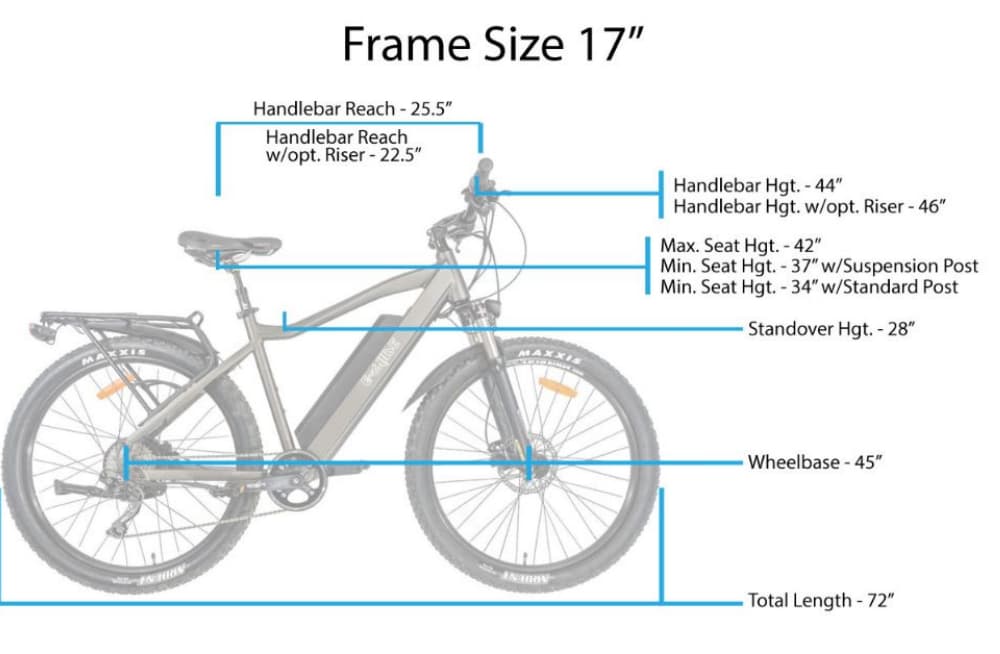
As bikes get longer and slacker, reach numbers have gone up. Ten years ago, a medium trail bike had 420 mm reach. Now, 445–460 mm is normal. This helps stability, but only if it fits your body.
Real-world Data: Reach Trends
A study by Pinkbike showed that average reach has increased by 20% since 2010. Riders now demand more stability and better handling, which longer reach provides.
Credit: gotrax.ca
Summary: Measuring And Understanding Reach
Reach is a key measurement in mountain bike geometry. It tells you how your bike fits and handles when you stand up to ride. Measuring reach is easy with a tape measure and some care. Reach affects stability, comfort, and control.
It can’t be changed much without picking a new frame, so check reach before buying a bike. Don’t confuse reach with other numbers like top tube or wheelbase. Use reach to find your perfect fit and enjoy better rides.
Frequently Asked Questions
What Is The Difference Between Reach And Stack?
Reach is the horizontal distance from the bottom bracket to the top of the head tube. Stack is the vertical distance between the same points. Reach affects how far forward you stretch, while stack affects handlebar height.
Can I Change The Reach Of My Mountain Bike?
You can make small changes by adjusting stem length or handlebars, but the frame sets the true reach. Only a new frame or major fork change can really change reach.
Why Do Modern Mountain Bikes Have Longer Reach?
Longer reach improves stability, especially at high speeds and on steep descents. As trails get more technical, riders want bikes that handle better, so brands increase reach.
How Do I Know What Reach Is Right For Me?
Check your height, riding style, and test different bikes. Use brand sizing charts, but always compare reach numbers directly. If you feel cramped or stretched, try another size.
Is Reach Important For Beginner Mountain Bikers?
Yes. Even beginners benefit from the right reach. It helps comfort, control, and safety. Don’t ignore reach just because you’re new to mountain biking.
For more detailed bike sizing information, visit BikeRadar.

Credit: www.mbr.co.uk

Hello Guys! I am John Reese, a professional biker and my hobby is biking! I have been biking for last 12 years and I love using bikes while outing as well. Based on my experiences with the different type of bikes (mountain bikes, road bikes and hybrid bikes); I am sharing my opinion about various bikes so that a beginner can get started right away. Happy reading!