
How Long Do Mountain Bike Brake Pads Last
If you ride a mountain bike, you know how important brake pads are for your safety and control. But how long do mountain bike brake pads really last? The answer is not as simple as a single number. Many factors affect brake pad life, from the type of riding you do to the weather conditions and even your body weight. Whether you’re a new mountain biker or a seasoned rider, understanding the lifespan of your brake pads can help you ride with confidence and avoid sudden failures on the trail.
This guide will explain the key factors that determine how long your brake pads will last. You’ll learn how to spot signs of wear, compare different types of pads, and get practical tips to make your pads last longer. We’ll also clear up common myths and answer the questions most riders have about brake pad replacement.
By the end, you’ll know exactly what to check, when to replace, and how to keep your brakes working safely ride after ride.
The Basics Of Mountain Bike Brake Pads
Before looking at lifespan, it helps to know what brake pads do and what types are out there.
Brake pads are small pieces that press against your bike’s brake rotors (for disc brakes) or rims (for rim brakes) to slow you down. The friction between the pad and the surface converts your speed into heat, stopping the bike.
Types Of Brake Pads
There are two main systems on mountain bikes:
- Disc Brakes: Most modern mountain bikes use these. They use a metal rotor attached to the wheel, with pads squeezing from both sides.
- Rim Brakes: Older or budget bikes may use these. The pads press against the wheel rim.
Within disc brakes, there are three main types of pads:
- Resin (Organic) Pads: Made from organic materials bonded with resin.
- Sintered (Metallic) Pads: Made from metal particles fused together.
- Semi-Metallic Pads: A mix of both resin and metal.
Each type has different wear rates, performance, and cost.
Average Lifespan: What To Expect
The question “How long do mountain bike brake pads last?” depends on many details. Here’s a basic idea for each type:
- Resin (Organic) Pads: 300 to 700 miles (480–1,100 km)
- Sintered (Metallic) Pads: 600 to 1,250 miles (960–2,000 km)
- Semi-Metallic Pads: 400 to 900 miles (640–1,450 km)
- Rim Brake Pads: 1,000 to 3,000 miles (1,600–4,800 km), but this can vary widely
These numbers are only rough estimates. Some riders burn through pads in a few weeks; others get a full season or more.
Real-world Example
A cross-country rider who mostly pedals on dry trails might get 1,500 miles from a set of sintered pads. A downhill racer in muddy conditions might wear out organic pads in a single weekend.
Credit: thelostco.com
Key Factors That Affect Brake Pad Life
Why such a wide range in lifespan? These factors play a big role:
- Type of Pad: Resin pads wear faster than sintered pads.
- Riding Conditions: Wet, muddy, or gritty trails wear pads faster.
- Riding Style: Aggressive braking, steep descents, and technical terrain use more brake power.
- Weight: Heavier riders put more force into the pads.
- Maintenance: Dirty rotors, misaligned calipers, or stuck pistons cause extra wear.
- Pad and Rotor Size: Larger rotors spread heat and can extend pad life.
Typical Lifespan Comparison
Here’s a quick look at how pad type and riding conditions affect lifespan:
| Pad Type | Dry Conditions | Wet/Muddy Conditions |
|---|---|---|
| Resin (Organic) | Up to 700 miles | 200–400 miles |
| Sintered (Metallic) | Up to 1,250 miles | 500–900 miles |
| Semi-Metallic | Up to 900 miles | 300–600 miles |
Even within the same type, riding in the rain or mud can cut your pad life in half or more.
Disc Vs Rim Brake Pads: Which Lasts Longer?
Disc brake pads usually wear out faster than rim brake pads. Here’s why:
- Disc pads are smaller and make more contact per ride.
- Mountain bike trails often require harder braking, especially on descents.
- Rim brake pads use more of the pad surface and often face less grit (unless riding in constant mud).
But rim brake pads can wear quickly if you ride in sandy or gritty conditions, or if your rims are dirty.
Pad System Comparison
| System | Average Lifespan | Best For |
|---|---|---|
| Disc (Resin) | 300–700 miles | Casual trail, dry conditions |
| Disc (Sintered) | 600–1,250 miles | Wet, muddy, downhill, e-bikes |
| Rim Brake | 1,000–3,000 miles | XC, commuting, dry climates |
Signs Your Brake Pads Need Replacing
Many riders wait too long to change their pads. Don’t rely on mileage alone—use these signs:
- Pad Thickness: Most pads start around 3–4mm thick (including backing plate). Replace when the friction material is 1mm or less.
- Squealing or Grinding: This can mean the pad material is gone and you’re down to the metal.
- Reduced Braking Power: If stopping feels weak or “spongy,” it’s time to check.
- Visible Wear Lines: Some pads have a wear indicator groove. If it’s gone, replace the pads.
- Glazing or Discoloration: Shiny, hard pads or blue/black color means overheating or contamination.
How To Check
- Remove your wheel and look into the caliper. Use a flashlight if needed.
- Compare pad thickness to a new pad if you’re unsure.
- Check both sides—sometimes only one side wears faster.
Pro Tip: Don’t wait until you hear metal-on-metal. Riding with worn pads can destroy your rotors, costing much more to repair.
How To Make Brake Pads Last Longer
Every rider wants to save money and avoid mid-ride brake failure. Try these tips:
- Brake Smoothly: Use less force, for shorter periods.
- Avoid Dragging Brakes: Don’t hold the brakes lightly for long descents. Instead, brake hard for a shorter time, then release.
- Keep Rotors and Pads Clean: Dirt and oil cause extra wear and noise.
- Rinse After Muddy Rides: Mud acts like sandpaper—clean your bike after every wet or muddy ride.
- Proper Pad Bedding: When you install new pads, bed them in with several firm stops to transfer a thin layer of pad material to the rotor.
- Check Alignment: Misaligned calipers cause uneven wear.
Often-missed Tips
- Store the Bike Indoors: Humidity and rain can corrode pads and rotors, even when you’re not riding.
- Alternate Pad Types: Some riders keep both resin and metallic pads, swapping depending on season and conditions.
Comparing Brake Pad Materials
The material of your pad changes everything—performance, noise, cost, and lifespan.
Resin (organic) Pads
- Pros: Quieter, better feel, less rotor wear.
- Cons: Wear faster, especially in wet/muddy conditions.
- Best For: Dry trails, light riders, cross-country.
Sintered (metallic) Pads
- Pros: Last longer, work better in wet/mud, don’t fade as quickly.
- Cons: Noisier, can wear rotors faster, sometimes less initial bite.
- Best For: Downhill, enduro, e-bikes, wet climates.
Semi-metallic Pads
- Pros: Balance of both worlds—good durability, decent modulation.
- Cons: Can be noisy, moderate rotor wear.
- Best For: All-around riding, trail, all-mountain.
Rim Brake Pads
- Materials: Usually rubber, with different compounds for dry or wet.
- Lifespan: Can be long, but sand and grit cut life short.
Material Performance Comparison
| Pad Material | Noise | Wet Performance | Lifespan |
|---|---|---|---|
| Resin | Low | Poor-Fair | Short |
| Sintered | High | Good-Excellent | Long |
| Semi-Metallic | Medium | Fair-Good | Medium |
How To Replace Brake Pads
Changing pads is a skill every mountain biker should learn. Here’s a simple outline:
- Remove the Wheel: This gives you room to access the brake.
- Remove the Old Pads: Most have a pin or clip. Pull these out and slide pads free.
- Clean the Caliper: Wipe out dirt and check for piston movement.
- Install New Pads: Slide in new pads, insert the pin/clip, and secure.
- Check for Rub: Spin the wheel—pads shouldn’t touch the rotor except when braking.
- Bed-In the Pads: After reassembly, make 10–20 firm stops from speed to transfer pad material to the rotor.
Common Mistakes
- Touching Pad Surface: Oils from your fingers can contaminate the pads.
- Skipping Bedding-In: This is vital for maximum braking power and pad life.
- Mixing Pad Types: Don’t use one resin and one metallic pad in the same caliper.
When To Upgrade Your Pads
Sometimes, changing pad type can solve problems:
- If you ride in rain or mud often: Try sintered pads.
- If you want less noise: Switch to resin pads in dry conditions.
- For e-bikes or heavy loads: Sintered pads handle heat better.
Many riders stick with what came on their bike, but experimenting can improve both performance and pad life.
Myths And Misunderstandings
There’s a lot of confusion around brake pad life. Let’s clear up a few:
- “Pads should last a whole season.”
- Not always. Wet, gritty rides can kill pads in a few rides.
- “If they’re not squealing, they’re fine.”
- Not true—some worn pads stay quiet but offer poor braking.
- “More expensive pads last longer.”
- Price and life don’t always match. The right material matters more.
- “All pads are the same.”
- Brake pads vary by brand, bike, and riding style. Check your owner’s manual or pad shape before buying replacements.
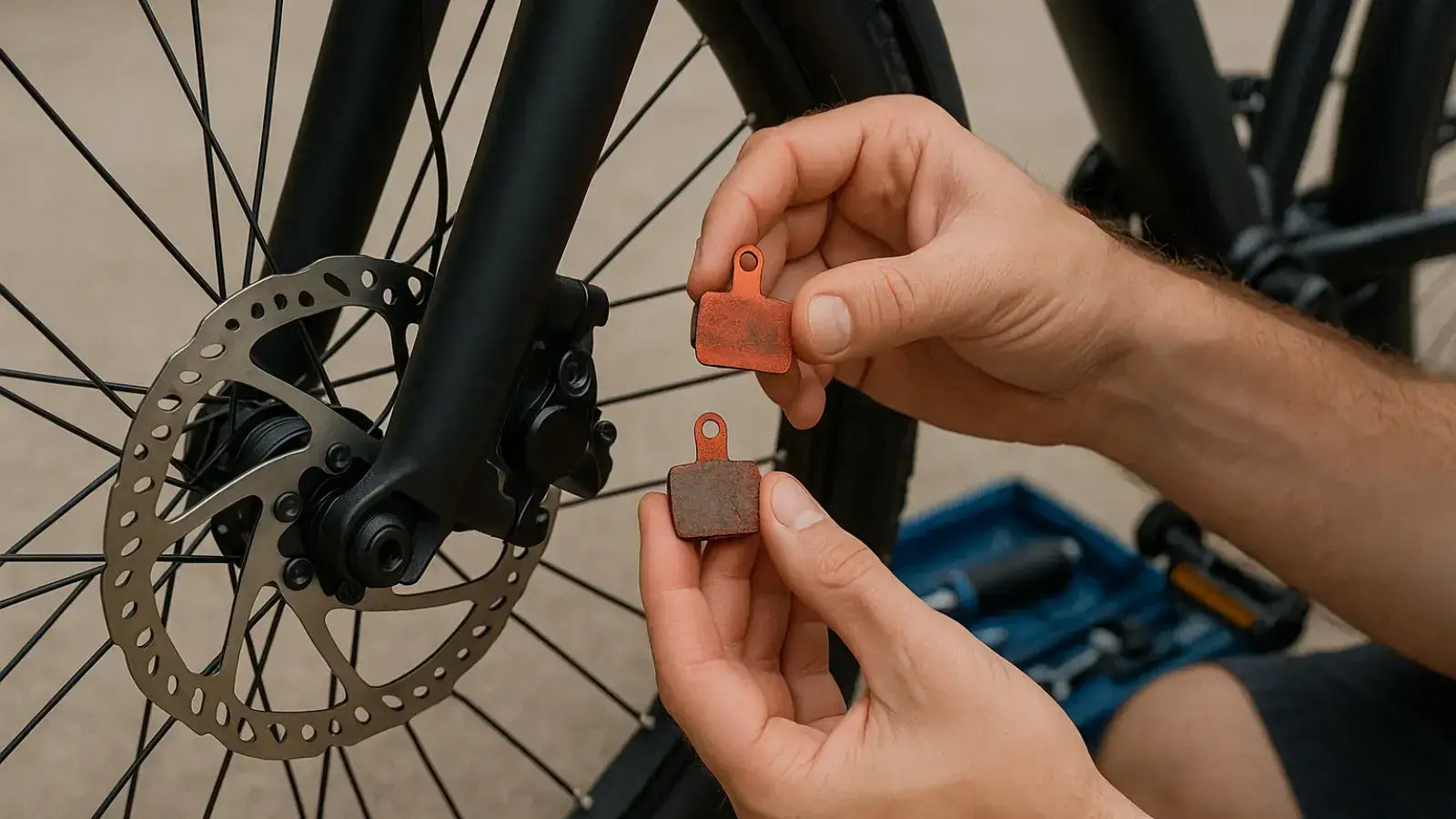
Credit: leoguarbikes.com
Real-world Data: Survey Of Riders
A 2021 survey of 500 mountain bikers showed:
- Average pad life was 800 miles for resin, 1,100 miles for sintered.
- Downhill riders reported changing pads every 200–400 miles.
- Cross-country riders often got 1,500+ miles.
- Biggest surprise: 30% of riders waited too long and damaged their rotors.
This shows why checking pads regularly is more reliable than tracking miles.
How To Track Brake Pad Wear
Instead of guessing, try these methods:
- Mileage Log: Write down the mileage when you install new pads.
- Visual Checks: Look at pad thickness every 1–2 weeks.
- Feel: If your brakes feel weaker, check the pads immediately.
Pro Insight: Carry a spare set of pads and the right tools on long trips, especially if you ride in the mountains or bad weather.
The Hidden Cost Of Worn Pads
Riding with worn pads isn’t just unsafe—it can cost you more:
- Destroyed Rotors: Pads that are too thin expose metal, which can grind grooves into rotors. Replacing rotors costs much more than pads.
- Less Control: Poor braking can lead to crashes, especially on steep trails.
- More Frequent Maintenance: Neglecting pads can mean more work for your whole brake system.
Eco-friendly Disposal And Choices
Brake pads contain metals and chemicals. Don’t just throw them in the trash. Many bike shops recycle used pads. Ask your local shop about recycling, or check for community recycling programs.
Also, some brands now make eco-friendly pads with less toxic materials. If you care about your impact, look for these options.
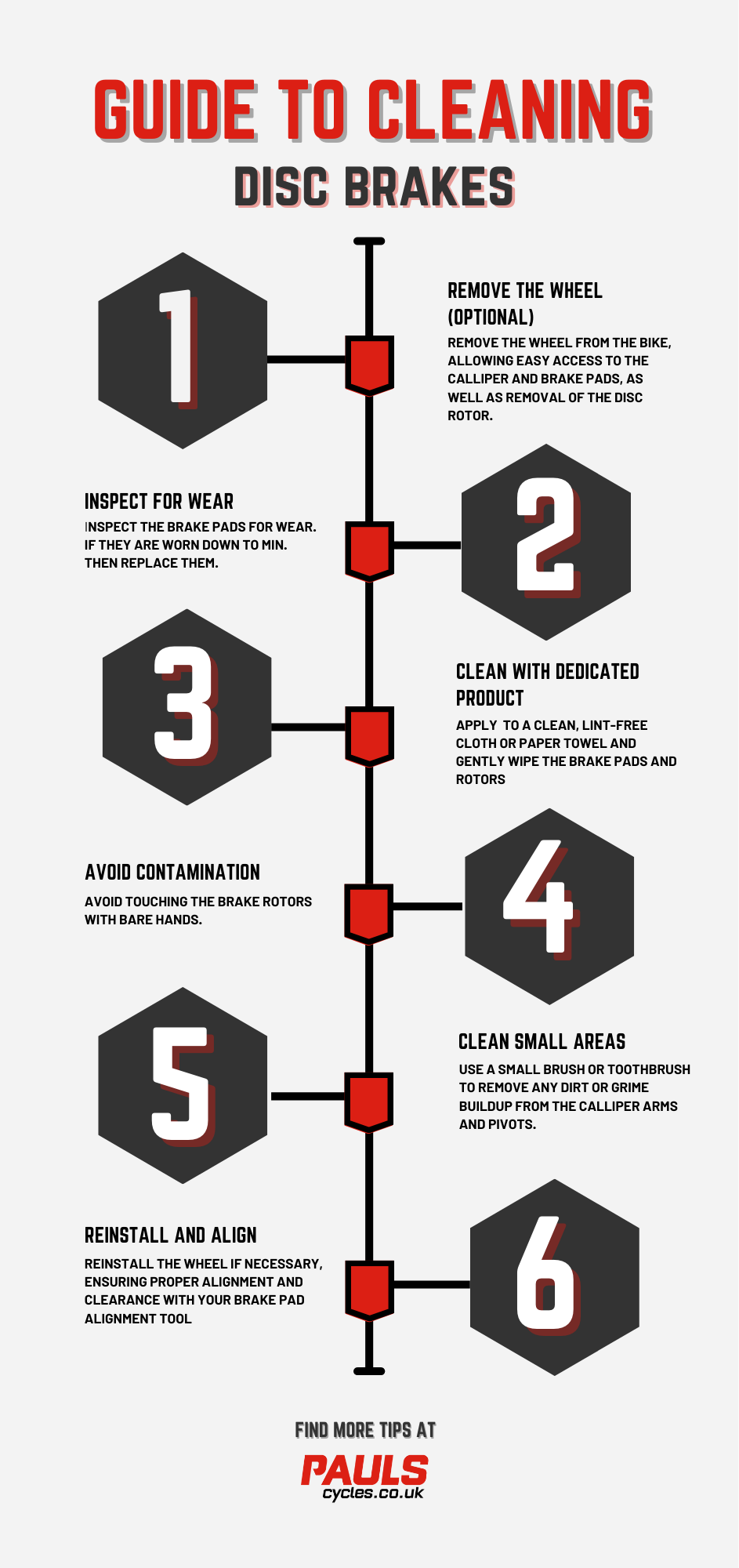
Credit: www.paulscycles.co.uk
Frequently Asked Questions
How Do I Know If My Brake Pads Are Worn Out?
Check the friction material thickness—replace when it’s 1mm or less. Look for signs like squealing, grinding, or reduced braking power. Visual inspection is the best method.
Can I Mix Different Types Of Pads (resin And Metallic) In One Brake?
No, you should not mix pad types in the same caliper. This can cause uneven wear and unpredictable performance. Always use the same type on both sides.
How Can I Make My Brake Pads Last Longer In Wet Conditions?
Clean your bike and brakes after every wet or muddy ride. Use sintered pads—they last longer in harsh conditions. Avoid dragging your brakes; brake hard, then release.
Are Expensive Brake Pads Worth It?
Higher price doesn’t always mean longer life. The right pad material for your riding conditions matters more. Sometimes, mid-priced pads perform better than the most expensive ones.
Where Can I Find More Technical Info About Mountain Bike Brake Pads?
For in-depth technical details, check the Wikipedia page on bicycle brakes, which covers pad materials, designs, and maintenance tips.
Mountain bike brake pad life depends on what you ride, where you ride, and how you care for your bike. By checking your pads often, choosing the right material, and following good habits, you’ll get the most from every set—and ride with greater peace of mind.

Hello Guys! I am John Reese, a professional biker and my hobby is biking! I have been biking for last 12 years and I love using bikes while outing as well. Based on my experiences with the different type of bikes (mountain bikes, road bikes and hybrid bikes); I am sharing my opinion about various bikes so that a beginner can get started right away. Happy reading!