
Mountain biking is thrilling, but it depends on reliable equipment. One crucial part is the disc brake pads. These small components help you stop safely on rocky trails or fast descents. But how long do mountain bike disc brake pads really last? The answer is not simple. Many factors affect their lifespan, from riding style to weather. If you want smooth rides and safe stops, understanding brake pad longevity is essential.
This article looks deep into what impacts brake pad life, how to spot wear, and how to make pads last longer. You’ll find clear examples, practical tips, and useful comparisons. Whether you’re new to mountain biking or ride daily, you’ll learn to judge when it’s time to change your pads—before trouble starts.
What Are Mountain Bike Disc Brake Pads?
Disc brake pads are small blocks made from friction material. They sit inside the brake caliper and press against a metal disc (rotor) to slow the bike. Most mountain bikes use either organic (resin) or metallic (sintered) pads. Some use semi-metallic pads, which mix properties of the other types.
Types Of Disc Brake Pads
- Organic (Resin) Pads: Made from fibers and resins. They are quiet, grip well, and work best in dry conditions.
- Metallic (Sintered) Pads: Made from hardened metal particles. These last longer, resist heat, and perform better in wet or muddy conditions.
- Semi-Metallic Pads: Combine metal and resin. They balance grip, noise, and durability.
Each type wears differently. Organic pads usually wear faster, especially in wet or gritty conditions. Metallic pads last longer but can be noisy and wear rotors faster.
How Do Pads Work?
When you squeeze the brake lever, hydraulic fluid or cable force pushes the pads against the rotor. Friction slows the wheel. Over time, the pad material wears down. If pads get too thin, braking power drops and the rotor can get damaged.
Factors Affecting Disc Brake Pad Lifespan
There is no single answer to “how long do mountain bike disc brake pads last?” It depends on several key factors:
1. Riding Conditions
- Wet or muddy trails: Grit and water speed up pad wear. Mud acts like sandpaper, removing material quickly.
- Dry, clean trails: Pads last longer if you ride in dry weather and avoid mud.
2. Riding Style
- Aggressive downhill: Frequent hard braking heats pads and shortens their life.
- Gentle cross-country: Less braking means pads wear more slowly.
3. Pad Material
Organic pads may last 300–800 miles. Metallic pads often last 600–1,500 miles. Semi-metallic pads are somewhere in between. These are rough averages—actual mileage varies.
4. Rotor Type And Size
Smaller rotors require more pressure, so pads wear faster. Larger rotors spread heat better and reduce pad wear.
5. Brake System Quality
High-end brakes with better cooling and pad contact can extend pad life. Cheap brakes may cause uneven wear.
6. Rider Weight
Heavier riders need more braking power, which wears pads faster.
7. Maintenance Habits
Regular cleaning and correct installation help pads last longer. Neglect leads to faster wear.
Average Lifespan: Real-world Data
Most mountain bikers change pads every 6–12 months. But this depends on mileage, terrain, and pad type. Some riders replace pads after a muddy race. Others ride 2,000 miles before changing.
Here’s a comparison based on pad material and riding style:
| Pad Type | Typical Lifespan (Miles) | Best For |
|---|---|---|
| Organic (Resin) | 300–800 | Dry, smooth trails |
| Metallic (Sintered) | 600–1,500 | Wet, muddy, downhill |
| Semi-Metallic | 400–1,000 | Mixed conditions |
If you ride every weekend, expect to change pads about twice a year. Daily riders may need new pads every 3–4 months.
Signs Your Brake Pads Need Replacing
Knowing when to change pads is vital for safety. Here are the main signs:
1. Pad Thickness
Most pads start at 3–4 mm thick (including backing plate). Replace pads when the friction material is less than 1 mm thick.
2. Reduced Braking Power
If you have to squeeze harder or braking feels weak, pads may be worn.
3. Noise
Squealing, grinding, or metallic sounds suggest pads are thin or contaminated.
4. Visible Damage
Cracks, chunks missing, or uneven wear mean pads should be changed.
5. Glazing
A shiny, hard surface means the pad overheated and lost grip.
6. Rotor Damage
Deep grooves or scoring on the rotor often mean pads are worn out.
It’s smart to check pads every month, especially if you ride often.
How To Inspect Mountain Bike Disc Brake Pads
Checking your pads is simple. Here’s how:
- Remove the wheel for better access.
- Look into the caliper. You’ll see the pad and the rotor.
- Measure pad thickness. Use a ruler or caliper if unsure.
- Check pad surface. Look for glazing, cracks, or uneven wear.
- Spin the wheel. Listen for unusual sounds.
If pads are thin or damaged, replace them. This prevents rotor damage and keeps braking safe.
Common Mistakes That Shorten Pad Life
Many beginners make mistakes that wear pads faster:
- Not cleaning pads and rotors: Dirt reduces pad life. Clean both regularly.
- Using wrong pads: Choose pads for your riding style and weather.
- Dragging brakes: Holding the lever constantly heats pads and wears them out.
- Mixing old and new pads: Always replace both pads at the same time for even wear.
- Ignoring contamination: Oil or grease on pads ruins braking and shortens lifespan.
To extend pad life, avoid these mistakes and follow maintenance routines.
How To Make Disc Brake Pads Last Longer
You can’t avoid wear, but you can slow it down. Here are proven tips:
1. Clean Regularly
Wipe rotors and pads after muddy rides. Use isopropyl alcohol—not bike chain oil.
2. Brake Smart
Use short, firm braking instead of dragging brakes. This keeps pads cooler.
3. Avoid Contamination
Don’t touch pads with greasy hands. Keep lubricants away from brakes.
4. Choose Correct Pads
Pick pads for your terrain. Organic for dry, metallic for wet.
5. Store Bike Properly
Keep your bike indoors. Moisture can cause pads to degrade.
6. Service Brakes
Check pad alignment and caliper position every few months.
7. Use Larger Rotors
If you ride steep hills, bigger rotors mean less pad pressure and longer pad life.
8. Break In New Pads
Ride gently for the first few miles with new pads. This helps them grip better and last longer.
Comparison: Organic Vs Metallic Pads
Choosing the right pad type affects both performance and lifespan. Here’s a quick comparison:
| Feature | Organic (Resin) | Metallic (Sintered) |
|---|---|---|
| Durability | Lower | Higher |
| Noise | Quieter | Louder |
| Grip | Better (dry) | Better (wet) |
| Rotor Wear | Lower | Higher |
| Heat Resistance | Lower | Higher |
| Cost | Lower | Higher |
For most riders, organic pads are fine for local trails. If you ride in rain or go downhill fast, metallic pads are worth the extra cost.
Real-life Examples: Pad Wear Stories
Let’s look at how riders experience pad wear:
- Sarah rides downhill trails every weekend. She uses metallic pads and changes them every 3 months (about 700 miles). Mud and steep slopes wear pads quickly.
- Mike commutes on his mountain bike. He uses organic pads for city riding. Pads last 1,200 miles since he brakes gently and avoids mud.
- Jamal races cross-country. He chooses semi-metallic pads. After a wet race, he needed new pads after just 400 miles.
These stories show how different conditions change pad lifespan.
How To Replace Mountain Bike Disc Brake Pads
Changing pads is a simple task, but it must be done carefully. Here’s a step-by-step guide:
- Remove the wheel.
- Open the caliper using a tool or your fingers.
- Take out the old pads. Most have a small retaining pin or clip.
- Clean the caliper. Remove dust and debris.
- Insert new pads. Make sure they sit flat.
- Reinstall the retaining pin or clip.
- Replace the wheel.
- Pump the brake lever to settle pads against the rotor.
- Test braking before riding.
Always use pads recommended by your brake manufacturer. Avoid cheap, untested brands—they may fail quickly or damage your rotor.

Credit: www.youtube.com
Data: Pad Longevity Vs. Riding Frequency
How often you ride changes pad lifespan. Here’s a data table to help estimate pad changes:
| Riding Frequency | Pad Type | Average Replacement Cycle |
|---|---|---|
| Daily (commuting) | Organic | 3–4 months |
| Weekly (recreational) | Metallic | 6–12 months |
| Racing (intense) | Semi-metallic | 2–3 months |
If you ride more often, check pads monthly and expect to replace them sooner.
Non-obvious Insights: What Most Beginners Miss
- Pad Wear Isn’t Always Visible: Sometimes pads look thick, but the material is glazed and useless. Always check for grip, not just thickness.
- Rotor Wear Impacts Pad Life: If rotors are worn or bent, new pads will wear faster. Replace rotors when they show deep grooves.
- Cooling Fins Help: Pads with metal cooling fins stay cooler and last longer, especially in downhill biking.
- Contaminated Pads Are Dangerous: Oil or brake fluid can ruin pads in minutes. If contaminated, replace immediately—cleaning rarely restores performance.
Credit: www.reddit.com
How Weather Changes Pad Wear
Weather is a major factor. Wet, muddy rides grind pads down quickly. In dry climates, pads last much longer. Dust can also be abrasive, but not as much as mud.
If you live in a rainy area, expect to change pads more often. Riders in dry regions can double pad lifespan compared to those in wet climates.
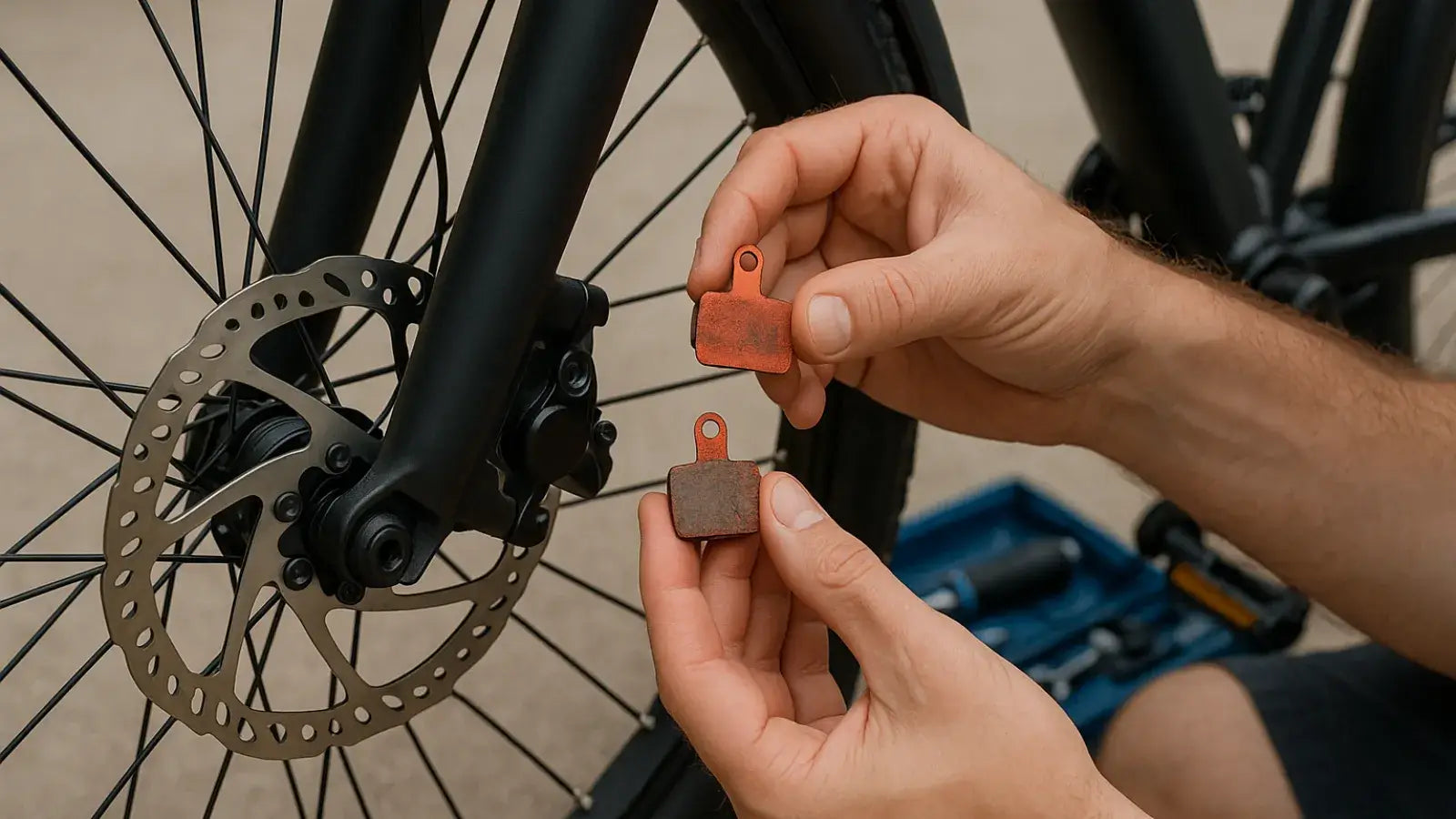
Tips For Buying Long-lasting Pads
When choosing pads:
- Look for high-quality brands (Shimano, SRAM, Magura).
- Read reviews from riders in your region.
- Avoid cheap pads—these often wear out in weeks.
- Match pad material to your riding style and weather.
- Ask your local bike shop for advice.
For detailed pad specifications and latest research, visit BikeRadar.
Credit: leoguarbikes.com
Frequently Asked Questions
How Do I Know When My Mountain Bike Disc Brake Pads Need Changing?
Look for pad thickness below 1 mm, reduced braking power, noise, or visible damage. Check pads monthly if you ride often.
Can I Mix Different Pad Types On The Same Bike?
No. Mixing pad types can cause uneven wear and poor braking. Always use the same type on both sides and match to your rotor.
Do Metallic Pads Damage Rotors More Than Organic Pads?
Yes, metallic pads are harder and can wear rotors faster. If you use metallic pads, check rotors regularly for grooves and replace them as needed.
How Can I Extend The Lifespan Of My Disc Brake Pads?
Clean pads and rotors often, avoid dragging brakes, choose pads for your terrain, and keep brakes free from oil or grease.
Are Expensive Brake Pads Worth The Price?
Usually yes. High-quality pads last longer, grip better, and reduce risk of sudden brake failure. Cheap pads may save money now, but cost more over time.
Mountain bike disc brake pads don’t last forever, but with the right knowledge, you can make them last longer, ride safer, and avoid costly repairs. Regular checks and smart pad choices mean you’ll always have strong, reliable brakes—wherever you ride.

Hello Guys! I am John Reese, a professional biker and my hobby is biking! I have been biking for last 12 years and I love using bikes while outing as well. Based on my experiences with the different type of bikes (mountain bikes, road bikes and hybrid bikes); I am sharing my opinion about various bikes so that a beginner can get started right away. Happy reading!