
Mountain biking is full of adventure, steep climbs, and fast descents. But every ride depends on the parts working smoothly, especially the cassette. Riders often wonder: how long does a mountain bike cassette last? The answer isn’t simple. It depends on your riding style, terrain, maintenance habits, and even the weather. Understanding cassette lifespan helps you avoid sudden breakdowns and keeps your bike running efficiently.
What Is A Mountain Bike Cassette?
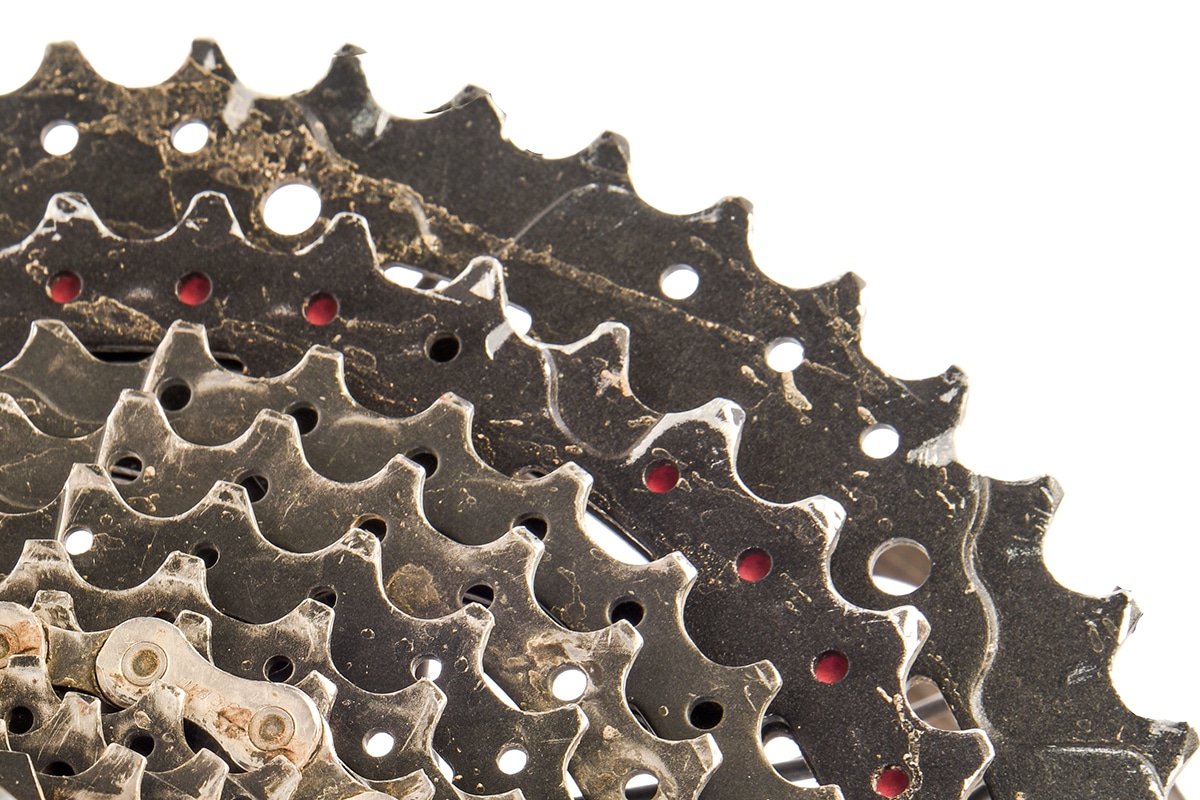
The cassette is a set of sprockets (gears) mounted on the rear wheel hub. When you shift gears, the chain moves across these sprockets to help you pedal easier or harder, depending on the terrain. Most mountain bikes have cassettes ranging from 8 to 12 speeds. The cassette is crucial for smooth shifting and power transfer.
Average Cassette Lifespan: What The Numbers Say
Most riders can expect a mountain bike cassette to last anywhere from 1,500 to 5,000 miles. The range is wide because cassette life depends on several factors. For casual riders (less than 50 miles a week), the cassette might last two to four years. For aggressive or professional riders, it could be much shorter—sometimes less than a year.
Example:
- Casual rider: Rides 30 miles/week, cassette lasts about 3 years (4,680 miles).
- Enthusiast rider: Rides 100 miles/week, cassette lasts about 1.5 years (7,800 miles).
- Downhill racer: Rides hard, cassette may need replacement every season.
These numbers are not exact, but they help set expectations. Some riders get more life, some less, depending on care and conditions.
Credit: mbaction.com
Factors Affecting Cassette Lifespan
1. Riding Conditions
Wet, muddy trails wear out cassettes faster than dry, smooth paths. Dirt and grit act like sandpaper, grinding down the metal teeth.
2. Chain Maintenance
A clean, lubricated chain extends cassette life. A dirty, stretched chain damages the sprockets quickly.
3. Rider Weight And Power
Heavier riders or those who ride aggressively put more force on the cassette, causing faster wear.
4. Shifting Habits
Smooth, gentle shifting is easier on the cassette. Hard, sudden shifts under load (like uphill sprints) wear sprockets faster.
5. Quality Of Cassette
High-end cassettes made from hardened steel or titanium last longer than cheaper, softer models.
Signs Your Cassette Needs Replacing
Knowing when to change your cassette can save your drivetrain. Here are clear signs:
- Skipping gears: Chain jumps or skips when pedaling hard.
- Poor shifting: Difficulty moving between gears, even with adjustments.
- Visible wear: Sprocket teeth look pointed, shark-fin shaped, or uneven.
- Chain slips: Even after a new chain, the bike slips under load.
- Noise: Grinding or clicking sounds during rides.
If you notice two or more signs, it’s likely time for a new cassette.
Cassette Vs. Chain: Which Wears Out First?
The chain usually wears out before the cassette. In fact, replacing your chain regularly can double the life of your cassette. Most experts recommend changing the chain every 1,000–2,500 miles. If you wait too long and the chain stretches, it damages the cassette teeth, forcing you to replace both.
Here’s a comparison of typical lifespans:
| Component | Average Lifespan (Miles) | Replacement Cost |
|---|---|---|
| Chain | 1,000–2,500 | $15–$60 |
| Cassette | 1,500–5,000 | $30–$120 |
| Chainring | 2,000–6,000 | $25–$100 |
Replacing the chain before it wears out is a smart investment. It protects your cassette and saves money in the long run.
How To Extend Cassette Life
A few simple habits help your cassette last longer:
- Clean your chain regularly. Use a chain cleaner and re-lube after muddy rides.
- Avoid cross-chaining. Don’t use the biggest front chainring with the biggest rear sprocket, or the smallest with the smallest. This strains the drivetrain.
- Shift gently. Change gears with light pedal pressure, especially on climbs.
- Check chain stretch. Use a chain wear tool every 500 miles.
- Store your bike indoors. Wet, humid storage causes rust and early wear.
Practical Tip:
If you ride in mud often, rinse your cassette after every ride. A quick spray and wipe can remove grit and keep the teeth sharp.
Comparing Cassette Materials And Models
The material and design of a cassette affect how long it lasts. Here’s a comparison of common types:
| Cassette Material | Durability | Typical Price | Weight |
|---|---|---|---|
| Steel | High | $30–$70 | Heavier |
| Aluminum | Medium | $60–$120 | Lighter |
| Titanium | Very High | $120–$300 | Lightest |
Steel cassettes are common and durable but heavier. Aluminum is lighter but wears faster. Titanium lasts the longest but costs much more. Choosing the right material depends on your budget and riding needs.
Real-life Examples: Cassette Longevity
Example 1: Weekend Trail Rider
Sarah rides once a week on dry trails, about 20 miles per ride. She cleans her chain monthly and replaces it every 1,500 miles. Her steel cassette lasted nearly 4 years (around 4,000 miles) before showing wear.
Example 2: Enduro Racer
Mike rides hard, often in mud and rain. He changes gears aggressively and rarely cleans his chain. His aluminum cassette lasted just 1,200 miles before skipping gears and needing replacement.
Example 3: Commuter
Jake commutes daily, 5 miles each way, in all weather. He maintains his bike well and avoids cross-chaining. His titanium cassette lasted 6,000 miles—almost 3 years.
Non-obvious insight: Riders often forget that cassette wear speeds up dramatically if you wait too long to replace a stretched chain. Even if the cassette looks fine, a late chain change can ruin the sprockets quickly.

Credit: www.reddit.com
Should You Replace Cassette And Chain Together?
Many mechanics recommend changing the cassette when you install a new chain, especially if the old chain was very worn. The reason is simple: a new chain on a worn cassette may not mesh well, causing skipping and poor shifting. If you replace chains early, you can use the same cassette for several chains.
Here’s a quick guide:
- Replace both if chain wear is severe.
- Replace only chain if cassette teeth look normal and shifting is smooth.
- Replace cassette if you notice skipping or shark-fin shaped teeth.
Cassette Replacement: Step-by-step Guide
Replacing a cassette is not hard, but you need the right tools and some patience.
- Remove the rear wheel. Shift to the smallest sprocket, release the brake, and take off the wheel.
- Unscrew the lockring. Use a cassette lockring tool and a chain whip to keep sprockets from spinning.
- Slide off the old cassette. Clean the freehub body.
- Install the new cassette. Align the splines, slide it on, and tighten the lockring.
- Reinstall the wheel. Test for smooth shifting.
If unsure, ask your local bike shop for help. They can check for hidden damage and install everything correctly.
Cassette Upgrades: Is It Worth It?
Upgrading to a better cassette can improve your ride. Higher-end models offer smoother shifting, lighter weight, and longer life. But the upgrade is only worthwhile if your current cassette is worn or you want a specific gear range.
Non-obvious insight: Changing cassette size can affect chain length and derailleur setup. Make sure your derailleur can handle the largest sprocket, or you may need to upgrade it too.
Cassette Lifespan By Riding Style
Different riders wear out cassettes at different rates. Here’s a quick comparison:
| Riding Style | Average Cassette Life (Miles) | Typical Replacement Frequency |
|---|---|---|
| Casual Trail | 3,000–5,000 | Every 2–4 years |
| Downhill/Enduro | 1,000–2,500 | Every season |
| Commuting | 4,000–6,000 | Every 2–3 years |
| Cross-country Racing | 1,500–3,000 | Yearly |
The numbers show that riding style matters more than the cassette itself. Aggressive riding, bad weather, and poor maintenance shorten lifespan.

Credit: www.youtube.com
Common Mistakes That Shorten Cassette Life
Many beginners make mistakes without realizing it:
- Ignoring chain wear: Waiting too long to replace the chain ruins cassette teeth.
- Skipping cleaning: Mud and grit speed up wear.
- Wrong gear combos: Cross-chaining damages both chain and cassette.
- Using wrong lubricant: Sticky or dirty lube attracts grit.
- Over-tightening lockring: Damages threads or sprockets.
Avoid these mistakes to get the most from your cassette.
Frequently Asked Questions
How Do I Know If My Cassette Is Worn Out?
Look for shark-fin shaped teeth, skipping gears, poor shifting, and chain slipping. If you see two or more signs, it’s time to replace the cassette.
Can I Use Any Cassette On My Mountain Bike?
No. You need a cassette that matches your hub type, gear count, and derailleur capacity. Always check compatibility before buying.
How Much Does A Mountain Bike Cassette Cost?
Prices range from $30 to $300, depending on material, brand, and gear count. Steel cassettes are cheapest, titanium is most expensive.
Is It Necessary To Replace The Chain With The Cassette?
If your chain is very worn or you notice skipping with a new chain, it’s best to replace both. Early chain replacement lets you keep the cassette longer.
What’s The Best Way To Clean A Cassette?
Use a brush and degreaser after muddy rides. Rinse with water, dry, and re-lube the chain. Avoid high-pressure washers, which push dirt into bearings.
Mountain bike cassettes are tough, but they don’t last forever. With good care and regular checks, you can get the most out of your cassette and avoid problems on the trail. Remember, a clean chain and gentle shifting are your cassette’s best friends. If you want more technical details on cassette types, check the Bicycle Cassette Wikipedia. Happy riding!

Hello Guys! I am John Reese, a professional biker and my hobby is biking! I have been biking for last 12 years and I love using bikes while outing as well. Based on my experiences with the different type of bikes (mountain bikes, road bikes and hybrid bikes); I am sharing my opinion about various bikes so that a beginner can get started right away. Happy reading!