
Choosing the right number of gears for a mountain bike is one of the most confusing decisions for riders. It’s not just about numbers—your ideal setup depends on terrain, fitness level, and riding style. Some people believe more gears always mean better performance, but that’s not true for everyone.
Today, mountain bikes come with a wide range of gear options, from simple single-speed models to advanced bikes with 24 or even 30 gears. Understanding how gears work and which setup fits your needs can make your rides smoother, safer, and much more fun.
Let’s dive deep into how many gears a mountain bike should have, what matters when choosing, and how to avoid common mistakes.
What Are Mountain Bike Gears?
Mountain bike gears are a system that helps riders adjust how hard or easy it is to pedal. This system includes chainrings, cassette cogs, and shifters. The combination of these parts lets you change the gear ratio, making it easier to ride uphill, downhill, or on flat ground.
- Chainrings: These are the front gears attached to the pedals.
- Cassette cogs: Located at the rear wheel, they offer a range of gear sizes.
- Shifters: Controls on the handlebars that move the chain between gears.
Changing gears lets you manage your pedaling effort. For example, a low gear (small chainring, big cog) makes climbing hills easier. A high gear (big chainring, small cog) lets you go faster on flat surfaces.
How Many Gears Do Mountain Bikes Have Today?
Mountain bikes have evolved over the years. In the past, bikes often had triple chainrings (3 upfront) and up to 9 cogs at the back, making 27 gears. Now, most modern mountain bikes use single chainrings with wide-range cassettes.
Typical gear setups today include:
- 1x (One-by): One front chainring, usually 10–12 rear cogs (10–12 gears)
- 2x (Two-by): Two chainrings, usually 10–11 rear cogs (20–22 gears)
- 3x (Three-by): Three chainrings, usually 7–9 rear cogs (21–27 gears)
But the actual number of usable gears is less due to overlapping gear ratios and mechanical limits.
Here’s a comparison of common setups:
| Setup | Front Chainrings | Rear Cogs | Total Gears | Typical Use |
|---|---|---|---|---|
| 1×11 | 1 | 11 | 11 | Modern XC/Trail |
| 2×10 | 2 | 10 | 20 | Cross-country |
| 3×9 | 3 | 9 | 27 | Older MTB |
| Single-speed | 1 | 1 | 1 | Urban/Extreme simplicity |
Why Do Mountain Bikes Have So Many Gears?
Multiple gears help riders adapt to different terrains:
- Steep climbs: Low gears make pedaling easier.
- Fast descents: High gears let you pedal faster.
- Flat trails: Medium gears suit steady riding.
Mountain biking covers varied terrain, often switching from steep hills to rocky paths and fast sections. Having the right gear lets you keep a steady pace and avoid tiring quickly.
Do You Need More Gears Or Fewer?
The ideal number of gears depends on:
- Terrain: Hilly trails need more range.
- Fitness: Strong riders may use fewer gears.
- Bike weight: Fewer gears can mean lighter bikes.
- Maintenance: More gears need more care.
Let’s compare the pros and cons:
| Number of Gears | Advantages | Disadvantages |
|---|---|---|
| Many (20+) |
|
|
| Few (1–11) |
|
|
Understanding Gear Ratios
Gear ratio means how many times the rear wheel turns for each pedal rotation. It’s calculated by dividing the number of teeth on the chainring by the teeth on the cog. Lower ratios are easier for climbing; higher ratios are better for speed.
For example:
- 30T chainring / 42T cog = 0.71 ratio (good for climbing)
- 30T chainring / 11T cog = 2.73 ratio (good for fast riding)
Some beginners focus only on the number of gears, but the gear range is often more important. A 1×12 setup can cover the same range as a 3×9.
Single-speed Mountain Bikes: Who Should Use Them?
A single-speed mountain bike has only one gear. This setup is great for:
- Urban riding
- Beginner trails
- Flat terrain
- Riders who want low maintenance
But single-speed bikes are tough for hills or long rides. You must stand and pedal hard on climbs, which is not ideal for everyone.

Credit: www.reddit.com
1x (one-by) Drivetrains: Modern Standard
Many new mountain bikes use a 1x drivetrain. This means one chainring in front, usually with 10–12 cogs at the back.
Benefits:
- Simpler shifting: No front derailleur to manage.
- Less maintenance: Fewer parts.
- Lighter: Drops weight from extra chainrings.
Drawbacks:
- Limited top-end speed: May run out of high gears on flat roads.
- Chain tension: Needs good setup to prevent chain drops.
A 1x system is best for:
- Trail riding
- Cross-country
- All-mountain
2x And 3x Drivetrains: Traditional Systems
Some mountain bikes still use 2x or 3x drivetrains. These have two or three chainrings up front.
Advantages:
- Wide gear range: Great for steep climbs and fast descents.
- Fine control: More gear choices.
Disadvantages:
- Complex shifting: Must manage front and rear derailleurs.
- More maintenance: Extra parts can break or need adjustment.
- Heavier: Extra chainrings and derailleurs add weight.
2x and 3x are good for:
- Riders who want maximum range
- Touring
- Older bikes
How To Choose The Right Number Of Gears
Choosing the number of gears is not about picking the highest number. Here are key factors:
- Type of terrain: Steep, rocky trails need a wide range.
- Fitness level: Strong riders may prefer fewer gears.
- Bike weight: Fewer gears mean lighter bikes.
- Maintenance needs: Simpler setups are easier to care for.
- Budget: More gears can cost more, both upfront and over time.
Practical Examples
- Beginner on flat trails: A 1×10 or 1×11 is perfect.
- Advanced rider, mixed terrain: A 1×12 or 2×10 setup works well.
- Touring or extreme terrain: 3×9 or 2×11 offers the widest range.
Common Mistakes
- Buying too many gears: Extra gears you never use.
- Ignoring gear range: Focusing only on total number, not usable ratios.
- Not considering maintenance: More gears mean more frequent repairs.
- Overlooking compatibility: New cassettes or chainrings may not fit older bikes.
Comparing Gear Setups: Real-world Data
To see how gear choices affect riding, here’s a comparison:
| Setup | Lowest Gear Ratio | Highest Gear Ratio | Gear Range (%) | Best For |
|---|---|---|---|---|
| 1×12 (32T front, 10-50T rear) | 0.64 | 3.20 | 500 | Modern MTB |
| 2×10 (24/38T front, 11-36T rear) | 0.67 | 3.45 | 515 | XC Racing |
| 3×9 (22/32/44T front, 11-34T rear) | 0.65 | 4.00 | 615 | Touring |
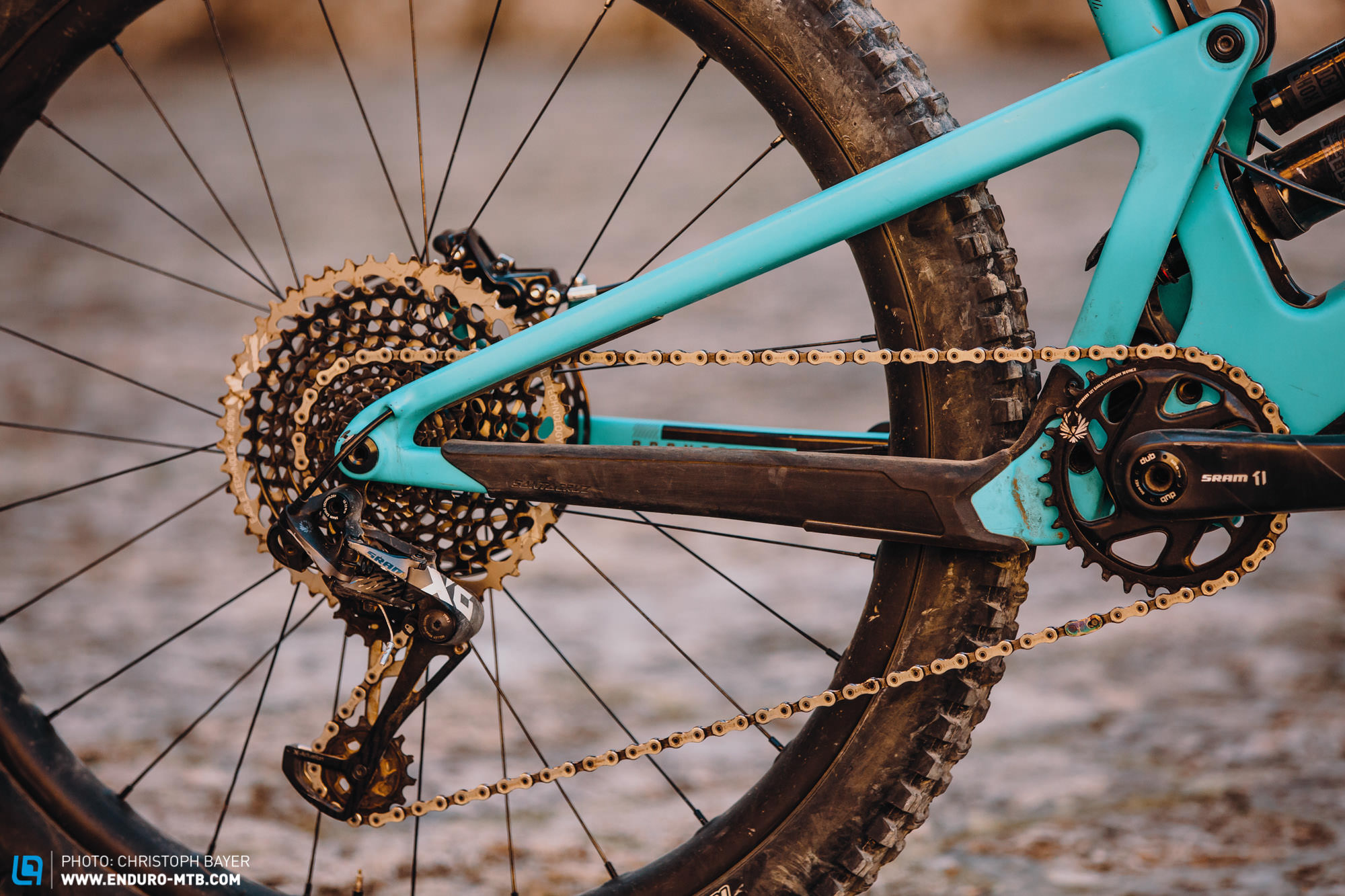
This data shows that new 1×12 setups can match the range of older systems, but 3×9 still offers the widest range.
Credit: enduro-mtb.com
Gear Trends: What Are Pros Using?
Professional mountain bikers now mostly use 1×12 drivetrains. This setup is lighter, simple, and covers almost all terrain. In the 2022 UCI Mountain Bike World Cup, over 90% of riders used 1x systems. Only a few used 2x setups for special events.
Gear Choices For Different Riding Styles
Cross-country (xc)
- 1×12 or 2×10
- Wide range for fast and technical riding
- Lightweight and efficient
Trail/all-mountain
- 1×12
- Simple shifting
- Good for mixed terrain
Downhill
- 1×7 or 1×10
- Fewer gears, stronger parts
- Focus on durability
Enduro
- 1×12
- Wide range for climbs and descents
Touring Or Bikepacking
- 2×10 or 3×9
- Maximum range for loaded bikes

Credit: cyclejourneys.co.nz
Maintenance And Durability
More gears mean more parts to clean, adjust, and replace. A 1x system is easier to maintain and often lasts longer. If you ride in muddy or sandy conditions, fewer gears can be a big advantage.
How Gear Choices Affect Bike Weight
Every chainring, cog, and derailleur adds weight. For example:
- A 1×12 drivetrain can be 250–400 grams lighter than a 2x or 3x setup.
- Less weight improves handling and speed, especially uphill.
But some riders prefer extra gears even if the bike is heavier, because they need the range.
Compatibility: Can You Upgrade Your Bike?
Not all bikes can switch between gear setups. Frame spacing, derailleur mounts, and shifters must fit the new system. Many older bikes cannot use wide-range cassettes or single chainrings. Always check compatibility before upgrading.
Is Gear Number The Most Important Factor?
It’s easy to focus on the number, but gear range, durability, and ease of use matter more. Beginners often miss that two bikes with 12 gears can ride very differently. It’s the ratio and spacing of gears that make the real difference.
For example, a 1×12 with a 10-50 cassette covers almost all needs, while a 2×10 with close ratios is better for racing.
Two Non-obvious Insights
- Gear overlap: Many gears in 2x or 3x setups are almost the same in ratio. Riders use only a few unique gears. So, having more gears does not always mean more choice.
- Chainline efficiency: Fewer gears with a single chainring keep the chain straighter, reducing wear and improving power transfer. Many riders find single chainring bikes feel smoother.
Real-life Gear Selection Tips
- Test ride bikes with different setups before buying.
- Ask local riders about their gear choices for your trails.
- Don’t be afraid to start simple; you can always upgrade later.
- If you’re unsure, choose a 1×11 or 1×12—these fit most modern needs.
How Gear Choices Affect Riding Experience
The right number of gears makes biking enjoyable. If you have too few, you may struggle on hills. Too many, and you might feel confused or spend more time fixing parts. The best setup is one you can use easily, without thinking too much.
Should Kids And Beginners Use Fewer Gears?
Yes. Simpler bikes are easier to learn. A 1x or single-speed helps beginners focus on handling and balance. As skills improve, more gears can be added.
Environmental And Cost Considerations
Fewer gears mean less metal and plastic, so they are better for the environment. Maintenance is cheaper. But high-end wide-range cassettes can cost more upfront.
How Gear Number Affects Resale Value
Bikes with modern 1x setups sell easier. Old 3x bikes may be harder to sell unless they are well maintained. If you plan to upgrade or resell, choose a popular gear setup.
Frequently Asked Questions
How Do I Know If I Need More Gears?
If you struggle with hills or can’t go fast on flat trails, you might need more gears. Consider your fitness and terrain. If you often ride in mixed terrain, choose a setup with at least 10–12 gears.
Can I Upgrade My Bike From 2x Or 3x To 1x?
Sometimes, but not always. Check if your bike’s frame and derailleur can fit a wide-range cassette. You may need new shifters and chainrings. Ask a local bike shop for help.
Is A Single-speed Mountain Bike Good For Beginners?
Yes, if you ride on flat or gentle trails. Single-speed bikes are easy to use and maintain. But they are not suitable for steep climbs or long rides.
How Often Should I Maintain My Gears?
Clean and lubricate your gears every 2–3 weeks if you ride often. Check for wear every few months. More gears mean more frequent maintenance.
What Is The Best Gear Setup For Mountain Biking?
For most riders, a 1×11 or 1×12 setup is best. It’s simple, covers most terrain, and is easy to maintain. But advanced or touring riders may prefer more gears.
If you want to learn more about mountain bike gears, visit Wikipedia for deeper technical details.
Choosing the right number of gears is about matching your bike to your needs. Don’t let marketing or numbers confuse you. Focus on gear range, simplicity, and compatibility. With the right setup, your mountain biking will be easier, more fun, and safer.

Hello Guys! I am John Reese, a professional biker and my hobby is biking! I have been biking for last 12 years and I love using bikes while outing as well. Based on my experiences with the different type of bikes (mountain bikes, road bikes and hybrid bikes); I am sharing my opinion about various bikes so that a beginner can get started right away. Happy reading!