
The world of mountain biking is full of excitement, adventure, and new challenges. But before you hit the trails, one big question stands out: How much does a mountain bike cost? If you’re searching for the right bike, price matters. You want a bike that fits your budget and your riding style, but the choices can feel overwhelming.
This guide will help you understand mountain bike prices, what affects them, and how to make smart decisions as you shop. We’ll look at different types of bikes, price ranges, and the features that drive cost. Whether you’re a beginner or an experienced rider, you’ll find clear answers and practical tips.
Get ready to discover the real cost of mountain biking—and what you need to know before you buy.
What Makes Mountain Bike Prices So Different?
Walk into any bike shop, and you’ll see mountain bikes costing anywhere from $300 up to $10,000 or more. Why such a big range? Several factors influence the price:
- Bike type: Different mountain bikes are built for different uses.
- Frame material: Aluminum, carbon fiber, steel, and titanium each have unique costs.
- Components: Gears, brakes, suspension, and wheels all affect price.
- Brand reputation: Well-known brands often charge more.
- Technology: Newer tech means higher prices.
Let’s break these down so you can see what you’re really paying for.
Bike Type
Mountain bikes come in several main styles. Each type affects the cost:
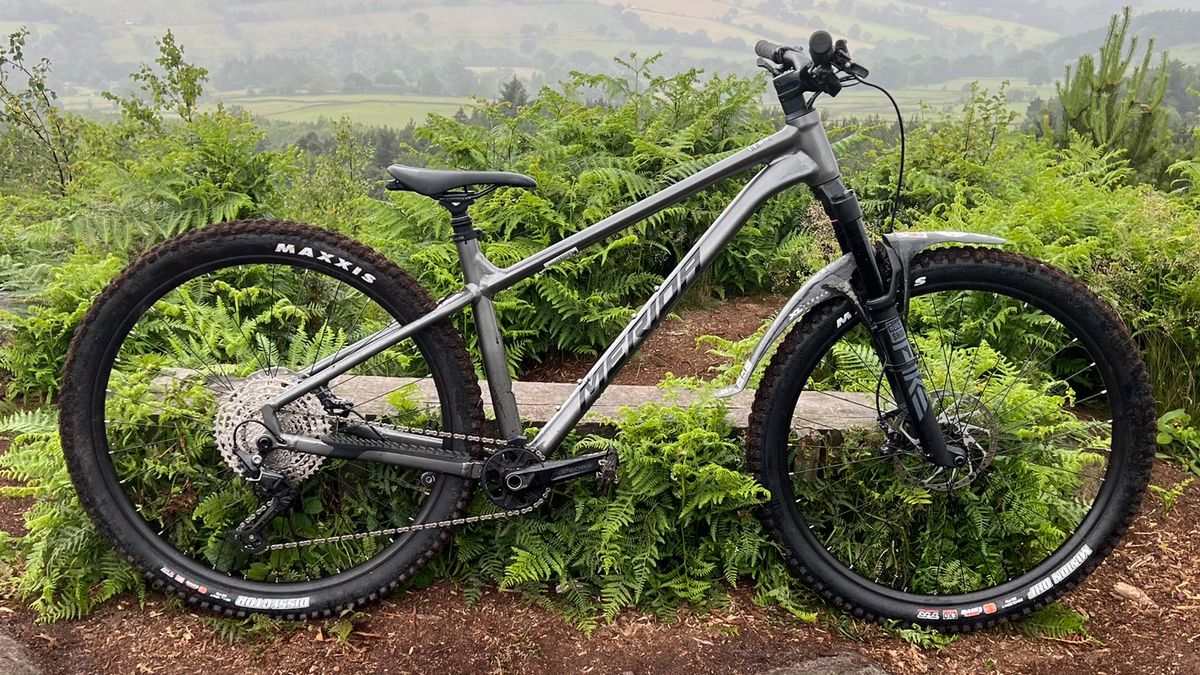
- Hardtail: Front suspension only, usually less expensive.
- Full suspension: Front and rear suspension, often pricier.
- Fat bikes: Wide tires for snow or sand, niche pricing.
- Electric mountain bikes (eMTB): Motors and batteries add cost.
Frame Material
The frame is the backbone of your bike. Materials matter:
- Aluminum: Lightweight, affordable, most common for entry and mid-level bikes.
- Carbon fiber: Super light, strong, expensive, popular in high-end bikes.
- Steel: Durable, heavier, usually seen in budget or custom bikes.
- Titanium: Very light and strong, but rare and costly.
Components
Quality parts mean better performance—and higher prices:
- Suspension: Good suspension costs more.
- Drivetrain: The gears and derailleurs; top brands like Shimano and SRAM are pricier.
- Brakes: Hydraulic disc brakes cost more than mechanical ones.
- Wheels and tires: Strong, lightweight wheels add to cost.
Brand Reputation
Companies like Trek, Specialized, and Santa Cruz are famous for quality, but you pay for the name. Lesser-known brands may offer similar bikes for less.
Technology
Modern bikes use advanced engineering, like:
- Tubeless tires
- Dropper seat posts
- Integrated electronics
These features add value but also boost the price.
Entry-level Mountain Bikes: What You Get For $300–$800
If you’re new to mountain biking, entry-level bikes are a good place to start. These bikes are affordable, but you’ll need to understand what you’re getting.
| Price Range | Features | Ideal For |
|---|---|---|
| $300–$500 | Basic aluminum frame, front suspension, mechanical disc brakes | Beginners, casual riding |
| $500–$800 | Better suspension, upgraded drivetrain, lighter wheels | Beginner trails, occasional use |
At this level, you’ll likely find hardtail bikes, with just a front suspension fork. Frames are usually aluminum, which keeps weight and cost down. Don’t expect advanced features—these bikes aim for simple, reliable performance.
Common Entry-level Brands
- Giant
- Trek
- Specialized
- Cannondale
Is Cheap Always Best?
Beginners often think cheaper is better. But very low-cost bikes can have issues:
- Heavier frames
- Weak brakes
- Limited gear range
- Poor suspension
If you plan to ride often, it’s smart to spend a little more for better quality. You’ll enjoy the ride more and avoid expensive repairs.

Credit: mbaction.com
Mid-range Mountain Bikes: $800–$2,500
Most recreational riders and hobbyists shop in this price range. You’ll find more features, better components, and a wider selection.
| Price Range | Frame Material | Suspension | Brakes | Extras |
|---|---|---|---|---|
| $800–$1,500 | Aluminum, some carbon | Improved front or basic full suspension | Hydraulic disc brakes | Better drivetrain, tubeless-ready wheels |
| $1,500–$2,500 | High-quality aluminum, carbon fiber | Advanced full suspension | High-end hydraulic brakes | Dropper posts, lightweight components |
What Makes Mid-range Bikes Different?
- Lighter frames: Easier to handle on trails.
- Better suspension: Smoother rides, more control.
- Durable parts: Less maintenance, longer life.
- Extra features: Dropper posts, tubeless tires, stronger wheels.
Who Should Buy Mid-range?
If you ride every week, tackle varied trails, or want a bike that lasts, mid-range bikes are a solid investment. You’ll notice a big jump in quality compared to entry-level models.
Hidden Costs
Here’s something many riders miss: mid-range bikes often need upgrades. You may want better tires or a new seat, which adds to your total cost. Consider this when budgeting.
High-end Mountain Bikes: $2,500–$10,000+
If you’re serious about mountain biking, you’ll look at high-end bikes. These bikes are designed for performance, speed, and demanding trails.
| Price Range | Frame Material | Suspension | Components | Weight |
|---|---|---|---|---|
| $2,500–$5,000 | Carbon fiber, premium aluminum | Top-level full suspension | Professional-grade brakes, drivetrain | Low (22–28 lbs) |
| $5,000–$10,000+ | High-grade carbon, titanium | Custom suspension, race-ready setup | Elite components, wireless shifting | Ultra-low (20–24 lbs) |
What You’re Paying For
- Advanced engineering: Every part is optimized for speed and durability.
- Premium materials: Carbon fiber and titanium are expensive but strong.
- Elite components: Light, precise, and often wireless.
- Brand prestige: High-end brands like Santa Cruz and Pivot.
Are High-end Bikes Worth It?
For most riders, high-end bikes are overkill. But for racers, advanced trail riders, and those who demand the best, these bikes deliver unmatched performance.
Two Non-obvious Insights
- Resale value: High-end bikes hold their value better. If you upgrade later, you can sell for a good price.
- Customization: At this level, you can order custom builds—something rarely available with cheaper bikes.
Electric Mountain Bikes (emtb): $2,000–$8,000+
Electric mountain bikes are growing fast. They blend regular biking with motorized support, letting you tackle tougher trails and longer rides. But they come at a cost.
What Drives Emtb Prices?
- Battery capacity
- Motor power
- Frame strength
- Weight management
- Component quality
Typical Price Ranges
- Entry-level eMTB: $2,000–$3,500 (basic battery, lower power)
- Mid-range eMTB: $3,500–$6,000 (stronger motor, better suspension)
- High-end eMTB: $6,000–$8,000+ (top batteries, advanced features)
Is An Emtb Right For You?
If you want to ride farther or need help with hills, an eMTB is a smart choice. But remember, maintenance and battery replacement add extra costs over time.
Mountain Bike Costs By Category: Quick Comparison
Let’s compare mountain bike types and their average prices.
| Bike Type | Average Price | Main Features |
|---|---|---|
| Hardtail | $500–$1,500 | Front suspension, lighter, affordable |
| Full Suspension | $1,500–$5,000 | Front and rear suspension, smoother ride |
| Fat Bike | $900–$3,000 | Extra-wide tires for snow/sand |
| eMTB | $2,000–$8,000 | Motorized, battery-powered |
Important Factors That Change The Price
1. Frame Material
- Aluminum: Cheapest, light, strong.
- Carbon fiber: Costly, very light.
- Steel: Affordable, heavy.
- Titanium: Premium, rare.
2. Suspension
- Hardtail: Cheaper, easy maintenance.
- Full suspension: Expensive, more comfortable.
3. Components
High-quality parts mean higher prices. Look for branded brakes and gears.
4. Wheels And Tires
Better wheels last longer and are lighter. Tubeless tires are a modern feature that can increase cost.
5. Brand
Famous brands charge more, but you may get better support and warranty.
6. Technology
Features like wireless shifting, integrated displays, and custom setups add to the cost.
7. Extras
- Dropper seat posts
- Tubeless tires
- Custom paint
- Electronic shifting
These extras are common in mid- and high-end bikes.
What Should You Spend? Choosing The Right Price For Your Needs
Finding the right mountain bike is not just about the price tag. Think about your riding style, goals, and budget.
Consider Your Riding Level
- Beginner: $300–$800 is enough for casual riding.
- Intermediate: $800–$2,500 gives you better components and comfort.
- Advanced: $2,500+ is for racing, intense trails, or special needs.
Where Will You Ride?
- Urban parks: Entry-level bikes work fine.
- Forest trails: Mid-range bikes are best.
- Mountain trails: High-end or full suspension models are needed.
How Often Will You Ride?
If you ride often, invest in quality. If it’s just a hobby, stick to lower prices.
Non-obvious Insight
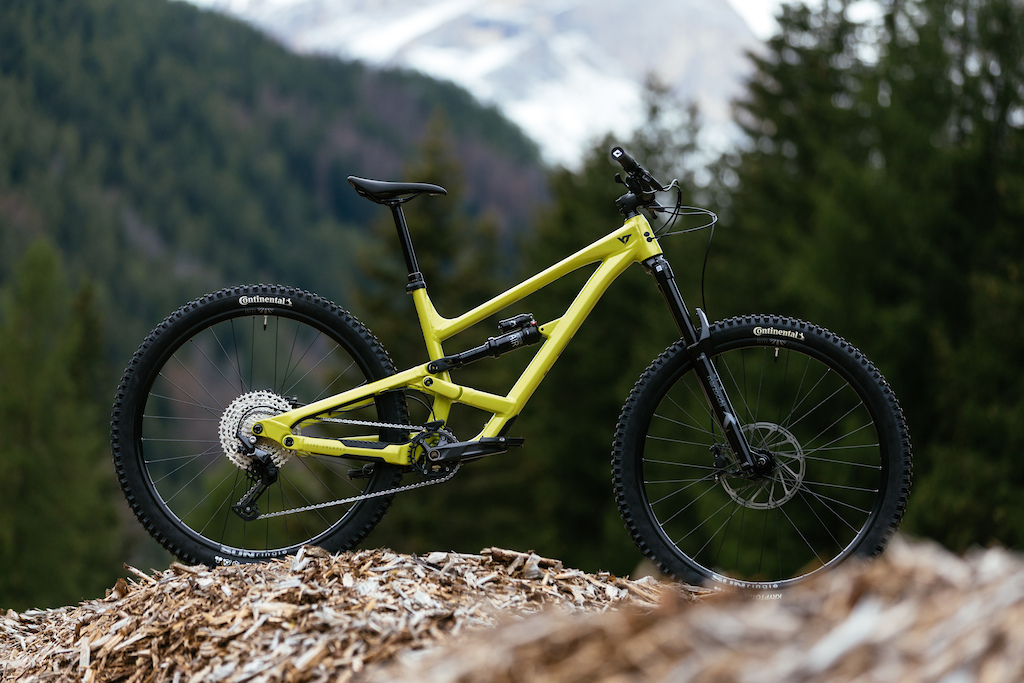
Many riders overlook bike fit. A bike that fits your body well is more important than extra features. Visit a shop, try bikes, and ask about fitting—don’t just buy online.
Credit: www.pinkbike.com
Common Mistakes When Buying A Mountain Bike
Buying a mountain bike is a big decision. Here are mistakes to avoid:
- Buying the cheapest bike: Low-quality bikes often need repairs.
- Ignoring fit and size: Wrong size leads to discomfort and injuries.
- Overpaying for features you won’t use: Don’t buy a racing bike if you ride easy trails.
- Skipping the test ride: Always try before you buy.
- Not budgeting for accessories: Helmets, gloves, lights, and repairs add up.
Additional Costs To Consider
The bike price is just the start. You’ll need other gear and maintenance.
Essential Accessories
- Helmet: $40–$150
- Gloves: $20–$50
- Lights: $20–$100
- Water bottle and cage: $15–$30
- Pump: $25–$60
Maintenance
- Tune-up: $50–$100 per year
- Parts replacement: Tires, brakes, and chains wear out.
Insurance
Some riders insure their bikes, especially expensive models. Rates vary by location and value.
Storage And Transport
Bike racks, locks, and storage solutions add extra cost. Plan ahead.
Credit: www.bikeperfect.com
How To Save Money When Buying A Mountain Bike
1. Buy Last Year’s Model
Older models are often discounted. You get good features for less money.
2. Shop Used
Used bikes can be much cheaper. Check for wear and ask about maintenance history.
3. Wait For Sales
Many shops offer discounts during holidays or end-of-season sales.
4. Consider Lesser-known Brands
Smaller brands sometimes offer better value.
5. Don’t Overbuy
Stick to your real needs. Fancy features are fun, but they aren’t always necessary.
Where To Buy Mountain Bikes
You can buy mountain bikes in several places:
- Local bike shops: Good for fitting, advice, and support.
- Online retailers: Often cheaper, but you miss personal service.
- Secondhand markets: Craigslist, Facebook Marketplace, and local ads.
Look for trusted sellers and ask questions. Check reviews and compare prices.
For more tips on buying bikes, see this REI Bike Buying Guide.
Is It Worth Investing In A Mountain Bike?
Mountain biking is fun, healthy, and offers a sense of adventure. But is it worth the cost?
- If you ride regularly, a good bike pays off in comfort and performance.
- If you ride rarely, cheaper models are fine.
- For young riders or teens, entry-level bikes make sense. Upgrade as skills grow.
Mountain bikes also hold their value—especially mid and high-end models. You can upgrade or sell later.
Experience-based Insight
Most riders regret buying a bike that’s too cheap or too expensive for their needs. Think about your goals, not just the price.
Frequently Asked Questions
How Much Should A Beginner Spend On A Mountain Bike?
A beginner should expect to spend $300–$800. This price range offers reliable bikes for casual riding and basic trails. Avoid anything cheaper, as quality drops and repairs can cost more in the long run.
What’s The Difference Between A $500 Bike And A $2,000 Bike?
A $500 bike usually has an aluminum frame, basic suspension, and entry-level components. A $2,000 bike offers lighter materials, better suspension, hydraulic brakes, and advanced features like tubeless tires or dropper posts. The ride quality and durability are much higher.
Are Expensive Mountain Bikes Always Better?
Not always. Expensive bikes have better materials and features, but you should match the bike to your needs. A high-end race bike isn’t necessary for easy trails. Comfort, fit, and reliability matter more than price alone.
Can I Upgrade A Cheap Mountain Bike?
You can upgrade parts like tires, seats, and handlebars. But low-end bikes often have weak frames and basic suspension, so upgrading may not fix major issues. It’s usually smarter to buy a mid-range bike upfront if you plan to improve over time.
What Is The Average Cost Of Maintaining A Mountain Bike?
Maintenance costs depend on usage. For most riders, basic maintenance is $50–$100 per year, plus parts replacement (tires, chains, brakes). High-end bikes can cost more due to complex parts.
Final Thoughts
Choosing a mountain bike is about balance—between price, quality, and your needs. The cost ranges from $300 to $10,000+, with most riders finding good value between $800 and $2,500. Look beyond the price tag. Consider frame material, suspension, components, and fit.
Don’t forget accessories and maintenance.
A mountain bike is more than a purchase; it’s an investment in your health and happiness. Shop smart, ask questions, and make sure your new bike fits your goals and your budget. With the right knowledge, you’ll get the best ride for your money—and many adventures ahead.

Hello Guys! I am John Reese, a professional biker and my hobby is biking! I have been biking for last 12 years and I love using bikes while outing as well. Based on my experiences with the different type of bikes (mountain bikes, road bikes and hybrid bikes); I am sharing my opinion about various bikes so that a beginner can get started right away. Happy reading!