
Choosing the right mountain bike can be exciting, but making sure it fits you is even more important. A mountain bike that fits well feels more comfortable, performs better, and keeps you safe on rough trails. Many new riders focus on price, color, or brand, but miss the key: proper bike fit. This guide will help you understand exactly how a mountain bike should fit, what measurements matter, and which adjustments you can make for the best ride. Whether you’re buying your first bike or upgrading, getting the fit right will transform your experience on the trail.
Why Mountain Bike Fit Matters
A good mountain bike fit is more than just comfort—it affects your control, efficiency, and safety. If your bike is too big or small, you’ll tire quickly and risk injury. A proper fit allows for better handling on technical terrain, lets you pedal efficiently, and reduces aches in your back, knees, and hands. Even small adjustments can make a big difference in confidence and skill, especially as you progress on more difficult trails.
Key Measurements For Mountain Bike Fit
Understanding a few basic measurements is the first step to finding your ideal mountain bike fit. These numbers will help you compare different bikes and sizes.
1. Frame Size
Frame size is usually measured in inches or as Small (S), Medium (M), Large (L), etc. It’s based on the length of the seat tube (from the bottom bracket to the top of the seat tube) or reach (horizontal distance from the saddle to the handlebars).
Most manufacturers provide a sizing chart. However, these are just starting points—your height and leg length (inseam) matter more. For example, a rider who is 5’7” to 5’10” might fit a Medium, but leg and arm length can shift the ideal size.
2. Reach And Stack
Reach is the horizontal distance from the center of the bottom bracket to the center of the head tube at the top. Stack is the vertical distance between those points. These numbers control how stretched or upright you’ll sit.
Modern mountain bikes often have a longer reach for stability on descents. Stack height affects your posture: a higher stack means a more upright position, which is more comfortable for longer rides, while a lower stack is more aggressive for racing.
3. Standover Height
Standover height is the distance from the ground to the top tube, right in front of the saddle. You should be able to stand over the bike with both feet flat on the ground, and have at least 1–2 inches of clearance. This helps you hop on and off quickly, and prevents injury if you slip forward.
4. Effective Top Tube Length
This is the horizontal distance from the head tube to the seat post. It affects your reach to the handlebars and overall posture. Too short, and you’ll feel cramped; too long, and you’ll be stretched out, causing back or neck pain.
5. Wheelbase
The wheelbase is the distance between the centers of the front and rear wheels. A longer wheelbase gives more stability at high speed but is harder to turn in tight spaces. Shorter wheelbases are more nimble but less stable.
Here’s a quick reference for common fit measurements by rider height:
| Rider Height | Frame Size | Standover Height |
|---|---|---|
| 5’0″–5’4″ | Small (15–16″) | 27–29″ |
| 5’5″–5’9″ | Medium (17–18″) | 29–31″ |
| 5’10″–6’1″ | Large (19–20″) | 31–33″ |
| 6’2″–6’4″ | X-Large (21–22″) | 33–35″ |
How To Measure Yourself For A Mountain Bike
Before you try bikes, you’ll need two key body measurements:
- Height: Stand straight without shoes, back against a wall, feet flat.
- Inseam: Measure from the floor to the crotch while standing straight.
Multiply your inseam (in inches) by 0. 65 to get a rough idea of the right frame size for a hardtail mountain bike. For full-suspension bikes, subtract about 1 inch from that number.
Example: If your inseam is 30 inches: 30 × 0.65 = 19.5 inches (frame size).
But remember, this is a starting point. Always test the bike in person.
Stand-over, Reach, And Real-world Fit
Numbers are useful, but the real test is how the bike feels. Here’s how to check key fit points in a bike shop or demo:
Standover Test
- Straddle the top tube with both feet flat.
- Check for at least 1–2 inches of space between you and the tube.
- On sloped top tubes (common on trail bikes), check clearance at the lowest point.
Reach Test
- Sit on the saddle and grip the handlebars.
- Your arms should be slightly bent, not locked out.
- You shouldn’t feel stretched or crowded.
- You should be able to lift the front wheel slightly without straining.
Saddle Height
- With the pedal at its lowest point, your leg should be almost straight (with a small bend).
- Too high, and you’ll rock your hips.
- Too low, and your knees will ache.
Handlebar Position
- You should be able to reach the bars comfortably, with a relaxed shoulder.
- For technical trails, a slightly higher bar can give better control.
Adjusting Your Mountain Bike For The Perfect Fit
Even the best frame may need small tweaks. Here’s how to fine-tune your fit:
Saddle Adjustments
- Height: Set so your knee is slightly bent at the bottom of the pedal stroke.
- Fore-aft: Move saddle forward or back so your knee is over the pedal axle when the crank is horizontal.
- Tilt: Start with a level saddle, then fine-tune for comfort (slight downward tilt can help some riders).
Handlebar Adjustments
- Stem length: Shorter for more control, longer for stretched-out fit.
- Bar width: Wider bars offer more stability, but too wide can strain shoulders.
- Bar height: Raise for comfort, lower for aggressive riding.
| Riding Style | Stem Length | Bar Width |
|---|---|---|
| Trail | 40–60 mm | 740–780 mm |
| Cross-country | 60–100 mm | 700–740 mm |
| Downhill/Enduro | 30–50 mm | 760–800 mm |
Suspension Setup
- Set sag (the amount the suspension compresses under your weight) to 25–30% for the rear, 20–25% for the front.
- Check rebound (how fast the shock returns) for your riding style and weight.
- Adjusting suspension can change your effective reach and height—always recheck your fit after making changes.
Pedal And Shoe Position
- Use clipless pedals for more power, flat pedals for easy stepping off.
- Shoes should fit snugly, not tight.
Common Fit Mistakes (and How To Avoid Them)
Even experienced riders make fit mistakes that can ruin a ride. Here are a few to avoid:
- Choosing by frame size only: Don’t rely on “Medium” or “Large.” Check reach, stack, and try in person.
- Ignoring standover height: Clearance is essential for safety, especially on technical trails.
- Copying pros: Pro riders have different flexibility and riding style. Fit your bike to your body, not theirs.
- Setting saddle too high or low: Leads to knee, hip, and back pain.
- Handlebars too wide or narrow: Causes shoulder and wrist pain.
- Forgetting suspension setup: Incorrect sag or rebound changes your position.
- Not adjusting after upgrades: New parts can change the fit—always recheck.
Fit For Different Mountain Bike Styles
Different mountain bikes need different fits. Here’s how the type of riding affects your fit:
Cross-country (xc)
- More upright position for longer rides.
- Slightly longer stem and narrower bars.
- Saddle higher for pedaling efficiency.
Trail
- Balanced position for climbing and descending.
- Medium stem, wide bars.
- Lower saddle for descents, higher for climbs (dropper post recommended).
Enduro/downhill
- More aggressive, forward-leaning position.
- Shortest stem, widest bars.
- Lower saddle for control.
| Bike Type | Typical Fit Focus | Key Adjustment |
|---|---|---|
| Cross-Country | Efficiency | Saddle height |
| Trail | Versatility | Stem and bar width |
| Enduro/Downhill | Control | Bar width, saddle drop |
Test Rides: The Best Way To Check Fit
Nothing replaces a test ride. Most bike shops let you try different sizes and models. Here’s what to look for:
- Ride on flat ground and small obstacles.
- Try standing climbs and seated spins.
- Notice if you feel in control, relaxed, and able to shift weight easily.
- If you feel any pain or strain in your hands, shoulders, back, or knees, the fit needs work.
Non-obvious tip: Try test riding at the end of the day when you’re a little tired. If the bike still feels comfortable, you’ve likely found a good fit.

Credit: www.singletracks.com
Women’s And Kids’ Mountain Bike Fit
Women and kids often need different fits. Women may have shorter torsos, longer legs, and smaller hands. Many brands offer women’s-specific geometry with shorter top tubes, narrower bars, and lighter frames. Kids’ bikes should be light enough for them to lift and have brake levers they can reach easily.
If a women’s or kids’ model doesn’t fit, don’t be afraid to try unisex options—choose what feels best.
Fine-tuning Over Time
Your ideal fit can change as you ride more. Flexibility, strength, and riding style all evolve. Check your fit once or twice a year, especially after adding new parts or changing shoes. Many riders benefit from a professional bike fit session, especially if they have pain or performance issues.
Non-obvious insight: Weather and gear also affect fit. Heavier shoes, thick gloves, or a hydration pack can change your position. Make small adjustments as needed.

Credit: www.evo.com
When To Consider A New Frame Size
Sometimes, adjustments can’t solve fit issues. If you’ve maxed out saddle and stem adjustments and still feel cramped or stretched, a different frame size may be necessary. This is especially true if your body has changed (growth, injury, or flexibility changes).
Useful Resources For Mountain Bike Fit
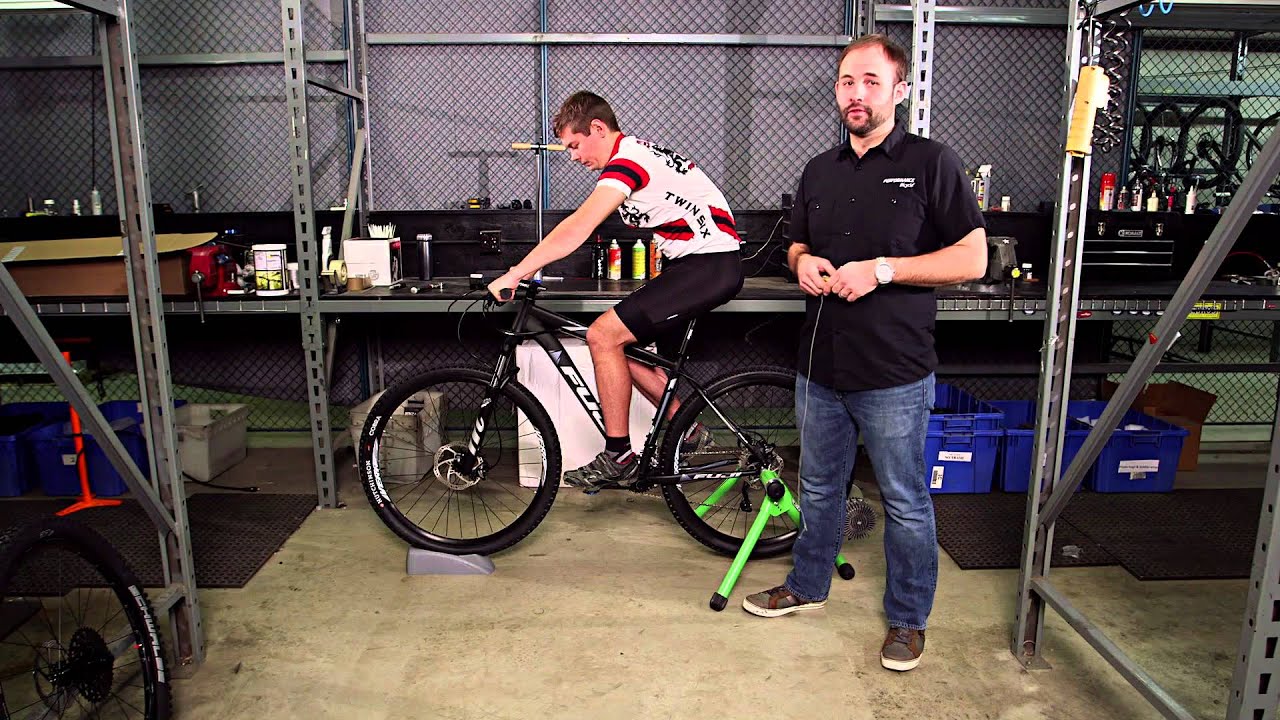
If you want to dive deeper, check out this guide from the REI Co-op, which covers fit basics for all bike types.
Credit: www.youtube.com
Frequently Asked Questions
How Do I Know If My Mountain Bike Is Too Big Or Too Small?
A bike that’s too big will feel hard to control, especially on turns and descents. You’ll stretch too far to reach the handlebars, and your feet may barely touch the ground. If it’s too small, you’ll feel cramped and may hit your knees on the handlebars.
Always check standover height and reach; if you can’t adjust the saddle or stem to fit, try a different size.
Can I Make A Bike Fit Better With Upgrades?
Yes. Swapping the stem, handlebars, saddle, and pedals can improve fit. For example, a shorter stem brings handlebars closer, and a wider bar can add stability. However, there are limits—if the frame size is wrong, upgrades may not be enough.
Should My Feet Touch The Ground When I Sit On The Saddle?
When sitting on the saddle with the pedals at the lowest point, your toes should reach the ground, but not your full foot. For safety on technical terrain, you should be able to quickly step off, but don’t lower the saddle so much that pedaling becomes inefficient.
Is A Professional Bike Fit Worth It For Mountain Biking?
If you ride often or feel pain, a professional fit can be very helpful. A fitter checks your position, flexibility, and even foot placement. They can spot small issues that cause big problems over time.
Do Women Need Women-specific Mountain Bikes?
Not always. Some women prefer women’s-specific bikes because they fit better out of the box (shorter reach, lighter frames). But many women are comfortable on unisex bikes, especially with a few adjustments. The best bike is the one that fits your body and riding style.
Finding the right mountain bike fit takes time, but it’s worth the effort. Test, adjust, and don’t be afraid to ask for help. The right fit means more fun, more control, and fewer injuries—so you can focus on enjoying every ride.

Hello Guys! I am John Reese, a professional biker and my hobby is biking! I have been biking for last 12 years and I love using bikes while outing as well. Based on my experiences with the different type of bikes (mountain bikes, road bikes and hybrid bikes); I am sharing my opinion about various bikes so that a beginner can get started right away. Happy reading!