
Choosing the right mountain bike tire can be confusing, especially if you’re new to biking or shopping for your first replacement. Tire costs range a lot, and you might wonder why some tires are so cheap while others seem expensive. This guide covers everything you need to know about mountain bike tire prices, what affects them, and how to choose the best option for your needs. Whether you ride for fun, commute, or race, understanding tire costs will help you buy wisely and avoid common mistakes.
What Determines Mountain Bike Tire Price?
The price of a mountain bike tire isn’t random. Several factors influence how much you pay, and knowing these can help you make better decisions.
Tire Type
Mountain bike tires come in different types:
- Cross-country (XC): Light, fast, usually less expensive.
- Trail/All-mountain: Balanced for grip and durability, mid-price.
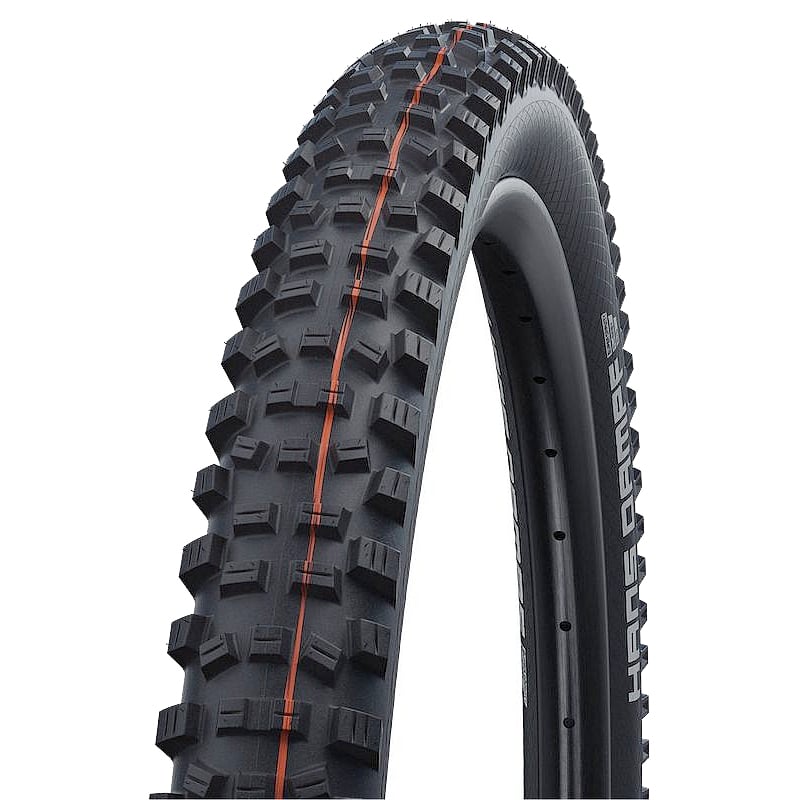
- Downhill: Heavy, tough, usually cost more.
Each type uses different materials and designs, which affect price. For example, downhill tires need stronger rubber and sidewalls, making them pricier.
Materials And Technology
Modern tires use advanced materials:
- Rubber compounds: Soft rubber gives better grip but costs more.
- Tubeless-ready: These work without inner tubes, reducing flats, but their design is more complex and often pricier.
- Kevlar beads: Lighter and foldable, more expensive than steel wire beads.
Some brands use new technology for puncture protection or improved tread. These innovations raise costs, but can make tires last longer or perform better.
Brand Reputation
Big brands like Maxxis, Schwalbe, and Continental are trusted for quality. Their tires often cost more than less-known brands, but you get reliable performance.
Tire Size
Mountain bike tires come in several sizes:
- 26-inch: Older standard, often cheaper.
- 27.5-inch (650b): Modern standard, prices vary.
- 29-inch: Popular for fast rides, sometimes cost more.
Wider tires (like 2. 5–2. 8 inches) need more rubber and reinforcement, which adds to the price.
Retail Location
Where you buy matters. Local bike shops often charge more for service and support. Online retailers can offer discounts, but you may need to pay for shipping.
Table: Typical Price Range By Tire Type
Here’s a quick overview of average prices for different mountain bike tire types.
| Tire Type | Average Price (USD) | Example Brands |
|---|---|---|
| Cross-country (XC) | $25–$55 | Maxxis, Schwalbe, Vittoria |
| Trail/All-mountain | $35–$70 | Continental, WTB, Specialized |
| Downhill | $50–$110 | Maxxis, Michelin, Schwalbe |
How Much Does A Mountain Bike Tire Cost?
The price for a mountain bike tire depends on many factors. But most riders will find tires in these ranges:
- Budget tires: $20–$35. Good for light use, beginners, or casual rides.
- Mid-range tires: $35–$70. Balanced quality and price, suitable for regular riders.
- Premium tires: $70–$110+. Designed for racing, extreme trails, or durability.
Let’s break down the costs further.
Budget Mountain Bike Tires
If you’re new to mountain biking or ride on easy trails, budget tires are enough. These tires usually:
- Use basic rubber compounds
- Have wire beads (heavier)
- Limited tread patterns
You find them at big retailers or online. Brands like Kenda and Sunlite offer affordable options. They’re not the lightest or grippiest, but work for short rides.
Mid-range Mountain Bike Tires
Most riders choose mid-range tires for better performance:
- Better tread design for grip
- Tubeless-ready options
- Lighter materials
Brands like WTB and Continental offer tires in this range. You get a good balance of durability and price. Ideal for trail riders and weekend enthusiasts.
Premium Mountain Bike Tires
Premium tires use advanced features:
- Soft rubber for high grip
- Kevlar beads for weight savings
- Extra puncture protection
These are common with pro-level brands like Maxxis Minion, Schwalbe Magic Mary, and Michelin DH. They cost more, but if you race or ride hard trails, the performance is worth it.
Table: Price Comparison For Popular Tires
Here’s a direct comparison of three popular mountain bike tires.
| Tire Model | Type | Price (USD) | Features |
|---|---|---|---|
| Maxxis Minion DHF | Trail/Downhill | $75–$95 | High grip, tubeless, soft compound |
| Schwalbe Racing Ralph | Cross-country | $52–$65 | Fast rolling, lightweight |
| Kenda K832 | Budget/Trail | $22–$32 | Basic rubber, wire bead |
Why Are Some Mountain Bike Tires So Expensive?
You may wonder why certain tires cost over $100. Here are reasons:
Advanced Rubber Compounds
Soft rubber grips rocks and roots better, but it costs more to produce. These tires wear out faster but give better control.
Complex Tread Patterns
Premium tires have tread designs tested for performance. The research and development behind these patterns increases costs.
Tubeless Technology
Tubeless tires need special construction to prevent leaks. You save money over time (fewer flats), but pay extra upfront.
Weight Reduction
Kevlar beads and lightweight sidewalls reduce the tire’s weight, which makes your bike faster. These materials are pricier than steel wire.
Branding And Pro Endorsements
Big brands sponsor pro riders and races. Their tires carry the reputation, which adds to the price.
Extra Protection
Some tires have built-in puncture protection layers. This technology helps prevent flats, especially on rocky trails, but raises the price.
How To Choose The Right Mountain Bike Tire Within Your Budget
Buying the cheapest tire isn’t always best. Here’s how to choose wisely:
1. Know Your Riding Style
- If you ride on smooth dirt paths, budget tires are fine.
- For rocky or muddy trails, mid-range or premium tires are safer and last longer.
2. Check Tire Size
Your bike frame limits which size you can use. Check your current tire for:
- Diameter (26″, 27.5″, 29″)
- Width (2.0″, 2.4″, 2.6″, etc.)
3. Decide On Tubeless Or Tube-type
Tubeless tires cost more but reduce flats and let you run lower air pressure for grip. If you ride often, the extra cost is worth it.
4. Balance Grip And Speed
Some tires are grippy but slow, others are fast but slippery. Choose based on your terrain:
- Loose, rocky trails: High grip, premium tires.
- Hardpacked dirt: Faster, XC tires.
5. Consider Durability
Cheap tires wear out faster. Spending a bit more up front can save money over time.
6. Shop Around
Compare prices at local shops and online. Sometimes, you’ll find deals or bundles.
Table: What Matters Most For Different Riders
| Rider Type | Key Feature | Recommended Price Range |
|---|---|---|
| Beginner/Casual | Price, basic tread | $20–$35 |
| Trail Enthusiast | Grip, tubeless option | $35–$70 |
| Downhill/Racer | Durability, high grip | $70–$110+ |
Credit: www.jensonusa.com
Common Mistakes When Buying Mountain Bike Tires
Even experienced riders make mistakes when choosing tires. Here are some pitfalls to avoid:
Buying Only Based On Price
Cheapest isn’t always best. Cheap tires can cost you more in the long run if they wear out quickly or cause flats.
Ignoring Tire Size
Buying the wrong size is common. Always check your bike’s manual or current tire markings.
Not Considering Terrain
Some tires work well on dry dirt but fail on mud or rocks. Choose tread pattern based on where you ride.
Overlooking Tubeless Compatibility
If your bike’s wheels aren’t tubeless-ready, buying a tubeless tire won’t help. Check compatibility before buying.
Not Reading Reviews
User reviews give real-world performance info. Sometimes, a tire performs differently than advertised.
Forgetting About Weight
Heavy tires slow you down and make climbing harder. For racing or fast rides, lighter tires are worth the extra cost.
How Long Do Mountain Bike Tires Last?
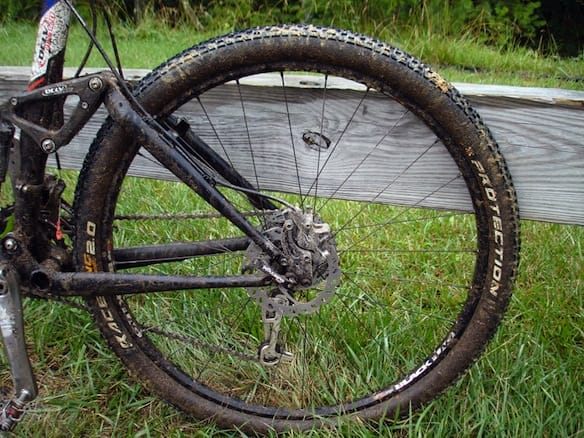
Tire lifespan is another reason to consider price carefully. Cheap tires may last only a few months with regular use. Better tires often last a year or more, depending on riding style and terrain.
- Budget tire: 500–1,000 miles
- Mid-range tire: 1,000–2,000 miles
- Premium tire: 2,000–3,000+ miles
Factors affecting lifespan:
- Riding on sharp rocks or in mud wears tires faster.
- Aggressive braking causes more wear.
- Storing your bike outside can make rubber crack.
Credit: priceonomics.com
Real-world Examples: What Riders Actually Pay
Let’s look at what riders spend for different tire types.
Beginner Rider
Tom is new to mountain biking. He buys two basic tires for his old 26-inch bike, costing $25 each. Total cost: $50.
Trail Rider
Ana rides weekly on mixed terrain. She needs tubeless-ready tires for her 27.5-inch bike. She chooses WTB Trail Boss at $62 each. Total cost: $124.
Downhill Racer
Mike races downhill and wants top performance. He picks Maxxis Minion DHF for $95 each. Total cost: $190.
These examples show how tire cost changes based on needs.
Is It Worth Paying More For Premium Tires?
For many riders, paying extra makes sense. Here are two insights beginners often miss:
- Premium tires can save you money over time. You get fewer flats, less replacement, and more confidence on tough trails. Even if the upfront cost is high, the long-term value is better.
- Good tires improve your safety and fun. Slipping or losing grip is dangerous. Spending more for better tread and rubber means safer rides and more enjoyment.
If you ride only a few times a year, budget tires are fine. But for regular riders or anyone who values performance, it’s smart to invest in quality.
Where To Buy Mountain Bike Tires
You have several options:
- Local bike shops: Personalized service and advice, but higher prices.
- Online stores: Wide range, often cheaper, but you need to install yourself.
- Big retailers: Sometimes stock entry-level tires, good for beginners.
A tip: Check for deals after the biking season, as stores clear old stock.
Are Used Tires Worth It?
Some riders buy used tires to save money. This can work, but there are risks:
- Used tires may have hidden damage.
- Tread may be worn, leading to slips or flats.
- Sometimes, the savings aren’t worth the risk.
If you buy used, inspect for cracks, cuts, and tread depth. Only buy from trusted sellers.

Credit: tannustires.com
How Tire Price Affects Performance
Cheap tires can limit your riding. Here’s how price connects to performance:
- Grip: Premium tires stick to rocks and roots better, helping you corner safely.
- Speed: Light tires roll faster, making climbs easier.
- Durability: High-end tires last longer, reducing replacement costs.
- Protection: Extra layers prevent flats, saving time and trouble.
If you’re serious about mountain biking, spending more can mean fewer problems and more fun.
Tire Price Trends And Market Insights
Mountain bike tire prices have changed over the years. In the past, most tires were simple and cheap. Now, with new materials and technology, average prices are higher.
Data: Average Price Change Over Time
Research shows:
- In 2010, average mountain bike tire price: $30–$45.
- In 2023, average price: $50–$75.
This rise is due to:
- New rubber compounds
- Tubeless designs
- Inflation and supply chain issues
Still, you can find deals and budget options if you shop carefully.
How To Save Money On Mountain Bike Tires
You don’t always need to pay full price. Here are tips:
Buy Off-season
Prices drop after the main biking season (fall/winter).
Shop Online
Compare different stores and use promo codes.
Look For Bundles
Some shops offer two tires for a lower price.
Choose Last Year’s Models
Older models may be discounted but still good quality.
Repair Small Damage
Use tire patches or inserts for minor cuts, saving the cost of replacement.
Comparing Mountain Bike Tire Costs With Other Bike Types
Mountain bike tires are more expensive than road bike tires. Here’s a quick comparison.
| Bike Type | Average Tire Price (USD) | Durability |
|---|---|---|
| Mountain Bike | $35–$110 | High (rough terrain) |
| Road Bike | $25–$60 | Medium (smooth roads) |
| Hybrid Bike | $20–$45 | Medium (mixed) |
Mountain bike tires cost more because they need stronger rubber, complex tread, and extra protection.
How Tire Cost Relates To Safety
One hidden insight: tire quality affects your safety. Cheap tires can slip, lose grip, or puncture easily. Spending more means you avoid accidents and enjoy more control.
Always check for:
- Tread depth
- Rubber softness
- Sidewall strength
If you ride in wet or rocky areas, choose tires with better grip and protection—even if they cost more.
Environmental Impact Of Mountain Bike Tires
Most tires are made from synthetic rubber and take years to break down. Some brands offer eco-friendly tires, but they cost more.
If you care about the environment:
- Choose tires with natural rubber or recycled materials.
- Dispose of old tires properly.
- Buy longer-lasting tires to reduce waste.
How To Extend Tire Life And Save Money
Getting more life from your tires helps your budget. Here’s how:
- Keep tires inflated to the correct pressure.
- Avoid riding on sharp rocks or glass.
- Clean tires after muddy rides.
- Store your bike indoors, away from sunlight.
Regular maintenance means you replace tires less often.
Frequently Asked Questions
How Much Should I Spend On Mountain Bike Tires?
Most riders spend $35–$70 for good quality. Beginners can use cheaper tires, but regular riders benefit from mid-range or premium options.
Are Expensive Mountain Bike Tires Really Better?
Yes, premium tires offer better grip, durability, and protection. They cost more but often last longer and improve your ride.
What Is The Difference Between Tubeless And Tube-type Tires?
Tubeless tires work without inner tubes and reduce flats. They cost more upfront but save money and trouble over time. Tube-type tires are simpler and cheaper but more likely to puncture.
Can I Use Road Bike Tires On My Mountain Bike?
No. Mountain bike tires are wider and stronger for rough terrain. Road bike tires are too narrow and can’t handle rocks or mud.
Where Can I Find Reliable Mountain Bike Tire Reviews?
Check trusted sources like BikeRadar for real user reviews and expert opinions.
—
Choosing mountain bike tires isn’t just about price. It’s about safety, fun, and value. By understanding what affects cost—and what you really need—you can make smart choices and enjoy your rides with confidence. Whether you’re a beginner or a seasoned rider, the right tire at the right price makes all the difference.

Hello Guys! I am John Reese, a professional biker and my hobby is biking! I have been biking for last 12 years and I love using bikes while outing as well. Based on my experiences with the different type of bikes (mountain bikes, road bikes and hybrid bikes); I am sharing my opinion about various bikes so that a beginner can get started right away. Happy reading!