
Mountain biking opens a world of adventure, but finding the right bike for your needs can feel overwhelming—especially when it comes to suspension travel. If you’ve ever wondered, “How much mountain bike travel do I need?” you’re not alone. Suspension travel is one of the most important decisions when choosing a mountain bike, and it directly affects your ride comfort, control, and performance on different trails.
This guide will help you understand what suspension travel means, why it matters, and how to choose the right amount for your style of riding. Whether you’re a beginner exploring local paths or an experienced rider tackling technical descents, this article will break down the essentials in clear, simple language.
We’ll cover types of terrain, riding goals, bike categories, and even common mistakes beginners make when choosing travel. By the end, you’ll have the confidence to pick a bike that’s perfect for your adventures.
Understanding Mountain Bike Suspension Travel
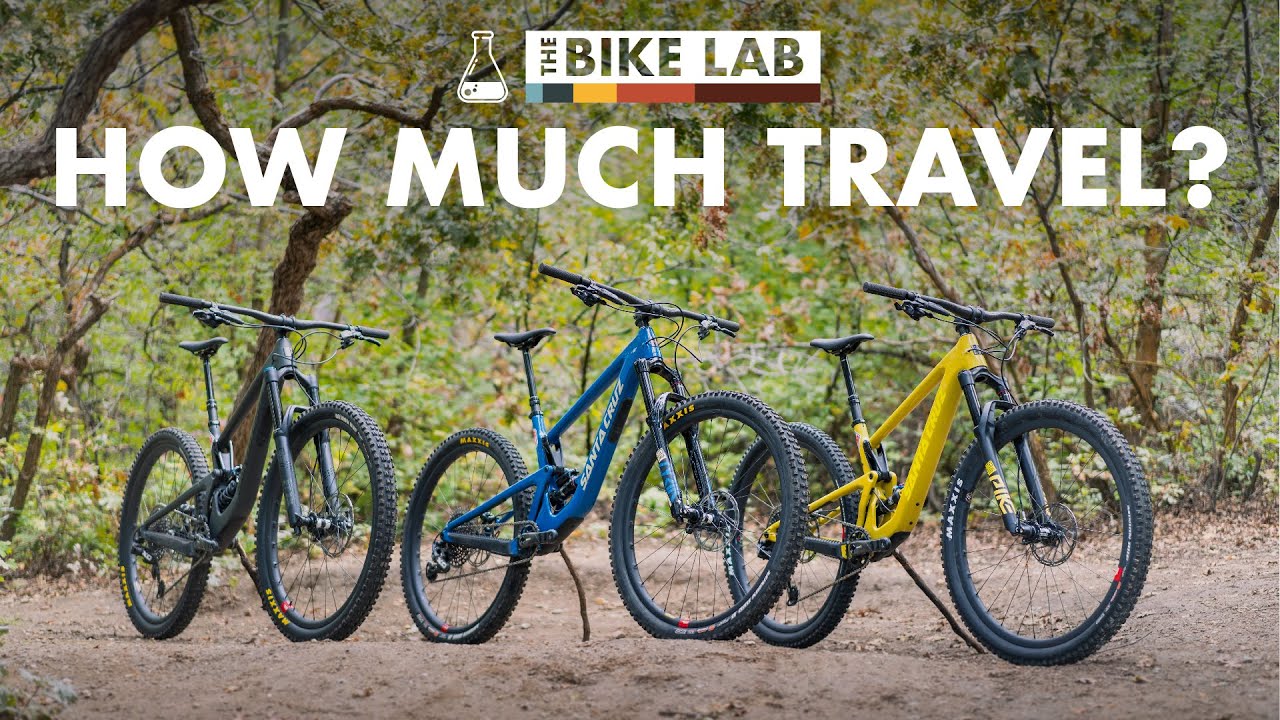
Suspension travel refers to how much the suspension (front fork and rear shock) can compress when you hit a bump or drop. It’s measured in millimeters (mm). More travel means the bike can absorb bigger impacts, making rough trails feel smoother.
Most modern mountain bikes fall into these categories:
- Hardtail: Suspension in the front only (fork), usually 80–120mm travel.
- Full-suspension: Suspension in the front and back (fork + shock), usually 100–200mm travel.
Why does this matter? The amount of travel affects how your bike handles bumps, jumps, roots, rocks, and even how it climbs hills. Too little travel on a rough trail and you’ll feel every jolt. Too much travel on smooth trails and you’ll lose efficiency and speed.
Key Factors That Affect How Much Travel You Need
Choosing the right travel is not just about the numbers. It depends on your riding style, the terrain you ride, and your personal preferences. Let’s look at the most important factors.
1. Terrain And Trail Type
The rougher the trail, the more travel you need. Here’s a simple way to match travel to terrain:
- Smooth dirt paths / city parks: 80–100mm (front suspension only)
- Cross-country trails (XC): 100–120mm
- Trail riding (mixed terrain, roots, rocks): 120–150mm
- All-mountain / Enduro (steep, technical, drops): 150–180mm
- Downhill (very rough, big jumps, bike parks): 180–200mm
If you ride mostly flat or rolling trails, less travel is fine. If you love fast descents, rocky sections, or bike parks, you’ll want more.
2. Riding Style And Goals
Ask Yourself: What Do You Enjoy Most?
- Climbing hills and covering distance: Less travel is lighter and climbs better.
- Descending fast or hitting jumps: More travel gives more control and confidence.
- Mix of everything: A “trail” bike (130–150mm) is the most versatile.
3. Rider Weight And Skill Level
Heavier riders sometimes prefer a bit more travel for extra comfort. Beginners may feel safer with more travel, but too much can make the bike less responsive on easy trails.
4. Bike Weight And Efficiency
More travel usually means a heavier bike. If you want to cover long distances or race, a lighter bike with less travel will feel faster.
5. Budget
More travel means more complex suspension, which costs more. You can find great bikes at every travel range, but top-end downhill bikes are often the most expensive.
Comparing Mountain Bike Categories By Travel
Each mountain bike type is designed for certain terrain, and the amount of travel is a key difference. Here’s a head-to-head comparison.
| Bike Category | Front Travel (mm) | Rear Travel (mm) | Main Use |
|---|---|---|---|
| Cross-Country (XC) | 100–120 | 0–120 | Climbing, fast trails |
| Trail | 120–150 | 120–150 | Mixed terrain, all-round |
| Enduro | 150–180 | 140–170 | Steep descents, rough trails |
| Downhill | 180–200 | 170–200 | Bike parks, big drops |
Key Takeaway
If you’re unsure, a trail bike with 130–150mm travel is a safe bet for most riders.
Real-world Examples: Matching Travel To Your Rides
Let’s look at three common rider profiles and which travel suits them best.
Rider 1: The Weekend Explorer
Loves easy forest trails, some gentle hills, and the occasional root or rock. Wants comfort and control, but doesn’t plan to race or hit big jumps.
- Best travel: 100–120mm (hardtail or short-travel full-suspension)
- Why: Enough to smooth out bumps but still light and efficient.
Rider 2: The Trail Enthusiast
Enjoys longer rides, a mix of climbs and descents, and wants to try more technical sections over time.
- Best travel: 120–150mm (full-suspension trail bike)
- Why: Balanced for all types of trails. Can handle tough terrain but still climbs well.
Rider 3: The Gravity Addict
Lives for steep, rocky descents, jumps, and big challenges. Not worried about pedaling uphill much.
- Best travel: 160–200mm (enduro or downhill bike)
- Why: Maximum control and comfort on the gnarliest trails.
How Suspension Travel Affects Your Ride
The right amount of travel changes how your bike feels and performs. Here’s what you can expect as travel increases:
- More travel: Smoother ride over bumps, better for jumps and drops, less efficient for climbing.
- Less travel: Lighter, faster on smooth trails, more responsive but less forgiving on rough ground.
But there are some less obvious effects too:
- Cornering stability: More travel slackens the bike’s geometry, making it feel more stable at speed but less agile in tight turns.
- Pedal “bob”: Longer-travel bikes may move up and down as you pedal, which can waste energy unless the suspension is well-tuned.
Myths And Common Mistakes About Travel
Many riders believe “more travel is always better.” This isn’t true. Here are common mistakes to avoid:
- Choosing too much travel for easy trails: Your bike will feel slow and heavy. On smooth trails, you won’t use all the travel.
- Choosing too little travel for rough trails: You’ll feel every hit, which can tire you out or even cause crashes.
- Ignoring suspension quality: A well-designed 120mm suspension can feel better than a low-quality 160mm.
And a key insight: Suspension design and quality matter as much as travel amount. A good shock or fork with less travel often beats a cheap long-travel system.
How To Decide: Questions To Ask Yourself
If you’re still unsure, answer these:
- Where do I ride most often?
- Mostly smooth? Go short travel.
- Mostly rocky or steep? Go more travel.
- Do I want to climb fast, or descend with confidence?
- Climbing: Less travel.
- Descending: More travel.
- Will I try new types of trails soon?
- If yes, a “trail” bike is the safest middle ground.
- How much can I spend?
- Balance quality and travel. Don’t overspend on long travel if you won’t use it.
Travel Amounts And Rider Size
A less obvious point: Rider weight and size can affect how travel feels. Lighter riders may “bottom out” less often and can use less travel without harshness. Heavier riders may want a bit more travel or firmer suspension settings.
Younger or smaller riders (teens, women) can often choose bikes with less travel for similar comfort.
How Suspension Travel Impacts Climbing And Descending
Mountain biking is about both going up and coming down. Here’s how travel changes each:
Climbing
- Shorter travel (100–130mm): Lighter, more efficient, less energy wasted.
- Longer travel (150–200mm): Heavier, may “bob” (bounce), harder to keep front wheel on the ground on steep climbs.
Descending
- Shorter travel: More feedback from the trail, less forgiving if you hit something big.
- Longer travel: Soaks up big hits, boosts confidence, more stable at speed.
That’s why many riders choose a trail bike (130–150mm) to balance both worlds.
Hardtail Vs Full-suspension Travel: What Really Matters
A common question is whether to start with a hardtail (front suspension only) or full suspension. The answer depends on your trails and goals.
- Hardtail (80–120mm front): Cheaper, lighter, easier to maintain, great for smoother trails or XC racing.
- Full-suspension (100–200mm): More comfort, better control on rough terrain, more expensive.
Here’s a quick comparison:
| Feature | Hardtail | Full-Suspension |
|---|---|---|
| Weight | Lighter | Heavier |
| Price | Less expensive | More expensive |
| Maintenance | Simple | More complex |
| Comfort on rough trails | Lower | Higher |
| Best for | Smooth/XC | Trail/Enduro/Downhill |
How Suspension Settings Work With Travel
Many riders overlook the importance of suspension setup. Even the best suspension won’t work well if it’s not tuned for your weight and style.
- Air pressure/spring rate: Set for your weight.
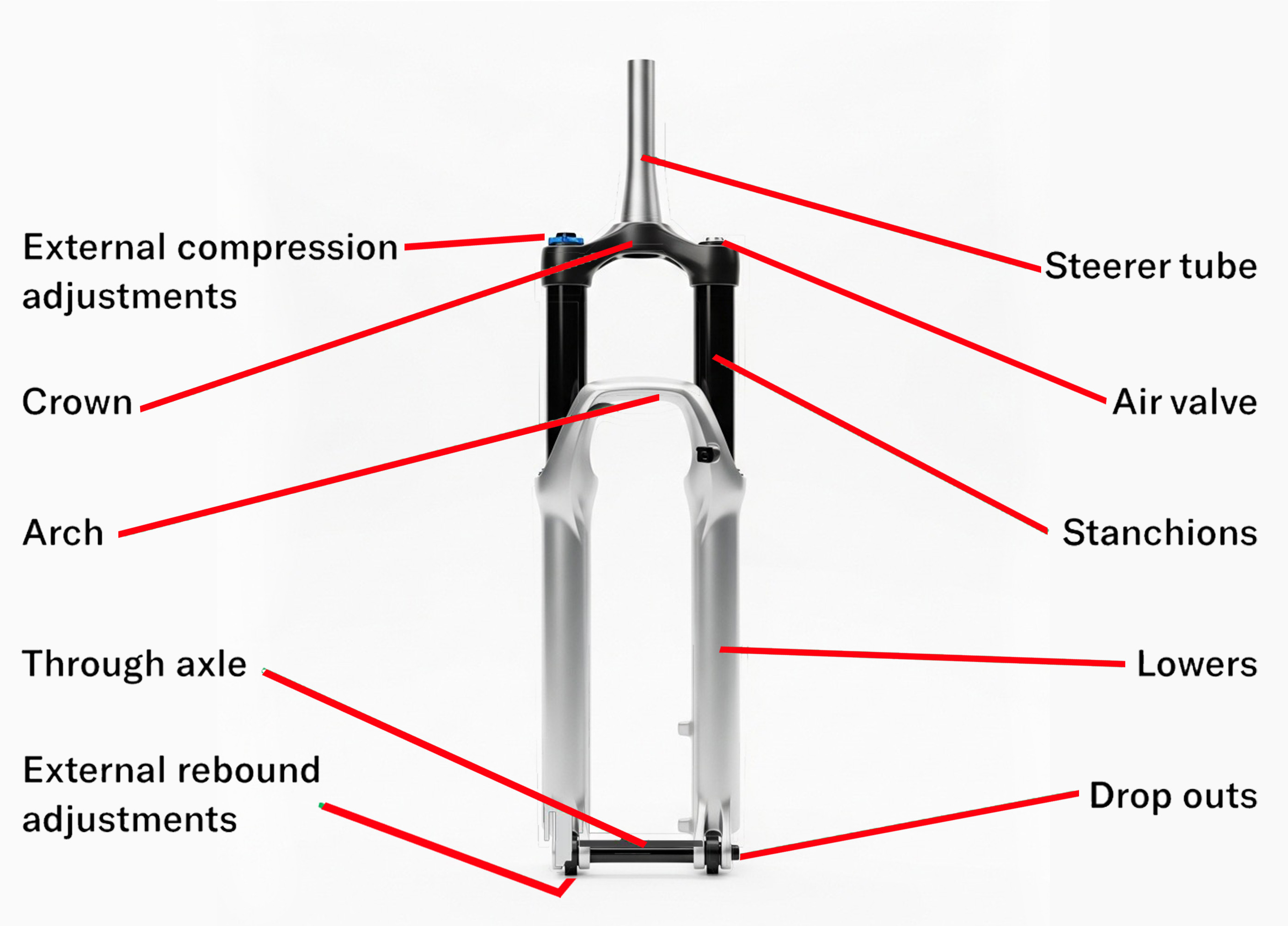
- Rebound/compression: Fine-tune how fast the shock/fork returns.
- Sag: How much the suspension compresses when you sit on the bike (usually 20–30%).
Even a short-travel bike can feel plush if set up correctly. Many bike shops will help you tune your suspension for free when you buy a bike.
Practical Tips For Choosing The Right Travel
- Test ride if possible. Nothing beats riding different bikes on your trails.
- Borrow from friends. Try their bikes to feel the difference.
- Be honest about your riding. Don’t buy a downhill bike for flat trails.
- Think ahead. If you want to progress to harder trails, choose a bit more travel, but don’t overdo it.
- Check reviews and ask local riders. Trails vary by region.
Suspension Travel And Bike Geometry: Why It Matters
Travel isn’t the only thing that affects your ride. The geometry of the bike (angles and lengths) changes with travel:
- Slack head angle: More stable at speed (common with more travel).
- Steep head angle: Quicker steering (common with less travel).
- Longer wheelbase: More stable, but less nimble.
Some bikes with the same travel can feel very different because of their geometry. Always look at the whole package, not just the travel number.
Upgrading Or Changing Travel: Is It Worth It?
Some riders ask if they can add more travel to their current bike by changing the fork or shock. Sometimes you can, but:
- Frame design limits travel. Don’t add a longer fork than the frame is designed for—it can damage the bike or ruin handling.
- Warranties may be voided. Always check with the manufacturer before changing parts.
- Cost can be high. It’s often better to buy the right bike from the start.
Credit: bebikes.com
Long-travel Vs Short-travel: Data On Real-world Performance
How much difference does travel make in speed and control? Studies and race data show:
- XC races: Riders on 100–120mm bikes are usually faster uphill and on smooth trails.
- Enduro/Downhill races: More travel (150–200mm) wins on steep, technical tracks.
- Average riders: Often use less than 80% of available travel on most rides, unless tackling very rough terrain.
So, more travel isn’t always faster—it’s about matching your travel to your trails.
Mistakes Beginners Make When Choosing Travel
Here are two mistakes even experienced riders sometimes make:
- Ignoring their local terrain: Buying a long-travel bike for smooth, local trails leads to a sluggish ride.
- Not considering bike weight: Heavier bikes can be tiring on long rides, even if the suspension feels great.
A less obvious insight: Some short-travel bikes now have advanced suspension designs that feel much “bigger” than their travel suggests. Always test before you buy.

Credit: www.youtube.com
Quick Reference: Typical Suspension Travel By Bike Type
Here’s a summary for easy reference.
| Bike Type | Front Travel | Rear Travel | Best For |
|---|---|---|---|
| XC Hardtail | 80–100mm | None | Fast, smooth trails |
| XC Full-Suspension | 100–120mm | 100–120mm | Climbing, light trails |
| Trail | 120–150mm | 120–150mm | All-round use |
| Enduro | 150–180mm | 140–170mm | Steep/rough descents |
| Downhill | 180–200mm | 170–200mm | Bike parks, big jumps |
Frequently Asked Questions
How Do I Know If I’m Using All My Suspension Travel?
Most suspension forks and shocks have an O-ring or indicator. After a ride, check if it’s close to the maximum travel mark. If you never use all the travel, your suspension may be too stiff. If you always “bottom out,” it may be too soft.
Can I Change My Bike’s Travel Later?
In some cases, you can swap to a fork with slightly more or less travel, but frame design limits how much you can change. Rear travel is almost always fixed by the frame. Always check with the bike manufacturer before making changes.
Is More Suspension Travel Better For Beginners?
Not always. Too much travel can make a bike feel heavy and less responsive. For beginners on easy or moderate trails, 120–140mm is usually ideal. Focus on quality suspension and setup rather than just more travel.
What’s The Difference Between Travel And Suspension Quality?
Travel is the distance the suspension can move. Suspension quality includes how smooth, adjustable, and responsive the system is. A high-quality short-travel suspension often feels better than a cheap, long-travel one.
Where Can I Learn More About Mountain Bike Suspension?
A great resource for in-depth information is the Wikipedia Bicycle Suspension page. You’ll find details about different systems, designs, and more.
Finding the right amount of mountain bike travel is about matching your bike to your trails and riding style. There is no “one size fits all.” Take time to think honestly about where and how you ride. If you’re in doubt, a modern trail bike with 130–150mm travel offers the best balance for most riders. Remember, setup and bike fit matter just as much as travel. Test rides, advice from local riders, and understanding your own needs will help you make the smartest choice. With the right travel, you’ll ride with more comfort, confidence, and fun—no matter where the trail takes you.
Credit: mtbmonster.com

Hello Guys! I am John Reese, a professional biker and my hobby is biking! I have been biking for last 12 years and I love using bikes while outing as well. Based on my experiences with the different type of bikes (mountain bikes, road bikes and hybrid bikes); I am sharing my opinion about various bikes so that a beginner can get started right away. Happy reading!