
Keeping your mountain bike chain well-oiled is more than just basic maintenance—it is key to smooth rides, longer component life, and better performance on every trail. Many riders wonder, “How often should you oil your mountain bike chain? ” The answer isn’t just a number; it depends on how, where, and how often you ride.
If you’re new to mountain biking or just want to take better care of your bike, knowing how to handle your chain can save you money and trouble. This guide will show you how to decide when to oil your chain, explain the factors that affect it, and offer practical advice for both beginners and experienced riders.
By the end, you’ll feel confident that your chain is ready for every adventure—without overdoing it or neglecting it.
Why Oiling Your Mountain Bike Chain Matters
Your bike’s chain is one of its hardest-working parts. It transfers power from your legs to the wheels, letting you climb, sprint, and coast. When the chain is dry or dirty, friction increases. This can cause skipping gears, strange noises, or even chain breakage. A well-oiled chain:
- Reduces friction
- Prevents rust and corrosion
- Keeps shifting smooth
- Extends chain and cassette life
But too much oil can attract dirt, making things worse. Not enough oil and your chain wears out faster. Oiling your chain is a balance—enough to protect, not so much it causes problems.
Factors That Influence How Often You Should Oil Your Chain
There’s no single answer to how often you should oil a mountain bike chain. Several things impact the ideal frequency:
- Riding conditions – Wet, muddy, or dusty trails wear off oil faster.
- Chain type and lube – Different chains and lubricants need attention at different rates.
- Riding frequency – Daily riders need to oil more than weekend warriors.
- Bike storage – Bikes kept outside, or in humid areas, may need more frequent oiling.
Let’s look at each factor in detail.
Weather And Trail Conditions
If you ride mostly in dry, dusty places, dirt sticks to oil and grinds down the chain. Wet or muddy trails wash oil off quickly, leading to rust. Riders in rainy climates often oil their chain after every ride. In dry regions, you might stretch it to every two or three rides.
Chain Type And Lubricant Choice
Mountain bike chains come in many designs, but most need regular oiling. Lubricants are either wet lubes or dry lubes:
- Wet lubes last longer in wet conditions but attract dirt
- Dry lubes are cleaner but wash off easily in rain
Choose the right lube for your climate and riding style. The wrong lube can make you oil your chain too often, or not enough.
How Often You Ride
Frequent riders—those who bike daily or several times a week—need to oil their chain more often. Infrequent riders, or those who only ride occasionally, can go longer between oilings.
Storage And Care Habits
If you store your bike outside, moisture and dust can affect the chain. Bikes kept indoors, in dry conditions, usually require less maintenance.
Credit: thelostco.com
How To Tell If Your Chain Needs Oiling
There are several signs your chain needs oiling. Here’s how to check:
- Noise: If your chain makes squeaking or grinding sounds, it’s dry.
- Feel: Run your finger along the chain. If it feels dry or rough, add oil.
- Color: A chain that looks dull, gray, or rusty needs oil.
- Performance: If shifting feels slow or rough, oil may help.
Experienced riders often develop a sense for when their chain needs attention, but beginners can use these signs as a reliable guide.
Typical Oiling Frequency For Mountain Bikes
For most mountain bikes, oiling the chain every 100-150 miles (160-240 km) is a good rule. However, this changes based on conditions:
| Riding Condition | Recommended Oiling Frequency |
|---|---|
| Wet/Muddy Trails | After every ride |
| Dry/Dusty Trails | Every 2-3 rides |
| Normal Conditions | Every 100-150 miles |
| Heavy Use | Weekly |
| Occasional Use | Monthly |
These are average numbers. If your chain is dirty or noisy, don’t wait—oil it sooner.
Step-by-step: How To Oil Your Mountain Bike Chain
Oiling your chain isn’t hard, but doing it right makes a big difference. Here’s a step-by-step guide:
- Clean the chain: Wipe off old oil and dirt with a rag. For heavy dirt, use a chain cleaner.
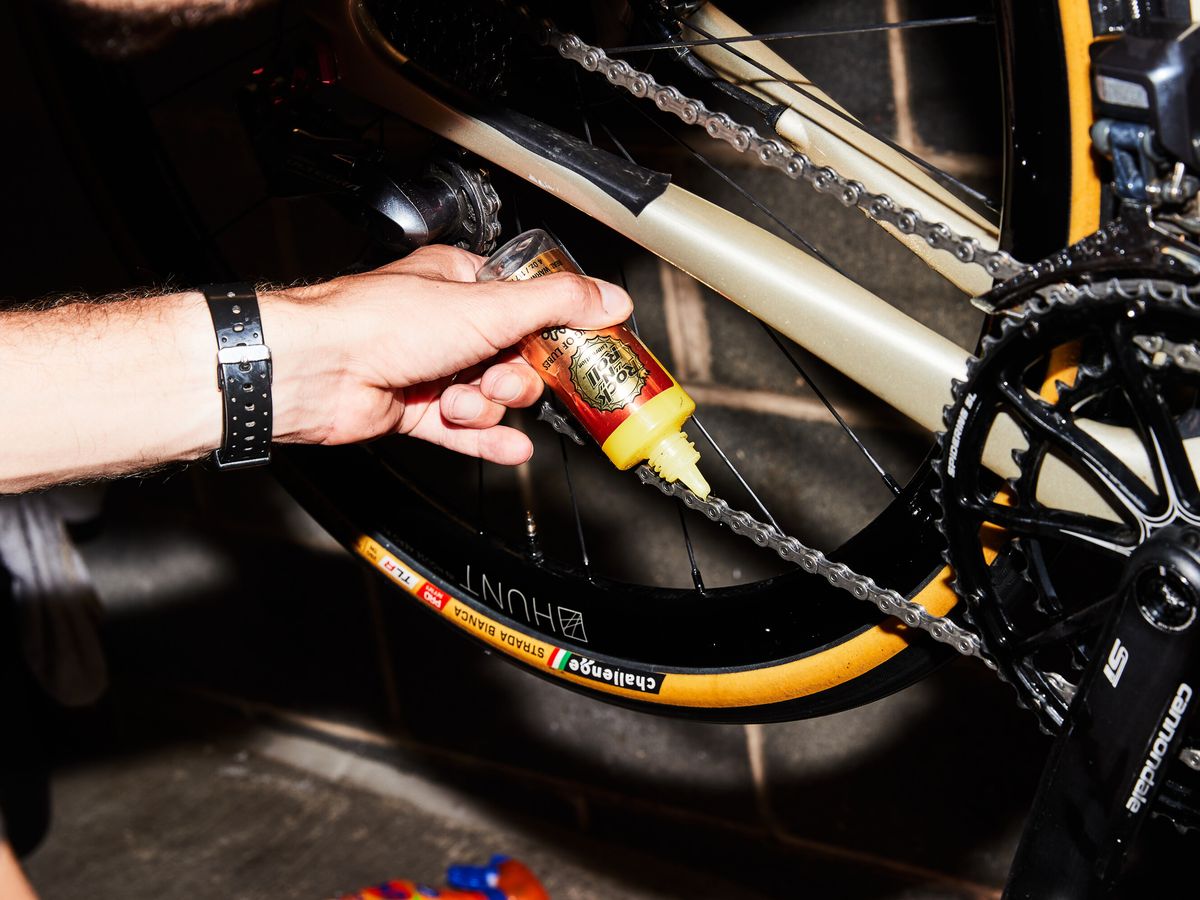
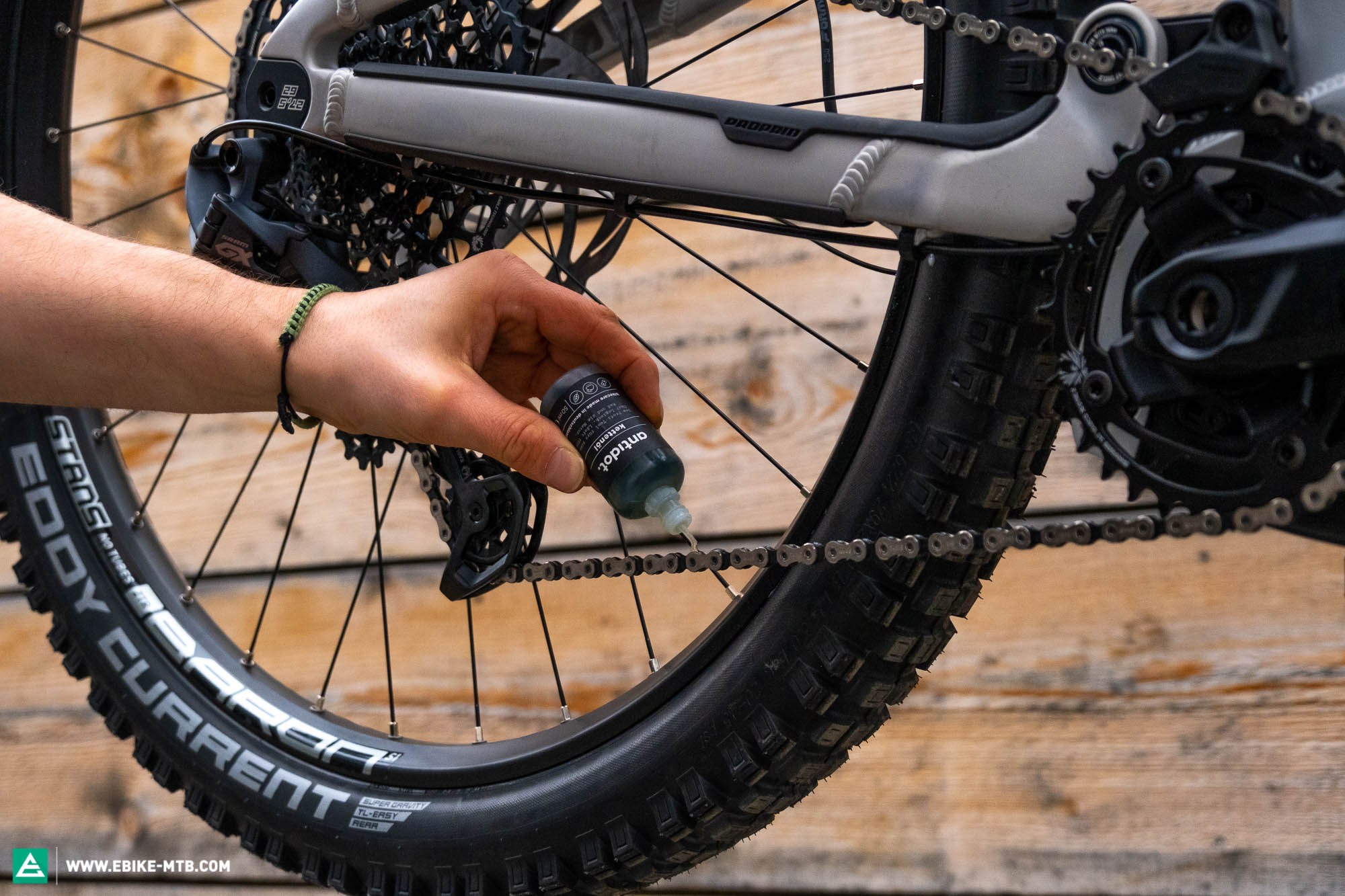
- Apply oil: Hold the bottle above the chain, drip oil on each link as you slowly pedal backward.
- Let it sit: Wait a few minutes so oil can penetrate.
- Wipe off excess: Use a clean rag to remove extra oil. This prevents dirt from sticking.
Example: Oiling After A Muddy Ride
After riding through mud, your chain will be dirty and mostly dry. First, use a brush or rag to remove mud and grit. Apply wet lube—drip it onto each link, rotate the pedals. Wait 5–10 minutes, then wipe away extra oil.
This keeps your chain ready for next time and prevents rust.
Comparison: Wet Vs. Dry Lubes
Choosing the right lube helps you oil your chain less often and keeps your bike running smoother. Here’s how wet and dry lubes compare:
| Lube Type | Best For | Pros | Cons |
|---|---|---|---|
| Wet Lube | Rainy, muddy, humid conditions | Stays on chain longer Protects against rust |
Attracts more dirt Needs regular cleaning |
| Dry Lube | Dry, dusty, hot climates | Cleaner Less dirt buildup |
Washes off easily Needs frequent application |
For most mountain bikers, wet lube is safer in unpredictable weather, while dry lube is better for desert or dry summer rides.
Common Mistakes When Oiling A Mountain Bike Chain
Many beginners make mistakes that lead to extra maintenance, wasted money, or even damage. Here are the most common:
- Applying too much oil: Excess oil attracts dirt and wears out the chain faster.
- Not wiping off extra oil: Always wipe the chain after oiling.
- Using the wrong type of lube: Match the lubricant to your conditions.
- Oiling a dirty chain: Oil cannot protect if dirt is trapped underneath.
- Forgetting regular checks: Waiting until the chain squeaks is too late.
Avoiding these mistakes will keep your chain cleaner and help you oil it only as often as needed.
Data: How Oiling Affects Chain Life
Research shows that a well-oiled chain lasts up to 50% longer than one that is neglected. For example, a mountain bike chain can last between 1,500 and 3,000 miles. If you oil it regularly, you’re likely to reach the upper end of this range.
A poorly maintained chain wears out the cassette and chainrings, which are expensive to replace. For riders who want to save money, simple oiling is the best investment.
How To Choose The Right Lube For Your Mountain Bike
There are many chain lubricants on the market. Choosing the right one is important. Here’s what matters:
- Weather: Wet lube for rain, dry lube for dust.
- Trail type: Rocky, muddy, or sandy trails need stronger protection.
- Brand reputation: Choose brands with good reviews.
- Price vs. performance: More expensive is not always better.
Here’s a simple comparison of popular lube types:
| Brand | Lube Type | Average Price (USD) | Recommended For |
|---|---|---|---|
| Finish Line | Wet/Dry | $8–$12 | All conditions |
| WD-40 Bike | Wet | $9–$14 | Wet, muddy rides |
| Rock N Roll | Dry | $10–$15 | Dry, dusty trails |
| Squirt | Wax | $12–$18 | Clean, dry conditions |
If you’re unsure, ask at your local bike shop or check online reviews.
Oiling For Different Mountain Bike Styles
Different mountain biking styles affect how often you should oil your chain:
- Cross-country (XC) riders: Usually ride longer distances, often on dry trails. Oil every 2–3 rides.
- Trail/all-mountain riders: Face changing conditions; oil after every tough or wet ride.
- Downhill riders: Chains get heavy use and mud; oil after every session.
- Enduro racers: Oil before each race or long ride.
Adapting your routine to your riding style is a non-obvious tip that helps both performance and maintenance.
Practical Tips For Oiling Your Chain
Here are some practical tips to make chain oiling easier and more effective:
- Carry a small rag and lube: If you ride far from home, bring a travel-size bottle.
- Check before big rides: Always oil before a race or long adventure.
- Use gloves: Oiling is messy. Gloves protect your hands.
- Mark your calendar: If you forget, set reminders for regular checks.
- Store your bike clean: Dirt and moisture can dry the chain while stored.
These tips help even experienced riders avoid common maintenance headaches.
Non-obvious Insights Riders Often Miss
Many beginners don’t realize that:
- Temperature affects oiling: Hot weather dries out lube faster. Cold weather slows it down.
- Chain stretch matters: As chains stretch, oiling is less effective. Replace stretched chains to keep oil working.
- Chain length and speed: Longer chains (on bikes with many gears) need more regular oiling.
If you pay attention to these factors, you can fine-tune your oiling schedule.
Environmental Impact Of Chain Lubes
Some chain lubricants contain chemicals that can harm the environment. If you ride in natural areas, look for biodegradable lubes. These break down safely and don’t pollute streams or soil.
According to BikeRadar, eco-friendly lubes work as well as standard products for most riders.
Signs Of Over-oiling
Over-oiling is as bad as neglect. If you notice these signs, cut back:
- Sticky chain: Feels greasy, attracts dirt.
- Black buildup: Thick layer of grime on chain and cassette.
- Shifting problems: Too much oil can interfere with gear changes.
Wipe off extra oil after every application. Your chain should look shiny but not drippy.
Credit: www.bicycling.com
When To Replace Your Chain Instead Of Oiling
Sometimes, oiling is no longer enough. If your chain has:
- Stretched links
- Visible rust
- Frequent skipping
- Broken or stiff links
It’s time for a new chain. Oiling won’t fix mechanical damage.
Oiling Frequency For Electric Mountain Bikes
Electric mountain bikes (e-MTBs) put more stress on the chain because of added power. Oil e-bike chains more often—usually after every ride, or at least every 50–100 miles. The extra torque wears out oil faster.
How To Make Oiling Part Of Your Routine
To make chain oiling a habit:
- Set a schedule: Weekly for heavy riders, monthly for casual ones.
- Combine with cleaning: Oil after you wash your bike.
- Check during rides: Listen for squeaks, check the chain by touch.
Making oiling part of your routine prevents surprise breakdowns.
Frequently Asked Questions
How Can I Tell If My Chain Is Over-oiled?
If your chain feels sticky, attracts lots of dirt, or you see thick black grime, you’ve probably applied too much oil. Wipe off extra oil until the chain looks shiny but not wet.
Should I Oil My Chain After Every Ride?
Only in very wet, muddy, or dusty conditions. For normal rides, oiling every 2–3 rides or every 100–150 miles is enough.
Can I Use Regular Household Oil On My Mountain Bike Chain?
No. Household oils (like WD-40 or engine oil) don’t protect as well and can damage the chain or attract extra dirt. Use bike-specific lubricants.
What Happens If I Don’t Oil My Chain?
Your chain will wear out faster, rust, and cause shifting problems. Neglecting oil can also damage other parts like the cassette and chainrings.
Is There A Difference Between Oiling And Lubricating A Chain?
In biking, “oiling” and “lubricating” mean the same thing. Both involve applying a protective layer to reduce friction and prevent rust.
Taking care of your mountain bike chain is simple, but it makes a big difference. Oiling the chain at the right intervals keeps your bike running smoothly, saves money, and makes every ride better. Adjust your oiling routine based on conditions, riding style, and the lubricant you use.
With the tips above, you can avoid common mistakes and help your mountain bike stay trail-ready for years to come.
Credit: ebike-mtb.com

Hello Guys! I am John Reese, a professional biker and my hobby is biking! I have been biking for last 12 years and I love using bikes while outing as well. Based on my experiences with the different type of bikes (mountain bikes, road bikes and hybrid bikes); I am sharing my opinion about various bikes so that a beginner can get started right away. Happy reading!