
Finding the right mountain bike fit is not just about comfort; it’s about safety, performance, and enjoyment on every ride. If your mountain bike doesn’t fit your body, you might feel awkward, lose control, or even get injured. Many beginners think that choosing a bike is only about wheel size or frame color, but the right fit is far more important.
This guide will help you understand how a mountain bike should fit, step-by-step, with clear examples and practical advice so you can ride with confidence and avoid common mistakes.
Why Proper Fit Matters
Mountain biking is demanding. You’re riding over rocks, roots, steep hills, and sometimes rough weather. If your bike doesn’t fit, you’ll use extra energy, tire faster, and risk muscle strain. A bike that fits well lets you control the bike easily, keeps you stable, and helps prevent injuries.
Studies show that riders with poor bike fit are almost twice as likely to suffer knee pain or back injuries compared to those with good fit. Comfort, control, and efficiency all depend on how your mountain bike fits you.
Key Parts Of Bike Fit
Let’s look at the main parts of mountain bike fit, and why each is important.
Frame Size
Frame size is the starting point for any bike fit. It’s based mainly on your height and inseam (the distance from your crotch to the floor). If the frame is too big or small, nothing else will feel right.
Example: If you’re 5’8” (173 cm) tall, most brands recommend a medium frame (about 17–18 inches). But this is just a starting point. Different brands have slightly different sizing.
| Rider Height | Recommended Frame Size | Typical Label |
|---|---|---|
| 5’2″–5’6″ (157–168 cm) | 15–16″ | Small |
| 5’6″–5’10” (168–178 cm) | 17–18″ | Medium |
| 5’10″–6’2″ (178–188 cm) | 19–20″ | Large |
| 6’2″+ (188 cm+) | 21″+ | Extra Large |
Non-obvious insight: Frame size also affects how the bike handles. Smaller frames turn quicker, but larger frames are more stable at high speed.
Standover Height
Standover height is the distance from the ground to the top tube (the bar between seat and handlebars). When you stand over your bike, there should be at least 1–2 inches (2.5–5 cm) of clearance.
Tip: Try this with your riding shoes on. If the clearance is less, you could hurt yourself if you need to jump off the bike suddenly.
Reach And Stack
Reach is how far you must stretch to the handlebars. Stack is how high the handlebars are from the ground. Both decide your riding posture.
| Fit Factor | What It Means | Ideal Range |
|---|---|---|
| Reach | Horizontal distance from seat to handlebars | Arm slightly bent, back comfortable |
| Stack | Vertical distance from bottom bracket to top of head tube | Back not too upright or too low |
Example: Enduro mountain bikes usually have longer reach for stability at speed. Cross-country bikes have shorter reach for fast maneuvering.
Common mistake: Many beginners set handlebars too low, causing back pain.
Seat Height
Seat height affects power, comfort, and injury risk. When you sit, your leg should be almost straight (slightly bent) at the lowest pedal point.
How to set: Sit on the bike, put your heel on the pedal at its lowest position. Your leg should be straight. When you ride, with the ball of your foot, your knee will be slightly bent.
Data: Too low seat = knee pain. Too high seat = hip rocking.
Saddle Position
The saddle (seat) position can move forward or backward. This changes how you pedal and your weight balance.
Tip: If your knees go too far forward over the pedals, move the saddle back. If you feel stretched, move it forward.
Handlebar Width And Height
Mountain bikes have wider handlebars for control. Handlebar width should match your shoulder width.
Example: Most riders use 720–780 mm wide handlebars. If your shoulders are narrow, go shorter.
Handlebar height also matters. Higher bars are more comfortable for technical trails. Lower bars are better for speed.
Crank Length
Crank length (the pedal arm) is often ignored. Shorter cranks (170 mm) are easier for smaller riders or those with knee pain. Longer cranks (175 mm) give more leverage for tall riders.
Tire Size And Pressure
While not strictly “fit”, tire size and pressure affect comfort and handling. Wider tires feel softer, absorb bumps, and add stability. Tire pressure depends on your weight and riding style.
Example: Heavier riders need higher pressure (35–40 psi). Lighter riders can go lower (25–30 psi) for more grip.

Credit: leelikesbikes.com
Step-by-step Guide To Fitting A Mountain Bike
Follow these steps to make sure your mountain bike fits you correctly.
1. Measure Your Height And Inseam
Stand against a wall, measure your height. For inseam, stand with your feet 6 inches apart, measure from the crotch to the floor.
2. Choose The Right Frame Size
Use your measurements to find your frame size. Check the brand’s size chart, as sizing can vary.
3. Check Standover Height
Test the bike in person. Stand over the top tube. Make sure there is at least 1–2 inches of clearance.
4. Adjust Seat Height
Sit on the bike and adjust the seat so your leg is almost straight at the lowest pedal point.
5. Set Saddle Position
Move the saddle forward or back until your knee is just above the pedal axle when the pedal is forward.
6. Find Your Ideal Reach
Sit on the bike, grab the handlebars. Your elbows should have a slight bend. You should not feel stretched or cramped.
7. Adjust Handlebar Height And Width
Raise the handlebars if you feel too low. Use wider bars for stability, but don’t go wider than your shoulders.
8. Set Crank Length
If you have knee pain or are shorter, use shorter cranks. Taller riders can use standard or longer cranks.
9. Adjust Tire Pressure
Set tire pressure based on your weight. Lower pressure gives more grip, higher pressure protects against pinch flats.
Practical tip: Check your fit after your first few rides. Small changes can make a big difference.
Differences Between Mountain Bike Types
There are several types of mountain bikes, each with different fit needs.
| Type | Fit Characteristic | What It’s For |
|---|---|---|
| Cross-Country (XC) | Shorter reach, lower stack | Speed, climbing |
| Trail | Balanced reach and stack | Versatile, all-around |
| Enduro | Longer reach, higher stack | Downhill, aggressive riding |
| Downhill | Very long reach, very high stack | Extreme descents |
Example: If you switch from XC to downhill, you’ll need a bigger frame and wider handlebars.
Common Mistakes In Mountain Bike Fitting
Many riders make simple mistakes that hurt their performance and comfort.
- Ignoring professional fitting: A professional bike fit can prevent injury and improve performance, but many skip it.
- Choosing frame size only by height: Inseam and arm length matter too.
- Setting seat too low: This strains knees and wastes energy.
- Overly wide handlebars: Wider isn’t always better; too wide makes steering hard.
- Wrong tire pressure: Too high reduces grip, too low can cause flats.
- Forgetting saddle tilt: Saddles should be level. Too much tilt causes discomfort.
- Not checking fit after upgrades: Changing parts (tires, seatpost) can affect fit.
- Copying others: Your ideal fit is personal. Don’t copy a friend’s settings.
- Ignoring discomfort: Small pain signals often mean poor fit. Don’t ignore them.
Non-obvious insight: Even small changes (5 mm in seat position) can change your riding posture and comfort.
When To Get A Professional Fit
If you’re struggling with pain, discomfort, or poor control, consider a professional bike fit. Fitters use tools to measure your body and adjust the bike for you. This is especially important if you:
- Ride regularly
- Have injuries or pain
- Can’t find comfort after adjusting yourself
- Plan to race
Professional fitting costs $50–$200, but it can save medical bills and improve your riding.
Practical Tips For A Perfect Fit
- Try before you buy: Sit on the bike, test the fit in the shop.
- Use adjustable parts: Stems, seatposts, and handlebars can be swapped for better fit.
- Record your settings: Write down your seat height, handlebar width, and other settings.
- Upgrade wisely: Changing to a dropper seatpost or wider bars? Re-check your fit.
- Listen to your body: Pain or fatigue usually means poor fit.
- Use mirrors or ask a friend: Check your posture while sitting on the bike.
How Fit Affects Performance
A well-fitted mountain bike gives you:
- Better control on tough trails
- More efficient pedaling
- Less fatigue over long rides
- Lower risk of injury
Data: In a study from the International Journal of Sports Medicine, riders with professional bike fit improved their performance by 10–15% compared to those using stock settings.

Credit: www.singletracks.com
Adjusting Fit For Different Riding Styles
You may need to change your fit based on your riding style:
- Climbing: Raise the saddle slightly for more power.
- Descending: Lower the saddle for better balance.
- Technical trails: Use wider bars and lower tire pressure for grip.
- Long rides: Adjust for comfort, not just speed.
Example: Dropper seatposts let you change seat height quickly for climbing or descending.
Comparing Mountain Bike Fit To Road Bike Fit
Mountain bike fit is different from road bike fit. Road bikes focus on aerodynamics and speed, while mountain bikes focus on control and comfort. Mountain bike fits are more upright, with wider bars and lower saddle positions.
| Bike Type | Saddle Position | Handlebar Width | Riding Posture |
|---|---|---|---|
| Mountain Bike | Lower, more adjustable | Wide (720–800 mm) | Upright, balanced |
| Road Bike | High, fixed | Narrow (400–440 mm) | Forward, aerodynamic |
Tip: Don’t use road bike fit rules for your mountain bike.
Signs Your Mountain Bike Doesn’t Fit
If you notice these signs, your bike fit needs adjustment:
- Knee, back, or wrist pain after rides
- Feeling stretched or cramped on the bike
- Difficulty reaching handlebars or brakes
- Numbness in hands or feet
- Fatigue after short rides
Action: Adjust your fit step-by-step, or see a professional.
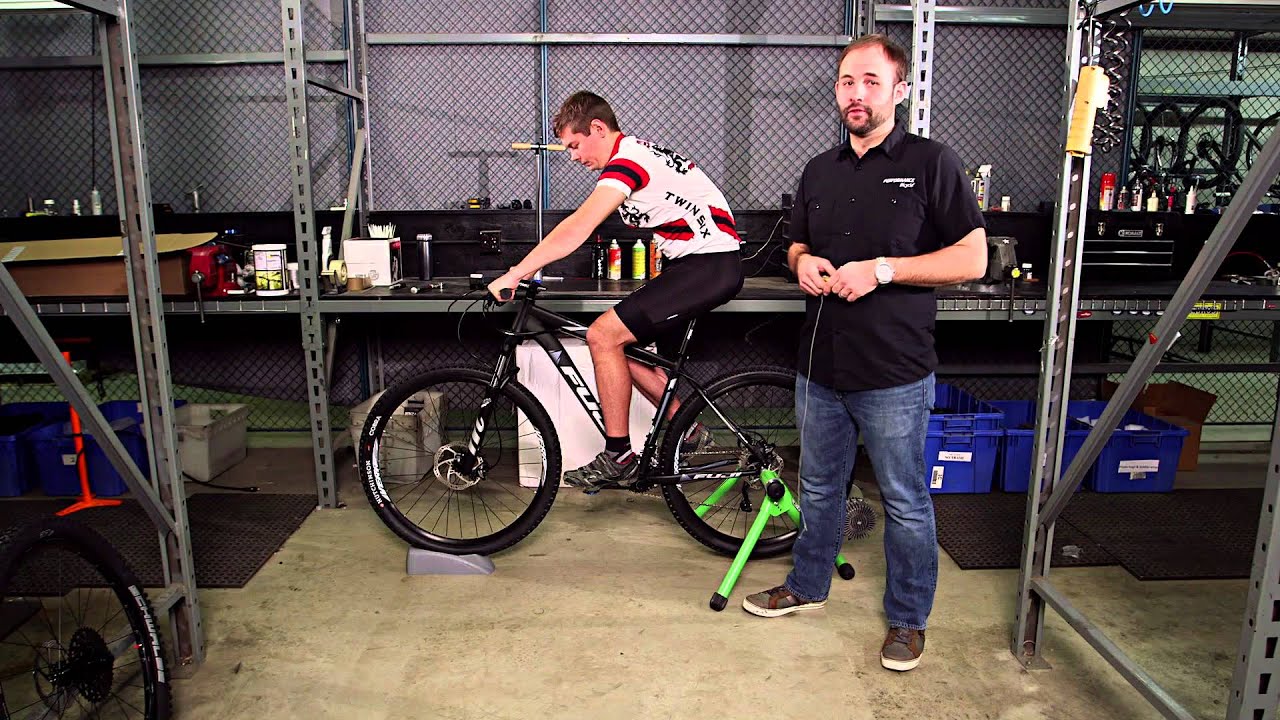
Children’s Mountain Bike Fit
Kids need special attention when fitting mountain bikes. Their bodies grow fast, and poor fit can cause injuries or discourage riding.
- Choose smaller frames and wheels (20–24 inches)
- Check standover height carefully
- Use adjustable seatposts and handlebars
- Re-check fit as your child grows
Tip: Don’t buy a bike “to grow into.” It’s better to upgrade as your child grows.
Credit: www.youtube.com
Women’s Mountain Bike Fit
Women’s bikes often have shorter top tubes, narrower handlebars, and special saddles. Women’s bodies are usually shorter in the torso and longer in the legs.
- Look for bikes labeled “Women’s” or use adjustable parts
- Test different saddle shapes for comfort
- Use shorter stems and narrower bars if needed
Non-obvious insight: Many women ride standard bikes comfortably with minor adjustments.
Maintenance And Fit
Bike fit changes over time. Parts wear out, your body changes, and your riding style may shift.
- Check fit every season
- Replace worn saddles and grips
- Adjust for new shoes or gear
- Keep your bike clean and lubricated
Tip: Small maintenance tasks can prevent fit problems.
Frequently Asked Questions
How Do I Know If My Mountain Bike Is The Right Size?
Stand over the bike; you should have 1–2 inches clearance from the top tube. When seated, your leg should be almost straight at the lowest pedal point. If you feel comfortable and in control, your bike is likely the right size.
Can I Adjust My Mountain Bike Fit At Home?
Yes, you can adjust seat height, saddle position, handlebar height, and tire pressure with simple tools. For more complex changes, like crank length or advanced fitting, visit a bike shop.
What Is The Best Handlebar Width For Mountain Biking?
Most riders choose handlebars between 720–780 mm wide. Match the width to your shoulders for comfort and control. Wider bars are good for stability, but too wide can make steering difficult.
How Often Should I Check My Bike Fit?
Check your fit every few months, especially after changing parts or if you notice pain or discomfort. If your body changes, adjust your fit as needed.
Is A Professional Bike Fit Worth It?
If you ride often, have pain, or want to improve performance, a professional bike fit can be very helpful. Fitters use precise tools and experience to match the bike to your body.
Getting your mountain bike fit right is a blend of science, comfort, and personal taste. The effort you put into fitting your bike pays off in safer, happier rides. Don’t rely only on size charts or advice from others—test, adjust, and listen to your body. For more in-depth information on bike fitting and cycling biomechanics, visit Bicycling Magazine. With the right fit, your mountain bike will feel like an extension of yourself, ready for any trail.

Hello Guys! I am John Reese, a professional biker and my hobby is biking! I have been biking for last 12 years and I love using bikes while outing as well. Based on my experiences with the different type of bikes (mountain bikes, road bikes and hybrid bikes); I am sharing my opinion about various bikes so that a beginner can get started right away. Happy reading!