
Becoming a pro downhill mountain biker is much more than riding fast down steep trails. It’s a journey that tests your skills, courage, and discipline. Many riders dream of racing at world-class events, but only a few reach that level.
It takes years of practice, smart training, and the right mindset. If you want to turn your passion for downhill biking into a professional career, you need to understand what matters most — from bike setup and physical fitness to mental strength and racing tactics.
This guide is for anyone who wants to move beyond casual rides and start building a serious path toward professional downhill mountain biking. Whether you’re just starting or already competing, you’ll find practical advice, expert insights, and clear steps to improve your skills and confidence.
Let’s dive into what it really takes to become a pro downhill mountain biker.
Understanding Downhill Mountain Biking
Downhill mountain biking is one of the most extreme forms of cycling. Riders race down steep, rough terrain with obstacles like rocks, roots, jumps, and drops. Unlike other mountain biking styles, the focus is on speed and control while descending.
Races are usually timed, and the fastest rider wins.
The Basics
- Downhill bikes are heavier and stronger than regular mountain bikes. They have long-travel suspension (usually 200mm), wide handlebars, and powerful brakes. A downhill bike is built to handle big impacts and rough terrain, so it can take a lot of punishment that regular bikes can’t.
- Courses are designed to be challenging. They feature technical sections, sharp turns, and large jumps. Some courses include man-made features like berms, gap jumps, or wooden ramps to push riders further.
- Races often involve individual time trials rather than head-to-head racing. Riders go one at a time, which means you’re racing against the clock and yourself.
What Makes Downhill Unique?
Downhill mountain biking is different from cross-country or enduro because it’s all about descending as fast as possible. Riders don’t need to pedal uphill, but they do need explosive power to accelerate and maintain speed. The sport demands quick reflexes, balance, and the ability to handle high speeds over rough ground.
Unlike other disciplines, you spend most of your time standing up, moving your body to keep the bike stable.
For example, in cross-country, riders focus on endurance and pacing. In downhill, even a small mistake can cost several seconds or lead to a crash. You must react quickly and commit to your line, even when it looks risky.
Global Popularity
Downhill mountain biking is popular worldwide, especially in countries like the US, UK, France, Canada, Australia, and Switzerland. Events like the UCI Mountain Bike World Cup and Red Bull Rampage attract thousands of spectators and top riders. Many bike parks offer dedicated downhill trails, and the sport continues to grow with new technology and media coverage.
Some regions, like Whistler in Canada, are famous for their challenging courses and vibrant biking communities.
The Path To Professional Level
Becoming a pro isn’t just about talent. It’s a mix of skills, dedication, networking, and planning. Here’s a breakdown of what the journey looks like:
Starting Out
Most pros start young, but you can begin at any age. The key is to build basic skills and confidence.
- Learn to ride technical trails safely. Start with easier trails, focus on smooth braking, and understand how your bike reacts to rough ground.
- Practice braking, cornering, and jumping. Dedicate time to each skill, not just riding fast.
- Join local riding groups or clubs. Group rides help you learn from others, find new trails, and build friendships. Many clubs also organize skills workshops or fun races.
Progressing Through Amateur Races
Once you have basic skills, start entering amateur races. These events help you understand competition and improve under pressure.
- Compete in local downhill events. Try races at your local bike park or regional competitions to gain experience.
- Analyze your race times and mistakes. Record your runs, check where you lost time, and ask for feedback from experienced riders.
- Meet other riders and learn from them. Networking is important — many pros started by making connections at races and learning from others’ experience.
Moving Up To National And International Competitions
When you consistently perform well at local races, aim for bigger events.
- Apply for national championships or regional series. These races are tougher, but they attract sponsors and media.
- Seek sponsorship or support from bike shops and brands. Even local bike shops can help with discounts or gear, which eases the financial burden.
- Build a reputation by sharing your results and videos. Post your achievements online, create short clips of your riding, and join discussions in mountain biking forums.
The Pro Circuit
To become a pro, you need to race at elite events, often as part of a sponsored team. This requires dedication and a strong network.
- Sign with a professional team or secure individual sponsorship. Teams provide support for travel, gear, and coaching.
- Travel to major races and maintain high performance. Pros often spend months on the road, racing across different countries and terrain types.
- Work with coaches, mechanics, and support staff. These experts help you refine your technique, keep your bike in top shape, and manage your schedule.
Essential Skills For Downhill Mountain Biking
Professional downhill riders have a wide set of skills. Here’s what you need to focus on:
Bike Handling
Control is everything in downhill racing. You must be able to maneuver your bike quickly and confidently.
- Master cornering at high speed. Practice leaning your bike, using both front and rear tires for grip.
- Learn to jump and land safely. Start with table-top jumps, progress to gap jumps, and always check landing zones.
- Practice riding over rocks, roots, and drops. Spend time on technical trails, and learn how to keep the bike moving smoothly.
A common beginner mistake is focusing only on speed. True pros know that smooth handling and control are faster in the long run.
Braking Techniques
Proper braking keeps you safe and fast.
- Use both front and rear brakes, but avoid locking them. Locked wheels slide and lose control, especially on loose surfaces.
- Learn to “feather” brakes for smooth control. Apply gentle, consistent pressure instead of grabbing the brakes suddenly.
- Brake before entering corners, not during. Braking in a turn can cause your tires to slip and lose grip.
For example, on steep descents, use the front brake for most stopping power, but balance it with the rear to avoid skidding.
Line Choice
Picking the best path through a trail can shave seconds off your time.
- Look ahead and plan your route. Always scan 10–15 meters ahead, so you’re ready for obstacles.
- Avoid rough patches and find smoother lines. Sometimes, the fastest path is not the most obvious one.
- Watch videos of pro riders to see their line choices. Notice how they approach corners, jumps, and technical sections.
One insight many beginners miss: sometimes a slower, smoother line is faster overall because you keep more speed for the next section.
Balance And Body Position
Your body position affects speed and safety.
- Stay low and centered on the bike. This helps keep your weight balanced and stable.
- Shift weight forward or back depending on terrain. Move back for steep drops, forward for climbs or jumps.
- Use your arms and legs as suspension. Bend your knees and elbows to absorb shocks and keep your bike stable.
Think of your body as an extra suspension system. The more relaxed and flexible you are, the smoother your ride.
Jumping And Drops
Many courses have jumps and drops that require skill.
- Start with small jumps and progress to larger ones. Don’t rush; build confidence step by step.
- Practice landing with both wheels at the same time. Uneven landings can cause crashes.
- Use your body to absorb impact. Bend your knees and elbows as you land to soften the blow.
A non-obvious tip: focus on your gaze. Look past the jump or drop, not down at the landing. This helps you stay balanced and ready for the next obstacle.
Building Physical Fitness
Downhill mountain biking is physically demanding. Pros train both on and off the bike.
Strength And Conditioning
You need strong muscles, especially in the legs, arms, and core.
- Lift weights to build power. Focus on compound movements like squats and deadlifts.
- Do exercises like squats, lunges, and push-ups. These improve balance and coordination.
- Use resistance bands for stability. Bands help activate smaller muscles and prevent injury.
Some riders include plyometrics (jump training) to improve explosive power for jumps and sprints.
Cardiovascular Fitness
Even though downhill is mostly descending, you need endurance.
- Ride long distances to build stamina. Include regular trail rides with varied terrain.
- Run or cycle for cross-training. Mixing activities prevents boredom and builds overall fitness.
- Do interval training for explosive power. Short, intense bursts improve your ability to sprint out of corners.
An overlooked area: recovery rides. Easy rides help your body recover without stress, keeping you fresh for hard training.
Flexibility And Mobility
Flexible muscles help prevent injury and improve control.
- Stretch regularly, focusing on legs, back, and shoulders. Include dynamic stretches before rides, static stretches after.
- Try yoga or pilates for mobility. These exercises improve balance and core strength.
- Warm up before every ride. Simple warm-ups, like jumping jacks or light jogging, activate muscles and prepare you mentally.
Flexibility is often ignored, but it helps you react quickly and adjust your position on the bike.
Nutrition And Hydration
Eating and drinking right supports your training and recovery.
- Eat balanced meals with protein, carbs, and healthy fats. Plan meals ahead to avoid junk food.
- Drink water before, during, and after rides. Dehydration reduces performance and increases injury risk.
- Use sports drinks or energy gels for longer races. These help maintain energy levels during intense competition.
One practical tip: carry snacks on longer rides. Energy bars or bananas keep you fueled and prevent fatigue.

Credit: hobacksports.com
Choosing The Right Bike And Gear
Your equipment matters as much as your skill. Pros invest in high-quality bikes and gear.
Downhill Bike Features
Downhill bikes are designed for speed and durability. Here’s a comparison of key features:
| Feature | Downhill Bike | Trail Bike |
|---|---|---|
| Suspension Travel | 180–200mm | 120–150mm |
| Frame Weight | Heavy (16–18 kg) | Medium (12–14 kg) |
| Brakes | Powerful (4-piston) | Standard (2-piston) |
| Geometry | Slack, stable | Steeper, agile |
| Wheels | 27.5″ or 29″ | 27.5″ or 29″ |
Even among downhill bikes, there are differences. Some have adjustable suspension, others are built for specific terrain types. Test a few before buying.
Essential Gear
- Full-face helmet: Protects your head and face. Choose one with strong ventilation for comfort.
- Body armor: Includes chest, back, and elbow pads. Some riders use knee pads and neck braces for extra protection.
- Gloves and goggles: Improve grip and vision. Goggles prevent dust and debris from entering your eyes.
- Sturdy shoes: Provide support and control. Flat pedal shoes with sticky rubber give better grip, but some pros use clipless pedals for more control.
Extra tip: carry a basic tool kit and spare tube. Flat tires or mechanical issues can happen anytime.
Bike Setup Tips
- Adjust suspension for your weight and riding style. Use a shock pump and check settings before each ride.
- Set tire pressure based on terrain (lower for rough, higher for smooth). Low pressure increases grip, but too low can cause pinch flats.
- Check bolts and brake pads before every ride. Loose bolts or worn pads are common causes of crashes.
Many pros use tubeless tires to reduce punctures and improve grip.
Common Gear Mistakes
- Using a trail bike for downhill racing — it won’t handle the stress. Trail bikes lack the strength and stability for steep, technical descents.
- Wearing minimal protection — always use full armor. Even experienced riders crash; armor saves you from serious injury.
- Ignoring maintenance — a poorly tuned bike can cause crashes. Regularly clean your bike and check for damage.
Another mistake: not customizing your setup. Small adjustments can make your bike fit you better and improve performance.
Mastering Technical Skills
Technical skill separates good riders from great ones. Practice is the only way to improve.
Cornering
- Enter corners wide and exit tight. This lets you maintain speed and control.
- Lean the bike, not your body, to maintain grip. The tires need to stay in contact with the ground for traction.
- Look where you want to go, not at obstacles. Your bike follows your gaze.
Try practicing cornering drills on flat ground first, then progress to berms and switchbacks.
Steep Descents
- Shift weight back to avoid going over the bars. Move your hips behind the saddle on steep sections.
- Keep arms and legs bent for shock absorption. This helps you ride smoothly over bumps.
- Use brakes carefully — too much can cause sliding. Practice modulating brake pressure to keep traction.
On very steep trails, “dropping your heels” helps keep your feet planted and stable.
Rock Gardens And Roots
- Maintain speed; slowing down can make obstacles harder. Momentum helps you roll over rocks and roots.
- Stay loose and let the bike move beneath you. Don’t grip the handlebars too tightly.
- Focus on a smooth line rather than avoiding every rock. Sometimes, riding over smaller rocks is faster than weaving around.
Many pros practice riding through rock gardens at different speeds to improve adaptability.
Jumping
- Approach jumps with steady speed. Sudden acceleration can throw off balance.
- Compress suspension before takeoff (“preload”). This gives you extra lift.
- Land with knees and elbows bent to absorb impact. Practice landing in a “ready” position.
Watch slow-motion videos of pro riders to understand how they handle jumps.
Drops
- Roll off small drops before attempting big ones. Build confidence step by step.
- Keep wheels level and stay centered. Avoid leaning too far forward or back.
- Use your arms to push the bike forward. This prevents front wheel “nose dives.”
A tip: always check landing zones for obstacles or loose dirt before attempting drops.
Developing Mental Toughness
Downhill racing is as much a mental game as a physical one. Pros work hard to build confidence and focus.
Overcoming Fear
- Start with easier trails and build up gradually. Don’t rush progress.
- Visualize success before riding tough sections. Picture yourself riding smoothly.
- Ride with friends for support. Encouragement makes difficult trails less intimidating.
One insight: fear never disappears completely. Even pros feel nervous before big races; they learn to use it as motivation.
Staying Focused
- Block out distractions during races. Concentrate on your run, not the crowd or other riders.
- Set small goals for each ride. For example, “nail three corners” or “land every jump.”
- Practice meditation or breathing exercises. These calm nerves and improve reaction time.
Focus is a skill that improves with practice, just like physical technique.
Handling Pressure
- Accept mistakes as part of learning. Every crash teaches you something.
- Review races to learn, not to criticize. Use mistakes as feedback, not punishment.
- Stay positive, even after crashes. Mental resilience helps you recover faster and keep improving.
Pros often use mental routines before races — repeating positive phrases or listening to music that calms them.
Common Mental Mistakes
- Comparing yourself constantly to others — focus on your progress. Improvement is personal.
- Overthinking during races — trust your training. Second-guessing slows you down.
Another common mistake: getting frustrated after a bad run. Keep perspective; every rider has ups and downs.
Training Plans And Practice
Consistency is key to improvement. Pros follow structured training plans.
Weekly Training Example
| Day | Activity | Focus |
|---|---|---|
| Monday | Strength Training | Legs, core |
| Tuesday | Trail Riding | Technical skills |
| Wednesday | Interval Sprints | Explosive power |
| Thursday | Rest/Yoga | Flexibility |
| Friday | Bike Maintenance | Setup check |
| Saturday | Long Ride | Endurance |
| Sunday | Skill Drills | Jumping, cornering |
Some pros adjust their schedule based on race dates or weather. Flexibility helps you avoid burnout.
Practice Tips
- Ride different trails to challenge your skills. Vary terrain — rocky, rooty, steep, and smooth.
- Film your runs to study technique. Use a helmet camera or ask a friend to record.
- Work with a coach for feedback. Coaches spot mistakes you might miss.
- Track progress with a training log. Write down what worked, what didn’t, and set new goals.
An extra tip: include “mock races” in your practice. Time your runs and treat them like real races to build confidence.
Entering And Preparing For Races
Racing is the heart of pro downhill mountain biking. Preparing well can make a big difference.
Finding Races
- Look for local, regional, and national events. Start small and work your way up.
- Check online race calendars and forums. Many websites list upcoming races and registration details.
- Join mountain biking associations for updates. Associations often provide discounts or access to special events.
Some races have age or skill categories, so check requirements before registering.
Registration And Logistics
- Register early, as spots can fill up fast. Set calendar reminders for important races.
- Arrange travel and accommodation. Share rides or rooms with other riders to save money.
- Prepare your bike and gear in advance. Pack extras like spare tubes, tools, and protective gear.
A common mistake: forgetting paperwork or ID. Double-check requirements before leaving home.
Race Day Preparation
- Walk the course before riding to spot tricky sections. Take notes or pictures if allowed.
- Warm up with light exercise and stretching. Get your heart rate up and muscles ready.
- Stay hydrated and eat a light meal. Choose foods that won’t upset your stomach.
Some pros prepare a checklist for race day — gear, snacks, water, and timing.
During The Race
- Focus on your own run, not other riders. Everyone has different strengths.
- Keep calm if you make a mistake; recover quickly. One mistake doesn’t ruin the whole run.
- Push hard but stay in control. Fast is good, but crashing costs more time than slowing down.
Extra tip: visualize your run before starting. Picture yourself riding smoothly and confidently.
Post-race Review
- Reflect on your performance and note improvements. Celebrate progress, not just results.
- Talk to other riders for tips. Sharing experiences builds community.
- Update your training plan based on feedback. Adjust goals and practice based on what you learned.
Even pros review every race, looking for areas to improve.
Getting Sponsored And Joining Teams
Professional riders usually have sponsorship or team support. This helps with gear, travel, and race fees.
What Sponsors Look For
- Consistent race results. Show steady improvement and dedication.
- Strong social media presence. Sponsors want riders who connect with fans.
- Positive attitude and professionalism. Teams prefer riders who represent their brand well.
- Good communication skills. Respond to emails quickly and be polite.
Sponsors also value riders who create content — videos, photos, or blogs.
Building Your Profile
- Share race videos and photos online. Use platforms like Instagram, YouTube, or TikTok.
- Engage with fans and other riders. Respond to comments and join discussions.
- Create a website or portfolio. Include race results, videos, and a short bio.
A tip: include testimonials from coaches or other riders to show your reputation.
Approaching Sponsors
- Send polite, clear emails explaining your achievements. Keep emails short and focused.
- Offer to promote their brand. Explain how you’ll represent them at races, online, and in your community.
- Show how you can add value. For example, offer to test new products and give feedback.
Don’t get discouraged if you don’t get sponsored right away. Keep improving and trying.
Joining Teams
- Attend team tryouts or camps. These events are often listed online or at local bike parks.
- Network with coaches and managers. Introduce yourself and show interest.
- Be reliable and supportive — teams value teamwork. Help teammates, share advice, and be positive.
Even small teams or local clubs can help you get started.
Common Mistakes
- Asking for sponsorship before proving yourself. Build your skills and results first.
- Ignoring smaller brands — they can be more supportive. Big brands get many requests; local brands may want to grow with you.
- Not keeping sponsors updated on your progress. Share regular updates and thank them for support.
Learning From The Pros
Watching and studying top riders is one of the best ways to improve.
Famous Downhill Riders
- Rachel Atherton: Multiple World Cup wins and known for technical skill. She’s famous for her focus and ability to recover from injuries.
- Aaron Gwin: Famous for racing with broken equipment and still winning. His mental toughness and improvisation are legendary.
- Loïc Bruni: World Champion and expert at high-speed courses. His style combines smoothness with aggression.
Many pros share training tips on social media or in interviews. Follow them for inspiration.
What You Can Learn
- Watch race footage and analyze their line choices. Notice how they handle challenging sections and adapt to weather changes.
- Notice how they handle pressure and recover from mistakes. Even champions crash sometimes; see how they react.
- Learn about their training routines and preparation. Pros often share workouts, nutrition, and mental strategies.
A useful tip: try to copy a pro rider’s line on your local trails. Compare your results and see what you can improve.
Insider Insights
- Bike setup changes constantly: Pros adjust suspension, tires, and brakes for each race, even for weather changes. Wet conditions require softer tires and suspension; dry requires harder settings.
- Mental preparation is as important as physical: Many pros use visualization techniques before big races. Imagining each section helps them react faster and stay confident.
Another insight: pros often use data from timing apps or GPS to refine their runs.
Avoiding Common Beginner Mistakes
Even talented riders make mistakes. Knowing what to avoid can save time and prevent injuries.
Overtraining
- Rest is as important as training. Too much riding can lead to fatigue or injury. Plan rest days and listen to your body.
Ignoring Technique
- Speed without control causes crashes. Focus on skill first, speed second. Practice drills even if they feel slow.
Neglecting Bike Maintenance
- Small issues like loose bolts or worn brake pads can lead to big accidents. Clean and check your bike regularly.
Not Wearing Enough Protection
- Always use full-face helmets and body armor, even for practice. Crashes can happen anytime.
Skipping Warm-up
- Cold muscles are more likely to get injured. Always warm up before riding. Simple stretches and movement can prevent serious injuries.
Poor Nutrition
- Junk food before races leads to low energy and slow recovery. Eat balanced meals and avoid sugary snacks.
Another common mistake: ignoring feedback from coaches or experienced riders. Listen and learn.
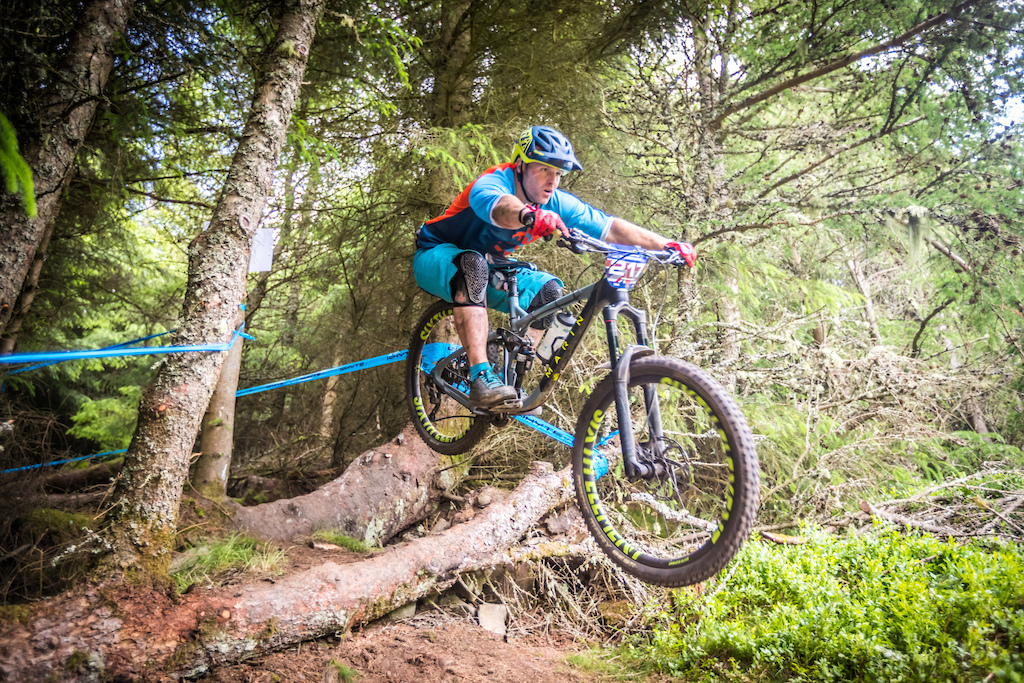
Credit: www.pinkbike.com
Building A Support Network
Pro riders don’t succeed alone. Support from friends, coaches, and family is vital.
Coaches And Trainers
- Offer feedback and structure to your training. Help spot weaknesses and set realistic goals.
- Help set realistic goals. They know what’s achievable and keep you on track.
Mechanics
- Keep your bike in top condition. Regular maintenance saves money and prevents accidents.
- Fix issues quickly so you can focus on riding. Many pros have trusted mechanics they rely on.
Family And Friends
- Provide motivation and encouragement. Celebrate achievements and support you after setbacks.
- Help with logistics like travel and meals. Having someone handle details lets you focus on racing.
Fellow Riders
- Share tips and experience. Group rides build skills and confidence.
- Ride together for safety and fun. Riding with friends makes training less stressful.
Extra tip: join online groups or forums to expand your network and learn from international riders.
Staying Safe And Preventing Injuries
Downhill biking is risky, but smart habits can reduce danger.
Protective Gear
- Use helmets, pads, and gloves every ride. Invest in quality gear and replace when needed.
- Replace gear after crashes or heavy use. Damaged equipment may not protect you.
Trail Etiquette
- Ride within your skill level. Don’t attempt sections you’re not ready for.
- Yield to slower riders and warn others before passing. Be respectful; safety is everyone’s responsibility.
Emergency Preparation
- Carry a first-aid kit and phone. Know how to call for help.
- Know basic injury care. Learn how to treat cuts, sprains, and fractures.
Extra tip: let someone know your plans before heading out, especially on remote trails.
Injury Recovery
- Rest and follow medical advice. Don’t rush back to riding; heal fully first.
- Don’t rush back to riding; heal fully first. Returning too soon can cause lasting problems.
Many pros use physical therapy to speed up recovery and prevent future injuries.
Tracking Progress And Setting Goals
Improvement requires clear goals and tracking your progress.
Setting Smart Goals
- Make goals specific, measurable, achievable, relevant, and time-based. Write them down and review regularly.
- Examples: “Improve race time by 10 seconds in 2 months,” or “Master large jumps by summer.”
Break big goals into smaller steps. For example, “land small jumps consistently” before moving to larger ones.
Using Technology
- Use GPS and timing apps to measure speed and distance. Apps like Strava help track progress.
- Film runs to review skills. Watching yourself helps spot mistakes.
- Keep a training journal. Write down how you felt, what worked, and what needs improvement.
A tip: share your progress with coaches or friends for feedback.
Celebrating Success
- Recognize milestones, even small ones. Celebrate new skills, faster times, or overcoming fears.
- Share achievements with your support network. Thank those who helped you.
Celebrating builds motivation and keeps you focused on improvement.
The Financial Side Of Downhill Mountain Biking
Going pro requires money — for gear, travel, race fees, and training.
Budgeting
- List all expenses: Bike, gear, race entry, travel, maintenance. Use a spreadsheet to track costs.
- Look for discounts or used gear when starting. Many shops offer deals for club members.
Budgeting helps avoid stress and lets you plan for big purchases.
Funding Sources
- Sponsorships from brands or teams. Start with local companies and build up.
- Grants or scholarships from sports organizations. Some regions offer funding for young athletes.
- Personal savings or family support. Save regularly and plan ahead.
Crowdfunding is becoming popular for riders aiming for big races.
Managing Costs
- Travel in groups to share expenses. Split costs for gas, hotels, and meals.
- Stay at budget accommodations. Hostels or camping are cheaper than hotels.
- Maintain your bike to avoid costly repairs. Preventive care is cheaper than emergency fixes.
Extra tip: buy gear during sales or off-season.
Comparing Gear Costs
Here’s a look at typical costs for downhill gear:
| Item | Entry-Level | Pro-Level |
|---|---|---|
| Downhill Bike | $2,000–$3,500 | $5,000–$10,000 |
| Helmet | $100–$200 | $300–$600 |
| Body Armor | $150–$300 | $400–$800 |
| Gloves | $20–$40 | $60–$100 |
| Goggles | $40–$80 | $120–$200 |
Remember, quality gear lasts longer and protects better.

Credit: www.youtube.com
Staying Informed And Connected
The downhill biking world is always changing. Stay informed to keep your edge.
News And Events
- Follow official mountain biking sites and magazines. These sources announce new gear, race results, and training advice.
- Join forums and social media groups. Learn from riders worldwide, ask questions, and share tips.
- Attend events to meet riders and experts. In-person connections build relationships and open opportunities.
A tip: subscribe to newsletters for updates and discounts.
Learning Resources
- Watch tutorials and race footage online. Platforms like YouTube have hundreds of videos from pros and coaches.
- Read books and articles on training and technique. Expand your knowledge beyond riding.
- Attend clinics or workshops. Hands-on learning is the fastest way to improve.
Share what you learn with friends or teammates to help everyone improve.
Useful External Link
For more details on racing rules and global events, visit the UCI Mountain Bike site.
Frequently Asked Questions
What Age Can You Start Downhill Mountain Biking?
Most riders start as teenagers, but you can begin at any age. Many pros began young, but with dedication and practice, adults can also progress quickly. Some clubs offer beginner classes for children, teens, and adults.
How Dangerous Is Downhill Mountain Biking?
Downhill biking is risky due to high speeds and rough terrain. Using the right gear, training smart, and riding within your limits helps reduce injuries. Take courses on safety and first aid to prepare for emergencies.
How Long Does It Take To Become A Pro?
It usually takes several years of consistent training and racing. Some riders progress faster, especially with early coaching and strong support. Focus on steady improvement rather than speed of progress.
Do You Need A Coach To Go Pro?
Coaches are helpful but not required. Many top riders trained with mentors or joined teams. A coach speeds up learning and helps avoid mistakes. Self-study and group rides are also effective.
What Is The Most Important Skill For Downhill Mountain Biking?
Control is the most important skill — handling your bike at speed, braking smoothly, and picking good lines. Physical fitness and mental toughness are also crucial. Adaptability and quick decision-making set pros apart.
Downhill mountain biking is a thrilling and demanding sport. Becoming a pro means mastering technical skills, building physical and mental strength, and understanding the business and community. It’s a journey of learning, growth, and adventure. If you stay committed and surround yourself with supportive people, you can reach the professional level.
Remember, progress comes from smart practice, not just hard work. Stay safe, keep improving, and enjoy the ride.

Hello Guys! I am John Reese, a professional biker and my hobby is biking! I have been biking for last 12 years and I love using bikes while outing as well. Based on my experiences with the different type of bikes (mountain bikes, road bikes and hybrid bikes); I am sharing my opinion about various bikes so that a beginner can get started right away. Happy reading!