
Building your own mountain bike is a rewarding project. It gives you a ride tailored to your needs, lets you understand every part, and often saves money compared to buying a ready-made bike. Whether you want a sturdy bike for trails, a lightweight ride for speed, or something unique, building from scratch puts you in control. But it’s not just about picking parts; you need to match components, use the right tools, and avoid common mistakes. This guide will walk you through each step, from planning to assembly to test riding. If you are new to bike building, you’ll find clear explanations, practical advice, and a few expert tips you won’t see in most articles.
Planning Your Build
Every successful mountain bike project begins with good planning. You need to decide what type of bike you want, set a budget, and choose parts that fit together. Skipping these steps can lead to wasted money and a bike that doesn’t suit you.
Choosing The Right Mountain Bike Type
There are several types of mountain bikes, each designed for different terrain:
- Cross-country (XC): Light and fast, ideal for smooth trails and long rides.
- Trail: Balanced for climbing and descending, good for varied terrain.
- Enduro: Built for rough trails and steep descents, heavier than trail bikes.
- Downhill: Strong and heavy, meant for steep, rocky paths.
Think about where you’ll ride most. If you’re unsure, a trail bike is a safe choice—it’s versatile and suits beginners.
Setting A Budget
Building a mountain bike can cost anywhere from $700 to over $3,000. Your budget depends on:
- Frame material: Aluminum is cheaper, carbon is lighter but expensive.
- Component quality: Entry-level parts are affordable, high-end gear costs more.
- Tools: If you don’t own any bike tools, expect to spend $100–$200 extra.
A common mistake is spending too much on one part (like the frame) and not enough on others (like brakes). Spread your budget evenly.
Sizing And Fit
Bike size is crucial for comfort and safety. Use your height and inseam to choose the correct frame size. Most brands offer sizing charts. Here’s a sample sizing table for reference:
| Rider Height (inches) | Frame Size (inches) | Bike Size (S/M/L) |
|---|---|---|
| 5’2″–5’6″ | 15–16 | Small |
| 5’6″–5’10” | 17–18 | Medium |
| 5’10″–6’2″ | 19–20 | Large |
| 6’2″–6’5″ | 21–22 | X-Large |
If you’re between sizes, pick the smaller one for agility or the larger for stability.
Making A Parts List
Before buying, list every part you need. This ensures compatibility and prevents missing pieces mid-build. Your list should include:
- Frame
- Fork
- Wheels
- Tires
- Handlebars
- Stem
- Headset
- Brakes
- Drivetrain (crankset, cassette, derailleur, shifters)
- Bottom bracket
- Seatpost
- Saddle
- Pedals
- Grips
- Chain
- Cables and housing
Include small items like bolts, spacers, and reflectors. Many beginners forget these, causing delays.
Choosing And Buying Components
Each part affects how your bike rides. Picking the right components makes your bike safer, more comfortable, and more fun. Let’s break down the main parts.
Frame
The frame is the backbone. Choose based on material, geometry, and size.
- Aluminum: Affordable, light, strong. Most beginners use aluminum.
- Carbon fiber: Very light, absorbs vibration, but expensive.
- Steel: Durable, smooth ride, but heavier.
- Titanium: Rare, high-end, combines strength and lightness.
Frame geometry affects handling. Steeper angles make the bike nimble; slacker angles give stability on descents. For most riders, a medium trail geometry is best.
Fork
The fork supports the front wheel and absorbs shocks.
- Suspension fork: Most mountain bikes use a suspension fork with 100–160 mm travel.
- Rigid fork: Less common, lighter but no shock absorption.
Check fork compatibility with frame (head tube size, axle type). Suspension forks come in air and coil types; air is lighter and adjustable.
Wheels And Tires
Wheels affect speed, stability, and weight.
- Wheel size: 27.5″ and 29″ are most popular. 27.5″ is agile, 29″ rolls over obstacles better.
- Rim material: Aluminum is standard, carbon for high-end.
- Tires: Choose based on terrain. Wider tires (2.3″–2.5″) give more grip.
Many beginners overlook rim width—it affects tire compatibility and bike stability.
Handlebar, Stem, And Headset
- Handlebar: Wide bars (760–800 mm) give control. Riser bars lift your hands, flat bars are lower.
- Stem: Connects bar to fork. Short stems (40–60 mm) improve handling.
- Headset: Allows steering; must match frame and fork.
Brakes
- Disc brakes: Most common, strong stopping power.
- Hydraulic: Better performance, more expensive.
- Mechanical: Affordable, easier to maintain.
Hydraulic brakes are best for steep trails. Always match rotor size to your riding style.
Drivetrain
Controls speed and climbing power.
- 1x drivetrain: One front chainring, simple shifting, less weight.
- 2x/3x drivetrain: More gears, better for steep climbs.
Most new bikes use 1×12 setups. Check compatibility with frame and wheel.
Seatpost, Saddle, And Pedals
- Seatpost: Fixed or dropper. Dropper posts let you lower seat on descents—highly recommended.
- Saddle: Comfort depends on shape and padding. Try different models if possible.
- Pedals: Flat pedals for beginners, clipless for advanced riders.
Comparison Of Frame Materials
To help you choose, here’s a frame material comparison:
| Material | Weight | Durability | Price |
|---|---|---|---|
| Aluminum | Medium | High | Low |
| Carbon Fiber | Low | Medium | High |
| Steel | High | Very High | Medium |
| Titanium | Low | Very High | Very High |
Where To Buy Components
You can buy parts online, at bike shops, or secondhand.
- Online stores: Wide selection and lower prices.
- Local shops: Personal advice, easier returns.
- Used markets: Save money, but inspect carefully.
Always check return policies and warranties.
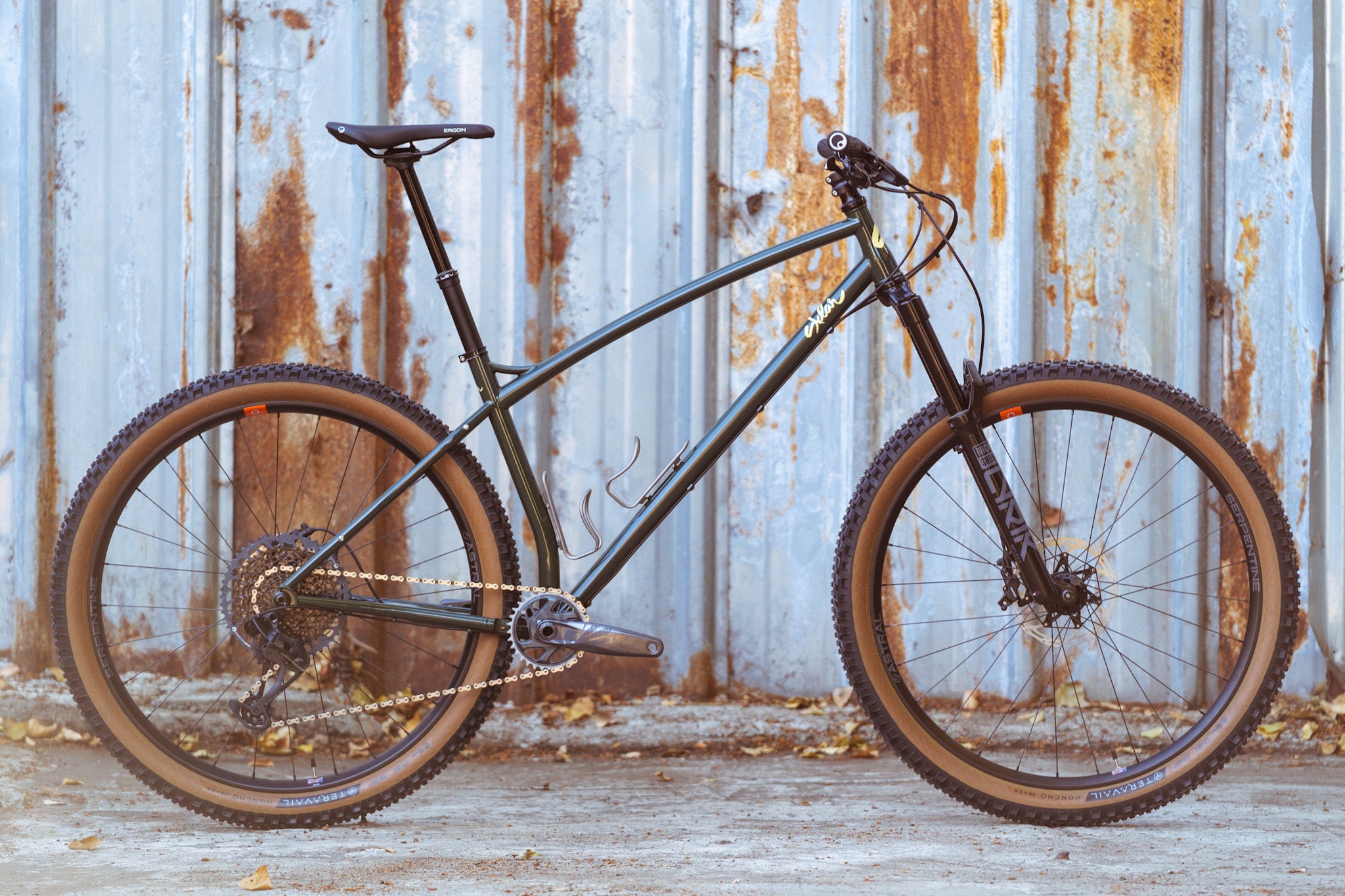
Credit: sklarbikes.com
Tools You Need
You need the right tools to build a mountain bike safely and efficiently. Buying a bike tool kit is smart—it covers most needs. Here are essential tools:
- Allen wrenches (4, 5, 6 mm)
- Torque wrench
- Screwdrivers
- Chain tool
- Cassette tool
- Bottom bracket tool
- Pedal wrench
- Cable cutters
- Grease and lubricants
A torque wrench is vital. Many beginners skip it, but proper torque prevents damage and accidents.
Step-by-step Assembly Guide
Now it’s time to put your mountain bike together. Follow these steps carefully. If you’re unsure, ask a local bike mechanic.
1. Preparing The Frame
Unpack the frame and inspect for damage. Clean the surfaces. Grease all threads—this prevents rust and makes disassembly easier.
Install the headset into the head tube, following manufacturer instructions. Press-fit headsets need special tools; threaded headsets are easier.
2. Installing The Fork
Slide the fork into the frame’s head tube. Add headset bearings, spacers, and top cap. Tighten bolts using a torque wrench. The fork should turn smoothly but not wobble.
3. Mounting The Wheels
Fit the rear wheel first, then the front. If your wheels use thru-axles, insert and tighten them. If quick-release, ensure they’re secure.
Check wheel alignment—wheels should spin freely without rubbing brakes.
4. Attaching The Handlebar And Stem
Connect the stem to the fork steerer tube. Attach the handlebar to the stem. Adjust to your preferred angle. Tighten bolts to recommended torque.
5. Installing The Brakes
Mount brake calipers to the frame and fork. Attach rotors to wheels. Connect hydraulic or mechanical lines. Adjust calipers so pads don’t rub.
Bleed hydraulic brakes if needed (follow manufacturer’s guide). This step is often missed by beginners, leading to weak braking.
6. Setting Up The Drivetrain
Install the bottom bracket into the frame. Mount the crankset and pedals.
Attach the rear derailleur to the frame hanger. Fit the cassette onto the rear wheel. Thread the chain through the drivetrain. Use a chain tool to connect it.
Connect shifters and cables. Adjust derailleur alignment. Test shifting—gears should change smoothly.
7. Fitting The Seatpost And Saddle
Insert the seatpost into the frame. Attach the saddle. Adjust height to your inseam (usually 25–30% of your leg length for mountain bikes).
If using a dropper post, connect the cable and test movement.
8. Adding Tires, Grips, And Accessories
Fit tires onto rims. Inflate to recommended pressure (usually 25–35 psi for mountain bikes). Add handlebar grips, reflectors, and any accessories like bottle cages.
9. Final Checks
Go over every bolt. Use the torque wrench. Check brakes, gears, and wheel alignment. Spin wheels to ensure smooth movement.
Test ride in a safe area. Listen for odd noises or feel for strange movements.
Sample Assembly Sequence Table
Here’s a table showing a typical assembly sequence and estimated time:
| Step | Estimated Time | Difficulty |
|---|---|---|
| Frame Prep | 15 min | Easy |
| Fork Install | 20 min | Medium |
| Wheel Mount | 15 min | Easy |
| Handlebar/Stem | 20 min | Easy |
| Brakes Setup | 30 min | Hard |
| Drivetrain Setup | 40 min | Hard |
| Seatpost/Saddle | 10 min | Easy |
| Tires/Accessories | 15 min | Easy | Final Checks/Test Ride | 15 min | Easy |
Total time: 2–3 hours for experienced builders, 4–6 hours for beginners.

Credit: mbaction.com
Common Mistakes And How To Avoid Them
Building a mountain bike can be tricky. Even experienced riders make errors. Here are some mistakes to watch out for:
- Mixing incompatible parts: Not all parts fit together. Check sizes, standards, and compatibility.
- Skipping torque wrench: Overtightening can break parts; undertightening can cause accidents.
- Neglecting cable routing: Poor routing leads to bad shifting or brake performance.
- Ignoring thread grease: Dry threads can seize up, making repairs hard.
- Incorrect wheel size: Don’t mix 27.5″ and 29″ wheels unless your frame allows it.
- Wrong tire pressure: Too high makes the ride harsh, too low causes flats.
- Not bleeding hydraulic brakes: Air in the system means weak stopping power.
- Missing small parts: Spacers, bolts, and washers are easy to forget but essential.
One non-obvious tip: always check frame and fork compatibility for axle type and brake mounts. Many beginners buy parts that don’t fit, wasting time and money.
Upgrading And Customizing
Once your basic bike is built, you may want to upgrade or customize. This is part of the fun and can improve performance.
Upgrading Components
- Dropper seatpost: Lets you adjust saddle height during rides.
- Tubeless tires: Reduce flats, improve grip.
- Lighter wheels: Boost acceleration and climbing.
Upgrades can be done gradually. Don’t rush—ride the bike first and see what needs improving.
Customizing For Comfort
- Handlebar width: Wider or narrower for your shoulders.
- Saddle shape: Try different saddles for comfort.
- Suspension tuning: Adjust air pressure or damping for your weight.
Custom touches like colored grips, decals, or custom paint make your bike unique.
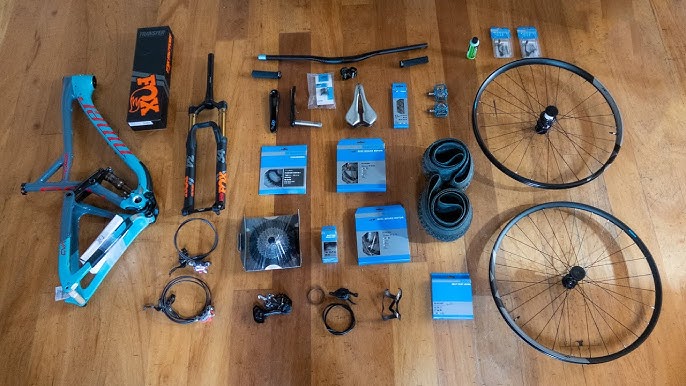
Credit: www.youtube.com
Safety And Maintenance
Building your bike is only the start. Maintenance keeps it safe and fun.
Safety Checks
- Before every ride: Check brakes, tire pressure, and quick-release levers.
- Monthly: Inspect frame for cracks, check chain wear, and ensure bolts are tight.
Never ignore strange noises or changes in performance.
Basic Maintenance
- Clean the bike regularly: Mud and dirt wear down parts.
- Lubricate the chain: Every 100 miles or after wet rides.
- Check brake pads: Replace when thin.
- Adjust gears: If shifting is rough, tweak derailleur.
A well-maintained bike lasts longer and rides better.
Cost Breakdown And Saving Tips
Building a mountain bike can be affordable if you plan well. Here’s a typical cost breakdown:
- Frame: $250–$700
- Fork: $120–$500
- Wheels: $150–$400
- Tires: $50–$100
- Brakes: $100–$250
- Drivetrain: $150–$400
- Handlebar/Stem: $50–$120
- Seatpost/Saddle: $60–$150
- Pedals: $30–$80
- Grips/Accessories: $30–$60
- Tools: $100–$200
Total: $1,090–$2,860
You can save by buying used parts, watching for sales, or starting with entry-level components.
Many beginners overspend on flashy parts. Focus on quality where it matters: frame, fork, and brakes.
Practical Tips For Beginners
- Start with a clear plan: Write your parts list and check compatibility.
- Don’t rush: Take your time—errors lead to wasted money.
- Ask for help: Bike shops and online forums are great resources.
- Keep parts organized: Lay out everything before starting.
- Test often: After each step, check function.
One extra tip: take photos during each assembly step. If you need to disassemble later, you’ll know how everything fits.
Getting Expert Help
If you feel stuck, don’t hesitate to seek expert help. Bike shops often offer assembly services or advice for a small fee. There are also online guides and videos, such as those found on Pinkbike, that cover advanced topics.
Frequently Asked Questions
What’s The Easiest Type Of Mountain Bike To Build For Beginners?
A trail bike is usually the easiest. It uses standard parts, fits many riders, and doesn’t require special tools.
How Do I Check If Components Are Compatible?
Check manufacturer specs for sizes (like bottom bracket, headset, axle type). Use online compatibility charts or ask your local bike shop.
Is It Cheaper To Build A Mountain Bike Than Buy One?
It can be, especially if you use used parts or buy during sales. But for high-end bikes, buying pre-built may save money and time.
What Tools Are Absolutely Necessary?
You need Allen wrenches, a torque wrench, chain tool, cassette tool, bottom bracket tool, and cable cutters. Optional tools make things easier but aren’t essential.
How Long Does It Take To Build A Mountain Bike?
For beginners, expect 4–6 hours spread over a weekend. Experienced builders can finish in 2–3 hours. Take your time for better results.
Building your own mountain bike is a journey—one that teaches you skills and creates a bike you’ll be proud to ride. With careful planning, the right tools, and a bit of patience, you’ll end up with a mountain bike that fits your needs perfectly.
Enjoy the ride!

Hello Guys! I am John Reese, a professional biker and my hobby is biking! I have been biking for last 12 years and I love using bikes while outing as well. Based on my experiences with the different type of bikes (mountain bikes, road bikes and hybrid bikes); I am sharing my opinion about various bikes so that a beginner can get started right away. Happy reading!