
Choosing the right mountain bike tire size can change how your bike feels, how you ride, and even how safe you are on the trail. The size affects everything from grip to speed and comfort. With so many options—different widths, diameters, and even special tire technologies—it’s easy to feel lost. If you pick the wrong size, you might struggle with poor traction or even damage your bike. But if you know what to look for, you’ll find a tire that matches your style, your trails, and your bike.
This guide breaks down the basics and the details. Whether you’re new to mountain biking or want to improve your ride, you’ll learn how to match tire size to your needs. You’ll also discover mistakes many riders make, practical tips, and insights you won’t find in most articles.
By the end, you’ll know exactly how to choose the best mountain bike tire size for your next adventure.
Why Tire Size Matters For Mountain Biking
The size of your tire is not just about fit—it’s about how your bike handles the trail. Tire size influences grip, rolling speed, comfort, and even safety. A tire too small for your terrain can slip out in corners, while one too big can slow you down and feel heavy. The wrong choice might make your ride less fun or even dangerous.
For example, wider tires offer more grip and comfort but can feel slower and heavier. Narrower tires roll faster but might not give enough control on loose or wet trails. The right size helps you balance these factors, letting you ride with more confidence and less effort.
Another non-obvious point: tire size can also affect your bike’s geometry. A change in tire diameter or width can slightly raise or lower your bottom bracket, altering how your bike turns and pedals. This small detail is often missed by beginners but can make a real difference.
Understanding Mountain Bike Tire Size Measurements
To choose the right tire, you need to understand what the numbers mean. Mountain bike tires are usually labeled with two key measurements: diameter and width.
- Diameter: This is the distance from one edge of the tire to the other, across the center. Common sizes are 26”, 27.5” (also called 650B), and 29”.
- Width: This is how wide the tire is, usually measured in inches or millimeters. Typical widths range from 1.9” up to 3.0” or more.
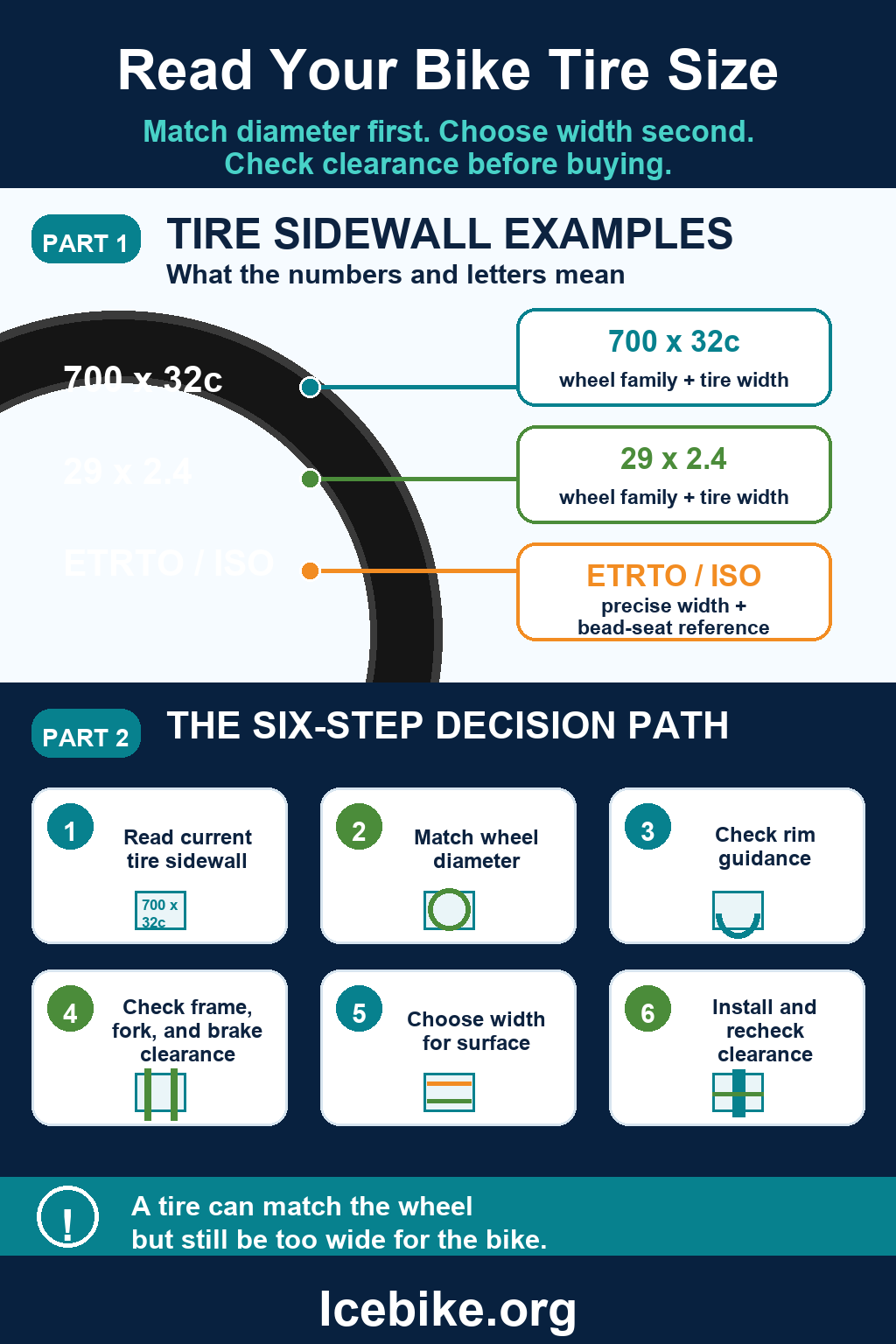
You’ll see tire sizes written like “27. 5 x 2. 25”. The first number (27. 5) is the diameter in inches, and the second (2. 25) is the width.
Metric Vs. Imperial Sizing
Some tires use a metric system called ETRTO (European Tire and Rim Technical Organization). For example, “57-622” means the tire is 57mm wide and fits a rim with a 622mm bead seat diameter. Most US riders use the imperial system, but you may see both.
Actual Vs. Stated Size
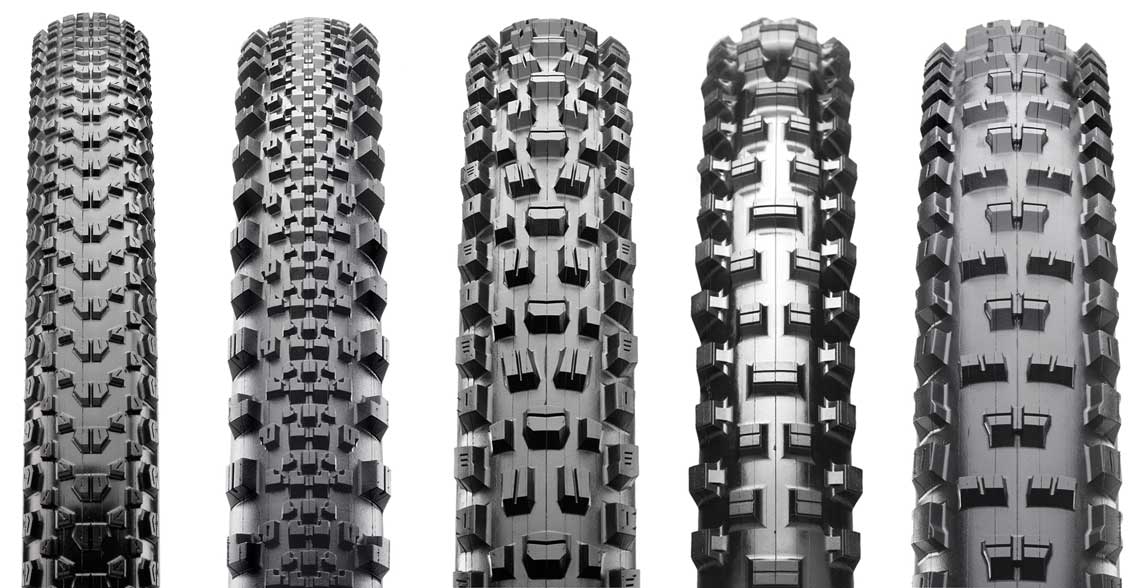
A common beginner mistake: the size printed on the sidewall is not always the exact width or diameter when mounted and inflated. Tire pressure, rim width, and even brand can make the actual size a bit different. For this reason, always check your bike frame and fork for real clearance, not just the numbers.
Credit: www.liv-cycling.com
Main Mountain Bike Tire Diameters
Mountain bike tire diameter has evolved over the years. Understanding the differences can help you decide what’s best for your bike and your style.
26-inch Tires
For years, 26-inch was the standard. These are still found on older bikes and kids’ mountain bikes. They’re nimble and accelerate quickly but roll less smoothly over obstacles compared to larger sizes.
27.5-inch (650b) Tires
The 27.5-inch tire, also called 650B, has become popular for its balance. It rolls better than 26-inch, but is more agile than 29-inch. Many modern trail and all-mountain bikes use this size.
29-inch Tires
29-inch tires, or “29ers”, roll over rocks and roots more easily. They keep speed better and offer more grip, but can feel slower to turn. They’re common on cross-country and enduro bikes.
Less Common Sizes
You might see 24-inch tires on youth bikes or plus-size tires (2.8”–3.0” wide) in 27.5” or 29” diameter for extra grip and comfort.
Here’s a quick comparison of key characteristics for each diameter:
| Diameter | Main Strength | Main Weakness | Best For |
|---|---|---|---|
| 26-inch | Agility, quick acceleration | Less smooth over obstacles | Older bikes, kids, tight trails |
| 27.5-inch | Good balance, versatility | Not as fast as 29”, not as nimble as 26” | Trail, all-mountain |
| 29-inch | Rolls over obstacles, speed | Turns slower, heavier for some | XC, enduro, tall riders |
How Tire Width Affects Performance
Tire width is just as important as diameter. It changes how your bike feels on different trails.
Narrow Tires (1.9” – 2.2”)
- Faster rolling on hard, smooth trails
- Less grip and comfort on rocky or loose ground
- Lighter weight
These are common for cross-country racing, where speed matters most and trails are less rough.
Medium Width (2.25” – 2.5”)
- Good balance of grip and speed
- Versatile for many trail types
Most trail and all-mountain bikes use this range. You get enough grip for corners and rocks but don’t feel too slow.
Wide And Plus-size Tires (2.6” – 3.0”)
- Maximum grip and cushion
- Better control in sand, mud, or snow
- Heavier and slower on hardpack
Fat bikes use even wider tires (up to 5”) for deep snow or sand. But for most riders, “plus” tires can offer comfort and control if your frame fits them.
Practical Example
If you mostly ride fast, packed trails, a 2.2” tire might help you go faster. If you ride steep, rocky trails, a 2.5” or 2.6” tire will give more confidence and control.
How Terrain And Riding Style Affect Tire Size Choice
It’s not just about numbers. The trails you ride and your style matter most.
Trail Type
- Smooth trails or hardpack: Narrower tires (1.9–2.2”) roll faster and are enough for grip.
- Rocky, rooty, or technical trails: Wider tires (2.3–2.6”) offer more grip and comfort.
- Loose, sandy, or muddy trails: Plus-size or fat tires (2.6”+) float and grip better.
Riding Style
- Racers or speed-focused riders: Narrower, lighter tires help with acceleration.
- Aggressive or downhill riders: Wider, tougher tires for control and durability.
- Recreational/trail riders: Medium widths balance speed and grip.
Local Climate
In wet or muddy regions, a slightly narrower tire can clear mud better, while wide tires might pack up and slip. In dry, loose areas, wide tires offer more safety.
Rim Width And Tire Compatibility
A detail often overlooked is how rim width affects tire choice. Not every tire fits every rim. If your rim is too narrow or wide for your tire, the shape and performance suffer.
How Rim Width Changes Tire Shape
- Narrow rim + wide tire: Tire “bulges,” less stable in corners.
- Wide rim + narrow tire: Tire is stretched, less comfort and grip.
Most modern mountain bike rims are 23–35mm internal width. Here’s how common tire widths match up:
| Rim Internal Width | Recommended Tire Width |
|---|---|
| 19–23mm | 1.9”–2.25” |
| 24–29mm | 2.2”–2.5” |
| 30–35mm | 2.4”–2.8” |
| 35mm+ | 2.8”–3.0” (plus tires) |
Checking Your Rim And Frame
Always check your bike’s specs or measure your rim’s internal width. Make sure the tire you want will fit both the rim and the frame/fork with enough space for mud and debris.
Tubeless Vs. Tube-type Tires And Their Impact On Size
Mountain bikers today often choose between tubeless and tube-type tires. This choice can change your ideal tire size.
Tubeless Tires
These use no inner tube. Instead, the tire and rim create an airtight seal, often with liquid sealant inside.
- Pros: Lower pressures for more grip, fewer flats, lighter in some cases.
- Cons: Can be harder to set up, not all rims are compatible.
Tubeless tires can be run at lower pressures, making wider tires even more comfortable and grippy. But you still need to match tire and rim size properly.
Tube-type Tires
These use a standard inner tube. They’re simpler, but higher pressures are needed to avoid pinch flats, which can limit grip.
Tip: If you’re upgrading to tubeless, you might safely use a wider tire than before, but always check frame and rim limits.
Weight And Rolling Resistance: How Size Plays A Role
A bigger tire is heavier, and a heavier tire takes more energy to move. But it can also roll over obstacles more smoothly. There’s always a tradeoff.
- Narrow, light tires: Less rotating weight, faster acceleration, but less grip.
- Wide, heavy tires: More grip and comfort, but slower to spin up and climb.
Rolling resistance is how much energy the tire needs to keep rolling. On rough trails, a wider tire at lower pressure can actually roll faster because it doesn’t bounce as much. On smooth trails, a narrow tire is usually faster.
Insight: Tire design and rubber compound also affect weight and rolling resistance, not just size. A grippy, soft tire might roll slower even if it’s narrow.
Matching Tire Size To Your Bike’s Frame And Fork
Not every tire fits every bike. Frame and fork clearance is the main limit.
- Measure the space inside your frame and fork (especially at the closest points).
- Leave at least 3–5mm of space on each side for mud and debris.
- Some bikes (especially XC or older models) can only fit up to 2.2”–2.3” tires.
- Downhill, enduro, or modern trail bikes often fit 2.4”–2.6” (or wider).
Mistake to avoid: Forcing a wide tire into a narrow frame can damage the bike or cause rubbing and dangerous handling.
Front Vs. Rear Tire Size: Should They Match?
Many riders use a wider tire in front for more grip and a slightly narrower tire in the back for less weight and faster rolling. This setup improves control and efficiency.
- Front tire: Wider, aggressive tread for grip in corners and braking.
- Rear tire: Slightly narrower, faster tread for acceleration.
Example: A 2.5” tire in front and a 2.3” in back is a common choice for trail and enduro riders.
How Rider Weight And Bike Type Influence Tire Size Choice
Your weight affects how much tire pressure you need and how the tire behaves.
- Heavier riders: May need wider tires for better support and to avoid pinch flats.
- Lighter riders: Can use narrower tires and lower pressures safely.
Bike type also matters:
- Hardtails (no rear suspension): Wider tires add comfort.
- Full-suspension bikes: May get away with slightly narrower tires, as the suspension absorbs some impacts.
Tire Size And Suspension: Hidden Connections
Your suspension is tuned for a certain tire size. If you go much wider or taller, it can change how your suspension works.
- Larger tires can raise your bike’s bottom bracket, making it feel “taller” and changing handling.
- Too-tall tires can reduce the space for the suspension to move, risking tire/frame contact.
Tip: If you change tire size a lot, check your suspension settings and clearance.
Understanding Plus-size And Fat Bike Tires
Some bikes are designed for plus-size (2.8”–3.0”) or fat (4.0”–5.0”) tires. These are for special conditions.
- Plus-size: Great for loose, rocky, or rooty trails. Extra comfort and grip, but heavier.
- Fat bike tires: For snow, sand, or very loose surfaces. Need special frames and rims.
Warning: Do not try to fit plus or fat tires on a regular mountain bike. They won’t fit and can be dangerous.
Tire Size And Skill Level: What’s Best For You?
If you’re new to mountain biking, you might want a medium-width tire (2.3”–2.5”). These are forgiving, offer good grip, and handle most trails well.
- Beginners: 2.3”–2.5” tires for control and comfort.
- Intermediate/advanced: May choose specific tires for speed or grip based on trail.
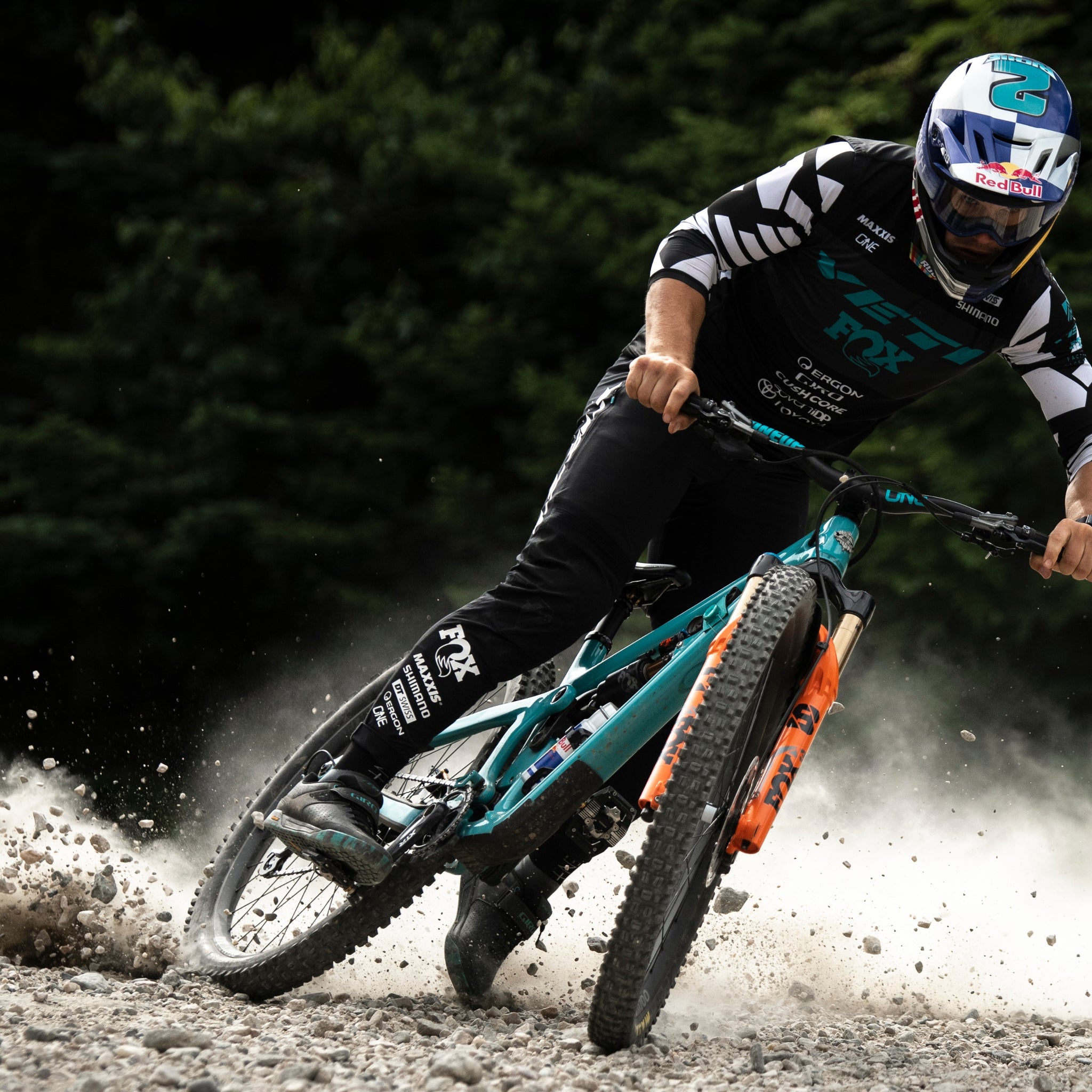
Non-obvious insight: As you improve, you might try different sizes for front and rear, or experiment with tire pressures to fine-tune your ride.
Credit: www.theproscloset.com
How Tire Pressure And Size Work Together
Larger tires can run at lower pressures, which gives more grip and comfort. But go too low, and you risk pinch flats or burping (tubeless tires losing air).
- Narrow tire: Needs higher pressure to avoid pinch flats.
- Wide tire: Can safely run lower pressure.
Example: A 2.2” tire might need 28–35 psi, while a 2.5” tire might work at 20–27 psi (depending on weight and terrain).
Most Common Mistakes When Choosing Tire Size
- Ignoring frame and rim limits: Forcing a wide tire can damage your bike.
- Choosing based on looks, not needs: Wider isn’t always better.
- Not checking real tire size: As mentioned, actual size can vary.
- Forgetting about terrain: A wide tire can be slow on hardpack.
- Not matching rim and tire: Wrong combos reduce grip and safety.
Pro tip: Always test tire fit and clearance before riding. Spin the wheel and check for rubbing.
Comparing Popular Tire Sizes For Real-world Use
Let’s look at how some popular sizes stack up for different riding styles:
| Tire Size | Weight (avg.) | Best For | Typical Pressure Range |
|---|---|---|---|
| 26 x 2.1” | 650g | XC, older bikes | 30–40 psi |
| 27.5 x 2.4” | 800g | Trail, all-mountain | 22–30 psi |
| 29 x 2.25” | 780g | XC, trail | 25–33 psi |
| 27.5 x 2.8” | 950g | Plus bikes, loose trails | 15–23 psi |
How To Measure Tire Clearance On Your Bike
To avoid mistakes, you should measure your bike’s actual clearance before buying wider tires.
- Remove your current tire and measure the distance between the frame/fork and the rim at the tightest point.
- Subtract at least 6–10mm (for mud, flex, debris).
- Check the tire’s actual width (look up reviews or manufacturer specs).
- If in doubt, ask your local bike shop for advice.
Insight: Some brands’ “2.4” tires can measure 2.5” wide, so always check with calipers if possible.
Practical Tips For Choosing The Right Tire Size
- Research your bike model: Most brands list max tire size online.
- Read real-world reviews: Look for feedback from riders with your bike and riding style.
- Test before you buy: If possible, try a friend’s bike or demo tires.
- Consider your goals: Do you want more speed, more grip, or more comfort?
- Don’t go too extreme: A moderate change can have a big effect without causing problems.
When To Change Tire Size
You might want to switch tire size if:
- You move to a new area with different trails.
- You upgrade your wheels or frame.
- You want more speed (try narrower) or more grip (try wider).
- Your current tires wear out and you want to experiment.
But always check compatibility first.
Tire Size And E-bikes
E-mountain bikes are heavier and often need tougher, wider tires for stability and durability. Many e-bikes come stock with 2.4”–2.8” tires. If you ride an e-bike, look for e-bike rated tires for best performance and safety.
Where To Find Tire Size Information
- On the tire sidewall: Shows diameter and width.
- Bike manufacturer’s website: Lists max tire size for each model.
- Rim specs: Check rim internal width for compatible tire sizes.
- Local bike shop: A good shop can help you measure and choose.
For more technical details, the Sheldon Brown tire sizing guide is a trusted resource.
Credit: btmcomp.com
Frequently Asked Questions
What Is The Most Common Mountain Bike Tire Size?
The most common sizes today are 27.5 x 2.4” and 29 x 2.25”–2.4”. Many modern bikes use these because they balance speed, grip, and comfort for most trails.
Can I Put A Wider Tire On My Mountain Bike?
Yes, but only if your frame, fork, and rim can handle the wider tire. Always check actual clearance and rim compatibility before buying.
What Size Tire Is Best For Beginners?
A 2.3”–2.5” wide tire in the correct diameter for your bike (usually 27.5” or 29”) is a safe, forgiving choice for most beginners.
How Do I Know If A Tire Will Fit My Rim?
Check your rim’s internal width and match it to the recommended tire width. Most modern rims list this in the specs. Make sure the tire is not too wide or narrow for the rim.
Does Tire Size Affect Speed?
Yes. Narrower tires are faster on smooth trails, while wider tires give more control on rough ground. The best speed comes from matching tire size to the trail and your riding style.
Mountain bike tire size is more than just a number on the sidewall. The right choice means safer, more enjoyable rides and can even help you ride faster or with more confidence. Take your time, measure carefully, and don’t be afraid to ask for help or try new things.
The trails are waiting—pick the tire size that matches your adventure.

Hello Guys! I am John Reese, a professional biker and my hobby is biking! I have been biking for last 12 years and I love using bikes while outing as well. Based on my experiences with the different type of bikes (mountain bikes, road bikes and hybrid bikes); I am sharing my opinion about various bikes so that a beginner can get started right away. Happy reading!