
Selecting the right mountain bike can feel overwhelming. With so many styles, features, and price ranges, it’s easy to get lost. But choosing your mountain bike doesn’t have to be confusing. Whether you’re new to biking or want to upgrade, understanding what matters most will help you find a bike that fits your needs and budget.
This guide breaks down the essentials, shares expert tips, and gives you the confidence to pick a mountain bike you’ll love for years.
Understanding Mountain Bike Types
Mountain bikes are not all the same. They are designed for different terrains and riding styles. Knowing the main types helps you narrow your choices.
Hardtail Vs Full Suspension
Hardtail bikes have suspension only in the front fork. They are lighter, simpler, and usually cheaper. Hardtails are ideal for smooth trails, cross-country riding, and beginners.
Full suspension bikes have front and rear suspension. They absorb bumps better, making them perfect for rough trails, downhill, and technical terrain. They cost more and need extra maintenance.
Quick Comparison
| Type | Main Features | Best For | Price Range |
|---|---|---|---|
| Hardtail | Lighter, less maintenance | Beginner, cross-country | $500–$2,000 |
| Full Suspension | Comfort, control, complex | Trail, enduro, downhill | $1,500–$6,000+ |
Main Mountain Bike Categories
- Cross-country (XC): Built for speed and efficiency on smooth trails.
- Trail: Versatile, handles varied terrain, the most common for casual riders.
- Enduro/All-mountain: Tough, handles steeper and rougher trails.
- Downhill: Designed for steep descents, heavy, and strong.
- Fat bikes: Extra-wide tires for sand, snow, or soft ground.
Which Is Right For You?
If you ride mostly on flat, smooth paths, a cross-country bike is enough. For mixed trails, a trail bike gives flexibility. If you want to tackle steep, rocky terrain, consider enduro or downhill bikes. Fat bikes are a niche choice for soft surfaces.
Frame Material: What’s Best For You?
The frame is the heart of your mountain bike. Different materials affect weight, price, and durability.
Common Frame Materials
| Material | Weight | Durability | Cost | Ride Feel |
|---|---|---|---|---|
| Aluminum | Light | Good | Affordable | Stiff, responsive |
| Steel | Heavy | Very strong | Moderate | Smooth, flexible |
| Carbon fiber | Very light | Strong, but can crack | Expensive | Vibration dampening |
| Titanium | Light | Excellent | Very expensive | Comfortable, lively |
Aluminum is the most common choice. It’s light, affordable, and suits most riders. Steel frames last long and absorb bumps well but add weight. Carbon fiber gives the best performance but costs much more. Titanium is rare, mostly for high-end custom bikes.
Practical Advice
For beginners and most riders, aluminum is perfect. If you want a smoother ride and don’t mind extra weight, steel is good. If you race or need the lightest bike, carbon fiber is worth considering—but only if your budget allows.
Choosing The Right Size
Bike size is vital for comfort and safety. A bike too big or small can cause pain, poor control, and even injury.
How To Find Your Size
Manufacturers use frame size (usually in inches or centimeters). It’s based on the length of the seat tube. But sizing isn’t just about numbers. Your height, leg length, and reach also matter.
Here’s a simple guide:
| Rider Height | Frame Size (inches) | Frame Size (cm) |
|---|---|---|
| 5’0”–5’4” | 13–15 | 33–38 |
| 5’5”–5’9” | 15–17 | 38–43 |
| 5’10”–6’1” | 17–19 | 43–48 |
| 6’2”–6’4” | 19–21 | 48–53 |
Non-obvious Insight
Standover height (how much space is between you and the top tube when you stand over the bike) is often overlooked. Make sure you have at least 2 inches of clearance for comfort and safety.
Try Before You Buy
Always test ride if possible. Different brands feel different, even at the same size. Adjust the seat and handlebars to match your body. If you can’t test, check reviews and fit charts online.
Wheel Size: What Difference Does It Make?
Mountain bikes now come with three main wheel sizes: 26-inch, 27.5-inch (650B), and 29-inch. Each has pros and cons.
Wheel Size Comparison
- 26-inch: Classic, quick and agile, but less common now.
- 27.5-inch: Balanced, fast, and easier to handle than 29-inch.
- 29-inch: Rolls over obstacles better, more stable, but harder to turn.
Which Should You Choose?
For shorter riders or those who want a nimble bike, 27. 5-inch is ideal. If you ride fast or tackle big obstacles, 29-inch wheels are best. 26-inch is rare but can be found on some youth or budget bikes.
Real World Example
A 29-inch bike makes rocky trails easier, but can feel slow to turn. A 27. 5-inch bike is better for twisty paths or jumps.
Credit: www.liv-cycling.com
Suspension: How Much Do You Need?
Suspension smooths out bumps and gives control. The amount of travel (movement) in the suspension matters.
Suspension Travel
- 80–120 mm: Good for cross-country and light trails.
- 120–150 mm: Suits trail and all-mountain riding.
- 150–200 mm: For enduro and downhill, absorbs big hits.
Common Mistake
Some beginners buy bikes with too much suspension. It adds weight and cost. Choose what matches your trails.
Gearing: How Many Speeds?
Mountain bikes use gears to handle different slopes and speeds. Modern bikes can have anywhere from 1 to 12 speeds in the back, and sometimes multiple front chainrings.
Single Vs Multiple Chainrings
- Single (1x): Simpler, lighter, easier to use.
- Double/Triple: More range, but heavier and complex.
Most new bikes use 1x systems (one front chainring). It’s enough for most riders. If you ride steep hills or carry heavy loads, more gears can help.
Gear Range
Look for a wide-range cassette (like 11–50 teeth in the back). It gives easy climbing and fast descending.
Brakes: Stopping Power Matters
Mountain bikes use rim brakes or disc brakes.
- Rim brakes: Cheap, light, less effective in mud or rain.
- Mechanical disc brakes: Stronger, easy to maintain, affordable.
- Hydraulic disc brakes: Best stopping power, smooth, but cost more.
Which Should You Get?
Disc brakes are now standard. Hydraulic is best for performance, but mechanical is fine for beginners.
Uncommon Tip
Check the size of the rotors. Bigger rotors (180 mm or more) give stronger braking, especially on steep descents.
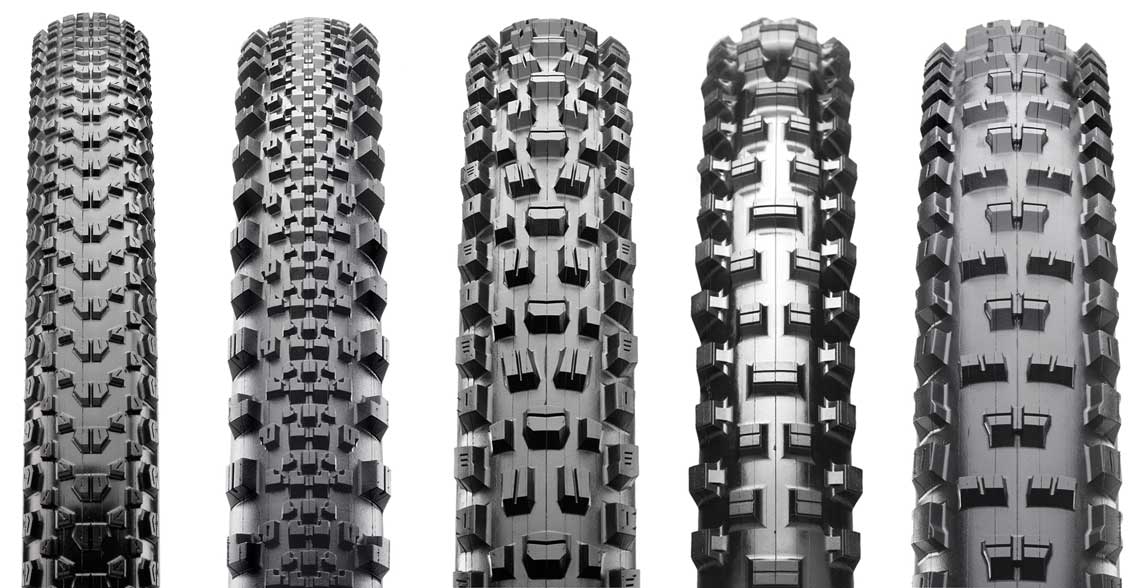
Tires: Traction And Comfort
Tires affect grip, comfort, and speed. Choose based on your trails.
Tire Width
- Narrow (1.9–2.2 inches): Fast, less grip, for smooth trails.
- Wide (2.3–2.6 inches): More traction, comfort, for mixed terrain.
- Extra wide (2.8–5 inches): Fat bikes, for sand or snow.
Tread Pattern
- Smooth: Fast on hard surfaces.
- Knobby: Grips in mud, loose dirt.
- Mixed: Good for all-around use.
Tubeless Tires
Many modern bikes use tubeless tires. They seal without inner tubes, resist punctures, and allow lower pressure for more grip.

Credit: www.ion-products.com
Fit And Comfort Features
Handlebar Type
- Flat bars: Standard, good for control.
- Riser bars: Higher, more comfortable for long rides.
Seat (saddle)
Choose a saddle that fits your sit bones. Wider seats are more comfortable for casual riders; narrow is better for racing.
Grips And Pedals
Good grips and pedals prevent slipping. If you ride rough terrain, look for clipless pedals for better control.
Adjustable Features
Some bikes offer dropper seatposts, letting you lower the seat while riding—helpful for descents.
Price: Setting Your Budget
Mountain bikes range from under $500 to over $10,000. But spending more doesn’t always mean a better bike for you.
What You Get At Each Price Level
- Under $500: Basic hardtails, entry-level components.
- $500–$1,500: Good hardtails, basic full suspension.
- $1,500–$3,000: Quality suspension, better materials.
- $3,000+: High-end bikes, carbon fiber, advanced features.
Hidden Costs
Don’t forget helmets, gloves, shorts, and maintenance tools. These can add $100–$500.
Uncommon Insight
Some brands offer “last year’s model” at big discounts. These bikes are new, just not the latest design. You can save 20–40% without losing quality.
Credit: weber-kunststofftechnik.de
Brand And Warranty
Well-known Brands
Popular brands include Trek, Specialized, Giant, Cannondale, and Santa Cruz. They offer good support and quality.
Warranty
Check the warranty before buying. Most brands offer at least 1–3 years on the frame, some lifetime. Parts usually have shorter coverage.
Where To Buy
Local bike shops offer fitting and support. Online stores can be cheaper but may lack service. Consider buying from a shop with good after-sales support.
Comparing Key Features
It’s easy to get lost in specs. Here’s a simple table comparing features you should focus on:
| Feature | Beginner | Intermediate | Advanced |
|---|---|---|---|
| Frame | Aluminum | Aluminum/Carbon | Carbon/Titanium |
| Suspension | Hardtail/Short travel | Full suspension/Medium travel | Full suspension/Long travel |
| Brakes | Mechanical disc | Hydraulic disc | Hydraulic disc/Big rotors |
| Gears | 1×10/1×11 | 1×11/1×12 | 1×12/Custom |
| Tires | 2.1–2.3″ | 2.3–2.6″ | 2.6–2.8″/Tubeless |
Test Riding: Why It Matters
Before buying, test ride different bikes. Feel the handling, check comfort, and see if the size fits. Ask about adjusting seat height and handlebar position. If you buy online, check return policies.
Real-world Tip
Many bike shops let you test on local trails. Bring your riding shoes and gear for a true feel.
Maintenance: Consider The Ongoing Work
Mountain bikes need regular care. Suspension, brakes, and gears all require cleaning and adjustment.
What To Expect
- Basic cleaning: After muddy rides, wipe down and oil the chain.
- Tune-ups: Every 3–6 months, adjust brakes, gears, and check bolts.
- Suspension service: Every 1–2 years, clean and refill.
If you’re not comfortable with repairs, choose a bike with simple parts and buy from a shop that offers support.
Common Mistakes When Selecting A Mountain Bike
- Choosing the wrong size: Leads to discomfort and poor control.
- Ignoring terrain needs: Overbuying features for easy trails or underbuying for rough terrain.
- Focusing only on price: Cheap bikes may cost more in repairs.
- Not considering future upgrades: Some bikes can’t be easily improved.
- Skipping the test ride: Only real-world testing reveals true fit.
- Overlooking weight: Heavier bikes are tiring, especially for small riders.
- Ignoring warranty and support: Poor after-sales can ruin your experience.
Expert Tips For Mountain Bike Selection
- Buy for your needs, not trends: Fancy features are useless if you never use them.
- Check local trail conditions: Ask friends or shops what bike suits your area.
- Look for deals on last year’s models: Save money without losing quality.
- Consider used bikes: Good brands hold up well, but inspect carefully.
- Budget for gear: Helmets, gloves, and shoes matter as much as the bike.
Where To Research Further
For deep reviews, specs, and buying advice, visit Bicycling Magazine.
Frequently Asked Questions
What Is The Best Mountain Bike For Beginners?
The best starter bike is usually a hardtail trail bike with an aluminum frame, disc brakes, and 27.5-inch wheels. It’s affordable, easy to maintain, and flexible for different trails.
How Much Should I Spend On My First Mountain Bike?
For a quality beginner bike, plan to spend $500–$1,500. Cheaper bikes often have low-quality parts that wear quickly. Spending more gives better comfort, safety, and longer life.
Can I Use A Mountain Bike For Commuting?
Yes, many people use mountain bikes for commuting. Choose smoother tires and adjust the seat for comfort. Hardtail bikes are best for city riding. Full suspension bikes are less efficient on pavement.
What Size Mountain Bike Should I Get?
Your bike size depends on height and leg length. Use the manufacturer’s fit chart and test ride if possible. Look for at least 2 inches of standover clearance.
Are Expensive Mountain Bikes Worth It?
Expensive bikes offer lighter frames, better suspension, and advanced features. But unless you race or ride extreme terrain, mid-range bikes are often enough. Focus on fit and the right features for your riding.
Finding the right mountain bike is a mix of understanding your needs, knowing what matters, and testing different options. With these tips, you can confidently choose a bike that brings fun, adventure, and comfort every time you ride.

Hello Guys! I am John Reese, a professional biker and my hobby is biking! I have been biking for last 12 years and I love using bikes while outing as well. Based on my experiences with the different type of bikes (mountain bikes, road bikes and hybrid bikes); I am sharing my opinion about various bikes so that a beginner can get started right away. Happy reading!