
Tuning the gears on a mountain bike can feel complicated, especially if you’re new to bike maintenance. However, with a clear process and the right tools, you can make your gears shift smoothly. Smooth gear changes make riding more enjoyable, especially when you’re tackling steep trails, rocky paths, or long climbs.
Many riders don’t realize that well-tuned gears can also extend the life of your bike’s parts and make your rides safer.
In this guide, you’ll learn how to tune mountain bike gears step by step. We’ll cover everything: understanding how your bike’s gears work, the tools you need, the tuning process, and tips for keeping things running well. You’ll also see side-by-side comparisons, common mistakes, and answers to frequent questions. Even if you’ve never adjusted gears before, you’ll finish this article ready to handle the task yourself.
Understanding Mountain Bike Gears
Before you start tuning, it’s important to understand what you’re working with. Most modern mountain bikes use a derailleur system. This includes the front derailleur (for the chainrings near your pedals) and the rear derailleur (for the cogs on the back wheel).
Mountain bikes often have between 18 and 30 gears. The exact number depends on how many chainrings and cogs your bike has. More gears give you a wider range for climbing and fast riding, but they also mean more parts to adjust.
How Gears Work
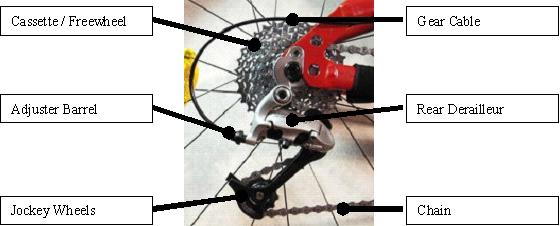
When you shift gears, the derailleur moves the chain from one cog or chainring to another. This is controlled by cables connected to your shifters. If the cables are too tight or too loose, or if the derailleurs are not lined up, shifting can be slow, noisy, or unreliable.
Key parts to know:
- Shifters: Levers or twist grips on your handlebars that control shifting.
- Derailleurs: Devices that move the chain between cogs or chainrings.
- Cables/Housing: Wires that connect the shifters to the derailleurs.
- Limit Screws: Small screws on the derailleur that set the maximum and minimum positions.
- Barrel Adjusters: Small knobs, often on the derailleur or shifter, that fine-tune cable tension.
Tools And Preparation
Having the right tools makes gear tuning easier and safer. Here’s what you’ll need:
- Bike stand (optional but useful)
- Phillips screwdriver (usually #2 size)
- 5mm Allen key (hex wrench)
- Bike-specific lubricant
- Clean rag
- Needle-nose pliers
- Cable cutters (for replacing cables)
- Gloves (to keep your hands clean)
A bike stand lets you turn the pedals and shift gears while the bike stays in place. If you don’t have one, you can flip your bike upside down or lean it against a sturdy surface.
Pro tip: Clean your chain and gears before tuning. Dirt and grime can make shifting rough and hide problems.
Diagnosing Gear Problems
Before making adjustments, check how your bike is shifting now. Shift through all the gears and notice:
- Does the chain hesitate or skip when shifting up or down?
- Do you hear clicking, grinding, or scraping noises?
- Is the chain falling off the gears?
- Are certain gears not working at all?
Write down any issues you find. This helps you focus your adjustments and not miss anything.
Common Gear Issues And Causes
| Problem | Likely Cause |
|---|---|
| Chain skips gears | Cable tension too loose or worn chain |
| Chain won’t shift to biggest cog | High limit screw too tight or cable tension too low |
| Noise when pedaling | Derailleur misaligned or dirty drivetrain |
| Chain falls off chainring | Low limit screw too loose or bent derailleur hanger |
Step-by-step: Tuning Rear Gears (rear Derailleur)
Most gear problems are with the rear derailleur. Tuning it can dramatically improve your ride.
1. Shift To The Smallest Cog
Use your shifter to move the chain onto the smallest rear cog (highest gear). This is usually the farthest from the wheel.
2. Check Derailleur Alignment
The derailleur should be directly under the smallest cog. If it’s off, the derailleur hanger (the small part that connects the derailleur to the frame) might be bent. A bent hanger should be straightened by a professional, but you can check alignment by looking from behind the bike.
3. Adjust The High Limit Screw
Find the two small screws on the rear derailleur, usually marked H (high) and L (low). The H screw controls the derailleur’s position on the smallest cog.
- Turn the H screw clockwise to move the derailleur toward the bike.
- Turn it counterclockwise to move it outward.
Adjust until the derailleur lines up perfectly with the smallest cog.
4. Set Cable Tension
Squeeze the shifter once to move the chain to the next cog. If the chain won’t move, turn the barrel adjuster (usually on the derailleur or shifter) counterclockwise a half-turn at a time. This increases tension and helps the derailleur move.
Keep shifting up (to larger cogs) and back down, fine-tuning the barrel adjuster until shifting feels smooth and quick.
5. Adjust The Low Limit Screw
Shift to the largest rear cog (lowest gear). The L screw sets how far the derailleur moves inward.
- If the chain won’t reach the largest cog, turn the L screw counterclockwise.
- If it goes too far and the chain falls off, turn it clockwise.
The derailleur should sit just under the largest cog, without pushing the chain off the gear.
6. Test All Gears
Shift through every gear. If you hear any clicking or slow shifting, adjust the barrel adjuster slightly in either direction.
Non-obvious insight: If your shifting is still poor after adjusting everything, check for a stretched cable or worn chain. Both can cause ongoing problems and may need replacing.
Credit: thehubstockton.com
Step-by-step: Tuning Front Gears (front Derailleur)
Many mountain bikes now have a single chainring, but if yours has two or three, you’ll need to tune the front derailleur as well.
1. Shift To The Smallest Chainring
Start with the chain on the smallest front chainring and the largest rear cog.
2. Adjust The Low Limit Screw
Locate the L screw on the front derailleur. This controls how far the derailleur moves inward.
- If the chain rubs or falls off toward the frame, turn the L screw clockwise.
- If shifting is hard or slow, turn it counterclockwise until the cage sits just above the chain, with about 1-2mm gap.
3. Set Cable Tension
Shift up to the next chainring. If the chain won’t go up, the cable is too loose. Use the barrel adjuster or tighten the cable at the anchor bolt.
- Loosen the anchor bolt with a 5mm Allen key, pull the cable tighter, and retighten.
4. Adjust The High Limit Screw
Move the chain to the largest front chainring and the smallest rear cog.
- The H screw sets the outward range. Adjust so the chain shifts smoothly but doesn’t fall off the outside.
5. Fine-tune And Test
Shift through all front and rear combinations. Listen for rubbing or slow shifts. Make small adjustments to the barrel adjuster or limit screws as needed.
Pro tip: The front derailleur cage should be parallel to the chainrings. If it’s angled, loosen the mounting bolt and align it before tuning.
When To Replace Instead Of Adjust
Sometimes, no amount of tuning will fix shifting problems. Here’s when to replace parts:
- Chain: Replace every 1,500-2,000 miles (or when it stretches 0.5% for 11-speed, 0.75% for others).
- Cables: Replace if frayed, rusted, or sticky.
- Derailleur hanger: Replace if visibly bent.
- Cogs/chainrings: Replace if teeth are worn or shark-fin shaped.
Replacing worn parts can restore smooth shifting and protect more expensive components.

Credit: www.youtube.com
Comparing Tuning Frequency: Trail Vs. Road
Mountain bikes face more dust, mud, and impacts than road bikes. How often should you tune your gears?
| Bike Type | Recommended Tuning | Why |
|---|---|---|
| Mountain Bike | Every 2-4 weeks (or after muddy rides) | More exposure to dirt, debris, and impacts |
| Road Bike | Every 2-3 months | Cleaner conditions, less impact |
Non-obvious insight: If you ride in very wet or dusty places, check gear tuning after every ride. Small problems can get much worse quickly in harsh conditions.
Common Mistakes To Avoid
Tuning gears isn’t hard, but it’s easy to make small errors that cause big problems. Here are mistakes to watch for:
- Over-tightening limit screws: This can block the derailleur’s movement, making shifting impossible.
- Ignoring cable condition: Old, rusty, or frayed cables won’t shift well, even if adjusted perfectly.
- Skipping cleaning: Dirt can hide problems and make adjustments less effective.
- Forgetting to check derailleur hanger alignment: Even a small bend can cause poor shifting.
- Making large adjustments: Always turn screws or barrel adjusters in small steps—1/4 turn at a time.

Credit: www.liv-cycling.com
How To Lubricate And Care For Gears
Proper lubrication is key for smooth shifting and long gear life. Here’s how to do it:
- Clean the chain with a rag or brush to remove dirt.
- Apply bike-specific lubricant to each chain link.
- Wipe off excess with a clean rag—extra oil attracts dirt.
- Lubricate derailleur pivots with a few drops of light oil.
- Avoid using car oil or WD-40; these can damage bike parts.
Lubricate your chain every 100-150 miles, or after riding in wet or muddy conditions.
Upgrading Vs. Tuning: What’s Worth It?
If your gears are always hard to tune or don’t stay in adjustment, you might consider upgrades.
Upgrading Cables And Housing
Better cables and housing can make shifting smoother. Look for stainless steel cables and sealed housing if you ride in bad weather.
Switching To A 1x System
Many mountain bikes now use a single chainring (1x) with a wide-range cassette. This setup is lighter, easier to tune, and less likely to drop the chain.
Electronic Shifting
High-end bikes offer electronic shifting (like Shimano Di2 or SRAM AXS). These systems are very precise and don’t use cables, but they are expensive.
Pro tip: For most riders, regular tuning and good cables give 90% of the benefits of expensive upgrades.
Quick Reference: Troubleshooting Gear Shifting
Here’s a fast guide to common shifting problems and what to check:
| Symptom | Check First | Likely Fix |
|---|---|---|
| Slow upshifts (to bigger cogs) | Cable tension | Increase tension with barrel adjuster |
| Slow downshifts (to smaller cogs) | Cable tension | Decrease tension with barrel adjuster |
| Chain drops off cassette | High/low screws | Reset limit screw positions |
| Noise in certain gears | Derailleur alignment | Straighten hanger, realign derailleur |
| Shifter feels stiff | Cables/housing | Replace or lubricate cables |
Practical Tips For Trailside Adjustments
Sometimes gears go out of tune during a ride. Here’s what to do if you need a quick fix:
- If the chain won’t shift up, turn the barrel adjuster counterclockwise.
- If the chain won’t shift down, turn it clockwise.
- If the chain falls off, gently move it back with your hand and check for bent parts.
Carry a small multi-tool with a Phillips screwdriver and 5mm Allen key on every ride. These let you make basic adjustments anywhere.
Pro tip: If you crash, always check the derailleur hanger and shifting before riding on. Many shifting issues start with a bent hanger after a fall.
Staying Safe While Tuning
Working with gears means dealing with sharp chains, spinning wheels, and small parts. Stay safe by:
- Wearing gloves
- Keeping fingers away from moving parts
- Never shifting while the bike is upside down and pedaling backward (can damage the chain)
If you’re not sure, ask a bike shop for help or watch a trusted video guide.
Frequently Asked Questions
How Often Should I Tune My Mountain Bike Gears?
Tune your gears every 2-4 weeks if you ride regularly on trails, or after any muddy or wet ride. If you notice slow shifting or noise, tune sooner. Road riders can tune every 2-3 months.
What Are The Signs That My Gears Need Tuning?
Listen and feel for slow shifting, gear skipping, chain noise, or the chain falling off. If shifting is smooth and silent, your gears are likely in good shape.
Can I Tune My Gears Without Special Tools?
You can make basic adjustments with just a Phillips screwdriver and a 5mm Allen key. For best results, a bike stand, pliers, and cable cutters are helpful but not essential.
What If My Gears Still Don’t Work After Tuning?
Check for worn or bent parts. A stretched chain, frayed cable, or bent derailleur hanger can stop gears from tuning properly. Replace damaged parts before trying again.
Where Can I Learn More About Bike Maintenance?
Many free resources are available. The Wikipedia Bicycle Maintenance page offers a broad overview and links to detailed guides.
Keeping your mountain bike gears tuned is one of the best things you can do for performance, safety, and enjoyment. With a little practice, tuning becomes quick and satisfying. The more you ride, the better you’ll get at spotting problems early and fixing them yourself.
Happy riding!

Hello Guys! I am John Reese, a professional biker and my hobby is biking! I have been biking for last 12 years and I love using bikes while outing as well. Based on my experiences with the different type of bikes (mountain bikes, road bikes and hybrid bikes); I am sharing my opinion about various bikes so that a beginner can get started right away. Happy reading!