
Buying a mountain bike is exciting, but one question often confuses new riders: How much should a mountain bike weigh? Weight affects how the bike rides, climbs, and handles. Choosing the right weight is not about picking the lightest or heaviest bike. It’s about matching your needs, terrain, and budget. In this article, you’ll learn how mountain bike weight impacts performance, what is typical for different types, and how to decide what’s best for you.
Why Mountain Bike Weight Matters
The weight of your mountain bike influences almost everything you experience while riding. A lighter bike is easier to carry uphill. A heavier bike can feel more stable on rough descents. But the right weight depends on your riding style.
Key effects of bike weight:
- Climbing: Less weight means less effort when riding uphill.
- Handling: Light bikes are easier to flick around tight corners.
- Durability: Heavier bikes often use stronger parts, which can handle jumps and crashes.
- Fatigue: Lighter bikes reduce tiredness on long rides.
Many beginners think lighter is always better. But this is not true for mountain biking. Sometimes, a bit more weight can make your bike safer and more comfortable, especially for rough trails.
Typical Mountain Bike Weights
Mountain bikes come in many types. Each style has a different average weight. Let’s look at the numbers.
| Bike Type | Average Weight (lbs) | Average Weight (kg) |
|---|---|---|
| Hardtail | 24–28 | 11–13 |
| Full Suspension (Trail) | 28–32 | 13–15 |
| Enduro | 30–35 | 14–16 |
| Downhill | 35–40 | 16–18 |
| XC Race | 20–24 | 9–11 |
These numbers are for adult bikes. Kids’ mountain bikes can weigh 18–24 lbs (8–11 kg). E-mountain bikes are much heavier, often over 45 lbs (20 kg).
Pro Insight: Many beginners think a 2–3 lb difference is huge. But on real trails, small weight changes are less important than good tires, suspension, and fit.
Factors That Affect Mountain Bike Weight
Let’s break down what makes some mountain bikes heavier than others.
Frame Material
The frame is the bike’s backbone. The material affects both weight and price.
- Aluminum: Common, affordable, and medium weight.
- Carbon fiber: Very light, stiff, and expensive.
- Steel: Strong but heavier.
- Titanium: Light and tough, rare and costly.
Components
Parts like wheels, suspension, and gears can add or remove weight.
- Wheels: Heavier wheels make pedaling harder.
- Suspension: More suspension (front and rear) adds weight but improves comfort.
- Gears: A wide range of gears is useful, but can be heavier.
Tires
Mountain bike tires are thick and knobby. This improves grip but increases weight. Some riders use lighter tires for racing, but these puncture more easily.
Size
A large bike frame (for tall riders) will always weigh more than a small frame. This is normal and should not worry you.
Accessories
Extras like bottle cages, lights, dropper posts, and large saddles add weight. Remove things you don’t need for faster rides.
| Component | Weight Range (lbs) | Notes |
|---|---|---|
| Frame | 3–5 | Carbon is lighter, steel is heavier |
| Wheelset | 3–6 | Lighter rims help acceleration |
| Fork (Suspension) | 3–5 | More travel = more weight |
| Tires | 1–2 (each) | Knobby tires are heavier |
| Seatpost | 0.5–1 | Dropper posts add weight |
| Drivetrain | 2–3 | Single chainring setups are lighter |
Choosing The Right Weight For Your Needs
There is no perfect mountain bike weight for everyone. The best weight depends on what you want to do.
Trail Riding
If you ride mixed trails with climbs and descents, aim for 28–32 lbs (13–15 kg). This gives a balance between easy climbing and safe descending.
Cross-country (xc)
Racing XC? Lightweight bikes around 20–24 lbs (9–11 kg) help you go faster. But these bikes are not as strong for big jumps or rocky trails.
Downhill
For downhill racing or extreme trails, bikes around 35–40 lbs (16–18 kg) are normal. They are tough, with lots of suspension.
Enduro
Enduro bikes handle tough trails but need to climb too. Most weigh 30–35 lbs (14–16 kg). Don’t worry about a few extra pounds; durability matters more.
Beginners
If you are new to mountain biking, don’t stress about weight. Focus on comfort and safety. A bike between 28–32 lbs (13–15 kg) is a good starting point.
Non-obvious tip: The right tire pressure and suspension setup can make a heavier bike feel much lighter. Many beginners overlook this.

Credit: rinascltabike.com
The Myth Of “superlight” Mountain Bikes
You may see pro bikes under 20 lbs (9 kg) in magazines. This is impressive, but not practical for most riders. Superlight bikes are expensive and fragile. They use thin tires, carbon parts, and minimalist frames. For everyday riding, these bikes are not reliable.
Example: An Olympic-level XC bike can weigh as little as 19 lbs (8.6 kg). But it costs over $8,000 and may break if used on rough trails.
Instead, choose a bike that fits your budget and riding style. Saving a few pounds is not worth giving up strength or comfort.
How To Reduce Mountain Bike Weight
If your mountain bike feels heavy, there are smart ways to reduce weight without spending too much.
- Upgrade wheels: Lighter wheels speed up your ride more than any other part.
- Swap tires: Choose lighter tires (but keep good grip and puncture resistance).
- Remove accessories: Take off racks, heavy saddles, and unused mounts.
- Change to a single chainring: This simplifies your drivetrain and drops weight.
- Switch to tubeless: Tubeless tires lose weight and roll faster.
Pro tip: Don’t cut weight in the wrong places. Cheap, lightweight parts can break easily, especially on rocky trails.
Does Mountain Bike Weight Really Matter?
For most riders, mountain bike weight is not the most important factor. Fit, suspension quality, and tire choice affect your ride much more. A heavier bike can be safer and more fun, especially on rough ground.
Research finds: The difference between a 30 lb and a 33 lb bike is less noticeable than many expect. Skill and setup are bigger factors.
Beginner mistake: Many new riders spend lots of money chasing lower weight. It’s smarter to invest in riding skills and good gear.
Real-world Examples
Let’s look at how weight plays out with actual bikes.
- Specialized Stumpjumper (Trail): 29 lbs (13.2 kg)
- Trek Supercaliber (XC): 21 lbs (9.5 kg)
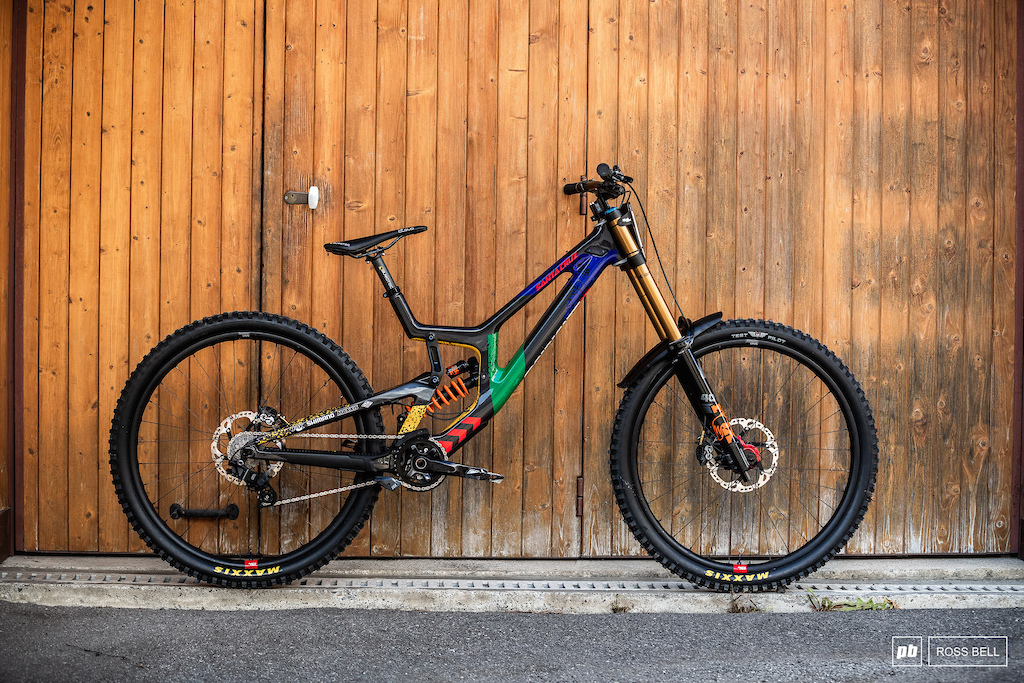
- Santa Cruz Nomad (Enduro): 33 lbs (15 kg)
- Giant Glory (Downhill): 38 lbs (17.2 kg)
These models are popular in their category. Notice the weight difference matches their intended use, not just price.
Credit: www.pinkbike.com
Budget Vs Weight
Lighter bikes cost more. Here’s a quick look at how price and weight relate.
| Bike Type | Entry-Level Weight (lbs) | Mid-Range Weight (lbs) | High-End Weight (lbs) |
|---|---|---|---|
| Hardtail | 28 | 25 | 22 |
| Full Suspension | 32 | 29 | 26 |
| XC Race | 24 | 22 | 20 |
Non-obvious insight: Sometimes, a mid-range bike with slightly more weight rides better than a high-end, superlight bike. Test before you buy.
The Role Of Rider Weight
Your body weight changes how the bike feels. For a heavier rider, a few pounds extra on the bike is less noticeable. For lighter riders, the same weight difference can feel bigger. So, consider your own weight and strength.
Practical tip: If you weigh over 200 lbs (90 kg), look for bikes with stronger parts. They may weigh more, but they will last longer.
Expert Recommendations
Here’s what experienced riders suggest:
- Don’t stress over small weight differences (less than 3 lbs/1.5 kg)
- Focus on reliable components and fit
- Test ride different bikes before deciding
- Remember that terrain and riding style matter more than weight
If you plan to compete, check race rules. Some competitions have minimum bike weights.
Frequently Asked Questions
How Much Should A Mountain Bike Weigh For A Beginner?
A good weight for beginners is 28–32 lbs (13–15 kg). This gives balance between comfort, strength, and easy handling. Don’t worry about shaving off every pound; focus on learning to ride.
Is A Lighter Mountain Bike Always Better?
No, lighter bikes can be less durable and more expensive. Choose a weight that matches your riding style and trail conditions. Heavier bikes can feel safer and more stable, especially on rough terrain.
What Is The Weight Of Professional Mountain Bikes?
Pro-level XC bikes can be as light as 19–22 lbs (8.6–10 kg). Downhill bikes used by professionals are heavier, around 36–40 lbs (16–18 kg), because they need strength and suspension.
How Does Weight Affect Mountain Bike Performance?
Weight affects climbing, acceleration, and how easy the bike is to control. But fit, tire choice, and suspension setup are often more important for real-world performance.
Where Can I Find More Detailed Mountain Bike Weight Stats?
You can see more detailed statistics and comparison charts at the official International Mountain Bicycling Association website.

Credit: www.reddit.com
Final Thoughts
Mountain bike weight is important, but not the only factor in choosing a bike. For most riders, a bike weighing 28–32 lbs (13–15 kg) will suit many types of terrain and riding styles. Don’t get stuck chasing the lightest numbers. Think about your own needs, budget, and trails. The best bike is the one you enjoy riding most. Test, adjust, and ride with confidence—your skills and setup matter far more than a few pounds.

Hello Guys! I am John Reese, a professional biker and my hobby is biking! I have been biking for last 12 years and I love using bikes while outing as well. Based on my experiences with the different type of bikes (mountain bikes, road bikes and hybrid bikes); I am sharing my opinion about various bikes so that a beginner can get started right away. Happy reading!