
Riding a mountain bike is a thrilling way to enjoy the outdoors, but learning to manual—lifting your front wheel and balancing on the rear—takes the excitement to another level. Manuals are not just for showing off. They help you roll over obstacles, maintain momentum, and improve control on rough trails. Even if you don’t plan to hit big jumps, mastering the manual makes you a better, safer rider. This guide is designed for all levels, especially if you’re new or still struggling. It breaks down every detail so you can learn this skill safely, confidently, and with fewer falls.
What Is A Manual On A Mountain Bike?
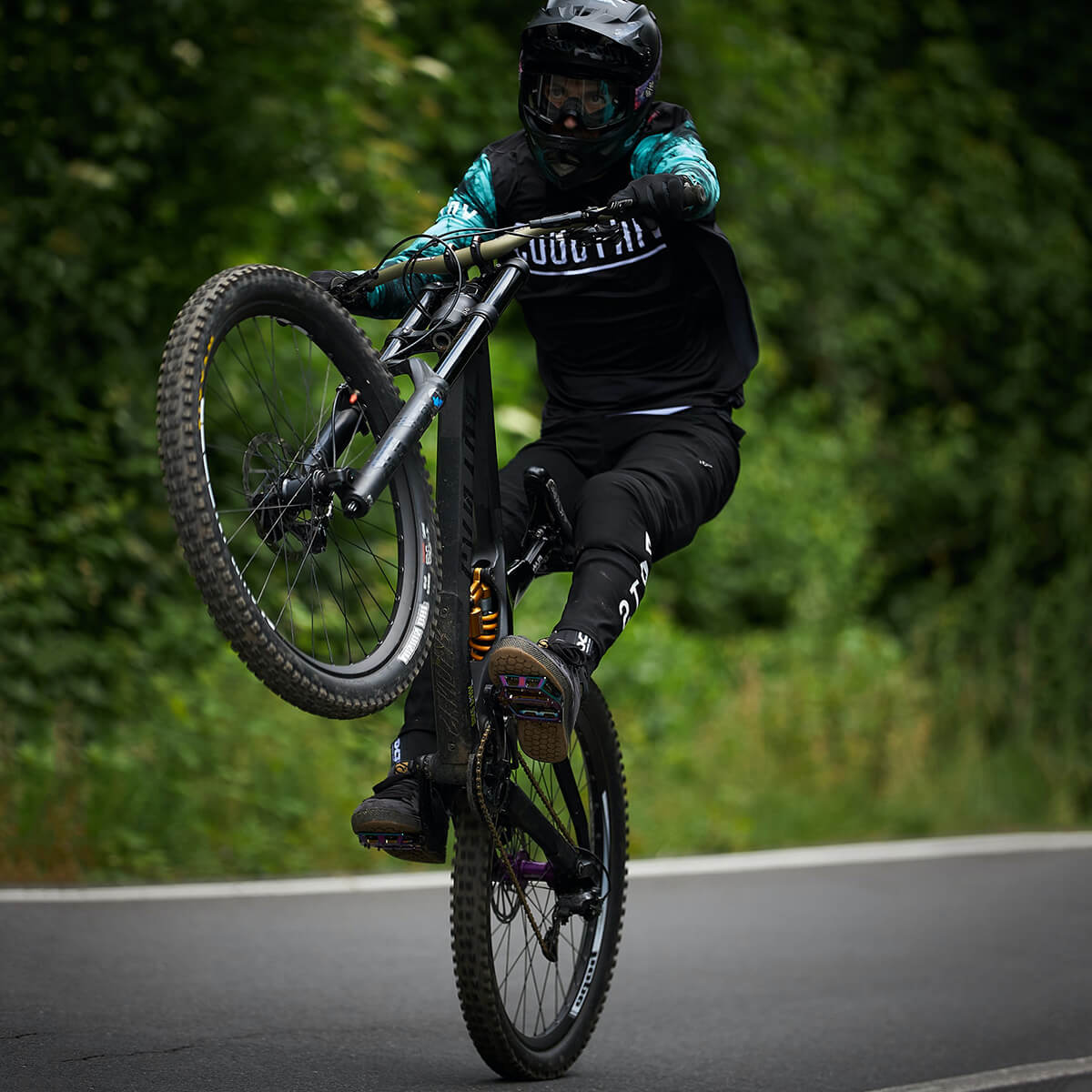
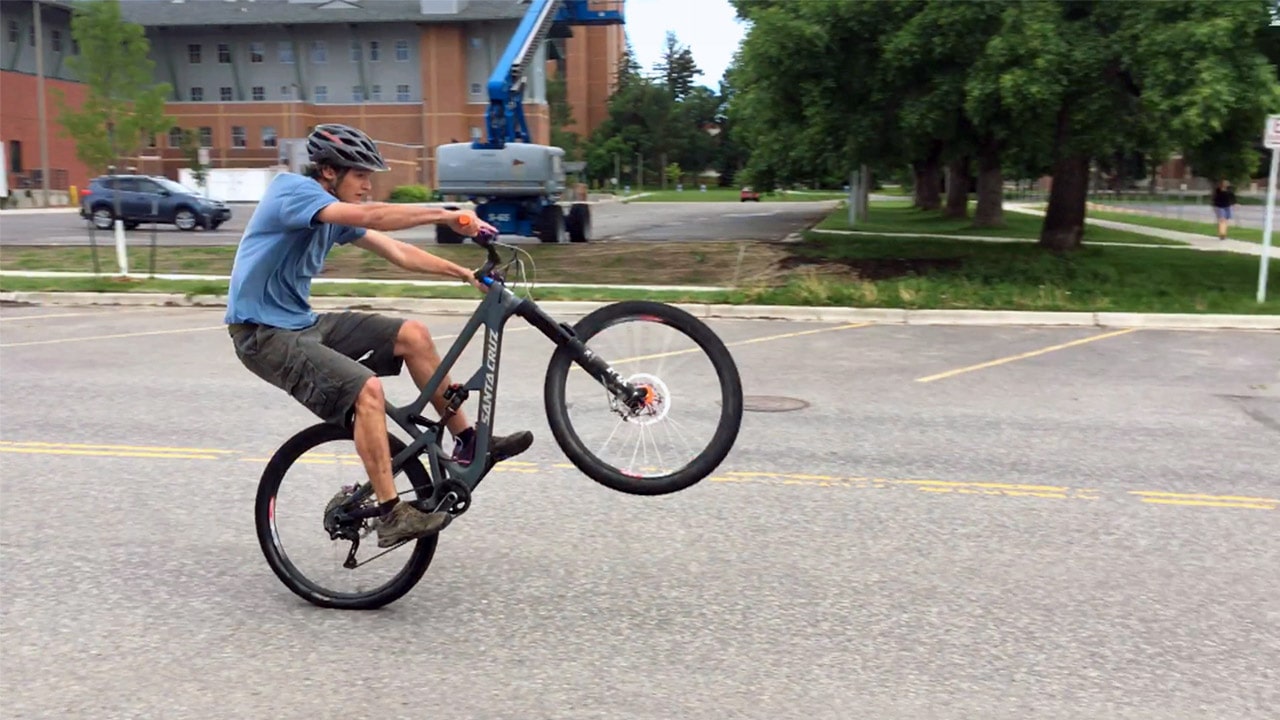
A manual is a wheelie without pedaling. You use your body to lift the front wheel and balance on the back wheel while coasting. Manuals look simple, but they require a mix of timing, technique, and courage. Unlike a wheelie, which relies on pedaling, a manual is about shifting your weight and finding the balance point.
Manuals are useful for:
- Rolling over small logs or rocks
- Keeping your momentum up on rough terrain
- Controlling your bike’s front wheel during jumps or drops
- Looking cool for your friends (let’s be honest)
It’s also a foundation skill. Many advanced moves—like bunny hops and jumps—start with a solid manual.
Why Learn To Manual?
Learning to manual is worth your time for several reasons:
- Better bike control: You learn to move the bike with your body, not just the handlebars.
- Safety: Manuals let you glide over trail obstacles without crashing.
- Fun: It feels amazing when you find that sweet spot and the front wheel floats above the ground.
- Riding efficiency: Manuals save energy on bumpy trails because you roll, not bounce.
Most beginners miss that the manual is not about arm strength. It’s about timing and body movement. You don’t “pull up” on the bars—you shift your weight. That’s a game-changer for many riders.
The Mechanics Of A Manual: Key Concepts
Before jumping on your bike, it’s smart to understand the basics:
- Balance point: This is the spot where your weight keeps the front wheel up without falling back or dropping down. It’s a small window, and finding it is the real challenge.
- Body position: Your hips, arms, and feet all play a role. The movement is more about pushing your hips back than pulling your arms up.
- Brake control: The rear brake is your safety net. Tapping it drops the front wheel if you tip too far back.
Surprisingly, many people forget to cover the rear brake. Always keep one finger ready—this can save you from falling backward.
Essential Gear And Bike Setup
A manual doesn’t need a special bike, but a few tweaks can make learning easier:
- Flat pedals: These let you bail out safely if things go wrong.
- Low seat: Drop your seat as low as possible. This gives your hips room to move back.
- Tire pressure: Slightly lower pressure (but not too soft) adds grip and control.
- Bike weight: Lighter bikes are easier to lift, but technique is more important than weight.
Wear a helmet, gloves, and, if possible, knee pads. Practice on grass or dirt to soften any falls.
Basic Bike Setup Comparison
Here’s how common setup changes affect learning manuals:
| Bike Setup Change | Effect on Manual | Recommended for Beginners? |
|---|---|---|
| Lowered Seat | More room for hips to move back, easier balance | Yes |
| High Tire Pressure | Less grip, harder control | No |
| Flat Pedals | Easy to jump off if needed | Yes |
| Clipless Pedals | Feet stay attached—risky for learning | No |

Credit: www.youtube.com
Step-by-step Guide To Manual A Mountain Bike
Let’s break the manual into clear steps. Take your time with each one. Learning manuals is about practice and patience.
1. Find A Safe Practice Spot
Look for a gentle slope or flat open space. Grass fields or smooth dirt are best. Avoid busy areas or pavement to reduce injury risk.
2. Start With The Correct Body Position
- Stand up on your pedals, knees slightly bent.
- Keep your arms relaxed, not locked.
- Your weight should be centered over the bike.
This position is your starting point. Many riders make the mistake of sitting or crouching too low—this limits your movement.
3. Roll At A Comfortable Speed
You need a little speed, but not too much. Rolling at walking pace is too slow; too fast makes the manual harder to control. Aim for a slow jogging pace.
4. Preload And Unweight
- Push down and forward on the handlebars and pedals to compress the suspension (if you have it).
- Quickly move your hips back as if you’re trying to push your butt over the rear wheel.
- Keep your arms straight but not rigid.
This motion is like a squat and jump—except you don’t leave the pedals. You “push then pull”—not just yank up the bars.
5. Find The Balance Point
As your front wheel rises, keep your arms extended and look ahead—not down. Move your hips back until you feel the front wheel float.
Most beginners either:
- Don’t move their hips far enough back, or
- Try to pull up with their arms, which won’t work well
The balance point is further back than you expect. At first, you’ll drop the wheel quickly. That’s normal.
6. Control With Your Rear Brake
Keep one finger over the rear brake. If you tip too far back, gently tap it. This brings the front wheel down safely.
Practicing brake control is one of the most important steps. It gives you confidence to lean back more and truly find the balance point.
7. Keep Your Eyes Up
Always look ahead, not at the front wheel. This helps you balance and spot any obstacles.
8. End The Manual Smoothly
When you want to finish, gently lower your hips and let the front wheel touch down. Don’t slam it—control the descent for a smooth landing.
Practical Tips And Common Mistakes
Learning manuals can be frustrating. Here are some practical tips and classic mistakes to avoid.
Top Tips For Success
- Film yourself: Use your phone or ask a friend. Seeing your body position helps spot errors.
- Use markers: Place a stick or cone and try to manual past it. This gives you a clear goal.
- Short bursts: Try to manual for a few feet at first. Increase distance as you improve.
- Practice often: Short, regular sessions (10-15 minutes) work better than long, exhausting ones.
Common Mistakes
- Pulling up with arms: This makes the front wheel heavy and hard to balance.
- Sitting too low: If your seat is too high or you crouch, your hips can’t move far enough back.
- Looking down: You’ll wobble and lose balance.
- Not covering the brake: This can lead to scary backward falls.
- Going too slow or too fast: Both extremes make finding the balance point difficult.
A less obvious mistake: forgetting to relax your arms and legs. Tension makes it harder to adjust your position and react quickly.
Credit: cycorldpro.com
Drills To Improve Manual Skills
If you’re struggling, try these drills. They build muscle memory and confidence.
Manual On A Curb Or Small Bump
Roll slowly toward a curb or bump. As your front wheel reaches it, shift your hips back and try to lift the front over. This teaches timing and proper weight shift.
Manual Roller Drill
Find two small bumps or rollers, like those on a pump track. Try to manual from the first to the second, keeping the front wheel up. This helps with balance and control.
Foot-off Safety Drill
Practice manuals in grass. If you tip too far, quickly take one foot off the pedal to catch yourself. This reduces fear and builds confidence.
Progress Tracking Table
Here’s a simple way to track your progress:
| Session | Max Manual Distance (Feet) | Comfort Level (1-5) |
|---|---|---|
| 1 | 2 | 2 |
| 5 | 10 | 3 |
| 10 | 25 | 4 |
| 20 | 60 | 5 |
Set small goals and watch your progress grow over time.
Advanced Manual Techniques
Once you can hold a basic manual, you can start exploring more advanced moves.
Manual To Bunny Hop
Combine a manual with a bunny hop. Start in a manual, then use your legs to lift the rear wheel. This move helps on bigger obstacles.
Manual Through Corners
Advanced riders use manuals to roll through berms or tight corners. It requires precise balance and timing.
Long Distance Manuals
Try to manual down gentle slopes or across longer flat areas. The key is subtle hip movement and brake control.
Manual On Technical Terrain
Manuals are not just for smooth roads. On trails, you’ll use shorter, quick manuals to clear rocks or roots. Focus on timing and quick hip shifts.
Credit: pushdalimit.com
Manual Vs. Wheelie: What’s The Difference?
Many riders confuse manuals and wheelies. Here’s how they compare:
| Skill | How It’s Done | Main Use | Pedaling Required? |
|---|---|---|---|
| Manual | Shift hips back, balance on rear wheel | Rolling over obstacles, trail riding | No |
| Wheelie | Pull up and pedal to keep front wheel up | Flat ground fun, some technical climbs | Yes |
Manuals are more useful for trail and technical riding. Wheelies are great for style and some climbs, but less essential for rough terrain.
Safety Tips And Injury Prevention
Manuals are generally safe if you follow these tips:
- Wear a helmet and gloves every time you practice.
- Start small: Practice on grass or dirt to reduce the chance of injury.
- Cover the rear brake: Always keep a finger on the brake for emergency control.
- Don’t rush: Progress slowly. Trying to manual too far, too fast, increases fall risk.
If you fall backward, let go of the handlebars and jump off the back. This is safer than trying to save it and crashing hard.
How Long Does It Take To Learn To Manual?
Everyone learns at a different pace. Some riders pick it up in a few days, others take weeks or months. Consistent, focused practice is the key.
Most beginners see progress in 2–4 weeks with regular practice. But don’t compare yourself to others. The important thing is steady improvement and enjoying the process.
An insight many miss: The manual is a “feel” skill, not just a strength or technique. Some days will be better than others. Stick with it.
Manual For Different Mountain Bike Types
Manuals work on almost any mountain bike, but some details vary:
- Hardtails: Easier to manual because of the stiff rear end. More responsive to hip movement.
- Full suspension: Slightly harder, as the rear suspension can absorb some energy. Try to preload (compress) both front and rear before shifting weight.
- Downhill bikes: Heavier, but still possible. Focus on timing and use more body movement.
No matter your bike, the basics stay the same—timing, hips, and brake control.
How Manuals Improve Your Overall Riding
Manuals are not just a “party trick.” They build skills that help in all areas:
- Balance: You get better at shifting your weight and reacting to changes.
- Confidence: Manuals teach you to trust your bike and your instincts.
- Trail skills: You’ll clear roots, rocks, and logs without losing speed.
- Jumping and drops: The manual is the first step in learning safe jumps and drops.
Many pro riders say learning to manual made the biggest difference in their riding. It’s a “gateway skill” to so much more.
Frequently Asked Questions
What Is The Best Speed To Learn Manuals?
A slow jogging pace is ideal. Too slow and the bike is hard to balance; too fast and it’s tough to control. Find a speed where you feel comfortable and safe.
How Do I Avoid Looping Out And Falling Backward?
Always cover your rear brake with one finger. If you feel yourself tipping back, tap the brake gently. This lowers the front wheel and prevents falls.
Can I Learn Manuals On Any Mountain Bike?
Yes, you can manual on hardtails, full suspension, and even fat bikes. Lower the seat, use flat pedals, and focus on body movement. Some bikes make it a bit easier, but technique is more important than equipment.
How Long Does It Take To Learn To Manual?
Most riders see improvement in 2–4 weeks of regular practice. Some pick it up faster, others need more time. Consistency is key—short, frequent practice sessions are best.
Is A Manual The Same As A Wheelie?
No. A manual is balancing on the rear wheel without pedaling, using body movement. A wheelie uses pedaling to keep the front wheel up. Manuals are more useful for technical trail riding.
Mastering the manual unlocks a new level of control and confidence on your mountain bike. Stick with the steps, practice regularly, and don’t get discouraged by slow progress. Every session brings you closer to floating over obstacles and riding with more flow. If you want more technique tips, check out this step-by-step guide from BikeRadar for further detail. Happy riding!

Hello Guys! I am John Reese, a professional biker and my hobby is biking! I have been biking for last 12 years and I love using bikes while outing as well. Based on my experiences with the different type of bikes (mountain bikes, road bikes and hybrid bikes); I am sharing my opinion about various bikes so that a beginner can get started right away. Happy reading!