
Mountain biking is all about adventure, speed, and control. But many riders forget one simple detail that shapes every ride: tire pressure. The right psi (pounds per square inch) is not just about comfort—it affects grip, safety, and even how fast you roll on different trails. Whether you’re a beginner or an experienced rider, understanding how much psi your mountain bike needs can make every trip smoother and more enjoyable.
What Is Psi And Why Does It Matter?
Psi is the unit used to measure tire pressure. It tells you how much air is inside your tires. For mountain bikes, psi is crucial because:
- Grip: Lower psi gives more contact between the tire and the ground.
- Comfort: Softer tires absorb bumps better.
- Speed: Higher psi means less rolling resistance but can reduce grip.
A tire with too little psi can feel sluggish, squirmy, and even lead to pinch flats. Too much psi can make the ride rough and cause you to lose traction, especially on loose surfaces.
Typical Psi Ranges For Mountain Bikes
Mountain bike tire pressure is not one-size-fits-all. It depends on your tire type, bike, terrain, and body weight. Here’s a quick overview:
| Bike Type | Tire Width | Recommended Psi |
|---|---|---|
| Cross-Country (XC) | 1.9″ – 2.2″ | 25–40 psi |
| Trail/All-Mountain | 2.3″ – 2.5″ | 20–35 psi |
| Enduro/Downhill | 2.5″ – 2.8″ | 18–28 psi |
| Fat Bike | 3.8″ – 5.0″ | 5–15 psi |
Remember, these are general guidelines. Your ideal psi may be a bit higher or lower.
Factors That Affect Mountain Bike Tire Pressure
Several things change how much air you should use:
Rider Weight
Heavier riders need higher psi to avoid bottoming out or pinch flats. Lighter riders can run lower psi for better grip.
- Under 150 lbs: Lower end of recommended psi
- 150–200 lbs: Mid-range psi
- Over 200 lbs: Higher end of recommended psi
Tire Width And Volume
Wider tires can run lower psi. They have more air volume, so they don’t flatten as much when pressure is low. Narrow tires need more psi to avoid squishing.
Tubeless Vs. Tubed Tires
Tubeless setups allow you to run lower psi without risk of pinch flats. Tubed tires need a bit more air because the tube can get pinched between the tire and rim.
Terrain And Trail Conditions
- Rocky trails: Slightly higher psi to protect the rim.
- Loose dirt/sand: Lower psi for more grip.
- Wet/muddy: Lower psi helps tires bite into the surface.
- Hard-packed: Higher psi for speed.
Weather And Temperature
Cold air contracts, lowering psi. Hot air expands, increasing psi. Always check tire pressure before every ride, especially after big temperature changes.
How To Find The Right Psi For Your Mountain Bike
Finding your perfect psi takes a bit of testing. Here’s how to do it:
- Start with the manufacturer’s recommended range on your tire sidewall.
- Adjust based on your weight, bike, and trail.
- Test by riding and feeling how the bike handles:
- If tires feel squirmy or you’re getting pinch flats, add air.
- If the ride is harsh or you’re bouncing off obstacles, let out some air.
Pro tip: Use a digital pressure gauge for accuracy. Floor pumps with built-in gauges can be off by 2–5 psi.

Credit: www.reddit.com
Real-world Examples
Let’s look at two riders with different setups:
| Rider | Weight | Tire Size | Setup | Terrain | Typical Psi |
|---|---|---|---|---|---|
| Alice | 130 lbs | 2.35″ | Tubeless | Loose dirt | 18–22 psi |
| Ben | 210 lbs | 2.5″ | Tube | Rocky trail | 28–32 psi |
Alice enjoys more grip with lower pressure because she’s lighter and runs tubeless. Ben uses higher psi to avoid flats on rocky terrain.
Common Mistakes When Setting Mountain Bike Tire Pressure
Most beginners make these errors:
- Too much air: Makes the ride harsh, reduces grip, and increases bounce.
- Too little air: Causes pinch flats, rim damage, and sluggish handling.
- Ignoring tire width: Wider tires need less psi.
- Not checking pressure before rides: Air escapes over time, and temperature changes can affect psi.
- Using unreliable gauges: Cheap gauges can be off, giving you the wrong reading.
Non-obvious insight: Many riders set both tires to the same psi. In reality, the rear tire often needs a bit more pressure than the front tire because it carries more weight, especially when pedaling hard.
How Tire Pressure Affects Mountain Bike Performance
Tire pressure shapes your ride in many ways:
- Cornering: Lower psi lets tires grip corners better, reducing slip.
- Climbing: Slightly higher psi helps on climbs, but too much reduces traction.
- Descending: Softer tires absorb shocks, making descents smoother.
- Rolling resistance: Higher psi rolls faster on hard-packed surfaces.
A key detail: Some pro riders use different psi for front and rear tires, with the front a bit lower for grip and the rear higher for speed and protection.
Psi And Tire Type: Tubeless, Tube, And Plus/fat Tires
Tubeless Tires
Tubeless tires are popular because you can run lower psi without pinch flats. They also self-seal small punctures. Most riders with tubeless tires use:
- 15–25 psi for standard mountain tires
- 5–15 psi for fat bike tires
Tube Tires
Tubed tires need more air to prevent the tube from pinching. Typical range:
- 25–35 psi for standard mountain tires
Plus And Fat Tires
These wide tires have more volume. Fat bikes often run as low as 5 psi for snow or sand. Plus tires (2. 8–3. 0″) use 10–18 psi.

Credit: www.youtube.com
Tools For Measuring And Adjusting Psi
A good pump and gauge are essential. Here’s a comparison:
| Tool | Accuracy | Best Use |
|---|---|---|
| Floor Pump Gauge | Medium (±2–5 psi) | Quick top-ups |
| Digital Pressure Gauge | High (±0.5 psi) | Precise adjustments |
| Mini Pump | Low (no gauge or rough gauge) | Emergency trailside fixes |
For best results, check psi with a digital gauge after using a pump.
Tips For Setting And Maintaining Tire Pressure
- Check tire pressure before every ride.
- Adjust psi for different trails—lower for soft or technical, higher for hard and fast.
- After a big temperature change, re-check your psi.
- Use a quality digital gauge for accuracy.
- Experiment within the recommended range to find your “sweet spot.”
- Don’t forget to increase rear tire psi by 1–2 psi for extra support.
Another insight: Changing your psi by just 2–3 psi can make a big difference in control and comfort. Many riders overlook this, thinking only big changes matter.
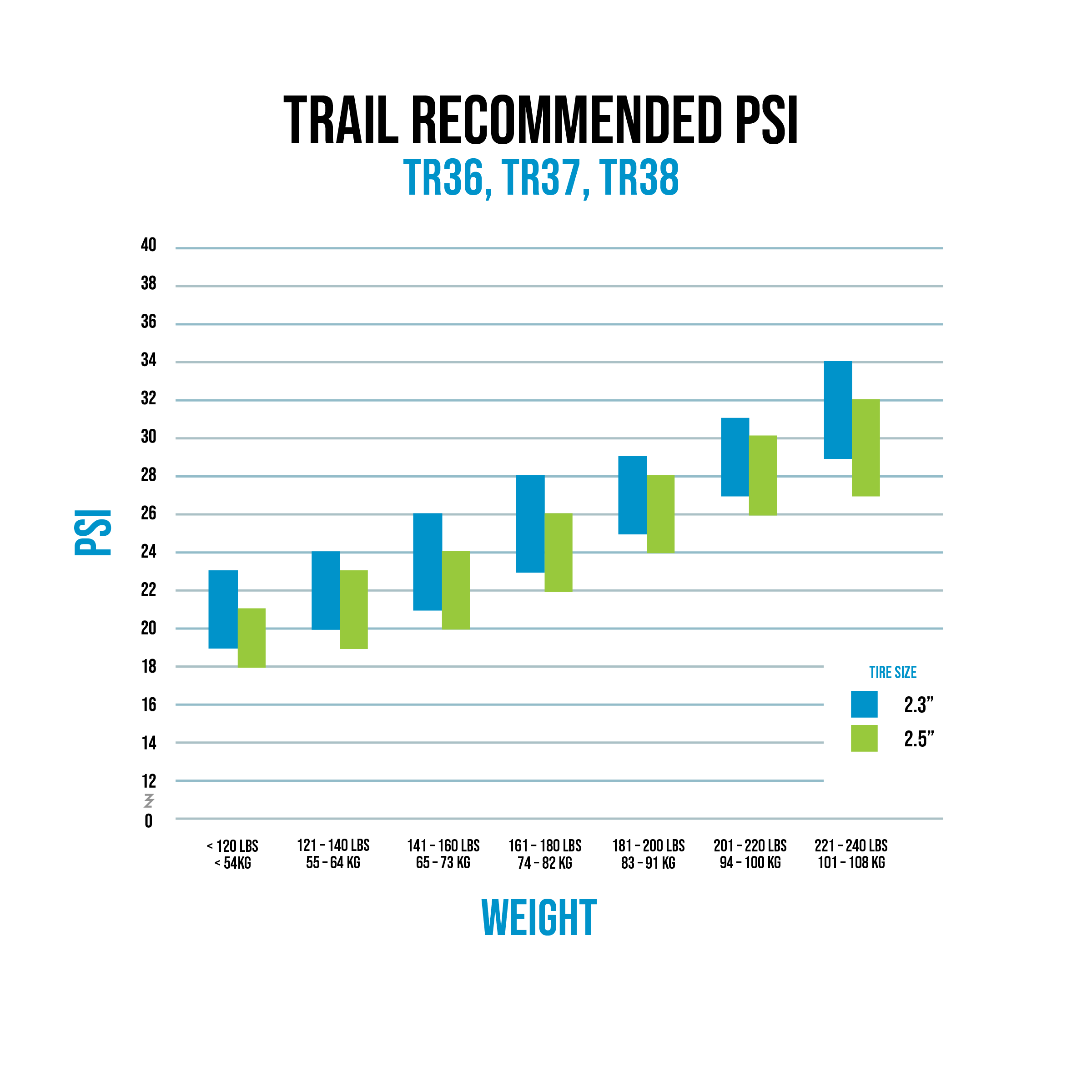
Credit: noblwheels.com
Can Psi Make You Faster Or Safer?
Absolutely. The right psi can help you:
- Avoid flats: Less risk of pinch or puncture.
- Ride smoother: Tires absorb shocks better.
- Corner with confidence: More grip on turns.
- Reduce fatigue: Softer tires mean less vibration.
Many racers fine-tune psi before every competition. Even casual riders can benefit from adjusting psi for each ride.
How To Experiment With Psi For Your Riding Style
Try this simple process:
- Set psi at the middle of your recommended range.
- Go for a ride and note how the bike feels.
- Lower psi by 2–3 points, ride again, and compare.
- Increase psi by 2–3 points, ride again, and compare.
- Record your favorite setting for each trail type.
Over time, you’ll learn what works best for you—and you’ll avoid guessing.
When To Increase Or Decrease Psi
Increase psi if:
- You’re riding rocky or sharp terrain
- You’re heavier or carrying extra gear
- You’re getting frequent pinch flats
Decrease psi if:
- Trails are loose, muddy, or sandy
- You want more comfort
- You’re on smooth or technical singletrack
Trusted Resources And Where To Learn More
If you want to dive deeper, check out this detailed guide on tire pressure from Bicycling.com. It covers advanced tips for mountain, road, and gravel bikes.
Frequently Asked Questions
How Often Should I Check Mountain Bike Tire Pressure?
You should check tire pressure before every ride. Even if you haven’t ridden in a week, air can escape slowly. Cold mornings or hot afternoons can also change psi.
Is It Safe To Ride With Very Low Psi?
No. Riding with too low psi can lead to pinch flats, rim damage, and poor handling. Always stay within the recommended range for your tire and weight.
Can I Use The Same Psi For Front And Rear Tires?
It’s better to use slightly higher psi in the rear tire. The rear carries more weight. Many riders use 1–2 psi higher in the rear.
What Happens If I Overinflate My Mountain Bike Tires?
Overinflating makes the ride rough, reduces grip, and can cause the tire to burst. It’s also easier to lose control on corners.
How Does Tire Pressure Affect Speed And Comfort?
Lower psi improves comfort and grip, but can slow you down. Higher psi makes you faster on smooth trails but less comfortable on rough terrain.
Finding the right psi for your mountain bike is a mix of science and personal feel. Test, adjust, and enjoy the ride—your bike will thank you with better performance and more fun on every trail.

Hello Guys! I am John Reese, a professional biker and my hobby is biking! I have been biking for last 12 years and I love using bikes while outing as well. Based on my experiences with the different type of bikes (mountain bikes, road bikes and hybrid bikes); I am sharing my opinion about various bikes so that a beginner can get started right away. Happy reading!