
Mountain bikes are designed for adventure, rough terrain, and variety. One feature that stands out is their gears. If you’ve ever looked at a mountain bike, you might wonder: How many gears do mountain bikes have? The answer isn’t simple, but understanding it will help you choose the right bike and use it more effectively. Whether you’re a beginner or have ridden for years, knowing about mountain bike gears can improve your rides and save you from common mistakes.
What Are Mountain Bike Gears?
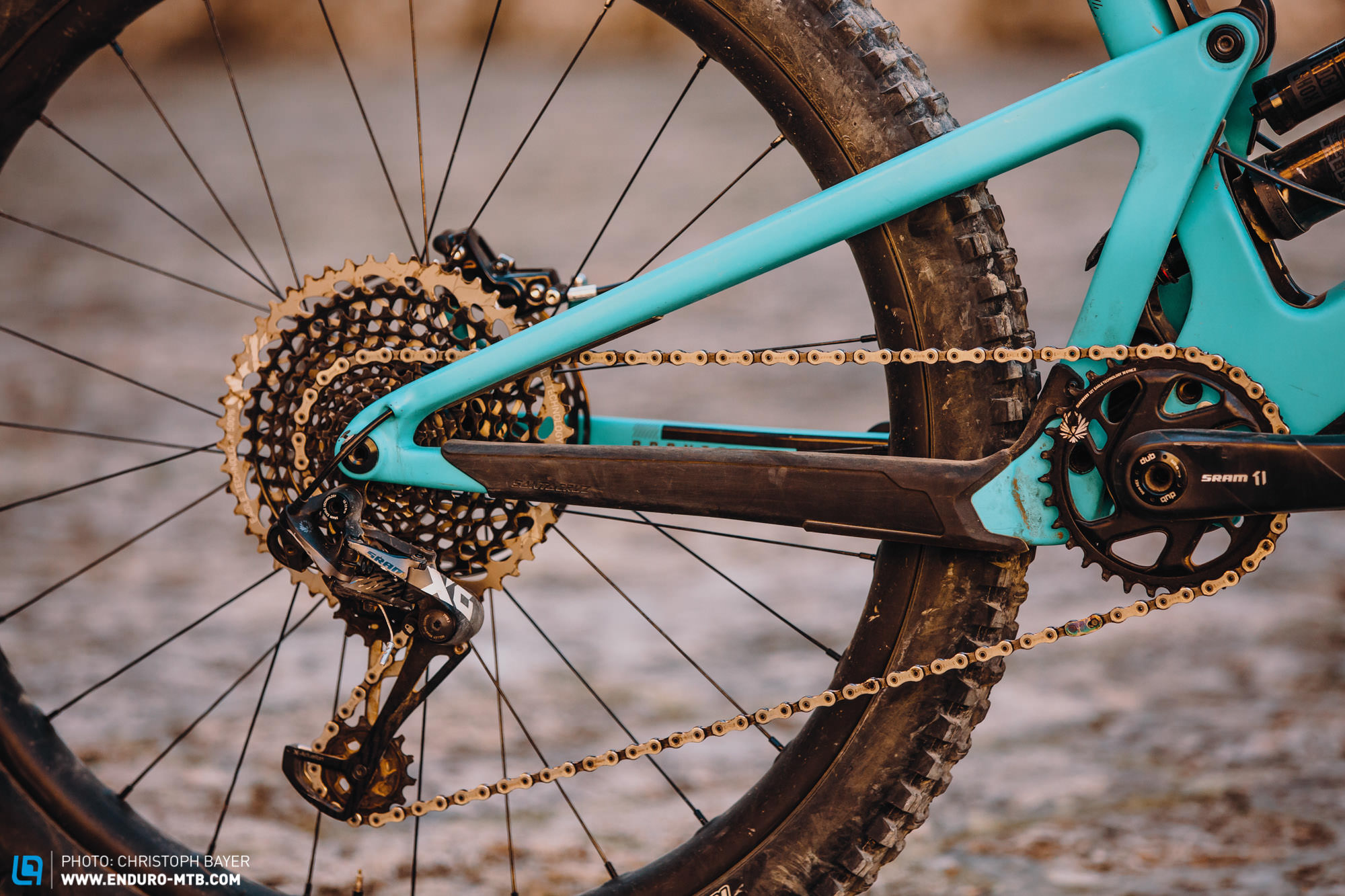
Mountain bike gears are a set of mechanisms that change how hard you have to pedal. They help you climb hills, go faster on flat roads, and handle tricky trails. Gears are made up of chainrings, cogs, and the chain. The front gears (chainrings) are controlled by the left shifter, and the rear gears (cogs or cassette) by the right shifter. The combination of these parts lets you choose different “ratios,” which make pedaling easier or harder.
Why Gears Matter
Imagine riding up a steep hill with only one gear. You’d probably struggle. With many gears, you can shift to a lower one, making the climb easier. On a flat road, you can shift to a higher gear and go faster with less effort.
Gears give you control, help you conserve energy, and make your ride smoother.
How Many Gears Do Mountain Bikes Have?
The number of gears on a mountain bike depends on its design, purpose, and age. Traditionally, mountain bikes had more gears. Modern bikes often have fewer, but those gears are more efficient.
Counting Gears: Simple Math
To know how many gears a bike has, multiply the number of front chainrings by the number of rear cogs:
- Example: If a bike has 3 chainrings in front and 8 cogs in back, it has 3 x 8 = 24 gears.
But there’s a catch. Not all combinations are practical, and sometimes the chain can’t use certain combos. Still, this calculation gives you the maximum gear count.
Common Mountain Bike Gear Setups
Let’s look at the most popular setups:
- 1x (One-by) Drivetrain: One front chainring, usually 10-12 rear cogs. Total: 10-12 gears.
- 2x (Two-by) Drivetrain: Two front chainrings, 9-12 rear cogs. Total: 18-24 gears.
- 3x (Three-by) Drivetrain: Three front chainrings, 7-10 rear cogs. Total: 21-30 gears.
1x drivetrains are common on modern bikes. They are simpler, lighter, and easier to use. Older or entry-level bikes may have 2x or 3x setups.
Gear Range Vs. Gear Count
A bike with fewer gears can sometimes cover the same range as a bike with more gears. What matters is the gear range—the difference between the easiest and hardest gear. For example, a 1×12 setup can offer the same range as a 3×9, but with fewer gears and simpler shifting.
The Evolution Of Mountain Bike Gears
Mountain bikes have changed a lot over the years. In the 1990s, bikes often had three chainrings and up to 8 cogs, giving 24 gears. Riders liked having many options, but shifting could be confusing.
Today, advances in technology have made single chainring systems possible. Wide-range cassettes mean you don’t need three chainrings to climb steep hills or ride fast. Most high-end mountain bikes now have 1x setups with 10, 11, or 12 cogs.
Historical Gear Trends
- 1980s-1990s: 3×7, 3×8, or 3×9 (21-27 gears)
- 2000s: 2×9, 2×10 (18-20 gears)
- 2010s-present: 1×10, 1×11, 1×12 (10-12 gears)
The trend is clear: fewer chainrings, wider cassettes, and easier shifting.
Types Of Mountain Bike Gears
Mountain bike gears come in different styles. Understanding them will help you pick the right bike.
Derailleur Gears
Derailleur gears are the most common. They use a system of pulleys and shifters to move the chain across chainrings and cogs. These gears are efficient, lightweight, and easy to repair.
Internal Hub Gears
Some bikes use internal hub gears. These hide the gear system inside the rear wheel hub. They are protected from dirt and weather but are heavier and usually offer fewer gear options (3-14 gears).
Electronic Gears
Modern bikes may have electronic shifting. These systems use small motors to move the chain. They are precise and require less effort, but are expensive and need charging.

Credit: cyclejourneys.co.nz
Gear Count Comparison: Popular Mountain Bike Models
To see how gear counts differ, here’s a comparison of popular mountain bike models:
| Model | Front Chainrings | Rear Cogs | Total Gears |
|---|---|---|---|
| Trek Marlin 7 | 1 | 10 | 10 |
| Specialized Rockhopper | 2 | 9 | 18 |
| Giant Talon 3 | 2 | 8 | 16 |
| Scott Aspect 960 | 3 | 8 | 24 |
| Canyon Spectral 6 | 1 | 12 | 12 |
As you can see, modern bikes often have fewer gears but wide ranges.
Factors That Affect Gear Count
There are several reasons why the number of gears can vary from bike to bike.
Bike Type
- Cross-country bikes often have more gears for speed and climbing.
- Trail bikes use mid-range gears, balancing climbing and descending.
- Downhill bikes usually have fewer gears, focusing on descending.
Rider Needs
Some riders want more gears for versatility. Others prefer fewer gears for simplicity.
Budget
Higher-end bikes tend to have more advanced gear systems. Entry-level bikes might have more chainrings and fewer cogs.
Terrain
If you ride on steep, varied terrain, you may want more gears. Flat terrain requires fewer gears.
Understanding Gear Ratios
The gear ratio is the relationship between the size of the front chainring and the rear cog. It determines how far your bike moves with each pedal stroke.
- Low gear ratio: Good for climbing hills (smaller chainring, bigger cog).
- High gear ratio: Good for speed on flat roads (bigger chainring, smaller cog).
Knowing your gear ratios can help you choose the right gear for the situation.
Example Gear Ratios
Let’s look at two setups:
- Setup 1: 32-tooth chainring, 50-tooth cog (32/50 = 0.64 ratio)
- Setup 2: 32-tooth chainring, 11-tooth cog (32/11 = 2.91 ratio)
The first setup is easier to pedal (good for climbing), the second is harder (good for speed).
The Benefits Of More Gears
Having more gears can help you:
- Handle varied terrain: You can shift for hills, flats, or descents.
- Improve efficiency: You can ride at your preferred cadence.
- Reduce fatigue: Easier gears help you conserve energy.
But more gears can also mean more maintenance and weight.
The Pros And Cons Of Fewer Gears
Modern bikes often have fewer gears, but this isn’t always a disadvantage.
Pros
- Simplicity: Easier shifting and fewer mistakes.
- Lightweight: Fewer parts mean less weight.
- Reliability: Less chance of chain drops or mechanical issues.
Cons
- Limited range: You might not have an ideal gear for every situation.
- Less versatility: Fewer options for changing conditions.
Gear Range Comparison
To understand gear range, compare two common setups:
| Drivetrain | Lowest Gear Ratio | Highest Gear Ratio | Gear Range |
|---|---|---|---|
| 1×12 (Single chainring) | 0.64 | 2.91 | Wide |
| 3×9 (Triple chainring) | 0.56 | 3.20 | Very Wide |
A 1×12 setup covers almost the same range as a 3×9, but with less complexity.
Choosing The Right Gear Setup
Picking the best gear setup depends on your riding style, budget, and terrain.
What To Consider
- Type of terrain: More gears for varied terrain.
- Experience level: Beginners may prefer fewer gears for simplicity.
- Bike weight: Fewer gears mean less weight.
- Maintenance: Simpler systems are easier to care for.
Common Mistakes
- Ignoring gear range: Focusing only on gear count can be misleading.
- Choosing too many gears: More gears can confuse beginners.
- Not considering terrain: The best setup depends on where you ride.
How To Use Mountain Bike Gears
Understanding how to use your gears is as important as knowing how many you have.
When To Shift
Shift before you need to. For example, shift to an easier gear before a hill, not during the climb.
How To Shift
- Use the right shifter for the rear cogs.
- Use the left shifter for the front chainrings.
- Shift one gear at a time to avoid chain issues.
Common Shifting Problems
- Chain crossing: Using extreme combinations (biggest chainring and biggest cog) can cause wear.
- Chain drops: Shifting too quickly or under heavy load can drop the chain.
Credit: enduro-mtb.com
Maintenance And Gear Life
More gears mean more parts to care for. Keeping your gears clean and well-lubed will make them last longer.
Tips For Gear Maintenance
- Clean regularly: Dirt and mud can wear out your gears.
- Lubricate the chain: A dry chain can cause poor shifting.
- Check for wear: Replace cogs and chainrings as needed.
Practical Insights Beginners Often Miss
1. Gear overlap: On bikes with multiple chainrings, some gear combinations repeat. This is called gear overlap. Beginners often think they have more unique gears than they actually do.
2. Efficiency matters more than number: A wide-range, well-designed 1x system can be more useful than an old 3x setup with many overlapping gears. Focus on how well the gears fit your riding, not just the total number.
Real-world Gear Usage Example
Let’s say you’re riding a trail with steep climbs and fast descents. With a 1×12 setup, you can shift to a low gear for the climb, then quickly move to a high gear for the descent. The shifting is simple, and you don’t have to worry about the front shifter.
Older bikes with 3×9 setups require more attention. You might need to shift both front and rear gears to find the right combo. This can be tricky, especially for beginners.
The Future Of Mountain Bike Gears
Technology keeps changing. Electronic shifting, lighter materials, and smarter designs mean that bikes will continue to get better. Gear systems are becoming more reliable and easier to use, giving riders more confidence on tough trails.
For the latest information, you can check resources like Wikipedia.
Credit: www.trainerroad.com
Frequently Asked Questions
How Do I Count The Gears On My Mountain Bike?
Multiply the number of front chainrings by the number of rear cogs. For example, 2 chainrings and 10 cogs = 20 gears. Check the manufacturer’s specs for details.
Is More Gears Always Better?
Not always. More gears can mean more options, but also more complexity. Modern 1x systems often provide all the gear range you need with fewer gears.
What Is The Difference Between Gear Range And Gear Count?
Gear range is the difference between the easiest and hardest gear. Gear count is simply the number of possible combinations. A wide gear range is more important than a high gear count.
Can I Upgrade My Mountain Bike To Have More Gears?
Yes, but it depends on your bike’s design. You may need new shifters, derailleur, cassette, and sometimes a new chain. Upgrading can be costly and may not always be worth it.
Why Do Some Mountain Bikes Only Have One Chainring?
One chainring (1x setups) are simpler, lighter, and easier to use. Modern cassettes are wide enough to provide all the gear range most riders need.
Mountain bike gears have evolved to fit every rider’s needs. Whether you want lots of options or prefer a simple setup, there’s a bike for you. By understanding how gears work and what matters most, you’ll make smarter choices and enjoy every ride.
The right gear system will help you climb, descend, and explore with confidence.

Hello Guys! I am John Reese, a professional biker and my hobby is biking! I have been biking for last 12 years and I love using bikes while outing as well. Based on my experiences with the different type of bikes (mountain bikes, road bikes and hybrid bikes); I am sharing my opinion about various bikes so that a beginner can get started right away. Happy reading!