
Many mountain bikers wonder: How much air pressure should I put in my tires? It seems simple, but the answer changes depending on your weight, the trail, your tire type, and even the weather. Having the right pressure in your mountain bike tires can make your ride smoother, safer, and more fun. Too little air makes your bike slow and hard to control; too much air makes it bumpy and slippery. Most riders don’t realize that small changes in pressure can make a big difference. If you are new to mountain biking or still feel unsure about tire pressure, you’re not alone. This guide will help you understand all the key factors, show you how to set the right pressure, and explain why it matters. By the end, you’ll be able to tune your mountain bike tires confidently for any ride.
Why Tire Pressure Matters For Mountain Biking
Mountain biking is all about balance, control, and comfort. The air pressure in your tires affects all three. When you ride on rocky or soft trails, your tires need to adapt. The right pressure lets your tires grip the ground, absorb bumps, and keep you safe.
- Low pressure gives you more grip and makes the ride smoother, but can cause punctures or damage.
- High pressure makes the bike faster on hard ground, but reduces grip and comfort.
Most beginners think tire pressure is just about avoiding flat tires. In reality, it changes how your bike feels and performs. Even a small change of 2–3 psi can make a tire feel very different.
The Basics: Psi And Its Role
Tire pressure is measured in PSI (pounds per square inch). Most mountain bike tires run between 20 and 35 psi. But this is a wide range, and not every tire or rider needs the same pressure.
- PSI is printed on most tires as a recommended range.
- For mountain biking, the ideal PSI depends on weight, tire size, trail conditions, and riding style.
You should never just copy a friend’s PSI. What works for them may not work for you. Start with the manufacturer’s recommendation, then adjust based on your needs.
Key Factors That Affect Mountain Bike Tire Pressure
Several things affect how much air you need in your tires. Understanding these will help you set the right pressure.
Rider Weight
Heavier riders need more air to prevent the tire from squishing too much. Lighter riders can use less air for more comfort and grip.
- A 120 lb (54 kg) rider might use 22 psi.
- A 200 lb (90 kg) rider might need 28 psi or higher.
Tire Width And Type
Wider tires hold more air and can run lower pressures. Narrow tires need higher pressure to avoid pinch flats.
- 2.1″ tires: Usually need 27–35 psi
- 2.4″ tires: Often run 20–28 psi
Tubeless tires can run lower pressures than tires with inner tubes, because they are less likely to pinch flat.
Terrain
- Rocky trails: Lower pressure for more grip and comfort
- Hard-packed dirt: Higher pressure for speed and less rolling resistance
- Wet or muddy trails: Lower pressure for better traction
Riding Style
- Aggressive riders who jump or ride fast need higher pressure to prevent tire damage.
- Casual riders can use lower pressure for comfort.
Weather And Temperature
Cold air shrinks and lowers tire pressure. Hot air expands and increases pressure. Always check your tire pressure before every ride, especially if the weather changes.
Typical Tire Pressure Recommendations
Most mountain bike tires have a recommended PSI printed on the side. Here are common starting points based on tire width and rider weight.
| Rider Weight (lbs) | 2.1″ Tire PSI | 2.3″ Tire PSI | 2.5″ Tire PSI |
|---|---|---|---|
| 120-140 | 27 | 24 | 21 |
| 140-160 | 29 | 26 | 23 |
| 160-180 | 31 | 28 | 25 |
| 180-200 | 33 | 30 | 27 |
These are starting points. You should adjust up or down based on your ride, tire, and feeling.
Tubeless Vs. Tube-type Tires
Mountain bikes now often use tubeless tires. This means there is no inner tube, just tire and rim. Tubeless tires can run lower pressure without getting pinch flats, which happen when the tube is squeezed and cut by the rim.
Tubeless Tire Advantages
- Can run lower PSI for more grip and comfort
- Fewer flats, especially pinch flats
- Sealant inside tire can fix small punctures
Tube-type Tire Considerations
- Need higher PSI to avoid pinch flats
- More likely to get flats from sharp rocks or roots
| Tire Type | Safe PSI Range | Main Benefit |
|---|---|---|
| Tubeless | 20–28 | Grip, comfort, fewer flats |
| Tube-type | 25–35 | Easy to repair |
If your bike supports tubeless tires, it’s worth considering the switch for better performance.
How To Check And Set Tire Pressure
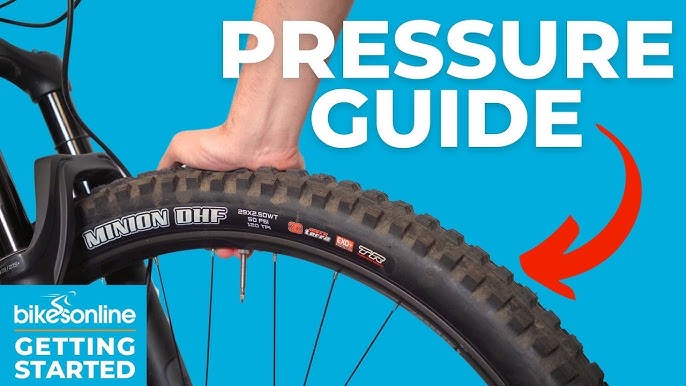
You can’t guess tire pressure by just pressing the tire with your hand. A good digital tire gauge or a pump with a built-in gauge is best.
Steps To Check Tire Pressure
- Remove the valve cap.
- Attach the tire gauge to the valve.
- Read the PSI.
- If the pressure is too low, use a pump to add air.
- If too high, press the valve to release air.
Always check both tires. Many riders set slightly lower pressure in the front tire for grip and higher in the rear for support.
How Often Should You Check?
Check before every ride. Tire pressure drops slowly over time, and changes with temperature.
Signs Your Tire Pressure Is Wrong
You can tell if your pressure is off by how your bike feels:
- Too low: Tires feel slow, squishy, or you get frequent flats.
- Too high: Bike feels bumpy, hard to control, or slips on loose ground.
Common mistake: Not adjusting pressure for different trails. If you ride the same PSI everywhere, you’re missing performance and comfort.
The Impact Of Tire Pressure On Performance
Small changes in PSI can make big changes in how your bike handles. Here are some examples:
Grip And Traction
Lower pressure increases the tire’s contact with the ground. This helps on loose or rocky trails, giving you more control.
Comfort
Less air means the tire absorbs bumps better. Your arms and back feel less tired after long rides.
Speed
Higher pressure rolls faster on hard surfaces, but can make the bike bounce and lose grip on rough terrain.
Safety
Right pressure prevents flats, improves braking, and keeps your bike stable.

Credit: www.singletracks.com
How To Fine-tune Your Tire Pressure
Finding your perfect PSI takes some trial and error. Here’s a practical way to tune your pressure:
- Start with the recommended PSI for your tire and weight.
- Ride your usual trail. Notice how the bike feels: Grip, comfort, speed.
- Adjust pressure by 1–2 psi up or down. Ride again.
- Repeat until you find the best balance.
Most riders ignore small changes, but even 1 psi can make a big difference. Keep a notebook or use your phone to record what works.
Common Mistakes When Setting Tire Pressure
Many riders make errors with tire pressure. Avoid these:
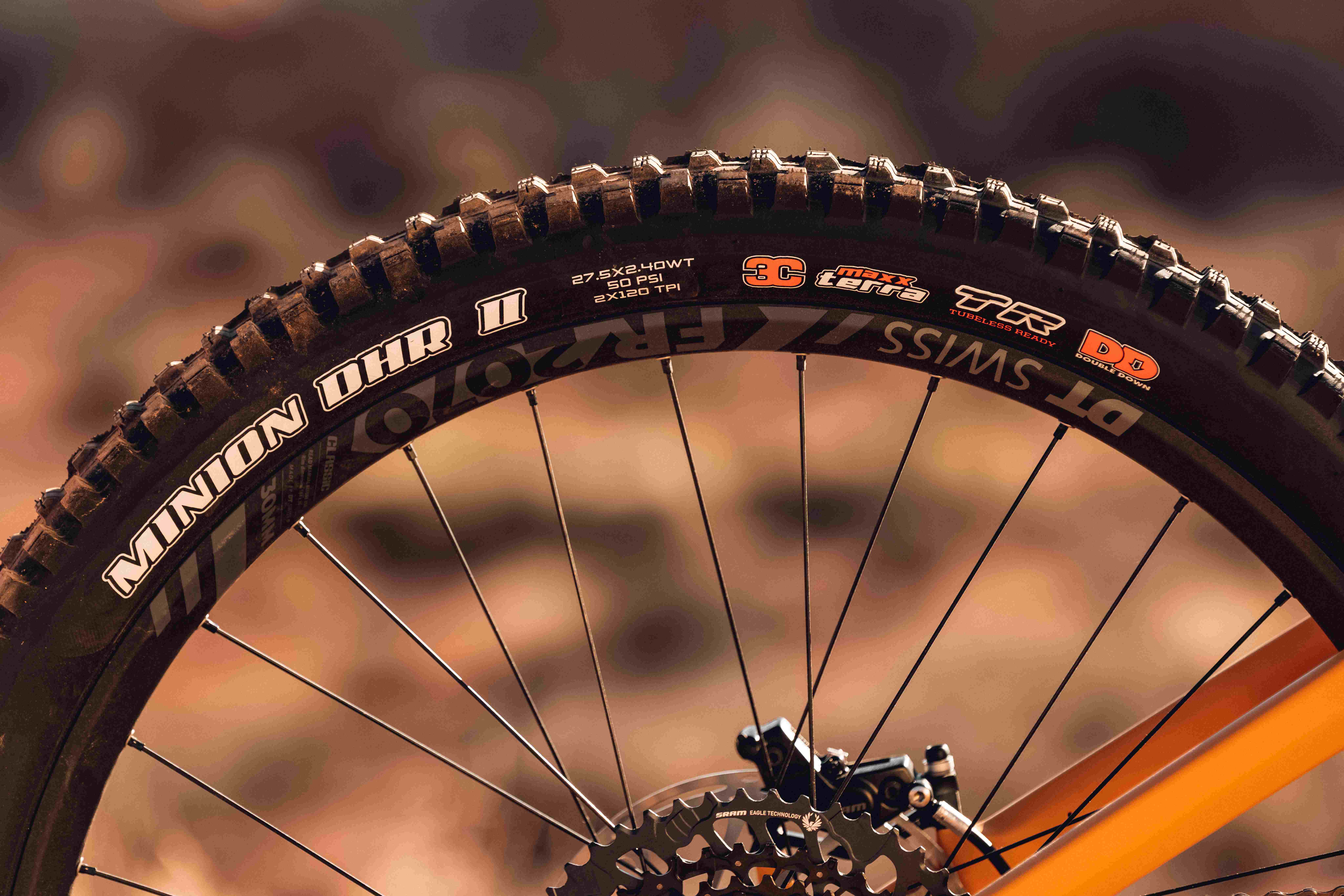
- Using the maximum PSI printed on the tire. This is just the safe limit, not the ideal riding pressure.
- Not checking pressure often. Tires lose air slowly, especially tubeless ones.
- Ignoring changes in terrain. Adjust pressure for rocky, muddy, or smooth trails.
- Setting both tires the same. Front and rear tires often need different pressures.
- Forgetting about temperature. Air pressure drops in cold weather.
Credit: www.canyon.com
How Different Tire Pressures Affect Mountain Bike Performance
To help visualize the effect of PSI, see the comparison below.
| PSI | Grip | Comfort | Speed | Risk of Flat |
|---|---|---|---|---|
| 20 | Excellent | High | Low | Medium |
| 25 | Good | Medium | Medium | Low |
| 30 | Average | Low | High | Very Low |
This table shows why there’s no one “perfect” PSI. Choose based on your riding style and needs.
Real-world Examples And Insights
Let’s look at some actual mountain bikers:
- Sarah, a 130 lb rider, rides rocky trails with tubeless 2.3″ tires. She uses 23 psi front, 25 psi rear. She says this gives her grip and comfort.
- Mike, 180 lb, rides fast on hard trails with tube-type 2.1″ tires. He uses 32 psi rear, 29 psi front. He prefers speed and fewer flats.
- Anna, 150 lb, rides in wet conditions with wide tubeless tires. She uses 21 psi for both tires to get more traction in mud.
These examples show that pressure is personal. You must test and adjust to find what works for you.
Advanced Tips: Going Beyond The Basics
Once you’ve found your normal PSI, you can fine-tune even more.
- Drop a few psi for technical sections. If you know a trail is rocky or rooty, lower pressure for that ride.
- Try different front/rear ratios. Many riders use 2–4 psi less in the front tire.
- Use a high-quality gauge. Cheap gauges can be off by 3–5 psi.
- Record your results. Track how changes affect your ride. Over time, you’ll learn which PSI works best for you.
Many pros use 2 psi less in the front, and 2 psi more in the rear. This helps balance grip and support.
How Tire Pressure Changes With Conditions
Tire pressure isn’t fixed. It changes during a ride, as tires warm up, or if you go from sun to shade. You might start a ride with 25 psi, and finish with 27 psi due to heat. Always check pressure before big races or long rides.
Credit: www.youtube.com
Why Beginners Often Get Tire Pressure Wrong
New riders often use too much air because they fear flats. But high PSI makes the bike bounce and lose grip. Another mistake is following tire markings strictly. These show a safe range, not the best PSI for mountain biking.
A less obvious tip: Try different pressures on the same trail, and notice the difference. Most beginners don’t realize how much PSI affects handling, braking, and comfort.
How To Avoid Flat Tires While Using Lower Pressure
If you want to use lower PSI for grip, but worry about flats, follow these steps:
- Use tubeless tires if possible.
- Add extra rim protection, like tire inserts.
- Don’t go below the manufacturer’s minimum PSI.
- Check tire sidewalls for damage before every ride.
Many riders use tire inserts that protect the rim and allow lower pressure without risk.
Choosing The Right Tire Pressure For Your Bike
When picking the right pressure, focus on these:
- Your weight: Heavier riders need higher PSI.
- Tire size: Wider tires can use lower PSI.
- Type (tubeless/tube-type): Tubeless can go lower.
- Trail conditions: Adjust for rocky, muddy, or smooth paths.
- Personal comfort: Try different PSIs and note what feels best.
Never copy someone else’s settings blindly. What works for them may not suit you.
Data: How Tire Pressure Affects Mountain Bike Speed And Safety
A study by the International Mountain Biking Association found that riders with lower tire pressure finished technical trails 8% faster, with fewer slips and falls. But on hard, flat trails, higher pressure was faster by 5%. This shows the importance of adjusting pressure to the terrain.
You can read more research on mountain bike tire pressure at Bicycling Magazine.
Frequently Asked Questions
How Often Should I Check My Mountain Bike Tire Pressure?
It’s best to check your tire pressure before every ride. Tires lose air slowly over time, and changes in temperature can affect PSI. Checking regularly helps avoid surprises like flats or bad handling.
Can I Use The Same Tire Pressure For All Types Of Trails?
No, you should adjust tire pressure for different trails. Lower PSI for rocky or soft trails gives more grip and comfort. Higher PSI for hard-packed trails helps with speed and prevents flats.
Is It Safe To Use Low Pressure In Tubeless Tires?
Yes, tubeless tires are designed to handle lower PSI. They are less likely to pinch flat and often have sealant to fix small punctures. Just don’t go below the manufacturer’s minimum PSI.
Why Is My Bike Bouncing So Much On Rough Trails?
If your bike feels bouncy and hard to control, your tire pressure may be too high. Lower the PSI by 2–3 and ride again. This should improve comfort and grip.
What’s The Best Tire Pressure For Mountain Biking?
There is no single best PSI. Start with the recommended range for your tire and weight, then adjust based on your riding style, terrain, and personal comfort. Most mountain bikers use 20–35 psi, but the ideal number is different for each person.
Getting the right air pressure in mountain bike tires is not just about avoiding flats. It’s about making your ride safer, smoother, and more enjoyable. Now you know how to choose, check, and adjust tire pressure for any trail, any weather, and any bike. With a few simple changes, you’ll feel the difference in grip, comfort, and control. Test different settings, keep notes, and soon you’ll find the perfect PSI for your mountain biking adventures.

Hello Guys! I am John Reese, a professional biker and my hobby is biking! I have been biking for last 12 years and I love using bikes while outing as well. Based on my experiences with the different type of bikes (mountain bikes, road bikes and hybrid bikes); I am sharing my opinion about various bikes so that a beginner can get started right away. Happy reading!