
When you start looking for a full suspension mountain bike, weight is one of the first things you notice. It’s not just a number; it affects how the bike feels on trails, how easy it is to climb hills, and how fast you can react.
Many riders worry about weight, but they don’t always understand what it really means or how much a full suspension mountain bike actually weighs. This article will guide you through everything you need to know about mountain bike weight, from the numbers to the reasons behind them.
You’ll learn how weight affects performance, what makes some bikes lighter or heavier, and whether you should really care about those extra pounds.
What Is A Full Suspension Mountain Bike?
A full suspension mountain bike is designed for rough, off-road riding. It has two main shock absorbers—one in the front (the fork) and one in the back (the rear shock). These help the bike handle bumps, rocks, and jumps. The front suspension absorbs impacts from the front wheel, while the rear suspension keeps the back wheel in contact with the ground. This makes the ride smoother, especially on tough trails.
Full suspension bikes are different from hardtail bikes, which only have front suspension. The extra shock absorber adds comfort and control, but it also adds weight. Riders choose full suspension bikes for downhill racing, trail riding, and technical terrain. They are popular because they make tough trails easier and more fun.
Typical Weight Range For Full Suspension Mountain Bikes
The weight of a full suspension mountain bike depends on many factors, but most bikes fall between 28 and 35 pounds (12.7 to 15.9 kg). There are lighter bikes (below 28 pounds) and heavier bikes (above 35 pounds), but these are less common.
Here’s a quick look at typical weight ranges:
| Bike Type | Average Weight (lbs) | Average Weight (kg) |
|---|---|---|
| Cross-country (XC) | 22-28 | 10-12.7 |
| Trail | 28-32 | 12.7-14.5 |
| Enduro | 30-35 | 13.6-15.9 |
| Downhill | 35-40 | 15.9-18.1 |
Cross-country bikes are usually the lightest. They are built for speed and climbing. Trail bikes are a bit heavier because they need to handle rougher terrain. Enduro and downhill bikes are the heaviest because they use stronger parts and bigger shocks for steep, technical trails.
Why Does Weight Matter?
Weight affects almost every part of riding. A lighter bike is easier to pedal uphill, quicker to accelerate, and often feels more nimble. But lighter is not always better. Sometimes, a heavier bike is more stable and durable.
Climbing
When you climb hills, every pound matters. A lighter bike helps you go up faster and with less effort. This is especially true if you ride long distances or climb often.
Descending
Going downhill, weight can help. A heavier bike feels more stable at high speeds and over rough terrain. It absorbs impacts better and keeps you from bouncing around too much.
Handling
A lighter bike is easier to move around, especially in tight corners. You can change direction faster and jump obstacles more easily. But if the bike is too light, it might feel twitchy or unstable.
Durability
Heavier bikes often use stronger parts. They can take more abuse and last longer on tough trails. If you ride hard or crash often, a heavier bike might be a safer choice.
Comfort
Full suspension bikes are more comfortable than hardtails because they absorb shocks. This lets you ride longer without getting tired. Weight plays a role here too. If the bike is too heavy, it can tire you out faster.
Key Factors That Affect Bike Weight
The weight of a full suspension mountain bike is not just about the frame. Many parts add to the total weight. Let’s look at the most important factors:
Frame Material
The frame is the biggest part. It can be made from aluminum, carbon fiber, steel, or titanium.
- Aluminum frames are common and offer a good balance of weight and price.
- Carbon fiber frames are lighter and stronger but cost more.
- Steel frames are heavier but very durable.
- Titanium frames are light and strong but expensive.
Carbon fiber is the lightest, but not everyone can afford it. Aluminum is the most popular for mid-range bikes.
Suspension System
The suspension adds weight. Bigger shocks and longer travel (the distance the suspension moves) mean more weight. Downhill bikes have the biggest shocks, so they are the heaviest. Cross-country bikes use smaller, lighter shocks.
Wheels And Tires
Wheels can be made from aluminum or carbon. Carbon wheels are lighter but cost more. Tires also matter. Thicker tires for rough terrain add weight. Some riders choose lighter tires for racing, but these may not last as long.
Drivetrain
The drivetrain (gears, chain, crankset) can be heavy or light. High-end drivetrains use lighter materials, but cheaper ones are heavier. More gears can add weight, but they help with climbing.
Brakes
Hydraulic disc brakes are heavier than mechanical brakes, but they work better. Most full suspension bikes use hydraulic brakes because they offer more stopping power.
Accessories
Many riders add accessories like dropper posts, lights, water bottle cages, and tool kits. Each accessory adds a bit of weight. If you want the lightest bike, keep accessories to a minimum.
Comparing Full Suspension And Hardtail Bike Weights
Full suspension bikes are almost always heavier than hardtails. The rear shock, linkages, and stronger frame add extra pounds. Here’s a simple comparison:
| Bike Type | Average Weight (lbs) | Average Weight (kg) |
|---|---|---|
| Hardtail | 24-28 | 10.9-12.7 |
| Full Suspension | 28-35 | 12.7-15.9 |
A hardtail is lighter and simpler, but not as comfortable on rough trails. Full suspension bikes give more control but weigh more.
Real-world Examples: Weight Of Popular Full Suspension Mountain Bikes
Let’s look at some real bikes and their weights. These are popular models in different categories.
- Trek Fuel EX 9.8 (Trail): About 29.6 pounds (13.4 kg)
- Specialized Stumpjumper Expert (Trail): About 30.2 pounds (13.7 kg)
- Santa Cruz Hightower CC (Trail): About 30 pounds (13.6 kg)
- Giant Trance Advanced Pro 29 (Trail): About 29.2 pounds (13.2 kg)
- YT Capra AL Base (Enduro): About 35 pounds (15.9 kg)
- Norco Sight C2 (Enduro): About 32.8 pounds (14.9 kg)
- Canyon Strive CF 7.0 (Enduro): About 31.7 pounds (14.4 kg)
- Specialized S-Works Epic (XC): About 22.9 pounds (10.4 kg)
- Pivot Mach 4 SL (XC): About 22.7 pounds (10.3 kg)
- Trek Session 9.9 (Downhill): About 37.4 pounds (17 kg)
- Commencal Supreme DH (Downhill): About 39.2 pounds (17.8 kg)
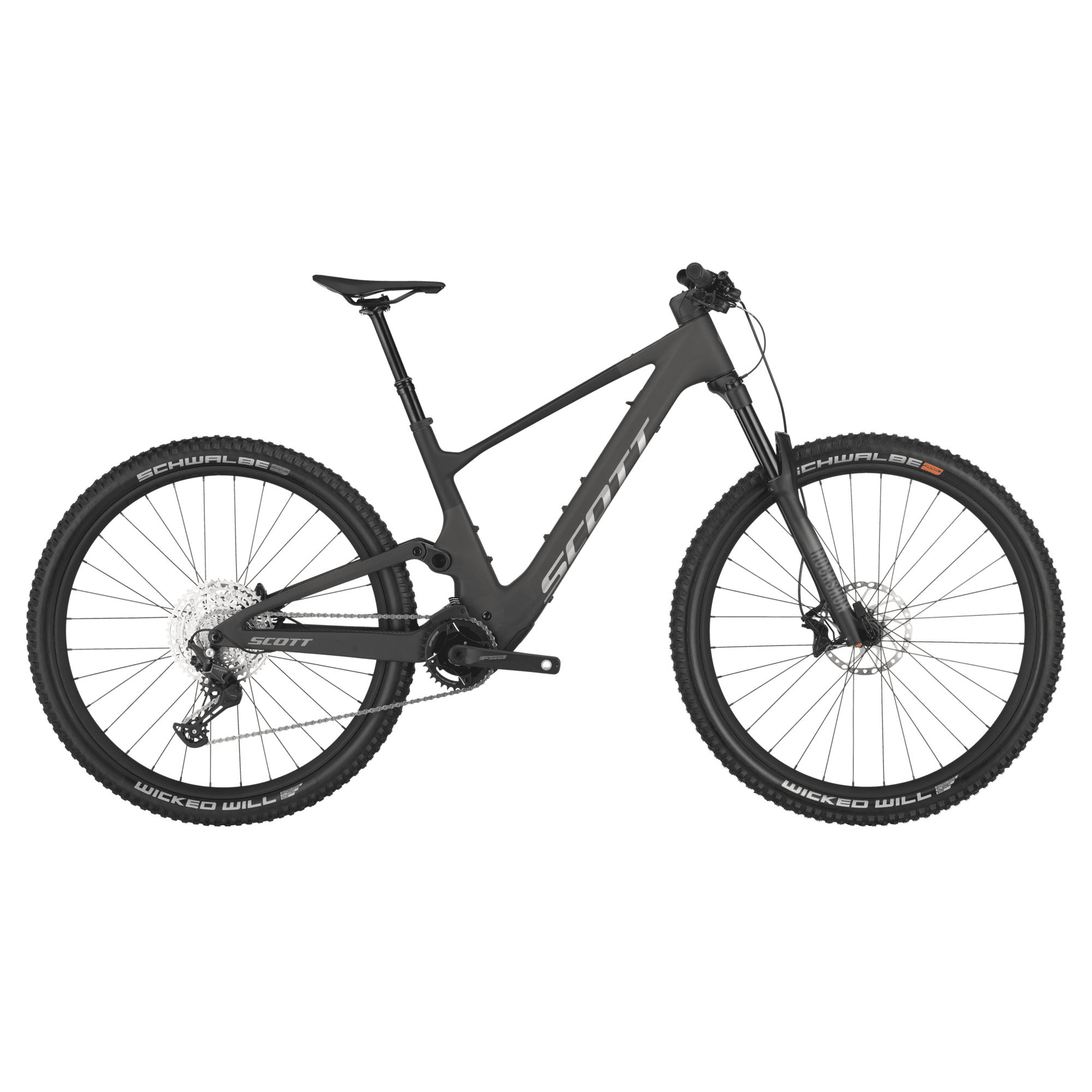
These numbers show that XC bikes are much lighter than enduro or downhill bikes. Trail bikes sit in the middle.
Credit: victorybicyclestudio.com
Weight Differences By Bike Category
Every mountain bike category has its own weight range. Here’s why:
Cross-country (xc)
XC bikes are built for speed and climbing. They use light frames, small shocks, and narrow tires. Weight is a top priority.
Trail
Trail bikes balance weight and strength. They need to handle tough terrain, but still climb well. Most trail bikes weigh between 28 and 32 pounds.
Enduro
Enduro bikes are for long descents and rough trails. They use bigger shocks and wider tires, making them heavier. Average weight is 30-35 pounds.
Downhill
Downhill bikes are the heaviest. They have massive shocks, strong frames, and thick tires. Weight is less important because riders don’t climb much.
How Weight Affects Riding Performance
Weight is not just a number—it changes how a bike feels. Here are some ways weight affects performance:
- Climbing: Lighter bikes are easier to pedal uphill. Heavy bikes require more effort.
- Acceleration: Less weight means quicker starts and faster sprints.
- Handling: Light bikes feel nimble, but can be unstable at speed. Heavy bikes are stable, but harder to turn.
- Jumping: Light bikes are easier to jump and control in the air.
- Cornering: Heavy bikes stick to the ground better, but are slower to turn.
- Fatigue: The heavier your bike, the faster you get tired.
Some riders prefer heavier bikes for stability, especially on rough descents. Others want light bikes for quick climbs and fast rides.
How To Make Your Full Suspension Bike Lighter
If you want to reduce your bike’s weight, there are smart ways to do it. Here’s what experienced riders do:
- Upgrade wheels: Lighter wheels make a big difference.
- Change tires: Choose lighter tires if you don’t need extra grip.
- Switch to carbon parts: Carbon fiber handlebars, seat posts, and cranks are lighter.
- Simplify the drivetrain: Fewer gears can cut weight.
- Remove unnecessary accessories: Only carry what you need.
- Use lighter pedals: Some pedals are much lighter than others.
- Choose a lighter saddle: Modern saddles can save weight.
- Shorter cables and hoses: Trim excess length where possible.
But don’t sacrifice strength. Lightweight parts can break more easily, especially on tough trails.
What Is A Good Weight For Your Riding Style?
The best weight for your bike depends on how you ride.
- If you climb a lot, aim for a bike under 30 pounds.
- If you ride downhill or enduro, a bike between 32 and 36 pounds is normal.
- For trail riding, 28 to 32 pounds offers a good balance.
Don’t chase the lowest number. Comfort, durability, and handling are just as important. Some riders obsess over grams, but most people won’t notice small differences.
Common Myths About Bike Weight
Many beginners believe lighter bikes are always better. This isn’t true. Here are some myths and the facts:
- Myth: “Every extra pound makes a big difference.”
Fact: One pound is only about 2% of the total weight. Most riders won’t feel it.
- Myth: “Carbon bikes are always lighter.”
Fact: Some aluminum bikes are lighter than cheap carbon bikes.
- Myth: “Lighter bikes are always faster.”
Fact: On rough trails, heavier bikes can be faster because they stay stable.
Another mistake is spending money only to lose a few grams. Instead, focus on fit, comfort, and skill.
How Manufacturers Measure Bike Weight
Bike weight is usually measured without pedals, accessories, or water bottles. This is called “bare bike weight.” Some brands include pedals, but most do not. Always check what’s included in the weight number.
Two bikes with the same listed weight might feel different when fully set up. Adding pedals, a dropper post, or heavy tires can change the real-world weight.
Weight Vs. Price: Is Paying More Worth It?
Lighter bikes cost more. Carbon fiber, high-end wheels, and fancy drivetrains add hundreds or thousands of dollars. But the difference in weight might be small.
Here’s a simple example:
| Bike Model | Frame Material | Weight (lbs) | Price (USD) |
|---|---|---|---|
| Trek Fuel EX 5 | Aluminum | 32 | $2,399 |
| Trek Fuel EX 9.8 | Carbon | 29.6 | $6,499 |
The carbon bike is lighter, but costs much more. Decide what matters most: weight or price.
Weight And Bike Size
Bike size affects weight. Larger frames use more material, so they weigh more. XL bikes can be up to 1 pound heavier than a Small.
If you need a big bike, expect it to weigh a bit more. But don’t worry—fit is more important than saving a pound.
Weight And Rider Weight
Some riders worry about bike weight, but ignore their own. A rider’s weight is usually much higher than the bike’s.
For example:
- Rider weight: 150 pounds
- Bike weight: 32 pounds
The bike is only about 21% of the total. Improving your fitness and skills makes a bigger difference than shaving grams off the bike.
Weight And Suspension Travel
Suspension travel means how much the shock moves. More travel usually means more weight.
- XC bikes: 100-120 mm travel (lightest)
- Trail bikes: 120-150 mm travel
- Enduro bikes: 150-170 mm travel
- Downhill bikes: 180-220 mm travel (heaviest)
Choose the right travel for your trails. Don’t pick a heavy bike with lots of travel if you ride smooth trails.
Weight And Terrain
Where you ride affects how much weight matters.
- Smooth trails: Lighter bikes feel better.
- Rough, rocky trails: Heavier bikes are more stable.
- Long climbs: Light bikes save energy.
- Big jumps: Heavy bikes land better.
Match your bike weight to your terrain for the best experience.
Weight And Maintenance
Heavier bikes need strong parts. They can be easier to maintain because they don’t break as often. Light bikes use thinner parts that need more careful maintenance.
If you want a bike that lasts, don’t pick the lightest option. Choose quality parts and check them regularly.
Weight And Transport
If you carry your bike in a car, on a rack, or up stairs, weight matters. Lighter bikes are easier to move and store. But for most riders, this is a small part of the decision.
Weight And Racing
In racing, every pound counts. Professional racers use the lightest bikes possible. But they also need strong bikes that won’t break.
If you race, invest in lighter parts. But for everyday riding, focus on comfort and reliability.
Weight And Women’s Bikes
Women’s bikes are often lighter because they use smaller frames and parts. But the difference is small. Most women can ride standard bikes without problems.
Some brands offer special women’s models, but the main change is fit—not weight.
Weight And Kids’ Bikes
Kids’ bikes should be as light as possible. Heavy bikes are hard for children to control. Look for aluminum frames and simple designs.
Don’t add accessories that make the bike heavier. Focus on safety and ease of use.
Weight And E-bikes
Full suspension e-bikes are much heavier. The motor and battery add 10-20 pounds. Most e-bikes weigh between 45 and 55 pounds.
If you want an e-bike, expect to carry more weight. But the motor helps with climbing, so the extra pounds are less important.
Weight And Fat Bikes
Fat bikes use wide tires for snow and sand. They are heavier, often 35-45 pounds. The tires add weight but help with grip.
Fat bikes are not good for climbing fast, but they work well on soft surfaces.
Weight And Bikepacking
If you use your bike for camping or long trips, you’ll carry extra gear. The total weight can double.
Choose a strong bike for bikepacking. Weight is less important than reliability.
Weight And Upgrades
Some upgrades can cut weight, but others add it. Here are smart ways to upgrade:
- Lighter wheels and tires
- Carbon handlebars and seat posts
- Single ring drivetrains
- Lighter saddles
- Tubeless tires (remove inner tubes)
Avoid upgrades that only save a few grams but cost a lot. Look for real benefits.
Weight And Suspension Settings
A heavy bike needs different suspension settings. Set your shocks harder to prevent bottoming out. Light bikes can use softer settings for comfort.
Always adjust your suspension to match your bike’s weight and your riding style.
Weight And Bike Geometry
Geometry means how the frame is shaped. Long, slack frames are more stable but heavier. Short frames are lighter but less stable.
Choose geometry that fits your trails. Don’t pick a bike just because it’s light—make sure it handles well.
Weight And Personal Preference
Some riders love light bikes. Others prefer heavy, stable bikes. Try different models to see what feels best.
Don’t follow trends blindly. What works for someone else might not work for you.
Weight And Environmental Impact
Lighter bikes often use exotic materials. Carbon fiber is hard to recycle. Aluminum is easier, but heavier.
If you care about the environment, choose a durable bike that lasts. Avoid replacing bikes just to chase lighter weight.

Credit: www.vitalmtb.com
Weight And Safety
Heavy bikes are safer in rough terrain because they use stronger parts. Light bikes can break if pushed too hard.
Choose safety over weight, especially if you ride aggressive trails.
Weight And Warranty
Some brands offer warranties for their frames and parts. Lighter bikes might not have strong warranties because they use thinner materials.
Check the warranty before buying. It’s better to have a heavier bike that’s covered than a light bike that breaks.
Weight And Resale Value
Lighter bikes usually have higher resale value. But condition and brand matter more.
Keep your bike clean and well-maintained. Buyers will pay more for a reliable bike, even if it’s a bit heavier.
Weight And Technology
Modern bikes use new technologies to cut weight. Carbon fiber, tubeless tires, and advanced suspension save pounds. But these upgrades cost more.
Decide what matters for your riding. Don’t buy tech you don’t need.
Weight And Group Rides
On group rides, bike weight is less important than fitness and skill. Don’t worry if your bike is heavier than others. Focus on having fun and improving your skills.
Weight And Bike Feel
The feel of a bike is more important than weight. Test ride different models. Sometimes a heavier bike feels better because it’s more stable.
Don’t buy based on numbers alone. Try bikes before making a decision.

Credit: www.amazon.com
Weight And Trends
Bike trends change every year. Sometimes brands push lighter bikes, sometimes heavier, more durable models. Don’t follow trends blindly.
Choose what works for your riding style and trails. Trends can be expensive and don’t always help.
Weight And Beginner Mistakes
Beginners often make these mistakes:
- Obsessing over weight instead of fit
- Spending too much on light parts
- Ignoring durability
- Not testing bikes before buying
Focus on comfort and skill. Weight is just one factor.
Weight And Expert Advice
Experts say: Don’t chase weight numbers. Look for a bike that fits, feels good, and is reliable. Light bikes are nice, but not the only thing that matters.
If you want to learn more, visit Wikipedia for detailed information about mountain bikes.
Frequently Asked Questions
How Much Does A Full Suspension Mountain Bike Weigh On Average?
Most full suspension mountain bikes weigh between 28 and 35 pounds (12.7 to 15.9 kg). The exact weight depends on the frame material, suspension, and parts.
Is A Lighter Bike Always Better?
No. Lighter bikes climb faster but can be less stable on rough trails. Heavier bikes are stronger and more comfortable for aggressive riding.
What Is The Lightest Full Suspension Mountain Bike?
Some high-end cross-country bikes weigh under 23 pounds (10.4 kg). These use carbon fiber frames and top parts.
Why Do Downhill Bikes Weigh More?
Downhill bikes use bigger shocks, strong frames, and thick tires to handle steep, rough terrain. This adds weight but makes them safer.
How Can I Make My Mountain Bike Lighter?
Upgrade wheels, tires, and parts to lighter options. Remove unnecessary accessories. But don’t sacrifice strength or comfort.
Choosing the right bike weight is about balance. Look for a bike that fits your riding style, terrain, and budget. Weight matters, but it’s only one part of the story. Focus on comfort, skill, and enjoyment—these matter more than a number on a scale.

Hello Guys! I am John Reese, a professional biker and my hobby is biking! I have been biking for last 12 years and I love using bikes while outing as well. Based on my experiences with the different type of bikes (mountain bikes, road bikes and hybrid bikes); I am sharing my opinion about various bikes so that a beginner can get started right away. Happy reading!