
Choosing a new mountain bike is exciting. But it can also be confusing, especially when you see many models and prices. Giant is one of the world’s best-known mountain bike brands. Their bikes offer quality, performance, and value. But how much does a Giant mountain bike really cost? The answer depends on several factors—like model, features, and where you buy it.
If you’re thinking about a Giant mountain bike, you probably have questions: Is it worth the price? What features matter most? How do entry-level and high-end models compare? In this article, I’ll help you understand the costs, explain what affects prices, and give real examples of Giant mountain bikes in different price ranges. You’ll also see data tables, comparisons, and practical tips for buying. Whether you’re a beginner or a rider looking to upgrade, you’ll find answers here.
Why Giant Mountain Bikes Are Popular
Giant started in Taiwan in 1972. Today, it’s a global leader in the bicycle industry. They produce bikes for all levels—beginners, pros, and everyone in between. Giant’s mountain bikes are known for their durability, innovative designs, and value for money.
Many riders choose Giant because:
- Wide range of models: From basic to advanced
- Good build quality: Frames, wheels, and parts are reliable
- Modern technology: Suspension systems, lightweight materials, and smart geometry
- Strong resale value: Used Giant bikes often keep their value better than other brands
Giant also sponsors professional teams, so their bikes are tested at the highest level. When you buy a Giant mountain bike, you get proven quality.
Key Factors That Affect Giant Mountain Bike Prices
Not all Giant mountain bikes cost the same. Prices depend on several factors. Understanding these will help you choose the right bike and avoid paying too much.
1. Frame Material
The frame is the main part of the bike. Giant uses different materials:
- Aluminum: Most affordable. Good for beginners and casual riders.
- Carbon fiber: More expensive. Lighter and stronger. Used in high-end models.
Carbon frames can cost 2–3 times more than aluminum. But they offer better performance and lower weight.
2. Suspension Type
Mountain bikes have two main suspension setups:
- Hardtail: Only front suspension. Cheaper, lighter, easier to maintain.
- Full-suspension: Front and rear suspension. More expensive, smoother ride, better for rough trails.
Full-suspension models usually cost $500–$1,500 more than hardtails in the same range.
3. Component Quality
Components include gears, brakes, wheels, and handlebars. Higher-quality components cost more and last longer. Giant uses parts from brands like Shimano and SRAM. Advanced models have better components, adding $400–$2,000 to the price.
4. Wheel Size
Giant mountain bikes come in:
- 27.5-inch wheels: Good for quick turns, easier handling
- 29-inch wheels: Faster on straight trails, better for taller riders
Larger wheels can add $100–$300 to the price, but the difference is not huge.
5. Model Year
Newer models often cost more, especially if they have new features. Last year’s models may be discounted by 10–30%.
6. Extra Features
Features like dropper seat posts, tubeless tires, and integrated electronics increase the price. Decide which extras you really need.
7. Buying Location
Buying online can be cheaper, but you may pay extra for shipping and assembly. Local shops offer support and warranty, sometimes at a higher price.
Giant Mountain Bike Price Ranges: Real Examples
To help you understand costs, let’s look at real Giant mountain bike models in different price ranges. These examples are based on US retail prices (2024).
Entry-level Giant Mountain Bikes ($500–$1,000)
These bikes are best for beginners or casual riders. Most have aluminum frames and basic components.
Example: Giant Talon 3
- Frame: Aluminum
- Suspension: Hardtail (front only)
- Wheel size: 27.5 or 29-inch
- Components: Shimano Tourney
- Price: $650
Example: Giant ATX
- Frame: Aluminum
- Suspension: Hardtail
- Wheel size: 27.5-inch
- Components: Shimano Altus
- Price: $520
Example: Giant Talon 1
- Frame: Aluminum
- Suspension: Hardtail
- Wheel size: 29-inch
- Components: Shimano Deore
- Price: $950
Entry-level bikes are good for local trails, commuting, and basic fitness rides. They’re easy to maintain and upgrade.
Mid-range Giant Mountain Bikes ($1,000–$2,500)
These bikes are for riders who want better performance. They have improved suspension and components.
Example: Giant Fathom 29 2
- Frame: Aluminum
- Suspension: Hardtail
- Wheel size: 29-inch
- Components: Shimano Deore
- Price: $1,430
Example: Giant Stance 29 2
- Frame: Aluminum
- Suspension: Full (front and rear)
- Wheel size: 29-inch
- Components: Shimano Deore
- Price: $1,800
Example: Giant Trance 29 3
- Frame: Aluminum
- Suspension: Full
- Wheel size: 29-inch
- Components: Shimano SLX
- Price: $2,400
Mid-range models handle tougher trails and longer rides. They’re a step up in comfort and durability.
High-end Giant Mountain Bikes ($2,500–$6,000+)
These bikes are for serious riders and professionals. They use the best materials and technology.
Example: Giant Trance Advanced Pro 29 1
- Frame: Carbon fiber
- Suspension: Full
- Wheel size: 29-inch
- Components: SRAM GX Eagle
- Price: $4,950
Example: Giant Reign Advanced Pro 29
- Frame: Carbon fiber
- Suspension: Full
- Wheel size: 29-inch
- Components: Shimano XT
- Price: $6,200
Example: Giant XTC Advanced SL 29
- Frame: Carbon fiber
- Suspension: Hardtail
- Wheel size: 29-inch
- Components: Shimano XTR
- Price: $6,000
High-end bikes are lighter, smoother, and faster. They’re designed for racing and extreme trails.
Special Models: Electric Mountain Bikes ($2,500–$7,000+)
Giant also makes e-mountain bikes. These have electric motors to help you pedal. Prices are higher because of the battery and motor.
Example: Giant Trance E+ Pro 29 1
- Frame: Aluminum
- Suspension: Full
- Wheel size: 29-inch
- Components: Shimano XT
- Motor: Giant SyncDrive Pro
- Price: $5,600
Example: Giant Talon E+ 3
- Frame: Aluminum
- Suspension: Hardtail
- Wheel size: 29-inch
- Components: Shimano Altus
- Motor: Giant SyncDrive Core
- Price: $2,950
E-bikes are popular for longer rides and steep hills. They’re heavier but make mountain biking more accessible.
Comparing Giant Mountain Bike Models And Prices
It’s helpful to see how Giant mountain bikes compare by features and price. Below is a data table with popular models:
| Model | Frame Material | Suspension | Wheel Size | Components | Price (USD) |
|---|---|---|---|---|---|
| Talon 3 | Aluminum | Hardtail | 27.5/29″ | Shimano Tourney | $650 |
| Fathom 29 2 | Aluminum | Hardtail | 29″ | Shimano Deore | $1,430 |
| Stance 29 2 | Aluminum | Full | 29″ | Shimano Deore | $1,800 |
| Trance Advanced Pro 29 1 | Carbon Fiber | Full | 29″ | SRAM GX Eagle | $4,950 |
| Reign Advanced Pro 29 | Carbon Fiber | Full | 29″ | Shimano XT | $6,200 |
| Talon E+ 3 | Aluminum | Hardtail | 29″ | Shimano Altus | $2,950 |
This table shows that frame material, suspension, and components are the main price drivers.

Credit: www.mbr.co.uk
Extra Costs To Consider When Buying A Giant Mountain Bike
The bike price is just the start. There are extra costs you should plan for:
Accessories
You might need:
- Helmet ($40–$150)
- Lights ($30–$80)
- Lock ($20–$70)
- Water bottle and cage ($15–$30)
- Bike pump ($20–$50)
- Repair kit ($30–$70)
A basic accessory set can add $150–$400.
Clothing And Gear
Mountain biking is safer and more comfortable with the right gear:
- Gloves ($20–$60)
- Shoes ($50–$150)
- Padded shorts ($40–$90)
- Cycling jersey ($30–$80)
- Backpack or hydration pack ($40–$120)
Expect to spend $150–$350 for basic clothing.
Maintenance
Regular maintenance keeps your bike working well:
- Tune-up ($50–$120 per year)
- Tire replacement ($40–$100 per tire)
- Brake pads ($20–$40 per set)
- Chain replacement ($20–$50)
Yearly maintenance can cost $100–$300, depending on how much you ride.
Insurance And Registration
In some cities, you can insure your bike against theft or damage:
- Bike insurance ($100–$400 per year)
- Registration ($10–$30, optional)
Insurance is useful for expensive bikes.
Shipping And Assembly Fees
If you buy online, expect to pay:
- Shipping ($50–$150)
- Assembly ($50–$100 if done by a shop)
Local shops may include assembly for free.
How To Choose The Right Giant Mountain Bike For Your Budget
With many models and prices, choosing the right Giant mountain bike can feel overwhelming. Here’s how to make a smart choice:
1. Decide Your Riding Style
Ask yourself:
- Will you ride on smooth trails or rough mountains?
- Do you need a bike for commuting, fitness, or racing?
- Will you use it for long rides or short trips?
Your riding style helps you pick the right frame, suspension, and components.
2. Set Your Budget
Decide how much you want to spend—not just on the bike, but on accessories and gear. Entry-level bikes are good for beginners. Mid-range and high-end models are better for serious riders.
3. Compare Models And Features
Focus on:
- Frame material: Aluminum is cheaper, carbon is lighter
- Suspension: Hardtail is easier, full-suspension is smoother
- Wheel size: 27.5″ is nimble, 29″ is fast
- Components: Better gears and brakes improve performance
Choose features that match your needs.
4. Try Before You Buy
If possible, test ride different models. Local shops often let you try bikes. A test ride helps you feel the difference.
5. Check Reviews And Ratings
Read reviews from other riders. Look for feedback about comfort, durability, and support. Reviews can help you avoid common mistakes.
6. Consider Resale Value
Giant bikes keep their value well. If you plan to upgrade later, choose a model that’s popular and easy to sell.
7. Don’t Forget Maintenance
High-end bikes need more care. Make sure you can afford regular maintenance.
Comparing Giant Mountain Bikes To Other Brands
How do Giant mountain bikes compare to other brands like Trek, Specialized, and Cannondale? Let’s look at the differences.
| Brand | Entry-Level Price | Mid-Range Price | High-End Price | Frame Material Options | Suspension Types |
|---|---|---|---|---|---|
| Giant | $500–$1,000 | $1,000–$2,500 | $2,500–$6,000+ | Aluminum, Carbon | Hardtail, Full |
| Trek | $600–$1,200 | $1,200–$3,000 | $3,000–$7,500+ | Aluminum, Carbon | Hardtail, Full |
| Specialized | $650–$1,300 | $1,300–$3,200 | $3,200–$8,000+ | Aluminum, Carbon | Hardtail, Full |
| Cannondale | $700–$1,200 | $1,200–$2,800 | $2,800–$6,500+ | Aluminum, Carbon | Hardtail, Full |
Giant offers similar frame materials and suspension types. Their prices are often more affordable, especially for entry and mid-range models.
Where To Buy Giant Mountain Bikes
You can buy Giant mountain bikes in several ways. Each has pros and cons.
Local Bike Shops
Most cities have Giant dealers. Local shops offer:
- Test rides
- Expert advice
- Free assembly and adjustments
- Warranty support
Prices may be higher, but you get personal service.
Online Retailers
Websites like Giant’s official store, Chain Reaction Cycles, and Backcountry sell Giant bikes. Online buying can be cheaper, but:
- You may need to assemble the bike
- Shipping costs apply
- No test rides
- After-sales support may be limited
Second-hand Market
Used Giant bikes are common on sites like Craigslist, eBay, and Facebook Marketplace. Buying used can save 30–50%. But check the bike carefully for wear and damage.
Giant’s Official Website
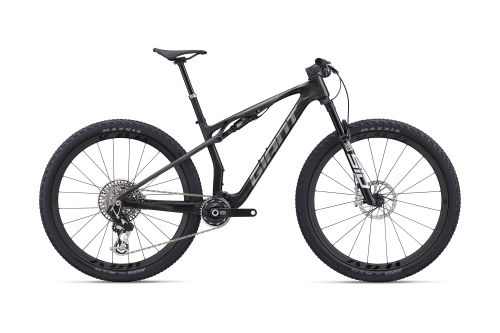
Giant’s website lists all models, specs, and dealer locations. You can compare bikes easily and find local shops. For detailed specs and prices, visit Giant Bicycles USA.
Credit: www.giant-bicycles.com
How To Save Money When Buying A Giant Mountain Bike
Want a Giant mountain bike but don’t want to pay full price? Here are smart ways to save:
1. Buy Last Year’s Model
New models come out every year. Last year’s bikes are often discounted by 10–30%. The differences are small, but the savings are big.
2. Shop During Sales
Many shops offer sales in spring and fall. Black Friday and holiday sales can save you $200–$700.
3. Consider Used Bikes
Used Giant bikes are reliable. Check for wear, ask for service history, and test ride before buying.
4. Negotiate With Local Dealers
Don’t be afraid to ask for a discount, free accessories, or free tune-ups. Dealers often have some flexibility.
5. Avoid Unnecessary Extras
Fancy upgrades can add hundreds to the price. Stick to what you need now. You can upgrade later.
6. Bundle Accessories
Buying accessories with your bike can get you a package deal. Ask the shop for a bundle discount.
What Makes Giant Mountain Bikes Worth The Cost?
Some riders ask: “Why pay more for a Giant mountain bike?” Here’s what you really get:
Proven Quality
Giant builds its own frames and tests them under tough conditions. Their bikes last longer and handle better.
Modern Technology
Features like Maestro suspension, Advanced Composite frames, and tubeless tires are standard in many models. These make riding smoother and safer.
Strong Warranty
Giant offers a lifetime warranty on most frames and a limited warranty on components. This protects your investment.
Resale Value
Used Giant bikes sell quickly and for good prices. This is important if you plan to upgrade later.
Wide Dealer Network
Giant has dealers in most cities. You can get support, repairs, and advice easily.
Non-obvious Insights When Choosing A Giant Mountain Bike
Many buyers overlook these points:
1. Upgrading Components Can Be Costly
Some entry-level bikes look cheap, but upgrading brakes, gears, or wheels later can cost more than buying a mid-range bike from the start. Plan ahead.
2. Test Ride Different Wheel Sizes
- 5″ and 29″ wheels feel different. Don’t assume bigger is always better. Try both before you decide.
3. Check Fit And Geometry
Giant offers several frame sizes. If the bike doesn’t fit, you won’t enjoy riding. Ask the shop to help you find the right size.
4. Full-suspension Isn’t Always Best
Full-suspension bikes are smoother but heavier and harder to maintain. Hardtails are great for beginners and less technical trails.
5. Consider Local Terrain
If your local trails are smooth, a hardtail is enough. If you ride rough hills, full-suspension is worth the extra cost.
Typical Giant Mountain Bike Ownership Costs: 5-year Estimate
Let’s look at how much owning a Giant mountain bike really costs over five years. This includes the bike price, accessories, maintenance, and other costs.
| Cost Item | Entry-Level ($700 bike) | Mid-Range ($1,800 bike) | High-End ($5,000 bike) |
|---|---|---|---|
| Bike Purchase | $700 | $1,800 | $5,000 |
| Accessories & Gear | $250 | $350 | $500 |
| Maintenance (5 years) | $600 | $900 | $1,500 |
| Insurance (optional) | $0 | $600 | $1,500 |
| Total Cost (5 years) | $1,550 | $3,650 | $8,500 |
This estimate shows that maintenance and gear can add up over time. Plan for these costs when budgeting.
How To Spot Fake Giant Mountain Bikes
Some online sellers offer “Giant” bikes at low prices. Be careful—these may be fake. Here’s how to check:
- Buy from official dealers or trusted shops
- Check the serial number (Giant bikes have a unique number under the bottom bracket)
- Inspect the logo and decals (Fake bikes often use poor-quality stickers)
- Look for warranty papers (Real Giant bikes come with warranty)
- Compare the frame shape and welds (Giant frames have smooth welds and precise shapes)
Fake bikes can be dangerous and won’t last long.
Common Mistakes When Buying A Giant Mountain Bike
Avoid these errors:
1. Picking The Wrong Size
A bike that’s too big or small is hard to ride and can cause injuries. Always check the size chart and test ride.
2. Ignoring Suspension Needs
Some riders buy full-suspension for smooth trails. This adds cost and weight. Match the suspension to your terrain.
3. Overlooking Component Quality
Cheap bikes may have weak brakes and gears. Spend a bit more for reliable parts.
4. Forgetting Maintenance Costs
High-end bikes need more care. Don’t spend all your money on the bike—save some for upkeep.
5. Buying Without Research
Don’t buy based on looks or price alone. Compare models and ask for advice.
Credit: www.af-gmbh.de
Frequently Asked Questions
How Much Does A Giant Mountain Bike Cost In 2024?
In 2024, Giant mountain bike prices range from $500 for entry-level models to $6,000+ for high-end carbon fiber bikes. Electric mountain bikes cost $2,500–$7,000+. Most recreational riders spend $1,000–$2,500.
Are Giant Mountain Bikes Worth The Price?
Yes, Giant mountain bikes offer good value. They are durable, have modern technology, and strong resale value. Entry-level models are affordable, while high-end bikes offer top performance for experienced riders.
Is It Better To Buy A Giant Mountain Bike Online Or From A Local Shop?
Buying from a local shop gives you test rides, expert advice, and easy warranty support. Online buying can be cheaper but may include shipping and assembly fees. If you’re new to mountain biking, a local shop is safer.
What Size Giant Mountain Bike Should I Choose?
Size depends on your height and leg length. Giant has size charts for each model. It’s best to test ride and get advice from a dealer. A bike that fits well is more comfortable and safer.
Can I Upgrade Components On My Giant Mountain Bike Later?
Yes, you can upgrade parts like gears, brakes, wheels, and seat posts. But upgrades can be costly. It’s often better to buy a mid-range bike with good components from the start.
Final Thoughts
A Giant mountain bike is a smart investment for riders of all levels. Prices range from affordable entry-level bikes to advanced models for pros. What you pay depends on frame material, suspension, components, and extra features. Buying the right bike means understanding your needs, comparing models, and planning for accessories and maintenance.
With careful choices, a Giant mountain bike will give you years of reliable riding and fun.
If you want more details, check Giant’s official website or visit your local dealer. Remember to test ride, ask questions, and pick the bike that fits your style and budget. Mountain biking is more than just a bike—it’s an experience.
Start with the right Giant bike, and enjoy every trail.

Hello Guys! I am John Reese, a professional biker and my hobby is biking! I have been biking for last 12 years and I love using bikes while outing as well. Based on my experiences with the different type of bikes (mountain bikes, road bikes and hybrid bikes); I am sharing my opinion about various bikes so that a beginner can get started right away. Happy reading!