
How Much Does A Mountain Bike Chain Cost
If you ride a mountain bike, you will eventually need to change the chain. Whether you hit muddy trails, rocky climbs, or smooth paths, the bike chain is one of the parts that gets worn out fastest. But how much does a mountain bike chain cost? Is it worth spending more for a premium chain, or can you save money with a basic model? This guide will help you understand everything about mountain bike chain prices, what affects the cost, and how to choose the right one for your budget and riding style.
Many riders think all chains are similar, but prices can vary a lot. You might find chains for $10 and others costing over $100. This article will explain what makes a chain expensive, the differences between brands, and how to avoid common mistakes when buying.
If you’re new to mountain biking or just want to keep your bike running smoothly, you’ll find practical advice and examples that make chain shopping less confusing.
What Is A Mountain Bike Chain?
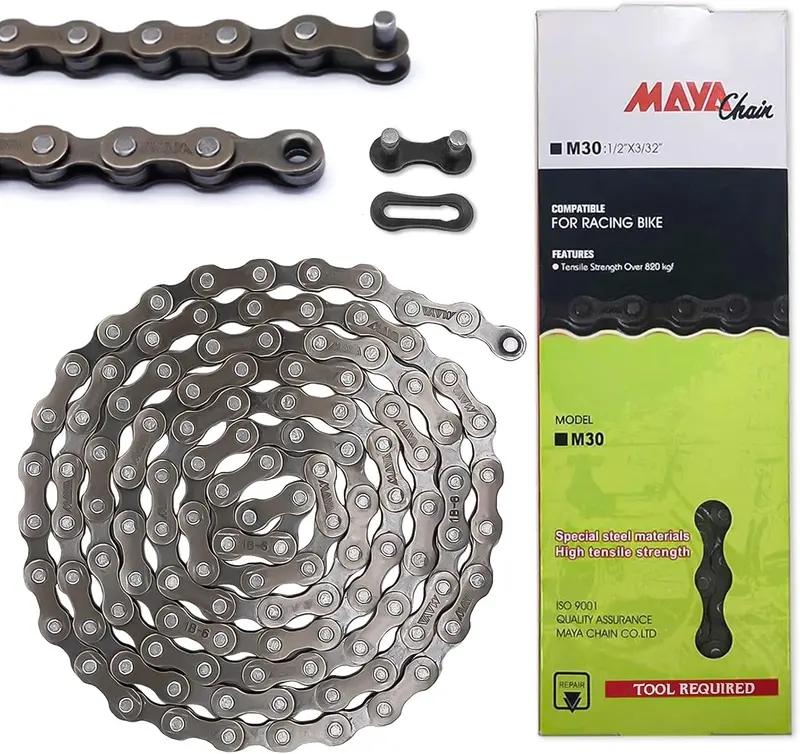
A mountain bike chain is a series of metal links that connect the pedals to the rear wheel. When you pedal, the chain moves and drives the bike forward. Chains are made from steel, sometimes with coatings to reduce rust and wear.
Mountain bike chains are built to handle rough terrain, mud, and high torque. Compared to road bike chains, they are usually stronger and sometimes heavier. They must fit the number of gears (speeds) on your bike. For example, an 11-speed chain works with an 11-speed cassette.
Some chains have special designs to reduce friction or make shifting smoother. Others focus on durability or rust resistance. All these features can affect the price.
Typical Price Ranges For Mountain Bike Chains
Mountain bike chains come in many price ranges. Most chains fall between $15 and $60, but there are cheaper and more expensive options. Below is a summary of price ranges you might see:
| Chain Type | Typical Price | Main Features |
|---|---|---|
| Entry-Level | $10–$25 | Basic steel, simple design |
| Mid-Range | $25–$45 | Better materials, more precise shifting |
| Premium | $45–$100+ | Coatings, advanced design, longer life |
Some brands offer chains outside these ranges. For example, special gold-plated chains or chains for electric mountain bikes may cost more.
Credit: sajdikovehumence.sk
Factors That Affect Mountain Bike Chain Cost
Many riders believe the number of gears is the only thing that affects chain price. But there are several important factors:
Number Of Speeds (gears)
The most important factor is the number of speeds your bike has. A chain for an 8-speed bike is usually cheaper than a chain for a 12-speed bike. This is because chains for more gears need to be thinner and more precise.
- 7/8-speed chains: $10–$25 (simple and strong)
- 9-speed chains: $15–$30 (slightly thinner)
- 10-speed chains: $20–$40
- 11-speed chains: $30–$60
- 12-speed chains: $40–$100 (most expensive, very thin)
Materials And Coatings
Most chains are made from steel. Premium chains use high-quality steel or add coatings like nickel, chrome, or ti-nitride. These coatings make the chain last longer and resist rust.
- Standard steel: Cheapest, but can rust quickly
- Nickel-plated: More expensive, better for wet conditions
- Ti-nitride/gold: Highest price, best for durability and looks
Brand And Manufacturing
Well-known brands like Shimano, SRAM, and KMC often charge more for their chains. They offer better quality control and advanced designs. Generic chains or off-brands can be much cheaper but may not last as long.
- Shimano/SRAM/KMC: $20–$100 depending on model
- Generic brands: $10–$30
Chain Design
Some chains have special designs for smoother shifting or lower friction. For example, chains with hollow pins or cut-out plates are lighter and may shift better, but cost more.
- Standard design: Cheaper, heavier
- Hollow pin/cut-out: More expensive, lighter
Extra Features
Chains for electric mountain bikes or chains with quick links (easy to install) can cost extra. Also, some chains are made for specific weather conditions or racing.
- E-bike chains: $40–$120
- Quick-link chains: Usually $5–$10 more
Retailer And Location
Where you buy the chain matters. Local bike shops may charge more than online retailers, but they offer advice and installation. Online stores can offer discounts or bundles.
- Local shop: $5–$15 more, but may include fitting
- Online: Lower prices, but need to install yourself
Comparing Popular Mountain Bike Chain Brands
To understand what you get for your money, here’s a comparison of popular brands and their typical prices:
| Brand | Popular Chain Model | Price Range | Durability | Shifting Quality |
|---|---|---|---|---|
| Shimano | HG-X (11-speed) | $30–$60 | High | Excellent |
| SRAM | PC-1110 (11-speed) | $35–$55 | Medium | Very Good |
| KMC | X11 (11-speed) | $40–$70 | Very High | Excellent |
| SunRace | CNM99 (9-speed) | $20–$30 | Medium | Good |
| YBN | S11 (11-speed) | $25–$45 | Medium | Very Good |
Shimano and SRAM are popular for their compatibility and easy shifting. KMC is known for durability and advanced coatings. SunRace and YBN offer good performance for lower prices.
Should You Buy A Cheap Or Expensive Chain?
Choosing a chain is not just about price. Think about how you ride, your budget, and how often you want to change chains.
Cheap Chains
Cheap chains ($10–$25) work well for basic mountain bikes, beginner riders, or bikes with fewer gears. You can save money, but you may need to replace the chain more often. Cheap chains may rust faster, especially if you ride in wet or muddy conditions.
Expensive Chains
Expensive chains ($40–$100+) last longer, shift more smoothly, and resist rust. If you ride often, race, or use your bike in tough conditions, a premium chain can save money over time. You change it less often and it protects your gears.
How To Decide
- If you ride less than once a week, a cheaper chain may be fine.
- If you ride often, or in harsh weather, a better chain is worth it.
- For bikes with 10+ gears, avoid the cheapest chains. They may not fit well or shift smoothly.
How Long Does A Mountain Bike Chain Last?
A common question is how often you need to change the chain. The life of a chain depends on quality, riding style, and maintenance.
- Cheap chains: 500–1,000 miles
- Mid-range chains: 1,000–2,000 miles
- Premium chains: 2,000–4,000 miles
If you clean your chain regularly and avoid riding in mud, it will last longer. Riding in rain, sand, or mud wears chains faster.
Real-world Examples Of Mountain Bike Chain Costs
Let’s look at some real examples to see what you get for your money:
- Shimano CN-HG53 (9-speed): $22 online, $30 in bike shops. Good for basic mountain bikes, lasts about 1,500 miles.
- SRAM PC-1130 (11-speed): $38 online, $48 in shops. Smooth shifting, lasts about 2,000 miles, good for mid-range bikes.
- KMC X12 Gold (12-speed): $65 online, $80 in shops. Ti-nitride coating, lasts 3,000 miles, excellent for high-end bikes.
- SunRace CNM99 (9-speed): $25 online, basic coating, lasts 1,000 miles.
- YBN S11 (11-speed): $40 online, nickel plated, lasts 1,800 miles.
These prices depend on location and retailer. Sometimes shops offer installation as part of the price. Online stores may have shipping costs.
Common Mistakes When Buying A Mountain Bike Chain
Many riders make mistakes that cost them money or cause problems with their bikes. Here are mistakes to avoid:
- Buying the wrong speed: Chains must match the number of gears. An 8-speed chain won’t work on a 12-speed bike.
- Choosing based on price only: Cheap chains may not last or may damage your cassette.
- Ignoring coatings: If you ride in wet conditions, a chain without a good coating will rust quickly.
- Skipping quick links: Chains with quick links are easier to install and remove for cleaning.
- Not checking compatibility: Some brands design chains for their own gear systems. Mixing brands can cause poor shifting.
If you’re unsure, ask your local bike shop or check the manufacturer’s website.

Credit: www.reddit.com
Installation And Replacement Costs
When you buy a chain, consider installation costs. Some shops include fitting in the price, others charge extra.
- DIY installation: Free if you have a chain tool ($10–$20).
- Bike shop installation: $10–$30 extra, takes 10–20 minutes.
If you install yourself, make sure you know how to size the chain. Too long or too short can cause shifting problems.
Can You Save Money Buying Chains In Bulk?
If you ride a lot or have multiple bikes, buying chains in bulk can save money. Some online retailers offer discounts for buying 2–5 chains together.
- Bundle deals: $5–$15 off per chain
- Bulk packs: Used by bike shops, less common for individuals
Bulk buying makes sense for families or groups. But chains have shelf life—store them in dry conditions.
Mountain Bike Chain Cost Vs. Other Bike Parts
How does the chain price compare to other parts? Here’s a quick comparison:
| Part | Typical Price | Replacement Frequency |
|---|---|---|
| Chain | $15–$100 | 500–4,000 miles |
| Cassette | $30–$150 | 2,000–6,000 miles |
| Chainring | $20–$80 | 3,000–10,000 miles |
| Brake pads | $10–$25 | 500–2,000 miles |
The chain is one of the cheapest parts but needs changing often. Changing chains regularly keeps other parts from wearing out too fast.
How To Get The Best Value For Your Money
Here are practical tips to save money and get a good chain:
- Buy from trusted brands: Even basic chains from Shimano, SRAM, or KMC are reliable.
- Check online reviews: Look for real-world feedback. Some cheap chains work well, others break quickly.
- Choose the right coating: For wet conditions, nickel or chrome coatings are worth the extra cost.
- Use quick links: They make cleaning and replacing easier.
- Clean your chain often: Regular cleaning adds miles and saves money.
Many beginners miss the importance of chain cleaning. A dirty chain wears out faster and affects shifting. Spend a few minutes after muddy rides to clean and dry the chain.
How To Know When You Need A New Chain
Replacing your chain at the right time saves money. If you wait too long, you may need to change the cassette and chainring as well.
Signs you need a new chain:
- Chain skips or slips when pedaling
- Shifting feels rough or noisy
- Chain looks stretched or rusty
- You measure with a chain checker tool and see 0.75% stretch (for 10+ speed chains)
If in doubt, ask a bike shop to check for wear.
Do Expensive Chains Really Perform Better?
Many riders wonder if paying more makes a big difference. Here are some practical insights:
- Premium chains shift smoother and last longer, especially for bikes with many gears.
- Cheaper chains can work fine for basic bikes but may cause rough shifting.
- Advanced coatings help in wet, muddy conditions.
- Hollow pins and cut-outs make the chain lighter, but the difference is small unless you race.
A good chain can protect your cassette and chainring, which are more expensive to replace.
Buying Mountain Bike Chains Online Vs. In-store
Where you buy affects price and service. Online stores have lower prices but offer less advice.
- Online: Cheaper, wider selection, but need to install yourself.
- In-store: More expensive, but staff can help you choose and fit the chain.
If you’re unsure about sizing or fitting, buying from a shop can avoid mistakes.
Are There Special Chains For Electric Mountain Bikes?
E-bike chains are built to handle higher torque. They are stronger and sometimes thicker. Prices are higher:
- E-bike chain: $40–$120
- Standard chain: $15–$100
If you ride an electric mountain bike, use a chain designed for e-bikes. Using a regular chain can cause it to break quickly.
How To Check Chain Compatibility
Before buying, check:
- Number of speeds (8, 9, 10, 11, or 12)
- Brand compatibility (Shimano, SRAM, KMC)
- Chain length (most are 116 links, but check your bike)
- Special features (quick link, e-bike, coatings)
Most modern chains work across brands, but for best shifting, use the same brand as your drivetrain.
Environmental And Sustainability Considerations
Some brands offer eco-friendly chains with recyclable packaging or less harmful coatings. KMC and SRAM have some models that focus on sustainability.
If this matters to you, check the brand’s website for details. Chains themselves are made of steel and can be recycled, but packaging and coatings differ.
Practical Insights Beginners Often Miss
- Chain maintenance saves money: Cleaning and lubing your chain can double its life.
- Chain stretch matters: Even if a chain looks fine, internal wear can cause poor shifting and wear out gears.
Many beginners only replace chains when they break. This leads to expensive repairs. Use a chain checker tool every few months.
Advanced Tips For Choosing A Mountain Bike Chain
- For racing or tough trails, consider chains with advanced coatings and hollow pins.
- For budget or city riding, a basic chain is fine.
- If you ride in rain or mud, choose a chain with rust-resistant coating.
How Chain Prices Have Changed Over Time
Chain prices have risen slowly. In the early 2000s, most chains cost $8–$25. Now, with more gears and advanced features, prices range from $15–$100. The trend is toward thinner, lighter, and more durable chains.
Where To Find Reliable Chain Prices
The best source for up-to-date chain prices is online retailers and official brand websites. For example, BikeRadar has regular reviews and price updates.

Credit: www.ebay.com
Frequently Asked Questions
How Much Should I Spend On A Mountain Bike Chain?
Most riders spend $20–$40 for a reliable chain. For bikes with 11 or 12 gears, expect to pay more. If you ride often or in harsh conditions, spending $40–$60 is a good idea.
Can I Use A Road Bike Chain On My Mountain Bike?
Usually not. Road bike chains may not be strong enough for mountain biking and may not fit the gears correctly. Always buy a chain designed for your bike’s speed and type.
How Often Should I Replace My Mountain Bike Chain?
Replace your chain every 1,000–2,000 miles if you ride often. Check for stretch with a chain checker tool. If you ride in mud or rain, change it sooner.
Are Expensive Chains Worth It?
Yes, if you ride a lot, have many gears, or want better shifting. Expensive chains last longer and shift smoother. For casual riders, a basic chain is fine.
What Is A Quick Link, And Should I Get One?
A quick link lets you remove and install your chain easily. It’s useful for cleaning and fixing the chain. Most modern chains come with quick links, and they are recommended for all riders.
Mountain bike chains may seem simple, but choosing the right one makes a big difference. With the right chain, your bike shifts smoothly, lasts longer, and costs less in the long run. Whether you spend $20 or $100, knowing what matters helps you get the best value for your money.

Hello Guys! I am John Reese, a professional biker and my hobby is biking! I have been biking for last 12 years and I love using bikes while outing as well. Based on my experiences with the different type of bikes (mountain bikes, road bikes and hybrid bikes); I am sharing my opinion about various bikes so that a beginner can get started right away. Happy reading!