
Mountain biking is a thrilling adventure, but your bike needs regular care to perform well. If you own a mountain bike, you may wonder: How much does a mountain bike tune up cost? The answer isn’t simple—tune up prices depend on your location, the type of service, and the condition of your bike. For many riders, understanding the tune up cost helps avoid surprise bills and keeps your bike safe and reliable.
Let’s dive into what a tune up actually includes, the price ranges, the reasons behind the cost, and how to get the most value for your money. You’ll learn about different tune up packages, extra services, common mistakes, and ways to save.
By the end, you’ll be ready to make smart decisions about mountain bike maintenance.
What Is A Mountain Bike Tune Up?
A mountain bike tune up means a thorough check and adjustment of your bike’s parts. The goal is to make sure your bike runs smoothly, safely, and efficiently. Tune ups are not just for fixing broken bikes—they are for preventing problems and improving performance.
Most shops offer two levels:
- Basic tune up: Checks, cleans, and adjusts the main parts.
- Full tune up: Deeper cleaning, more detailed adjustments, and sometimes minor repairs.
Here’s what a typical tune up includes:
- Inspecting frame and fork for cracks or damage
- Checking and adjusting brakes
- Tuning gears (derailleurs)
- Lubricating chain and moving parts
- Checking wheel alignment and tire pressure
- Tightening bolts and nuts
- Cleaning the bike
Some shops add extras, like suspension checks or deep cleaning, depending on the package. Tune ups are recommended at least once a year, but if you ride often or in rough conditions, you may need them more often.
Average Mountain Bike Tune Up Costs
Tune up prices can vary widely. Factors like shop location, package type, and bike model matter. Let’s look at the typical price ranges in the US:
| Service Type | Low Cost ($) | Average Cost ($) | High Cost ($) |
|---|---|---|---|
| Basic Tune Up | 35 | 60 | 85 |
| Full Tune Up | 80 | 125 | 180 |
| Premium/Suspension Tune Up | 140 | 220 | 350 |
- Basic tune up is often enough for bikes in good condition.
- Full tune up is ideal for bikes needing more care or after heavy use.
- Premium tune up includes advanced services like suspension overhauls.
Shops in cities or busy areas tend to charge more. Smaller shops or rural locations may offer lower prices. Always ask for a breakdown of what’s included before you book.
What Influences Mountain Bike Tune Up Prices?
Several factors change the cost of a tune up. Knowing these can help you compare offers and avoid paying too much.
Type Of Service Package
- Basic packages are cheaper and focus on simple adjustments.
- Comprehensive packages cost more but include deep cleaning, suspension checks, and minor repairs.
Bike Condition
A bike that’s dirty, rusty, or damaged needs extra time and tools. Shops may charge more if your bike requires special attention.
Bike Components
High-end bikes with hydraulic disc brakes or complex suspension need skilled technicians. Specialized parts may require extra labor.
Shop Reputation And Location
Well-known shops or those in big cities usually charge higher prices. They may have experienced mechanics and offer guarantees.
Parts Replacement
Tune ups often include labor only. If your bike needs new parts—like brake pads, cables, or tires—you’ll pay more. Always ask if parts are included.
Seasonal Demand
Spring and summer are busy for shops. Prices may rise, and wait times can be longer. Booking in off-peak months can save money.
Basic Vs. Full Tune Up: What’s The Difference?
You might wonder if a basic tune up is enough or if you need a full package. Here’s a quick comparison:
| Feature | Basic Tune Up | Full Tune Up |
|---|---|---|
| Brake Adjustment | Yes | Yes (includes pad check) |
| Gear Adjustment | Yes | Yes (more detailed) |
| Chain Lubrication | Yes | Yes (cleaning + lubrication) |
| Wheel Truing | Quick check | Full truing (straightening) |
| Suspension Check | No | Yes (if included) |
| Frame Inspection | Visual check | Detailed inspection |
| Cleaning | Wipe-down | Deep clean |
| Parts Replacement | No | Optional (extra cost) |
If you ride often, tackle rough terrain, or notice issues with your bike, a full tune up is usually worth the extra money. For casual riders or bikes in good shape, a basic tune up may be enough.

Credit: www.allmountainstyle.com
Common Extra Services And Their Costs
Tune ups sometimes reveal problems that need fixing. Shops often offer extra services for an additional fee. Here are some examples:
- Brake Pad Replacement: $15–$45 (parts + labor)
- Chain Replacement: $25–$60
- Cable and Housing Replacement: $30–$80
- Suspension Service: $60–$150 (fork or shock)
- Wheel Truing: $15–$30 (per wheel)
- Tire Replacement: $20–$70 (per tire)
- Bottom Bracket Service: $35–$70
- Headset Adjustment: $15–$30
If your bike needs several extras, your final bill can grow quickly. Always ask for a quote before approving extra work.
How Often Should You Get A Tune Up?
The frequency of tune ups depends on your riding style and conditions. Here are general guidelines:
- Casual riders: Once a year is usually enough.
- Frequent riders: Every 4–6 months, especially after heavy use.
- Riders in harsh conditions: After muddy, wet, or dusty rides, consider more frequent tune ups.
- Before races or trips: Always tune up before big events.
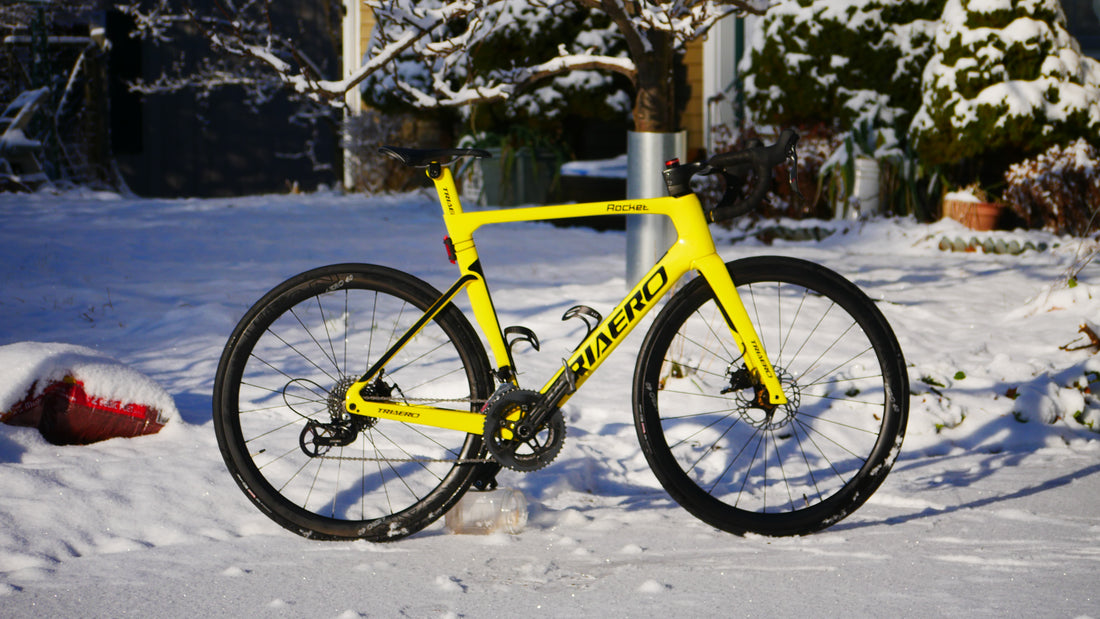
Regular maintenance prevents expensive repairs and keeps your bike safe. You might find small problems before they become big ones.
Credit: icancycling.com
Diy Tune Up Vs. Professional Tune Up
Some riders do their own tune ups. This can save money, but it requires tools, time, and knowledge. Professional tune ups offer expert care and often include guarantees.
Diy Tune Up Costs
Buying tools and parts can cost $80–$300, depending on what you need. Here’s a quick comparison:
| Tool/Part | Estimated Cost ($) |
|---|---|
| Basic Tool Kit | 50–120 |
| Chain Lubricant | 8–15 |
| Cleaning Supplies | 10–25 |
| Replacement Parts | Varies |
If you’re handy and enjoy working on your bike, DIY can be fun. But for complex repairs, professional help is best.
Pros And Cons Of Professional Tune Ups
Pros:
- Skilled mechanics
- Specialized tools
- Guarantees on work
- Saves time
Cons:
- Higher cost
- Wait times during busy seasons
- Limited control over parts used
How To Save Money On Mountain Bike Tune Ups
Tune ups can be expensive, but there are ways to get good value:
- Bundle services: Some shops offer discounts if you book tune ups and repairs together.
- Off-season deals: Prices drop in winter or fall. Ask about specials.
- Loyalty programs: Many shops reward regular customers with discounts.
- Compare shops: Get quotes from different places. Small shops may be cheaper.
- Learn basic maintenance: Doing simple tasks yourself (like cleaning and lubing) can reduce tune up needs.
- Check for hidden fees: Ask if there are extra charges for dirty bikes or urgent jobs.
- Request itemized bills: Make sure you only pay for what you need.
One tip many beginners miss: Shops often charge less if your bike is already clean. A quick wipe-down before dropping it off can save you a few dollars.
Signs Your Mountain Bike Needs A Tune Up
Sometimes it’s obvious your bike needs attention. Other times, small issues can grow unnoticed. Look for these signs:
- Gears slip or shift slowly
- Brakes feel weak or noisy
- Chain skips or squeaks
- Wheels wobble
- Bike feels bumpy or unstable
- Screws and bolts are loose
- Suspension feels stiff or leaky
If you notice any of these, book a tune up soon. Riding with problems can damage your bike and increase repair costs.
Is The Tune Up Cost Worth It?
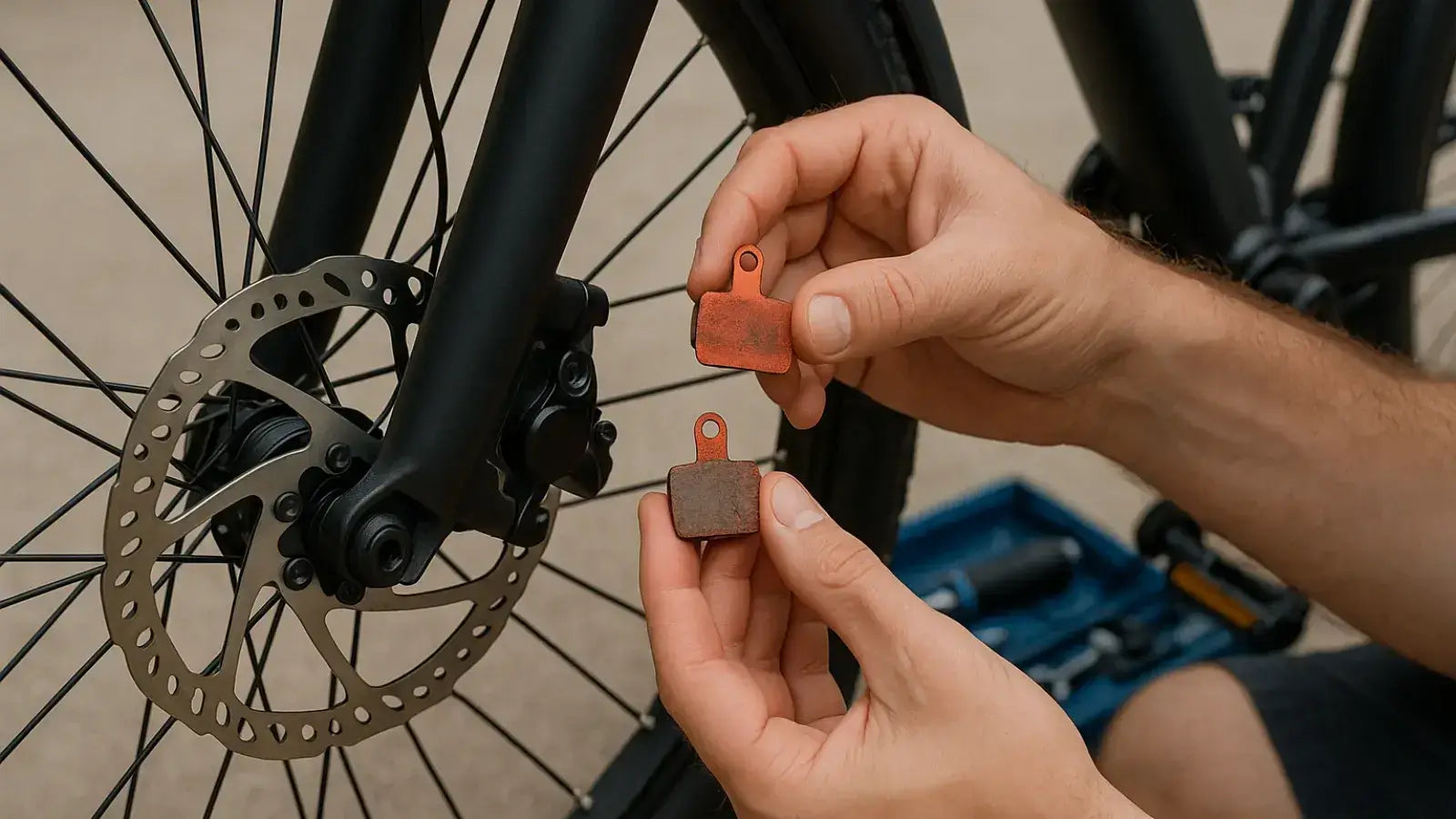
Many riders ask if a tune up is really needed. The answer is usually yes. A well-maintained bike lasts longer, performs better, and keeps you safe.
Consider these points:
- Safety: Faulty brakes or gears can cause accidents.
- Performance: Smooth shifting and braking make rides more enjoyable.
- Bike lifespan: Regular care prevents expensive damage.
- Resale value: A tuned-up bike sells for more.
Skipping tune ups can lead to higher repair bills later. Investing in regular maintenance is smarter in the long run.
Credit: leoguarbikes.com
Real-world Examples Of Tune Up Costs
Let’s look at real examples from US shops:
- REI: Basic tune up starts at $65. Full tune up is $119.99. Suspension service is extra.
- Local bike shop (California): Basic tune up $50. Full tune up $120.
- Independent shop (Colorado): Basic $45. Full $110. Suspension $150.
Prices vary, but these numbers are typical for most shops. Always check what’s included before booking.
Tune Up Cost For Different Mountain Bike Types
Mountain bikes come in several types. Some require more care, affecting tune up prices.
Hardtail Mountain Bikes
- Simple design, fewer parts
- Basic tune up: $40–$60
- Full tune up: $90–$120
Full Suspension Mountain Bikes
- Complex suspension system
- Basic tune up: $55–$85
- Full tune up: $120–$180
- Suspension service: $60–$150 (extra)
Electric Mountain Bikes (e-mtbs)
- Special electronic parts
- Basic tune up: $70–$110
- Full tune up: $150–$220
- Battery or motor checks: Extra fee
Electric bikes need special skills and tools. Always use a shop experienced with e-bikes.
What To Expect During A Mountain Bike Tune Up
When you take your bike for a tune up, the mechanic will:
- Inspect the frame and components
- Adjust brakes and gears
- Lubricate moving parts
- Clean the bike
- Check tires and wheels
- Tighten bolts
If extra work is needed, they’ll contact you before starting. The process usually takes 1–3 days, depending on the shop’s schedule.
Tips For Getting The Best Tune Up
Getting the best value means more than just finding the lowest price. Follow these tips:
- Choose a reputable shop: Read reviews and ask friends for recommendations.
- Ask for a detailed list: Make sure you know what’s included.
- Discuss your riding style: Mechanics can tailor services to your needs.
- Keep records: Track tune ups and repairs to plan future maintenance.
- Inspect your bike afterward: Make sure all work was done and ask questions if anything feels wrong.
Another insight: Shops sometimes use cheap replacement parts unless you request specific brands. If you care about quality, ask about the parts before approving the work.
Mountain Bike Tune Up Cost Around The World
Tune up prices change by country. Here’s a quick look at average costs:
- UK: £35–£70 for basic, £80–£150 for full tune up
- Australia: AUD $50–$100 basic, $120–$200 full
- Canada: CAD $40–$80 basic, $100–$180 full
- Germany: €30–€70 basic, €90–€150 full
Some shops offer similar services, but exchange rates and labor costs affect prices. Always check local shops for the best deals.
Why Tune Up Costs Are Increasing
Over the past years, tune up prices have risen. Reasons include:
- Higher cost of skilled labor
- More advanced bike technology
- Increased demand, especially after COVID-19
- Supply chain issues for parts
Shops invest in training and new tools to handle modern bikes. This raises costs, but improves service quality.
Should You Buy A Tune Up Package Or Pay Per Service?
Some shops offer tune up packages, others charge per task. Which is better?
- Packages: Good for regular riders. Saves money if you need multiple services.
- Per service: Better if your bike only needs one or two fixes.
Ask for both options and compare costs. Sometimes, a package includes services you don’t need.
What To Do If Tune Up Costs Are Too High
If tune up prices seem high, try these steps:
- Ask for a quote: Get details on labor and parts.
- Request only needed services: Skip extras if your bike is in good shape.
- Clean your bike before dropping it off: Saves money and time.
- Learn basic care: Doing simple maintenance reduces shop visits.
- Find local community workshops: Some cities have bike co-ops with low-cost services.
If you’re still unsure, talk to the mechanic. Ask what’s urgent and what can wait.
Frequently Asked Questions
How Much Does A Mountain Bike Tune Up Cost On Average?
Most US shops charge $60–$130 for a tune up, depending on the package and bike type. Basic tune ups are less, full or premium packages cost more. If parts are needed, the price goes up.
What Is Included In A Mountain Bike Tune Up?
A tune up includes brake and gear adjustment, chain lubrication, wheel checks, tightening bolts, and cleaning. Full tune ups may include suspension checks and frame inspection. Extra services like parts replacement are usually not included.
How Long Does A Mountain Bike Tune Up Take?
Tune ups usually take 1–3 days. Busy shops or complex repairs may take longer. Some shops offer same-day service for simple tune ups if you book ahead.
Can I Do A Mountain Bike Tune Up Myself?
Yes, you can do basic tune ups with simple tools and some knowledge. Tasks include cleaning, lubricating, and adjusting brakes or gears. For complex repairs or suspension service, professional help is recommended.
Are Mountain Bike Tune Up Costs Different For Electric Bikes?
Yes, electric mountain bikes (e-MTBs) cost more for tune ups. Shops need special tools and skills to check motors and batteries. Expect to pay $150–$220 for a full e-MTB tune up.
Mountain bike tune ups are an important part of owning a bike. Regular maintenance keeps your bike safe, reliable, and fun to ride. By understanding tune up costs, what’s included, and how to save, you can make smart choices and enjoy every ride. For a deeper look at bike maintenance, check out REI’s expert advice.
Every mountain bike is unique, but careful maintenance and knowing the real costs will help you get the most out of your ride. Whether you’re a beginner or a seasoned rider, being prepared means more fun and fewer worries on the trail.

Hello Guys! I am John Reese, a professional biker and my hobby is biking! I have been biking for last 12 years and I love using bikes while outing as well. Based on my experiences with the different type of bikes (mountain bikes, road bikes and hybrid bikes); I am sharing my opinion about various bikes so that a beginner can get started right away. Happy reading!