
Becoming a professional mountain biker is a dream for many athletes who love adventure, speed, and competition. But behind the thrill, a big question comes up: how much does a professional mountain biker make? The answer is not simple. It depends on many factors like skill level, sponsorship deals, race winnings, social media presence, and even the country where the biker rides. If you are curious about the financial side of mountain biking, this article will give you a clear, detailed look at how much top riders earn and what influences their income.
Many people think professional athletes always make huge salaries. In mountain biking, this is true for only a few. Most riders work hard for modest pay, and only the best earn big money. The sport is growing, but mountain biking is not as mainstream as soccer or basketball.
Still, with the right strategy and passion, riders can build a good career.
Let’s explore the different ways mountain bikers earn money, real numbers from recent years, and how you can increase your income if you want to go pro. You’ll also find tables comparing earnings, insights on sponsorships, and answers to common questions about this exciting profession.
The Main Sources Of Income For Professional Mountain Bikers
Professional mountain bikers rarely rely on a single source of income. Their earnings come from several channels, and the mix depends on their reputation, skills, and business sense.
1. Salaries From Teams
Most top mountain bikers sign contracts with professional teams. These teams pay a base salary, which can range from a few thousand dollars per year up to six figures for elite athletes. The team covers travel, training, and sometimes bonuses for good results.
- Entry-level professionals: $10,000–$25,000 per year
- Mid-level riders: $25,000–$70,000 per year
- Top-tier stars: $70,000–$250,000+ per year
It’s important to know that these salaries are much lower than in sports like football or tennis. Only a handful of mountain bikers reach the highest salary bracket.
2. Sponsorship Deals
Sponsorship is usually the biggest income source for professional mountain bikers. Companies want their products seen by fans, so they pay riders to use their bikes, gear, and apparel. Some riders have contracts with several brands, from bike manufacturers to energy drink companies.
- Large brands (like Red Bull, Trek, Specialized) might pay $20,000–$100,000+ per year for top athletes.
- Smaller brands could offer free gear or modest payments ($2,000–$15,000 per year).
How much a rider earns from sponsorship depends on their results, personality, and ability to promote brands online.
3. Prize Money From Races
Winning races brings prize money, but the amounts are often smaller than people expect. Here’s a typical breakdown for World Cup events:
- Winner: $3,000–$8,000 per race
- Top 10 finishers: $500–$3,000 per race
Some races have bigger purses, but many smaller competitions pay little or nothing. Riders who consistently place high can earn $10,000–$30,000 per year from prize money.
4. Social Media And Content Creation
In today’s world, a strong online presence is key. Many mountain bikers earn extra money through YouTube, Instagram, and other platforms. Brands pay for mentions, and riders can get ad revenue.
- Popular YouTubers might earn $5,000–$20,000+ per month from ads and sponsorships.
- Instagram influencers can make $500–$5,000 per post if they have a big following.
This income is less predictable, but it is becoming more important, especially for riders who are good at storytelling and connecting with fans.
5. Coaching, Clinics, And Merchandise
Some riders offer coaching clinics or sell branded merchandise. These are not huge income sources, but they help supplement earnings.
- Coaching clinics: $100–$500 per day per participant
- Merchandise: Depends on popularity; could bring in $2,000–$10,000 per year
6. Other Income Streams
A few riders work as brand ambassadors, write books, or appear in documentaries. These deals are rare but can add a few thousand dollars per year.
How Much Do Top Mountain Bikers Really Make?
To understand the real numbers, let’s look at some actual examples and compare earnings. Keep in mind that these figures are estimates, as most contracts are private.
Earnings Comparison: Elite Vs. Average Riders
Here’s a table showing typical income for different levels of professional mountain bikers:
| Rider Level | Salary | Sponsorship | Prize Money | Other Income | Total Annual Earnings |
|---|---|---|---|---|---|
| Elite (World Cup Winner) | $120,000 | $150,000 | $25,000 | $30,000 | $325,000 |
| Mid-level Pro | $45,000 | $40,000 | $8,000 | $7,000 | $100,000 |
| Entry-level Pro | $18,000 | $8,000 | $2,000 | $2,000 | $30,000 |
These numbers show that only a few elite riders earn more than $300,000 per year. Most professionals make $30,000–$100,000, which is similar to other niche sports.
Case Study: Famous Mountain Bikers
- Rachel Atherton (UK): Multiple World Champion, estimated annual earnings $200,000–$350,000.
- Aaron Gwin (USA): Several World Cup wins, estimated earnings $250,000–$400,000.
- Brandon Semenuk (Canada): Freeride star, earns $150,000–$300,000 from sponsors and film projects.
These riders combine salaries, sponsorship, and media work to build their incomes. However, their level is rare.
Key Factors That Affect Mountain Biker Earnings
Not all mountain bikers earn the same. Several factors play a big role in how much a rider makes.
1. Race Results And Consistency
Winning races is the fastest way to boost earnings. Sponsors pay more for winners, and prize money increases with good results. Even consistent top 10 finishes attract attention from brands.
2. Team Contracts
Some teams offer better pay than others. Riders who negotiate well and prove their value can get higher salaries and bonuses. Team contracts often last 1–3 years.
3. Social Media Reach
A rider’s online presence is now almost as important as race results. Brands want influencers who can sell products. Some riders earn more from Instagram than from racing.
4. Nationality And Market Size
Riders from countries with big cycling markets (like the USA, UK, Germany) usually earn more. They have access to larger sponsors and bigger fan bases.
5. Discipline
Mountain biking has several disciplines: downhill, cross-country, freeride, and enduro. Downhill riders tend to earn the most, but freeride stars can make big money from media projects.
6. Gender
There is a pay gap in mountain biking. Women’s salaries and sponsorships are improving, but men still earn more on average. However, top female riders can still make six figures.
7. Business Skills
Some riders are better at negotiating contracts, building their brand, and finding new income streams. These skills often matter more than pure racing talent.
Breakdown Of Income By Mountain Biking Discipline
Mountain biking is not a single sport. Let’s compare earnings in different disciplines:
| Discipline | Top Salary | Average Prize Money | Sponsorship Potential | Media Earnings |
|---|---|---|---|---|
| Downhill | $150,000+ | $8,000–$25,000 | High | Medium |
| Cross-country | $90,000+ | $5,000–$18,000 | Medium | Low |
| Enduro | $70,000+ | $3,000–$15,000 | Medium | Medium |
| Freeride | $120,000+ | Minimal | High | High |
Downhill riders usually earn the most, thanks to high-profile events and big sponsors. Freeride stars can earn a lot from video projects, but prize money is lower.
Sponsorship: The Most Important Income Stream
Sponsorship is the lifeblood of professional mountain biking. Without sponsors, most riders would struggle to make a living.
How Sponsorship Deals Work
Brands pay riders to represent their products. Contracts usually include:
- Base payment (monthly or yearly)
- Bonuses for race wins or media appearances
- Free gear (bikes, helmets, apparel)
- Travel expenses
Top sponsors may also require riders to post about products on social media.
What Sponsors Look For
Sponsors want riders who can:
- Win races or place high
- Build a strong fan base
- Create engaging content (photos, videos)
- Stay positive and professional
A rider doesn’t need to be the fastest. Sometimes personality and creativity matter more.
Hidden Insights Beginners Miss
- Sponsorship contracts are often negotiable. Many beginners think the first offer is final. But skilled riders (or their agents) can ask for more money, bonuses, or flexibility.
- Smaller sponsors can be more valuable than big brands. Local bike shops or regional companies may offer better support, more personal attention, and unique opportunities.
Prize Money: Why It’s Not Enough Alone
Prize money adds excitement to racing, but it’s rarely enough to support a full-time career.
Typical Prize Money Amounts
Most races pay modest sums. For example, the UCI Mountain Bike World Cup often offers:
- 1st place: $5,000–$8,000
- 2nd–5th: $2,000–$4,000
- 6th–10th: $500–$1,500
A rider who wins 3–4 races per year might earn $20,000–$30,000. But most competitors don’t win every time.
Extra Bonuses
Some teams pay bonuses for good results. This might add $2,000–$10,000 per year, depending on the contract.
Common Mistake: Overestimating Prize Money
Many new riders believe prize money is the main income source. In reality, only a few earn enough from racing alone. Sponsorship and media work are much more important.
Social Media And Content Creation: A Modern Game Changer
The rise of social media has changed how mountain bikers earn money. Now, even riders who don’t win races can build a big following and attract sponsors.
How Riders Monetize Their Online Presence
- Brand mentions: Sponsors pay for product placement in posts and videos.
- Ad revenue: YouTube and other platforms share advertising income.
- Affiliate links: Riders earn a commission from sales generated through their links.
A strong online presence can help riders earn more than from racing. For example, some mountain bikers have over 100,000 subscribers on YouTube and make $10,000–$30,000 per month.
Examples Of Successful Content Creators
- Remy Metailler: Famous for his technical videos, earns from YouTube and sponsors.
- BKXC: Not a pro racer, but his channel brings in steady income and brand deals.
- Loic Bruni: World Champion who combines racing with online content.
Two Non-obvious Insights
- Consistency is key. Posting regularly keeps fans engaged and sponsors happy. One viral video won’t build a sustainable income.
- Engagement matters more than follower count. Sponsors want riders who interact with fans, answer questions, and build trust. A small, loyal audience can be more valuable than a large, passive one.
Coaching, Clinics, And Merchandise: Supplemental Income
Not every rider can make a living from racing. Many offer coaching clinics or sell merchandise to earn extra money.
How Clinics Work
Riders teach skills to amateurs. Clinics can run from a single day to a full week. Pricing depends on the rider’s reputation and location.
- Group clinics: $100–$500 per participant
- Private coaching: $300–$1,000 per day
Top riders can fill clinics quickly, especially in popular mountain biking areas.
Selling Merchandise
Some riders sell branded t-shirts, hats, or stickers. This is more common among content creators. Merchandise sales depend on fan loyalty.
Hidden Insight
Many beginners overlook the value of local clinics. Even if you’re not famous, running clinics can bring steady income and build your reputation.
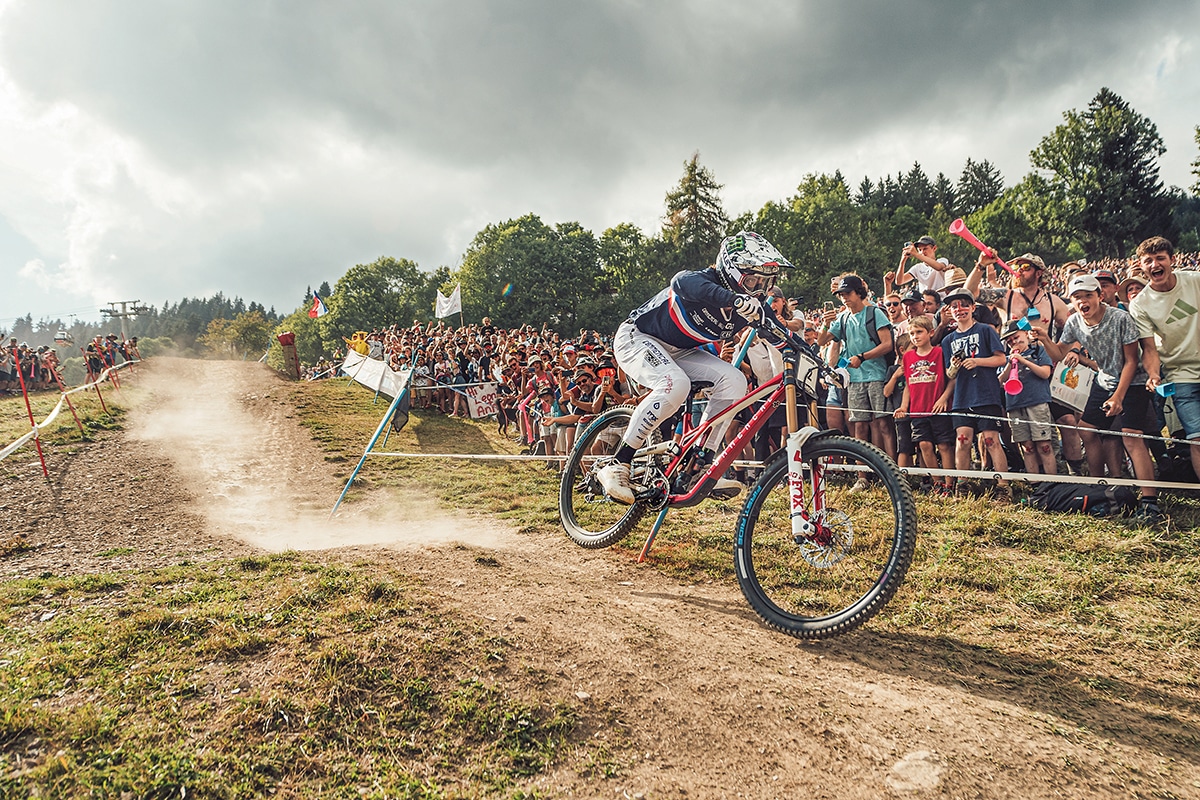
Credit: mbaction.com
Costs And Expenses For Professional Mountain Bikers
Earning money is only part of the story. Professional mountain bikers face high expenses, which eat into their profits.
Common Expenses
- Travel: Flights, hotels, car rentals
- Gear: Bikes, helmets, shoes, protective equipment
- Training: Gym memberships, coaching, nutrition
- Insurance: Health and accident coverage
- Media production: Cameras, editing software
A typical pro might spend $10,000–$30,000 per year on travel and gear alone. Sponsors often cover some costs, but not everything.
Comparison: Income Vs. Expenses
| Rider Level | Total Income | Total Expenses | Net Profit |
|---|---|---|---|
| Elite | $325,000 | $60,000 | $265,000 |
| Mid-level | $100,000 | $30,000 | $70,000 |
| Entry-level | $30,000 | $15,000 | $15,000 |
Net profit is what matters. Entry-level pros sometimes barely break even, especially if they pay their own travel.
How To Increase Earnings As A Mountain Biker
If you want to become a professional mountain biker, there are ways to boost your income beyond racing.
1. Build A Strong Personal Brand
Sponsors like riders who have unique stories. Share your journey, training, and victories online. A memorable brand attracts more deals.
2. Diversify Income Streams
Don’t rely only on racing. Offer clinics, sell merchandise, and create content. The most successful riders earn from several sources.
3. Network With Industry Professionals
Attend events, meet sponsors, and connect with other riders. Networking can lead to new opportunities and better contracts.
4. Improve Negotiation Skills
Learn to negotiate contracts. Don’t accept the first offer. Ask for bonuses, better terms, and flexibility.
5. Stay Consistent
Keep training, racing, and posting online. Consistency builds reputation, trust, and long-term income.

Credit: www.pinkbike.com
Realistic Expectations For New Professionals
Many young riders dream of earning big money, but reality can be tough. Most professionals start with modest pay and build their careers slowly.
What Beginners Should Know
- It takes years to reach elite level.
- Most riders need a second job or support from family at first.
- Only a few make six figures.
- Smart business skills are as important as talent.
Being realistic helps riders plan their careers and avoid disappointment.
The Future Of Mountain Biker Earnings
Mountain biking is growing fast. More events, bigger sponsors, and better media coverage are helping riders earn more. Social media and online platforms are changing the game, letting riders build their own brands.
Trends To Watch
- Increasing prize money at major events
- More focus on content creation
- Brands investing in women’s mountain biking
- New platforms for fan engagement (Patreon, Twitch)
The next decade could bring higher salaries and new income streams, but competition will also increase.
Credit: www.wideopenmountainbike.com
Frequently Asked Questions
How Much Does A Professional Mountain Biker Make Per Year?
Most professional mountain bikers earn between $30,000 and $100,000 per year. Only elite riders with big sponsors and strong media presence earn more than $200,000. Entry-level pros sometimes make less than $20,000, especially if they pay their own expenses.
What Is The Highest Salary For A Mountain Biker?
Top riders like World Cup winners can earn $150,000–$400,000 per year. This includes salary, sponsorship, prize money, and media work. However, these salaries are rare and reserved for the best in the sport.
How Do Mountain Bikers Get Paid?
Mountain bikers get paid through team salaries, sponsorship deals, prize money, and content creation. Some also earn from coaching clinics and merchandise sales. Most pros combine several income streams to build a stable career.
Do Female Mountain Bikers Earn As Much As Males?
There is still a gender pay gap in mountain biking. Men usually earn more, but top female riders can reach six-figure incomes. Brands and events are working to improve equality, and women’s mountain biking is growing fast.
What Expenses Do Professional Mountain Bikers Have?
Professional mountain bikers spend money on travel, gear, training, insurance, and media production. These expenses can total $10,000–$30,000 per year or more, depending on how many events they attend and who covers the costs.
Building a career in mountain biking is challenging but rewarding. The best riders combine racing talent with strong business skills, a unique personal brand, and a willingness to diversify their income. The sport is changing quickly, and new opportunities are opening every year. If you are passionate, dedicated, and creative, you can turn mountain biking into a real profession—and maybe even earn a good living along the way. For more details on mountain biking salaries and trends, see the Mountain Bike Racing Wikipedia page.

Hello Guys! I am John Reese, a professional biker and my hobby is biking! I have been biking for last 12 years and I love using bikes while outing as well. Based on my experiences with the different type of bikes (mountain bikes, road bikes and hybrid bikes); I am sharing my opinion about various bikes so that a beginner can get started right away. Happy reading!