
Building your own mountain bike jump out of wood is one of the most satisfying projects for any rider who loves to play in the dirt but wants more control, safety, and repeatable practice. Whether you ride in the backyard, at a local spot, or want a portable ramp you can move around, understanding how to plan, build, and safely use a wooden jump opens a world of progression.
While some riders might feel intimidated by woodworking, you don’t need to be a master carpenter. With careful planning, the right materials, basic tools, and a few safety rules, anyone can create a solid, durable jump that brings endless fun and skill improvement.
This guide will walk you through each step, from design to final assembly. You’ll learn what really matters in wood selection, how to make your jump stable and safe, and how to adjust the jump for your skill level. Along the way, you’ll find practical tips, key measurements, common mistakes to avoid, and even a couple of pro insights that most beginners miss.
By the end, you’ll have the knowledge and confidence to build a mountain bike jump that’s not just functional but also safe and long-lasting.
Understanding Mountain Bike Jumps
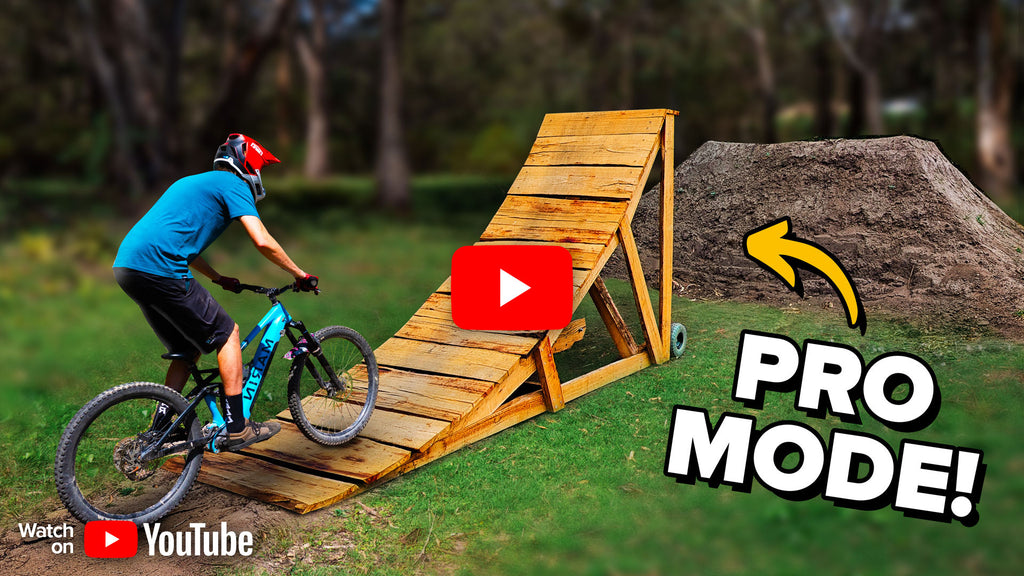
Before you pick up a saw, it’s important to understand the basics of mountain bike jumps. A jump is much more than just a ramp; it’s a tool to practice technique, build confidence, and have fun. There are several types of jumps, but most home-built wooden jumps are either kickers or tabletops.
- Kicker: A simple sloped ramp that launches you into the air.
- Tabletop: A jump with both a takeoff and landing, plus a flat section in the middle.
For most DIY builders, the kicker is the best place to start. It’s easier to build, requires less material, and can be moved around if needed. A tabletop is more complex and needs much more space and wood.
Why Build With Wood?
Wooden jumps are popular because they are durable, weather-resistant (with the right treatment), and can be disassembled or moved. You can control the exact shape and size, and with proper bracing, a wooden jump can last for years.
One thing beginners often miss: wood jumps provide a smoother, more predictable surface than dirt, which is especially helpful when learning new tricks or skills.
Planning Your Jump
A successful mountain bike jump starts with good planning. Rushing into building without a clear plan often leads to a jump that’s unstable, uncomfortable, or even dangerous. Here’s how to start:
Decide On Size And Shape
Think about your riding style, skill level, and available space. Here are some common dimensions for a kicker ramp:
- Height: 18–36 inches (45–90 cm)
- Length: 4–6 feet (120–180 cm)
- Width: 24–36 inches (60–90 cm)
- Lip Radius: 6–8 feet (180–240 cm) for a smooth curve
For beginners, a lower, longer ramp is safer and easier to ride. More advanced riders may prefer a steeper, taller ramp for higher jumps.
Where To Build
Choose a flat, stable area with enough run-up (space to gain speed) and landing. Avoid building on soft ground or slopes. If your jump is portable, make sure you have a safe place to store it when not in use.
Sketch Your Design
Draw the side profile of your jump on paper. Mark the height, length, and the curve from the bottom to the lip. A smooth curve is critical for a comfortable takeoff—sharp angles will feel awkward and could cause crashes.
Sample Kicker Ramp Profile
| Height | Length | Lip Radius | Best For |
|---|---|---|---|
| 18 in (45 cm) | 4 ft (120 cm) | 8 ft (240 cm) | Beginners |
| 24 in (60 cm) | 5 ft (150 cm) | 7 ft (210 cm) | Intermediate |
| 36 in (90 cm) | 6 ft (180 cm) | 6 ft (180 cm) | Advanced |
Non-obvious insight: The smoother the curve (larger radius), the safer and more comfortable the jump, especially for learning.

Credit: www.youtube.com
Choosing Materials
Picking the right materials determines how long your jump lasts and how safe it is. Don’t cut corners here.
Lumber
Use pressure-treated lumber for anything that touches the ground. For the ramp surface, you can use regular plywood but seal it well to protect from moisture.
- Frame: 2×4, 2×6, or 2×8 boards (thicker for larger ramps)
- Surface: 3/8″ to 1/2″ (10–12 mm) plywood for most jumps
- Bracing: Extra 2x4s for stability
Fasteners
Use deck screws (not nails) for most joints. Screws hold better and don’t work loose over time.
- 2.5–3 inch (6–7.5 cm) deck screws for frame
- 1.5–2 inch (4–5 cm) screws for plywood
Stainless steel or coated screws resist rust.
Other Materials
- Wood sealer or exterior paint for weatherproofing
- Sandpaper for smoothing sharp edges
- Anti-slip paint or tape (optional) for extra grip
Basic Materials Cost Comparison
| Material | Average Cost (USD) | Recommended Quantity |
|---|---|---|
| 2x4x8′ Pressure-treated | $4–$7 per board | 6–10 |
| 3/8″ Plywood (4×8′) | $25–$40 per sheet | 1–2 |
| Deck Screws (1 lb box) | $7–$10 | 1–2 boxes |
| Wood Sealer (qt.) | $10–$20 | 1 |
Pro tip: Buy a little extra wood. Small mistakes or changes are common.
Tools You’ll Need
You don’t need a full workshop, but having the right tools makes building easier and safer.
- Circular saw or handsaw (for cutting lumber)
- Jigsaw (for cutting curves in plywood)
- Power drill and screwdriver bits
- Measuring tape
- Pencil and straightedge
- Safety gear: Gloves, eye protection, dust mask
Borrow tools from friends or a local tool library if you don’t own them.
Step-by-step Building Guide
Ready to build? Here’s a practical, experience-based guide to building a classic kicker ramp out of wood.
1. Mark And Cut The Side Panels
Start with the side profiles. These determine the shape and strength of your ramp.
- Lay a sheet of plywood flat.
- Use a tape measure and pencil to mark the base, height, and curve of the ramp.
- For the curve, use a flexible strip of wood or garden hose as a guide. Secure at both ends and bend to match your desired radius, then trace.
- Cut out the shape with a jigsaw.
- Use the first panel as a template to trace and cut the second side.
Non-obvious insight: Both sides must be exactly the same, or the jump will feel unstable and unpredictable.
2. Build The Frame
The frame connects the two sides and supports the surface.
- Stand the two side panels upright, parallel and spaced the desired width apart (24–36 inches).
- Cut 2x4s to length for the bottom, top, and several points along the ramp.
- Attach the crossbeams with deck screws, starting at the base and working up.
- Add diagonal bracing under the ramp for extra strength. This keeps the jump from wobbling or collapsing.
Tip: Test the frame for wobble before adding the surface. Add more bracing if needed.
3. Attach The Ramp Surface
Lay plywood sheets over the frame, starting at the bottom.
- Pre-drill screw holes in the plywood to avoid splitting.
- Attach the plywood to each crossbeam with screws every 8–12 inches.
- For a smoother curve, use thinner plywood or soak it with water to help it bend.
- If your jump is longer than the plywood, stagger joints for strength.
Common mistake: Not enough screws or bracing leads to a bouncy, unsafe ramp.
4. Add The Lip
The lip is the last 6–12 inches of the ramp and should match the curve.
- Use extra plywood or a metal plate for reinforcement.
- Make sure the lip is secure and does not flex under weight.
5. Finish And Weatherproof
- Sand all sharp edges and corners.
- Apply a wood sealer or outdoor paint to every surface, especially the edges.
- Add anti-slip tape or paint if you ride in wet conditions.
Let the jump dry completely before use.
Safety Considerations
A jump that looks good can still be dangerous if you skip safety steps. Here’s what to check before you ride:
- Inspect all screws and joints for tightness.
- Test stability by pressing and rocking the ramp.
- Check the surface for splinters, cracks, or loose boards.
- Place the jump on flat, solid ground.
Never use a ramp with visible damage, or after heavy rain if it feels soft or weak.
Hidden danger: The transition area at the base must be smooth. A sharp angle can cause your wheel to catch and crash.
Adjusting For Skill Level
Your first jump should match your skills. Here’s how to adjust the design:
- Lower height and longer curve for beginners. This gives more control and less air.
- Taller, steeper ramp for advanced riders who want more height.
- Wider surface for beginners—gives more margin for mistakes.
You can also build a modular jump, with removable legs or stackable platforms, to change height as you improve.
Example: Customizing For Progression
| Skill Level | Height | Curve Radius | Surface Width |
|---|---|---|---|
| Beginner | 18 in (45 cm) | 8 ft (240 cm) | 36 in (90 cm) |
| Intermediate | 24 in (60 cm) | 7 ft (210 cm) | 30 in (75 cm) |
| Advanced | 36 in (90 cm) | 6 ft (180 cm) | 24 in (60 cm) |
Pro tip: Start small. It’s easier to add height later than to fix a ramp that’s too steep.
Weatherproofing And Maintenance
Wooden ramps live outdoors, so weather protection is critical. Here’s how to keep your jump in top shape:
- Seal all surfaces with exterior wood sealer or paint. Repeat every season.
- Elevate the base with bricks or treated blocks to avoid ground contact.
- Store indoors if possible during winter or heavy rain.
- Check for rot, loose screws, or splinters before each session.
Even treated wood will eventually break down if left wet for months. Routine checks make your jump last years, not months.
Beginner mistake: Skipping maintenance leads to sudden failures and crashes.
Credit: cutlaps.com
Portability: Fixed Vs. Moveable Jumps
Decide early if you want your jump to be fixed (permanent) or portable. Each has pros and cons.
- Fixed jumps are more stable and can be built larger.
- Portable jumps are lighter, smaller, and can be moved or stored easily.
For portability:
- Use bolts instead of screws for major joints so you can disassemble.
- Build in sections you can carry.
- Keep total weight under 70–80 lbs (32–36 kg) for one-person movement.
Real-world tip: Add handles or wheels to move your jump around the yard.
Common Mistakes And How To Avoid Them
Building a mountain bike jump out of wood is straightforward if you avoid these common errors:
- Using weak or untreated wood—leads to rot, failure, and injury.
- Not enough bracing—ramp wobbles or collapses.
- Too steep or sharp a curve—makes the jump uncomfortable and unsafe.
- Inconsistent side panels—uneven takeoff.
- Skipping weatherproofing—shortens ramp life.
- Poor screw placement—plywood pulls away from frame.
- Ignoring safety checks—small cracks can lead to big crashes.
If in doubt, over-build for strength. It’s better to add a few extra screws or braces than risk a failure.

Credit: www.insmonsat.com
Advanced Features And Customization
Once you’re comfortable with the basics, you can add features for more fun or challenge:
- Removable legs for adjustable height
- Stackable platforms for progression
- Curved lips for more pop
- Side rails for safety
- Paint or custom graphics for style
Some riders even add replaceable surface panels—screw them on so you can swap out worn wood without rebuilding the frame.
Useful insight: A little extra time spent on customization means your jump will keep you interested and progressing for years.
Real-life Examples
Many riders have built backyard jumps that rival those at professional parks. For example, a popular design is the “Euro Kicker,” a portable wooden ramp about 24 inches high, 5 feet long, and 30 inches wide, with a smooth curve and reinforced lip.
Riders use these for everything from bunny hop practice to full tricks.
Another example is the modular tabletop, where the takeoff and landing ramps are separate and a flat wooden box sits in the middle. These setups allow you to practice jumping and landing safely, and you can change the distance as your skills grow.
Environmental Responsibility
Building with wood means considering your impact. Use sustainably sourced lumber when possible. Recycle scraps, and never build jumps in public parks or trails without permission. Respect the land, and your jump will bring years of safe, sustainable fun.
For more information on responsible mountain biking and building, check out the guidelines from IMBA.
Frequently Asked Questions
How Much Does It Cost To Build A Wooden Mountain Bike Jump?
The total cost depends on size and materials, but most DIY ramps cost between $80 and $200 for a standard kicker. Pressure-treated lumber and good plywood are the main expenses. Borrowing tools and buying in bulk can save money.
How Long Does It Take To Build A Jump?
Plan for 4–8 hours for your first build, depending on your skills and tools. Cutting and assembling the frame takes a couple of hours; sanding, sealing, and finishing add more time. Allow extra time for paint or sealer to dry.
Can I Move My Wooden Jump?
Yes, if you build with portability in mind. Use bolts instead of screws for easy disassembly, and keep sections light enough to carry. Add handles or wheels for convenience. Permanent jumps can be moved, but it’s much harder and risks damaging the structure.
Is It Safe To Build A Jump Myself?
With proper planning, materials, and safety checks, a DIY jump can be as safe as commercial ramps. Always inspect for loose screws, wobbling, or rot before riding. If you’re unsure about your build, ask a more experienced rider or builder to check it over.
What’s The Best Size For A First Jump?
Start small: 18–24 inches high, 4–5 feet long, and 30–36 inches wide is perfect for most beginners. This gives a gentle, predictable takeoff and easy landing. You can always add height or change the curve as your skills improve.
Building your own mountain bike jump out of wood is more than just a weekend project—it’s an investment in your skills, confidence, and riding fun. With careful planning, quality materials, and attention to safety, you’ll have a jump that not only helps you progress but also lasts for years.
Every jump you build teaches you more about riding and construction, bringing a unique satisfaction you can’t get from buying off-the-shelf. So grab your tools, measure twice, and get ready for takeoff—your best ride is just a jump away.

Hello Guys! I am John Reese, a professional biker and my hobby is biking! I have been biking for last 12 years and I love using bikes while outing as well. Based on my experiences with the different type of bikes (mountain bikes, road bikes and hybrid bikes); I am sharing my opinion about various bikes so that a beginner can get started right away. Happy reading!