
Bunny hopping is one of the most impressive and useful skills you can learn on a mountain bike. Riders who master the bunny hop can clear obstacles, ride smoother trails, and develop total control over their bikes. But jumping higher is not easy—it takes practice, smart technique, and understanding how your body and bike work together.
If you want to learn how to bunny hop higher on a mountain bike, this guide will break it all down in simple steps. Whether you’re a beginner or you already know the basics, you’ll find tips, drills, and insights that can help you jump higher and ride with more confidence.
Why Bunny Hopping Matters On A Mountain Bike
Bunny hopping is more than just a cool trick. On challenging trails, you often face rocks, roots, logs, or other obstacles that you can’t simply ride around. The ability to hop over them can keep your speed, protect your bike, and save you from crashes.
For riders who enjoy jumps or technical trails, a higher bunny hop opens new lines and makes difficult features possible. Even on smooth trails, knowing this skill will improve your overall balance, timing, and control.
What many riders don’t realize is that bunny hopping is also a foundation for other advanced moves, like manualing, jumping, and even cornering at high speed. Riders who practice bunny hops often find their general mountain biking skills improve.
Understanding The Bunny Hop: The Basics
Before you focus on getting higher, it’s important to understand what a bunny hop really is. Many beginners think it’s just about pulling up on the handlebars. In reality, a proper bunny hop uses your whole body, the bike’s suspension, and good timing.
The Two Main Types
- English Bunny Hop: This is the most common technique used in mountain biking. You lift the front wheel first, then the rear wheel, using body movement rather than just arm strength.
- American Bunny Hop: Both wheels leave the ground at the same time. This style is more common on BMX bikes and is less effective for gaining height on most mountain bikes.
For the highest hops, the English bunny hop is the technique you want to master.
Core Steps In The Bunny Hop
- Load: Compress your bike’s suspension by pushing down with your arms and legs.
- Lift: Explosively pull up on the handlebars while shifting your weight back.
- Tuck: Suck your knees up toward your chest, bringing the rear wheel into the air.
- Level Out: Level the bike in the air to clear the obstacle and prepare for landing.
The secret to jumping higher is not just in pulling harder but in using your body weight, timing, and coordination.
Equipment: Does Your Bike Affect Your Bunny Hop Height?
Your mountain bike plays a role in how high you can hop, but technique is always more important than equipment. Still, some features can help.
Key Factors
- Bike Weight: Lighter bikes are usually easier to lift.
- Suspension: Hardtail bikes (front suspension only) often allow higher hops than full suspension, but both can work.
- Pedals: Flat pedals teach proper technique. Clipless pedals can help with rear wheel lift, but it’s better to learn without relying on them.
- Tire Pressure: Slightly higher pressure can make the bike pop more, but too much can reduce grip.
Quick Comparison Of Bunny Hop Performance By Bike Type
| Bike Type | Pros for Bunny Hops | Cons for Bunny Hops |
|---|---|---|
| Hardtail | Efficient energy transfer, lighter weight | Less rear traction on rough landings |
| Full Suspension | More forgiving on landings, better for rough trails | Energy loss in suspension, slightly heavier |
| Dirt Jump | Light, stiff, made for jumping | Not for technical trails |
Non-obvious insight: Many riders think a “better” bike will instantly boost their bunny hop. In reality, small adjustments to your suspension setup and tire pressure make more difference than switching bikes.
Ideal Setup For Practice
- Use a well-maintained bike you’re comfortable with.
- Consider flat pedals and shoes with good grip.
- Set tire pressure so tires are firm but not rock-hard.
- Check brakes and chain before you start jumping.
Building The Foundation: Body Position And Balance
To bunny hop higher, you must master body position and balance. The best riders look smooth and effortless because their movements are in harmony.
Neutral Position
- Feet level on pedals
- Knees and elbows slightly bent
- Look ahead, not down at your front wheel
- Center your weight over the cranks
This position is your “ready” stance for almost every mountain bike skill.
The Loading Phase
The secret to a high bunny hop starts with the load. Pushing down into the bike compresses the suspension and stores energy—just like a spring. The more energy you load, the higher you can release.
Common mistake: Beginners often skip or rush the load, trying to pull up too early. This reduces hop height and makes the move unstable.
Timing And Flow
Smooth, controlled timing is more important than force. Watch skilled riders: their bunny hops are fluid, not jerky. Practice the motion slowly, then build speed.
Pro tip: Record yourself on video. Many riders are surprised to see they aren’t loading enough or are pulling up unevenly.
Step-by-step Guide: How To Bunny Hop Higher
Let’s break the high bunny hop into clear steps, with tips for getting every part right.
1. Approach
- Ride at a moderate speed—not too slow or fast.
- Stand up in the neutral position, eyes forward.
- Scan for your “takeoff” spot.
2. Load And Preload
- Push down hard with your arms and legs at the same time.
- Compress the suspension and tires—feel the bike sink under you.
- Keep your heels slightly down for grip.
Advanced tip: The faster and deeper your load, the more energy you can release upward.
3. Explosive Front Wheel Lift
- As the bike rebounds, pull up on the handlebars.
- Shift your hips back and push your feet forward.
- The front wheel should rise first, not both wheels together.
Example:
Imagine jumping up a curb. You need the front wheel to clear first so you don’t hit the edge.
4. Rear Wheel Lift (the Tuck)
- With the front wheel in the air, scoop the pedals with your feet.
- Tuck your knees up toward your chest.
- Keep arms bent and elbows up—don’t lock them out.
Non-obvious insight: The rear wheel comes up because you’re pulling your body and bike together, not just by pointing your toes.
5. Level Out And Prepare To Land
- Once you’re over the obstacle, push the bars forward and extend legs to level the bike.
- Look ahead to where you want to land.
- Stay loose—don’t stiffen up.
6. Controlled Landing
- Absorb the impact with bent arms and legs.
- Stay centered and ready for the next trail feature.
Quick Reference: Bunny Hop Sequence
| Step | Action | Key Focus |
|---|---|---|
| 1 | Approach | Speed, position, eyes forward |
| 2 | Load | Compress suspension and tires |
| 3 | Front Wheel Lift | Pull up, hips back |
| 4 | Rear Wheel Lift | Knees up, scoop pedals |
| 5 | Level Out | Push bars, extend legs |
| 6 | Land | Absorb with arms and legs |
Drills To Increase Your Bunny Hop Height
If you want to jump higher, regular practice is essential. But not all practice is equal. The right drills will help you break through plateaus and avoid bad habits.
1. Curb Hops
Start by hopping onto and off a curb. This is a safe, repeatable way to practice timing and height. Try to clear the curb cleanly without hitting your rear wheel.
2. Stick Or Rope Challenge
Lay a stick, broom, or rope on the ground. Try to bunny hop over it. As you improve, stack another stick or use a higher rope. This gives instant feedback on your progress.
3. Manual Front Wheel Lifts
Practice lifting your front wheel as high as possible without leaving the ground with your rear wheel. This develops the explosive motion needed for the first phase.
4. Rear Wheel “scoop” Drills
On grass or soft dirt, practice lifting just your rear wheel by scooping the pedals. This isolates the tuck motion and builds muscle memory.
5. Slow Motion Hops
Try bunny hopping at very slow speeds. This forces you to rely on technique, not just momentum.
6. Video Review
Film your hops from the side. Compare your technique to skilled riders. Look for areas to improve, like timing or body position.
Practical tip: Don’t just practice the full hop. Break it down and repeat the most difficult parts—especially the rear wheel tuck.
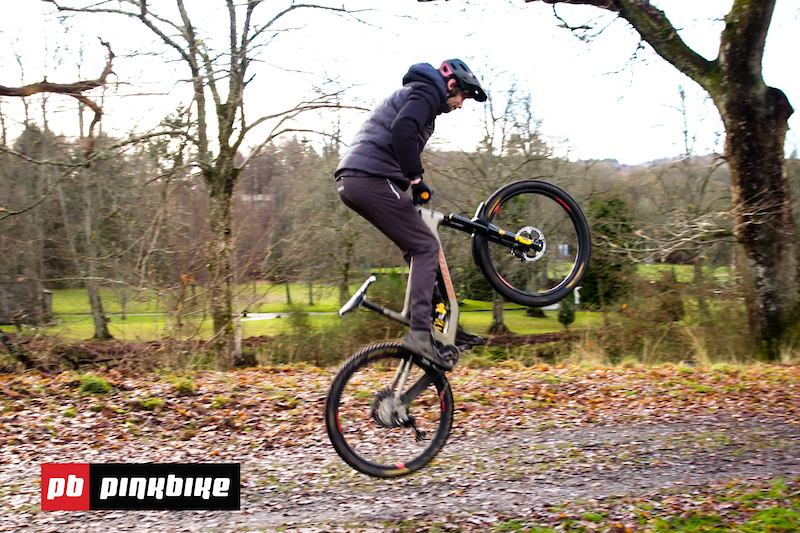
Credit: www.pinkbike.com
Advanced Techniques For Higher Hops
Once you’ve mastered the basics, a few advanced techniques can add extra height.
Preload And Rebound Timing
Getting the most height is about using your bike’s natural rebound. Push down and time your upward movement with the rebound of your suspension and tires.
Aggressive Hip Movement
Experienced riders use their hips powerfully. As you lift the front wheel, drive your hips back and then up—almost like a squat jump.
Full Body Tuck
The higher you pull your knees toward your chest, the higher the rear wheel will go. Flexibility and core strength help here.
Obstacle Hops
Practice over objects that force you to lift higher, like stacked boards or cones. But always start low and build up gradually.
Combining Techniques
Some pro riders add a “snap” at the top of the hop by pulling up harder just as the bike is fully rebounded. This is a small detail but can add a few more inches.
Strength And Flexibility: The Physical Side
Mountain biking is physically demanding, and a higher bunny hop requires strength, power, and mobility.
Key Muscles Used
- Legs: Quads, hamstrings, calves power the load and lift.
- Core: Stability and the tuck motion.
- Arms and Shoulders: Pulling up and controlling the bike.
Exercises That Help
- Squats and lunges for leg power.
- Deadlifts for hip drive.
- Planks and Russian twists for core stability.
- Box jumps and vertical jumps for explosive power.
- Stretching for hamstring and hip mobility.
Sample Weekly Routine
| Day | Exercise Focus | Example Exercises |
|---|---|---|
| Monday | Leg Strength | Squats, lunges |
| Wednesday | Core & Mobility | Planks, stretching |
| Friday | Explosive Power | Box jumps, vertical leaps |
Non-obvious insight: Flexibility matters. Many riders plateau because tight hips or hamstrings limit their tuck. Adding yoga or dynamic stretching can unlock more height.
Common Mistakes That Limit Bunny Hop Height
Even strong riders sometimes struggle to improve their bunny hop. These are the most frequent errors:
1. Pulling With Arms Only
Trying to lift the bike just with your arms results in low, awkward hops. Use your legs and hips for real height.
2. Skipping The Load
Not pushing down enough before pulling up wastes the energy you need for a high hop.
3. Poor Timing
Pulling up before the bike rebounds, or tucking too late, both reduce height. Timing is everything.
4. Leaning Too Far Back
This causes the front wheel to rise, but not the rear, and often leads to missed hops.
5. Relying On Clipless Pedals
Some riders “cheat” by pulling up with their feet. This can create bad habits and limit your potential.
6. Stiff Body
If you’re tense or stiff, you can’t move fluidly. Relax and let the bike do the work with you.
Tip: If you’re stuck at the same hop height, slow down and focus on each phase separately. Fixing the basics usually brings quick results.
How To Progress: Setting Goals And Measuring Improvement
If you want to bunny hop higher, you need to know if you’re improving. Here’s how to track your progress and keep moving forward.
Set Measurable Targets
- Use a stick, tape, or rope as a marker.
- Measure how high you clear consistently.
- Set a goal to increase by 1–2 inches every few weeks.
Use Video Analysis
Compare side-by-side videos of your hops over time. Look for changes in technique and height.
Ride With Others
Practicing with friends helps motivation and gives you feedback. Sometimes seeing someone else hop higher unlocks your own progress.
Celebrate Small Wins
Progress is often slow. Celebrate clearing a higher stick or nailing a clean hop on a new obstacle.
Pro tip: Don’t chase maximum height every session. Mix in technical hops, speed hops, and hops on different surfaces for all-around skill.
Safety First: Reducing Injury Risk
While bunny hopping is safer than big jumps or drops, injuries can happen. Protect yourself with smart habits.
Wear The Right Gear
- Helmet: Always wear one.
- Gloves: Protect your hands from scrapes.
- Knee and elbow pads: Useful when practicing new moves.
Choose Safe Practice Spots
- Use grass, dirt, or soft ground for early practice.
- Avoid hopping over sharp or dangerous objects.
- Make sure the landing area is clear.
Know Your Limits
If you’re tired, frustrated, or losing focus, take a break. Most injuries happen when people try “just one more” after they’re already fatigued.
Non-obvious insight: Mental focus is as important as physical skill. If you’re not concentrating, your bunny hop will suffer.
Real-world Applications: Where Higher Bunny Hops Help Most
Learning to hop higher isn’t just for showing off. Here are real trail situations where it pays off:
- Logs or roots: Clearing large fallen branches without slowing down.
- Gaps and rock gardens: Skipping over dangerous spots for a smoother ride.
- Drops and ledges: Popping off sharp edges without slamming your rear wheel.
- Urban obstacles: Curbs, stairs, or rails in street riding.
Riders who can hop higher often ride faster and with fewer crashes, because they can turn obstacles into opportunities.
Case Study: From Beginner To High Hopper
Let’s look at a typical rider’s progress:
- Month 1: Learns to bunny hop 4 inches. Struggles with timing, sometimes hits obstacles.
- Month 2: Consistent 8-inch hops. Works on flexibility, starts using drills.
- Month 3: Clears 12-inch sticks. Adds gym exercises, practices with friends.
- Month 6: Bunny hops over trail logs and small benches. Rides technical trails with new confidence.
Insight: Most riders plateau at 6–8 inches before hitting a breakthrough. Adding strength work and focusing on the rear wheel tuck often unlocks the next level.
Learning From The Pros: What They Do Differently
Professional mountain bikers can often bunny hop 18–24 inches or more. Here’s what sets them apart:
Powerful Loading
They push down with full commitment, storing maximum energy in the bike.
Explosive Hips
Their hip drive looks almost like a jumping squat—much more powerful than just arm pull.
Fast Tuck
They bring their knees up fast and high, shrinking their body to maximize lift.
Smooth Timing
Their movements are always fluid and well-timed, with no wasted energy.
Drills And Practice
Pros repeat basic drills—even after years of riding. The foundation never stops being important.
For more insight into professional techniques, you can visit resources like the British Cycling Skills Guide.
Troubleshooting: If You’re Stuck
Sometimes, even with practice, your bunny hop height stops improving. Here’s how to break through:
- Review your technique: Film yourself and compare to videos of skilled riders.
- Check your flexibility: Stretch your hamstrings and hips daily.
- Mix up your drills: Try hops at different speeds, on different terrain, or over different obstacles.
- Rest and recover: Overtraining can make you stale. Take a few days off and try again.
- Ask for feedback: Riding with others often reveals small errors you don’t notice.
The Mental Game: Building Confidence
Fear is a real barrier for many riders. Worrying about crashing or failing can hold you back.
- Start small and build up.
- Visualize a clean hop before you try it.
- Focus on the process, not just the result.
- Accept that mistakes are part of learning.
Riders who keep a positive mindset and celebrate small gains usually progress faster.

Credit: www.youtube.com
Combining Bunny Hops With Other Skills
As your hops get higher, start combining them with other trail skills:
- Manuals: Use a manual to start your hop for extra height.
- Cornering: Hop into or out of corners to keep speed.
- Jumping: Use hop technique on trail jumps for more control.
- Drops: Bunny hop off ledges for softer, controlled landings.
This is where the skill really transforms your riding.
Frequently Asked Questions
How High Can The Average Mountain Biker Bunny Hop?
Most riders can learn to bunny hop 6–12 inches (15–30 cm) with practice. Advanced riders may reach 18–24 inches (45–60 cm) or more. The world’s best can clear over 30 inches (76 cm), but this takes years of focused training.
Do I Need Clipless Pedals To Bunny Hop High?
No. In fact, learning on flat pedals is better for technique. Clipless pedals can help lift the rear wheel, but they also encourage bad habits. If you can hop high on flats, you’ll hop even higher when clipped in.
How Long Does It Take To Learn A High Bunny Hop?
For most people, getting a basic bunny hop takes 2–4 weeks of practice. Reaching a high hop (over 12 inches) often takes 2–6 months, depending on fitness, flexibility, and how often you practice.
Is Bunny Hopping Bad For My Bike?
Bunny hopping is safe for most modern mountain bikes if done correctly. Make sure your bike is well-maintained, and avoid hopping over very sharp or hard objects that could damage rims or tires. Start small and increase height gradually.
What Should I Do If I Keep Hitting My Rear Wheel On Obstacles?
This usually means your timing or rear wheel lift needs work. Focus on loading the bike more and tucking your knees up sharply after the front wheel is airborne. Practice over low sticks or ropes to build muscle memory.
Credit: www.liv-cycling.com
The Road Ahead
Mastering the bunny hop is a journey, not a quick trick. As you improve, you’ll notice more than just higher jumps—you’ll gain better control, smoother riding, and greater confidence on every trail. Remember, the key to hopping higher is consistent practice, attention to technique, and smart progression.
Every rider hits plateaus, but the ones who push through with small adjustments and fresh drills keep improving.
So grab your bike, find a safe spot, and start working on your bunny hop. Over time, you’ll surprise yourself with how much higher—and smoother—you can fly over obstacles. Happy riding!

Hello Guys! I am John Reese, a professional biker and my hobby is biking! I have been biking for last 12 years and I love using bikes while outing as well. Based on my experiences with the different type of bikes (mountain bikes, road bikes and hybrid bikes); I am sharing my opinion about various bikes so that a beginner can get started right away. Happy reading!