
Choosing the right mountain bike handlebars is much more important than most beginners realize. Handlebars are not just a place to rest your hands—they control how your bike handles, how comfortable you feel, and even how safely you ride. Many riders spend hours picking the perfect bike, wheels, or suspension, but ignore handlebars.
This mistake can lead to hand pain, poor control, or wasted money on upgrades that don’t fit your needs.
The good news? With a clear understanding of the key factors, anyone can pick handlebars that improve their ride. Whether you’re buying your first mountain bike or upgrading, this guide will help you make smart choices. We’ll cover different handlebar types, materials, sizes, and shapes, and explain how each affects your riding experience.
You’ll learn how to avoid common mistakes and find the right fit for your style, body, and local trails. By the end, you’ll know how to choose mountain bike handlebars confidently.
Why Handlebar Choice Matters
Handlebars are often called the “steering wheel” of a mountain bike, but their impact goes far beyond steering. The width, shape, and material of your handlebars affect:
- Control: Wide bars give more leverage in tricky terrain, while narrow bars make tight turns easier.
- Comfort: The right sweep and rise can reduce wrist, shoulder, and back pain.
- Stability: Bars matched to your body and riding style improve balance, especially on rough trails.
- Safety: Poorly fitted handlebars can cause fatigue, slipping, or even crashes.
Research by the International Mountain Bicycling Association found that handlebar width and sweep are among the top three factors affecting rider comfort and control, along with saddle fit and tire pressure.
Many riders discover the importance of handlebars only after struggling with aches or awkward handling. For example, switching from a narrow 680mm bar to a wider 760mm bar can boost confidence and stability for trail riding. But going too wide can make the bike hard to maneuver through tight trees or city rides.
Understanding these trade-offs is key.
Types Of Mountain Bike Handlebars
Mountain bike handlebars come in several shapes. Each type serves different riding styles and terrain. Let’s explore the main types and their features.
Flat Bars
Flat bars are straight or nearly straight across, with little rise. They are common on cross-country (XC) bikes.
- Pros: Lightweight, efficient for climbing, easy to control on smooth trails.
- Cons: Limited hand positions, less comfortable on rough terrain.
Flat bars usually range from 600mm to 760mm wide. They suit riders who value speed and efficiency over technical handling.
Riser Bars
Riser bars have a noticeable upward curve (“rise”) near the stem. They are popular for trail, enduro, and all-mountain riding.
- Pros: Extra rise gives a more upright position, reducing strain on wrists and shoulders. Easier to maneuver in technical sections.
- Cons: Slightly heavier, less aerodynamic.
Riser bars typically range from 700mm to 820mm wide, with rises from 10mm to 50mm. The added height helps absorb bumps and improves control on steep descents.
Drop Bars
Drop bars are rarely used on mountain bikes, except for some gravel and adventure bikes. They curve downward, offering multiple hand positions.
- Pros: Good for varied terrain, long rides, and fast speeds.
- Cons: Less leverage for technical off-road riding.
Drop bars are usually between 400mm and 480mm wide. Most mountain bikers stick with flat or riser bars for better control.
Specialized Bars
Some mountain bikes use specialty bars like:
- Bullhorn bars: Rare on mountain bikes, offer unique hand positions.
- Swept-back bars: Feature extreme sweep for comfort, usually seen on touring bikes.
These bars are niche options. Most riders will benefit from flat or riser bars.
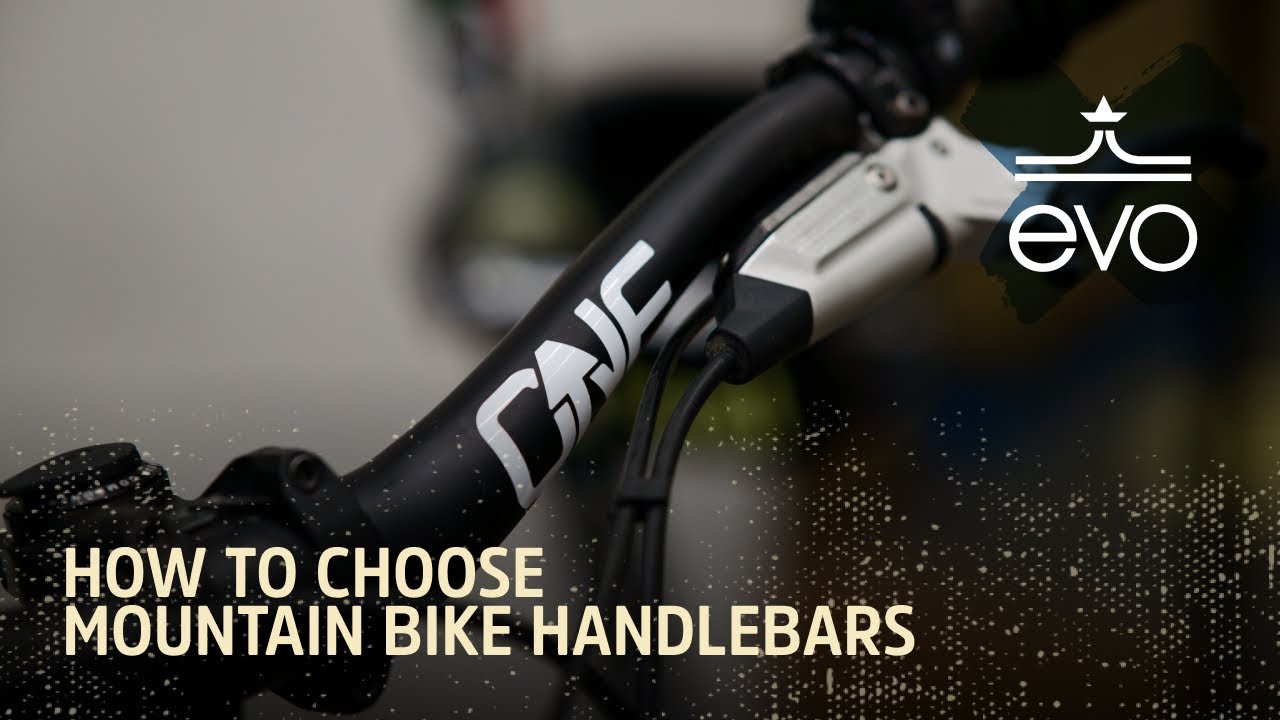
Credit: www.youtube.com
Handlebar Materials
Material affects weight, strength, comfort, and price. The main choices are aluminum, carbon fiber, and steel.
Aluminum
Aluminum bars are the most common for mountain bikes.
- Pros: Affordable, strong, lightweight, easy to find.
- Cons: Can feel harsh on rough trails, less vibration damping than carbon.
Aluminum bars are a good balance for most riders. They are popular for beginners and experienced cyclists.
Carbon Fiber
Carbon fiber bars are lighter and absorb vibrations better.
- Pros: Very light, reduces hand fatigue, excellent vibration damping.
- Cons: Expensive, can break suddenly if damaged, requires careful installation.
Carbon bars are best for riders who want top performance and comfort, and are willing to pay more.
Steel
Steel bars are rare, but sometimes found on budget or retro bikes.
- Pros: Tough, flexible, cheap.
- Cons: Heavy, rusts easily, limited options.
Most mountain bikers prefer aluminum or carbon. Steel is mainly for special builds.
| Material | Weight (Typical) | Comfort | Price Range |
|---|---|---|---|
| Aluminum | 250–350g | Medium | $30–$90 |
| Carbon Fiber | 150–250g | High | $120–$250 |
| Steel | 400–500g | Low | $20–$60 |
Non-obvious Insight
Many beginners believe carbon fiber bars are always better, but the extra cost and fragility can be a downside. Aluminum bars with good grips can feel nearly as comfortable and are more forgiving in crashes. Also, aluminum bars are easier to cut down to size if you want a custom width.
Handlebar Width
Width is one of the most important factors. It affects leverage, handling, and rider comfort.
Common Widths
Mountain bike handlebars now range from 600mm (narrow XC bars) to 840mm (wide enduro bars). Most modern bikes come with bars between 740mm and 800mm.
How Width Changes Your Ride
- Wide bars (760mm–840mm): More leverage for steering, better control on rough terrain, improves stability at speed.
- Narrow bars (600mm–720mm): Easier to steer in tight spaces, less strain on shoulders for smaller riders, better for city or light trails.
Choosing The Right Width
A common mistake is copying pro riders’ wide bars without thinking about body size or local trails. For example, a 5’4” rider with narrow shoulders will struggle with 800mm bars. Instead, measure your shoulder width and add 10–20cm for most riding styles.
| Rider Height | Shoulder Width | Recommended Bar Width |
|---|---|---|
| Under 5’6″ | 35–38cm | 680–740mm |
| 5’6″–6’0″ | 39–44cm | 740–800mm |
| Over 6’0″ | 45+cm | 780–840mm |
Cutting Bars
Some bars can be cut down to custom widths. Always use a proper cutting guide and file the ends smooth. Cutting carbon bars requires special tools and care.
Non-obvious Insight
Wider bars improve control, but can make climbing harder. If you ride mostly uphill or in tight woods, a slightly narrower bar might be smarter. Also, check your local trails for narrow gaps—wide bars may not fit through.

Credit: www.elite-wheels.com
Handlebar Sweep
Sweep describes how much the bar bends backward or upward.
Back Sweep
Back sweep (also called “backsweep”) is the angle the bar bends toward you. Most mountain bike bars have 5–9 degrees of backsweep.
- Low sweep (5–6 degrees): Better for aggressive riding, keeps wrists straight, more control.
- High sweep (7–12 degrees): More relaxed, reduces wrist pain, good for long rides.
Up Sweep
Up sweep is the upward angle at the ends of the bars, typically 4–6 degrees.
- Low upsweep: Flatter hand position, preferred for fast riding.
- High upsweep: More comfort, easier to absorb bumps.
Choosing Sweep
Test different sweeps if possible. Riders with wrist pain often benefit from more backsweep. Aggressive trail riders prefer less sweep for direct steering.
Experience-based Tip
Most riders ignore sweep, but it can make a big difference. If you often feel wrist pain, switching to bars with more backsweep could solve the problem without expensive upgrades.
Handlebar Rise
Rise is the height difference from the center of the bar to the ends. It affects your riding position and bike handling.
Low Rise
Low rise (0–20mm): Flat position, good for climbing, keeps weight forward.
Medium Rise
Medium rise (20–40mm): Balanced position, suits most trail riders.
High Rise
High rise (40–50mm+): Upright position, helps absorb impacts, better for downhill and enduro.
Choosing Rise
Pick rise based on your bike’s geometry and riding style. If your bike already has a high front end, low rise bars keep your weight balanced. If you feel stretched or hunched, higher rise bars may help.
| Riding Style | Recommended Rise | Effect |
|---|---|---|
| Cross Country | 0–20mm | Efficient climbing, fast steering |
| Trail/All Mountain | 20–40mm | Balanced comfort and control |
| Downhill/Enduro | 40–50mm+ | Upright, absorbs big impacts |
Handlebar Diameter
Diameter is important for compatibility with stems and grips.
Standard Sizes
Most mountain bike bars are 31.8mm or 35mm in diameter at the center.
- 31.8mm: Common, fits most stems, lighter.
- 35mm: Newer, stiffer, popular for aggressive riding.
Grip Diameter
Ends of the bars are usually 22.2mm, fitting standard mountain bike grips.
Choosing Diameter
Check your stem before buying new bars. Mixing sizes can cause dangerous slips. Many riders choose 31. 8mm for all-around use, and 35mm for downhill or heavy riders.
Bar Length And Weight
Length and weight affect performance, but are often overlooked.
- Longer bars: More control, can be cut to size.
- Shorter bars: Lighter, less leverage.
Weight matters for racing, but most riders focus on comfort and control first. Bars under 250g are considered light; heavier bars may last longer.
Real-world Example
Pro downhill riders use bars over 800mm wide and 35mm diameter for maximum strength. XC racers use narrow, light bars for speed.
How To Match Handlebars To Your Riding Style
Your riding style is the most important factor in choosing handlebars. Let’s break down the key styles:
Cross Country (xc)
- Flat or low-rise bars
- Width: 680–740mm
- Material: Aluminum or carbon
- Goal: Fast climbs, efficient pedaling
Trail/all Mountain
- Medium rise bars
- Width: 740–800mm
- Material: Aluminum for durability, carbon for comfort
- Goal: Balance between speed and control
Downhill/enduro
- High rise bars
- Width: 780–840mm
- Material: Strong aluminum or carbon
- Goal: Maximum control, absorb impacts
Urban/commuter
- Narrower bars
- Width: 600–700mm
- Material: Aluminum
- Goal: Easy steering in tight spaces
Practical Advisor Tip
Ask yourself: Where do you ride most? If your trails are steep and rough, go wider and higher. If you ride long distances or climb often, go narrower and flatter. Don’t just follow trends—match bars to your terrain.
How To Fit Handlebars To Your Body
Handlebars should match your shoulder width, arm length, and riding position.
Steps To Measure
- Stand straight and measure shoulder width (outside to outside).
- Add 10–20cm for preferred leverage.
- Try bars in this range before buying.
Adjusting Position
- Rotate bars: Small changes in angle can reduce wrist pain.
- Change rise: Adjusts your back and neck position.
- Swap stems: Shorter or longer stems change reach.
Common Mistake
Many riders buy wide bars, then struggle with shoulder pain. Always check fit before cutting bars.
Key Features To Look For
When shopping for mountain bike handlebars, consider these important features:
- Durability: Mountain biking is rough. Choose bars that can handle crashes and heavy use.
- Weight: Lighter bars help on climbs, but durability is more important for aggressive riding.
- Compatibility: Match bar diameter to your stem and grips.
- Price: Don’t overspend. Aluminum bars offer great value.
- Brand Reputation: Well-known brands test their bars for safety.
Example
Brands like Race Face, Easton, and Renthal are trusted by pro riders. Their bars are tested for strength and quality.
How To Install And Adjust Handlebars
Correct installation is crucial for safety and performance.
Tools Needed
- 4–6mm Allen keys
- Torque wrench (for carbon bars)
- Cutting guide (for trimming width)
Steps
- Remove old bars by loosening stem bolts.
- Slide new bars into stem, center them.
- Tighten bolts evenly to recommended torque.
- Install grips and controls.
- Test ride and adjust angle as needed.
Safety Tip
Never over-tighten bolts, especially on carbon bars. Always use a torque wrench.
Common Mistakes When Choosing Mountain Bike Handlebars
Avoid these errors to save money and prevent discomfort.
- Ignoring fit: Buying bars that don’t match your body or riding style.
- Choosing too wide: Wide bars can cause shoulder pain and make tight trails harder.
- Buying carbon for the wrong reasons: Carbon is light, but not always needed for casual riders.
- Mixing diameters: Wrong size bars and stems can cause dangerous slips.
- Not testing sweep and rise: These angles affect comfort more than you think.
Non-obvious Mistake
Many riders forget to check their local trails for tight spaces. If your bars are too wide, you may need to replace them—or risk crashing.
Comparing Popular Mountain Bike Handlebars
Let’s look at three popular models, comparing their specs and suitability.
| Model | Type | Width | Rise | Material | Best For |
|---|---|---|---|---|---|
| Race Face Atlas | Riser | 800mm | 20mm | Aluminum | Trail/Enduro |
| Renthal Fatbar Carbon | Riser | 780mm | 30mm | Carbon Fiber | Downhill |
| Easton EC70 XC | Flat | 720mm | 0mm | Carbon Fiber | Cross Country |
How To Test And Fine-tune Your Handlebars
Testing your handlebars before final installation can save you from discomfort and wasted money.
Try Before You Buy
- Borrow bars from friends or local bike shops.
- Test different widths, rises, and sweeps.
Fine-tuning
- Adjust angle for wrist comfort.
- Move controls (brakes, shifters) for easy access.
- Ride on your usual trails and note any pain or handling issues.
Experience-based Guide Tip
Sometimes, small adjustments make a big difference. Changing the sweep by 2 degrees or moving grips 5mm can improve comfort. Don’t be afraid to experiment.
How To Choose Mountain Bike Handlebars For Specific Conditions
Different conditions require different bars.
Rocky Or Technical Trails
- Wide, high-rise bars for leverage and stability.
Flow Trails
- Medium width and rise, focus on comfort.
Urban Or Commuting
- Narrow, flat bars for easy steering.
Cold Weather
- Bars with more sweep help keep hands warm and relaxed.
Racing
- Lightweight, stiff bars for speed.
Maintenance And Safety Tips
Handlebars need regular checks to stay safe.
- Inspect bars for cracks after crashes.
- Clean bars and stem often.
- Replace bars every 2–3 years if riding hard.
- Check torque on bolts monthly.
Safety Insight
Carbon bars can hide cracks inside. If you crash hard, always check for damage—even if you don’t see marks.
Where To Learn More
For deeper details on handlebar science and safety, check the Wikipedia Bicycle Handlebar page. It covers history, advanced features, and more.

Credit: ambassadoradvertising.com
Frequently Asked Questions
What Is The Ideal Handlebar Width For Beginners?
For most beginners, a handlebar width of 740mm to 760mm works well. It gives good control and comfort without being too wide. If you’re shorter or ride mainly in tight spaces, go slightly narrower.
Are Carbon Fiber Handlebars Worth The Extra Cost?
Carbon fiber bars are lighter and absorb vibration, but they are more expensive and can be fragile. For racers or riders seeking comfort, they are worth it. For most casual riders, aluminum bars offer great performance and value.
How Often Should I Replace My Mountain Bike Handlebars?
Replace your handlebars every 2–3 years if you ride aggressively, or sooner after a hard crash. Inspect regularly for cracks, especially if you use carbon bars.
Can I Cut My Handlebars To A Custom Width?
Yes, most aluminum handlebars can be cut down safely. Use a cutting guide and file the ends smooth. Cutting carbon bars is possible, but requires special tools and care. Always measure twice before cutting.
What Is The Difference Between 31.8mm And 35mm Diameter Bars?
The 31.8mm diameter is lighter and fits most stems. The 35mm diameter is stiffer, better for aggressive riding, and often used in downhill bikes. Match your bar size to your stem for safety and best performance.
Choosing the right mountain bike handlebars is a smart investment in your comfort, control, and safety. Take your time, measure carefully, and pick bars that suit your body and riding style. With the right handlebars, every ride becomes smoother and more enjoyable.

Hello Guys! I am John Reese, a professional biker and my hobby is biking! I have been biking for last 12 years and I love using bikes while outing as well. Based on my experiences with the different type of bikes (mountain bikes, road bikes and hybrid bikes); I am sharing my opinion about various bikes so that a beginner can get started right away. Happy reading!