
How Many Spokes On A Mountain Bike Wheel
If you’ve ever looked closely at a mountain bike wheel, you’ll notice the spokes—thin metal rods connecting the hub to the rim. These spokes play a big role in how strong, light, and reliable your bike is. But how many spokes does a mountain bike wheel have? The answer is not as simple as you might think. Different bikes, riding styles, and wheel sizes use different spoke counts, and each choice affects performance in unique ways.
Understanding spoke count is important, whether you’re buying your first mountain bike, upgrading your wheels, or just curious about how bikes are built. Spokes are not just for holding the wheel together—they affect speed, comfort, and even safety. This article will guide you through everything you need to know about mountain bike spoke counts, including why numbers vary, how to choose the right amount, and what happens when you get it wrong.
By the end, you’ll have a clear idea of what spoke count means for your ride and how to make smart choices.
What Are Spokes And Why Do They Matter?
Spokes are the thin rods that connect the wheel’s hub (center) to the rim (outer edge). Most mountain bike spokes are made from stainless steel, but you’ll also find aluminum, titanium, and even carbon fiber on high-end wheels.
Spokes do more than look cool. They:
- Support the rider’s weight
- Absorb shocks from rough terrain
- Keep the wheel round and true
- Help transfer power from pedals to the trail
A wheel with the right spoke count is strong, light, and smooth. Too few, and the wheel may bend or break. Too many, and the wheel gets heavier and harder to pedal.
Typical Spoke Counts For Mountain Bike Wheels
There isn’t just one answer to “how many spokes? ”—the number depends on the type of mountain bike, the wheel size, and what the bike is used for.
Standard Spoke Counts
Most modern mountain bikes use these spoke counts:
- 26-inch wheels: 32 or 36 spokes
- 27.5-inch wheels: 28, 32, or 36 spokes
- 29-inch wheels: 28 or 32 spokes
The most common number is 32 spokes. This is the standard for many brands because it balances strength and weight for average riders.
Why Numbers Vary
Some wheels have 28 spokes (lighter, for racing), while others have 36 spokes (stronger, for heavy-duty use). Bike designers choose spoke count based on:
- Strength needed
- Weight limits
- Type of riding (cross-country, downhill, etc.)
Comparison Table: Spoke Counts By Wheel Size
Here’s a quick overview of spoke counts for different mountain bike wheels:
| Wheel Size | Common Spoke Counts | Typical Use |
|---|---|---|
| 26-inch | 32, 36 | All-round, older bikes, dirt jumping |
| 27.5-inch | 28, 32, 36 | Trail, enduro, lightweight racing |
| 29-inch | 28, 32 | Cross-country, trail, modern bikes |
How Spoke Count Affects Wheel Performance
The number of spokes isn’t just a technical detail. It changes how your bike feels and performs.
Strength And Durability
More spokes mean a stronger wheel. If you ride rough trails or carry heavy loads, a wheel with 36 spokes is less likely to bend or break. Fewer spokes, like 28, save weight but can be weaker.
Weight And Speed
Every spoke adds a little weight. Fewer spokes make the wheel lighter, which helps you go faster, especially uphill. That’s why racing bikes often use 28 spokes.
Ride Comfort
Spoke count affects how much your wheel flexes. More spokes make the wheel stiffer, which can feel harsh on rough ground. Fewer spokes let the wheel flex more, absorbing bumps.
Table: Strength Vs. Weight Comparison
Let’s see how spoke count affects wheel strength and weight:
| Spoke Count | Strength | Weight | Typical Use |
|---|---|---|---|
| 28 | Medium | Light | Racing, cross-country |
| 32 | High | Medium | Trail, all-mountain |
| 36 | Very High | Heavy | Downhill, dirt jump, heavy riders |
Types Of Mountain Bikes And Their Spoke Counts
The kind of mountain bike you ride affects spoke count. Each type has different needs.
Cross-country (xc)
Cross-country bikes are built for speed and light weight. Most XC wheels have 28 or 32 spokes. Racers choose fewer spokes for less weight, but recreational riders stick with 32 for more strength.
Trail And All-mountain
These bikes need wheels strong enough for rough terrain. 32 spokes is common, balancing durability and weight.
Enduro
Enduro bikes face bigger drops and jumps. Wheels often have 32 or 36 spokes. More spokes mean fewer broken wheels.
Downhill
Downhill bikes tackle the hardest terrain. 36 spokes is standard for maximum strength. The extra weight is worth it for safety.
Fat Bikes
Fat bikes use wide tires and heavy wheels. Most have 36 spokes to handle tough snow, sand, or mud.
How To Choose The Right Spoke Count
Picking the right spoke count isn’t just about following trends. Here’s how to make a smart choice:
- Think about your riding style.
- If you race or ride smooth trails, fewer spokes (28–32) are fine.
- For rough terrain or heavy loads, choose more (32–36).
- Consider your weight.
- Heavier riders need more spokes for extra strength.
- Look at your wheel size.
- Bigger wheels (29-inch) can be weaker with fewer spokes. Choose 32 for balance.
- Check the bike’s purpose.
- Downhill and enduro bikes need more spokes.
- Cross-country bikes can use fewer.
- Don’t overlook maintenance.
- More spokes means more to adjust, but fewer spokes can break more easily.
Common Mistakes When Choosing Spoke Count
Even experienced riders make mistakes. Watch out for:
- Choosing too few spokes to save weight. This can lead to broken wheels and costly repairs.
- Ignoring your riding environment. If you ride hard trails, you need more strength.
- Assuming all wheels are equal. Different brands and models use different materials and designs.
Spoke Patterns And Their Impact
Spoke count is just part of the story. How the spokes are arranged matters too.
Most Common Patterns
- 3-cross (3X): Each spoke crosses three others. Used on most mountain bikes for balance.
- 2-cross (2X): Each spoke crosses two others. Found on lighter wheels.
- Radial: Spokes go straight from hub to rim. Rare for mountain bikes—more common on road bikes.
Why Patterns Matter
The pattern affects how force is spread across the wheel. 3-cross is strong and flexible, perfect for mountain biking. Radial patterns are lighter but less strong.
Example: 32 Spokes, 3-cross Pattern
A 32-spoke wheel in a 3-cross pattern is the standard for mountain bikes. It spreads force well and is easy to repair.
Materials And Their Role In Spoke Count
Not all spokes are the same. Material affects how many you need.
Stainless Steel
Most mountain bike spokes are stainless steel. It’s strong, affordable, and resists rust. Wheels can use fewer spokes (28–32) with this material.
Aluminum
Aluminum spokes are lighter but not as strong. Wheels usually need more (32–36) for safety.
Titanium
Titanium is light and strong, but expensive. Used for high-end wheels, often with fewer spokes.
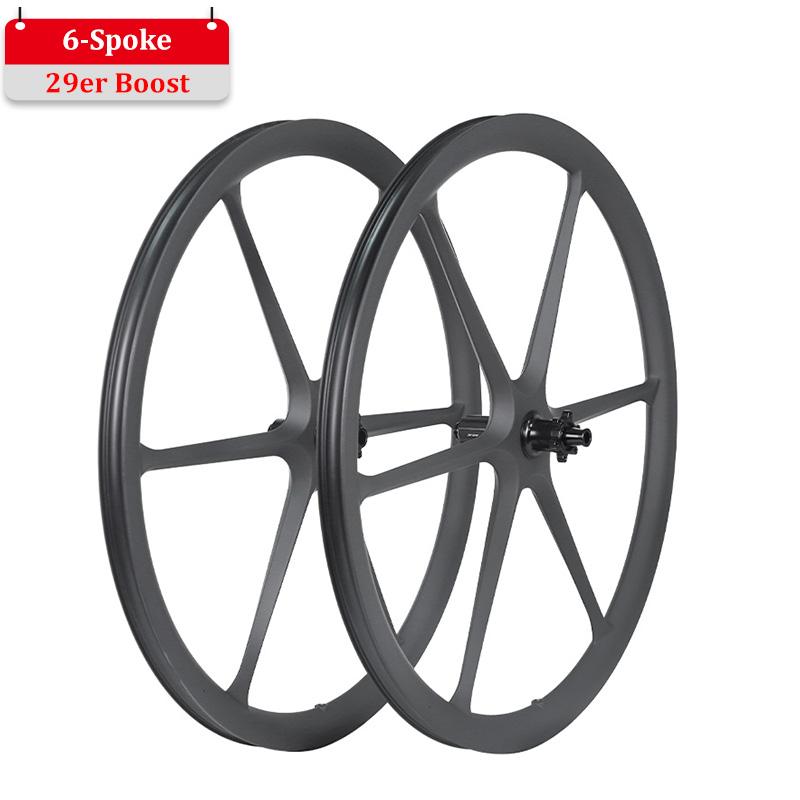
Carbon Fiber
Some top-level wheels use carbon fiber spokes. They are very light but can be fragile. Most riders stick to traditional metals.
Real-life Examples: Spoke Counts On Popular Mountain Bikes
Let’s look at some real bikes and their spoke counts:
- Trek Marlin 7 (29-inch): 32 spokes, 3-cross pattern
- Specialized Stumpjumper (27.5-inch): 32 spokes, 3-cross pattern
- Santa Cruz Hightower (29-inch): 28 spokes, lightweight racing wheels
- Giant Trance (27.5-inch): 32 spokes, trail riding
- Cannondale Trail 5 (27.5-inch): 36 spokes, extra strength
These examples show that even top brands use different spoke counts based on wheel size and bike purpose.
How Spokes Are Measured And Installed
Understanding spoke count also means knowing how spokes fit in a wheel.
Measuring Spoke Length
Spoke length depends on:
- Wheel diameter
- Hub size
- Rim shape
Bike shops use special calculators to pick the right length. If spokes are too short or too long, the wheel won’t be strong.
Installing Spokes
Spokes are attached to the hub and rim using nipples (small threaded nuts). Each spoke must be tightened to the correct tension. Uneven tension can cause the wheel to wobble or break.
Maintenance And Repair: Why Spoke Count Matters
More spokes mean more parts to take care of. Here’s what you need to know:
- Check spoke tension regularly. Loose spokes can cause the wheel to bend.
- Replace broken spokes quickly. Riding with a broken spoke stresses the others.
- Higher spoke counts make repairs easier. If one breaks, the wheel stays strong.
A common mistake is ignoring a single broken spoke. On wheels with fewer spokes, this can cause serious damage.
The Evolution Of Mountain Bike Spoke Counts
Mountain bike technology has changed over the years. Older bikes had 36 spokes for strength. Modern materials allow for fewer spokes without losing durability. Now, 32 spokes is standard, but racers often use 28.
Table: Spoke Counts Over Time
Here’s how spoke counts have changed:
| Era | Typical Spoke Count | Reason |
|---|---|---|
| 1980s–1990s | 36 | Heavy steel frames, rough trails |
| 2000s | 32 | Lighter materials, better designs |
| 2010s–Present | 28–32 | Advanced alloys, racing focus |
Non-obvious Insights About Spoke Count
Many riders miss these details:
- Spoke count affects tubeless tire setup. Fewer spokes can mean fewer leaks because there are fewer holes in the rim.
- High spoke count helps with wheel truing. More spokes make it easier to fix a bent wheel, as you have more points to adjust.
These small details can make a big difference in performance and maintenance.
How Spoke Count Relates To Rider Weight And Riding Style
The right spoke count isn’t just about the bike—it’s about you.
- Light riders: Can use fewer spokes, as less force is applied to the wheel.
- Heavy riders: Need more spokes for safety.
- Aggressive riding: If you hit jumps, drop-offs, or ride rocky trails, more spokes are safer.
Many beginners don’t realize that spoke count is a personal choice, not just a technical one.
Custom Wheels: When To Go Beyond Standard Spoke Counts
Some riders build custom wheels for special needs.
- Bikepacking: Riders add extra spokes for loaded trips.
- Freestyle/Dirt Jumping: Wheels are built with up to 48 spokes for extreme strength.
- Ultra-light racing: Custom builders use 24–28 spokes, but only for smooth trails.
Custom wheels cost more but can be tailored exactly to your needs.

Credit: www.amazon.com
Should You Upgrade Your Spoke Count?
If your wheels feel weak, or you break spokes often, upgrading to a higher spoke count is smart. But if your wheels are strong, and you ride smooth trails, there’s no need to add more.
- Upgrade only if needed.
- Don’t chase trends—choose what suits your riding.
How Brands Advertise Spoke Count
Some brands claim “fewer spokes = lighter, faster.” But remember, durability is just as important as weight. Don’t let marketing tricks lead you to wheels that break easily.
Check real reviews and talk to experienced riders before deciding.
Environmental Factors That Affect Spoke Count
Where you ride changes what you need.
- Wet, muddy trails: More spokes help prevent rim damage.
- Rocky terrain: Higher spoke count absorbs shocks.
- Smooth, paved paths: Fewer spokes are fine.
Consider your environment before picking a spoke count.
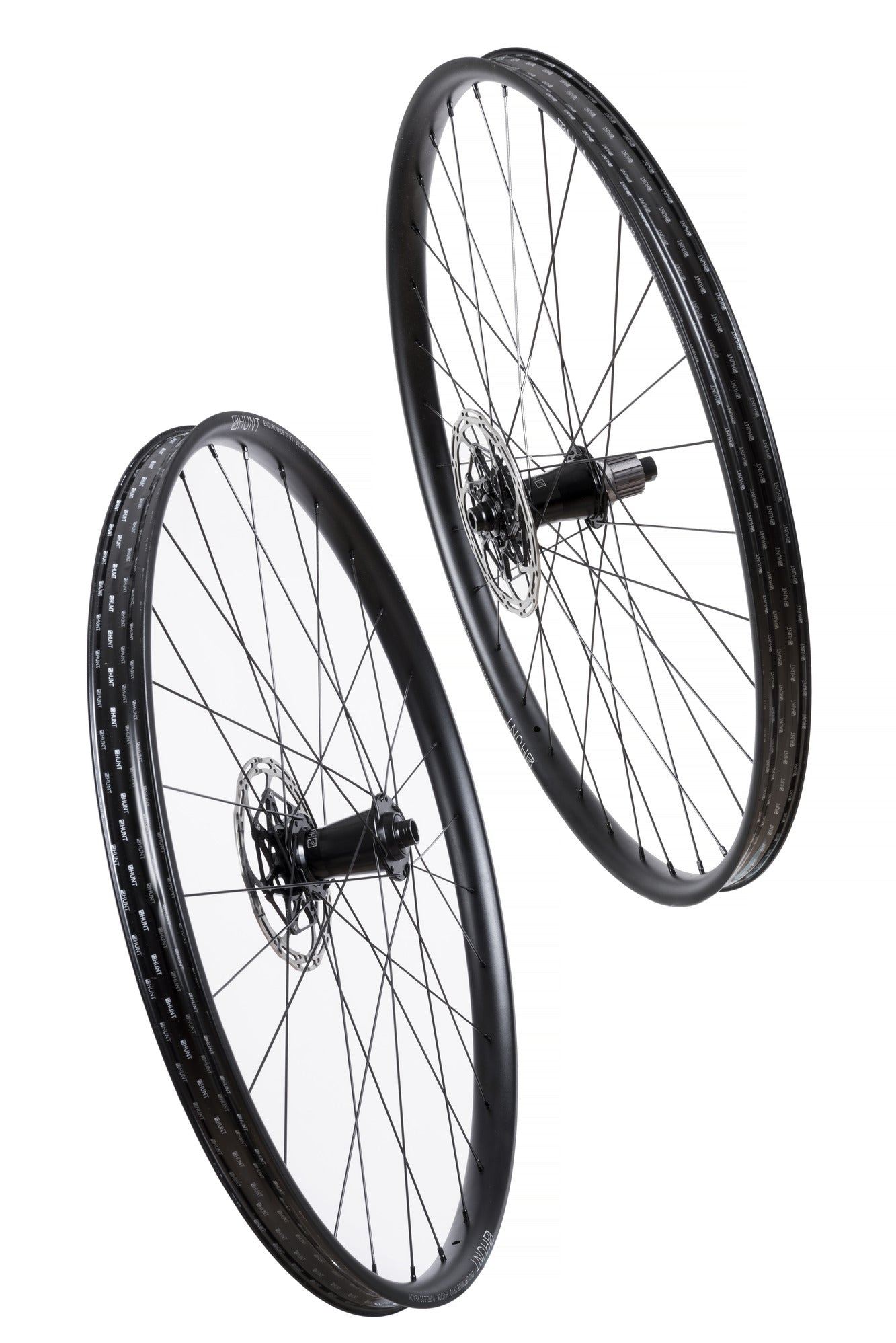
Spoke Count And Wheel Cost
Wheels with more spokes cost a bit more (more material, more labor). But fewer spokes often mean more expensive materials, so price differences aren’t always big.
- 32 spoke wheels: Best value for most riders.
- 28 spoke wheels: May cost more if made from fancy materials.
Always balance price with performance.
Credit: us.huntbikewheels.com
Summary: Key Takeaways About Mountain Bike Spoke Count
- Most mountain bike wheels use 32 spokes—this is the balance point for strength and weight.
- 28 spokes are best for racing and light riders.
- 36 spokes are for heavy-duty, downhill, or big riders.
- Spoke count affects speed, strength, comfort, and maintenance.
- Your riding style, weight, and terrain matter most when choosing.
If you remember these points, you’ll pick the right spoke count every time.
Frequently Asked Questions
How Do I Know If My Wheel Has Enough Spokes For My Weight?
If you weigh under 160 lbs and ride smooth trails, 28–32 spokes is usually safe. For riders over 200 lbs or who ride tough terrain, 36 spokes is better. It’s always smart to ask a bike shop for advice based on your exact needs.
Is It Possible To Add More Spokes To An Existing Wheel?
No. Once a wheel is built, you can’t add more spokes without replacing the rim and hub. If you need more strength, buy a wheel with a higher spoke count.
Do Spoke Counts Affect How Easy It Is To Fix A Wheel?
Yes. More spokes mean more points to adjust, making repairs and truing easier. Wheels with fewer spokes require more careful adjustment and can be harder to fix if bent.
Are Expensive Wheels With Fewer Spokes Always Better?
Not always. Expensive wheels often use better materials, but fewer spokes can make them weaker for heavy riders or rough trails. Balance price with your needs.
Where Can I Find More Technical Details About Mountain Bike Wheel Design?
For detailed information about wheel building and spoke count, visit Wikipedia’s Bicycle Wheel page.
Mountain bike spoke count is a detail that matters more than most people realize. Whether you’re a beginner or a pro, understanding how spoke count affects your ride will help you choose wheels that last longer, perform better, and keep you safe on every trail.
Credit: www.proxcarbon.com

Hello Guys! I am John Reese, a professional biker and my hobby is biking! I have been biking for last 12 years and I love using bikes while outing as well. Based on my experiences with the different type of bikes (mountain bikes, road bikes and hybrid bikes); I am sharing my opinion about various bikes so that a beginner can get started right away. Happy reading!