
How Much Does An Average Mountain Bike Cost
Riding a mountain bike is more than just a hobby—it’s a way to explore nature, challenge yourself, and stay fit. But if you’re thinking about buying your first mountain bike, one question comes up quickly: How much does an average mountain bike cost? The answer is not as simple as a single number. Mountain bikes come in many types, with prices influenced by features, materials, and even where you buy them. For new riders, the range can feel overwhelming. Some bikes cost as little as $300, while high-end models go for over $10,000.
In this guide, you’ll learn what affects the price of a mountain bike, what to expect in different price ranges, and how to find the best value for your needs. We’ll break down the numbers, explain what really matters, and help you avoid common mistakes.
Whether you’re a casual rider or looking to get serious, this article gives you the facts you need to make a smart choice.
What Is The Average Cost Of A Mountain Bike?
If you ask five mountain bikers how much an “average” bike costs, you’ll probably get five different answers. That’s because the word “average” can mean different things depending on who you ask and the kind of biking you want to do.
Still, most new riders want a quality bike that can handle real trails without breaking the bank.
Across the United States, the average cost of a mountain bike that is suitable for trail riding is about $1,000 to $2,500. This range includes most entry-level and mid-range bikes sold at bike shops. You can find cheaper options at big box stores, but they may not last long or perform well on rough terrain.
It’s helpful to break down the cost by type:
- Entry-level bikes: $400 – $900
- Mid-range bikes: $1,000 – $2,500
- High-end bikes: $3,000 and up
These numbers are based on recent market research and prices from leading brands in 2024.
Key Factors That Affect Mountain Bike Price
Not all mountain bikes are built the same. Price depends on many factors, some obvious and some less so. Here’s what truly drives the cost up or down.
Frame Material
The frame is the heart of any mountain bike. Common materials include:
- Aluminum: Most entry and mid-range bikes use aluminum. It’s light and affordable.
- Carbon fiber: Found on higher-end bikes. It’s lighter and absorbs vibrations better, but is much more expensive.
- Steel: Rare in new bikes, but sometimes used for custom or budget models. Heavier, but strong.
- Titanium: Premium and rare. Combines strength, lightness, and comfort, but costs a lot.
Suspension Type
Mountain bikes are usually:
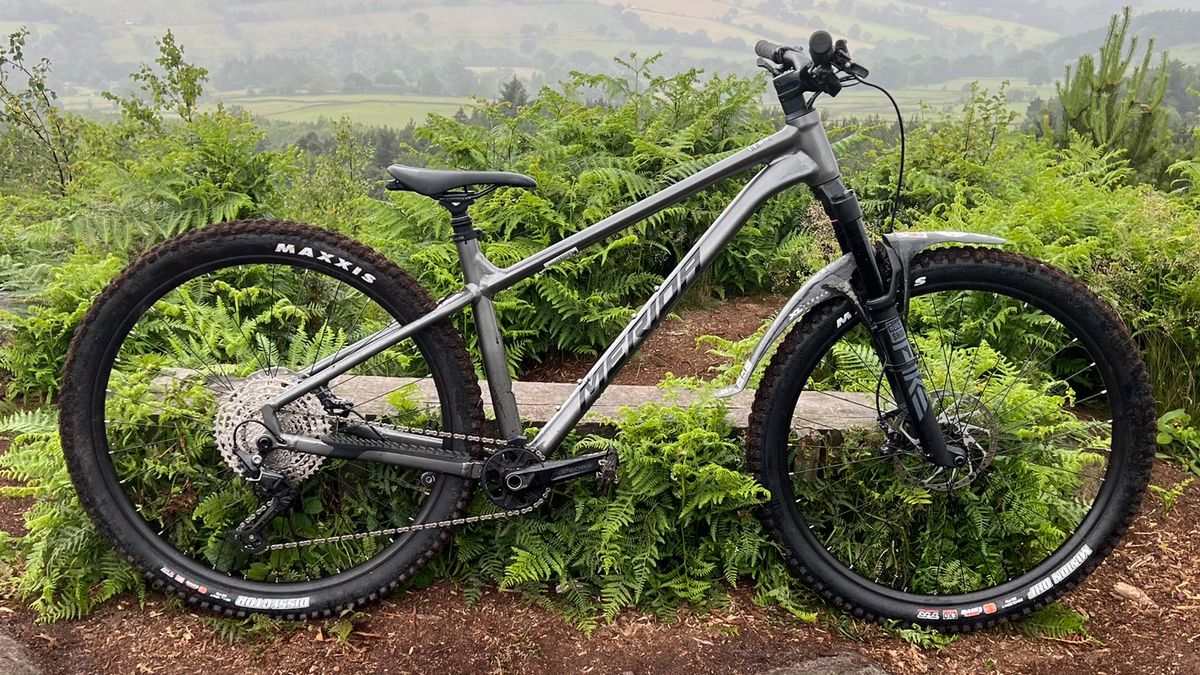
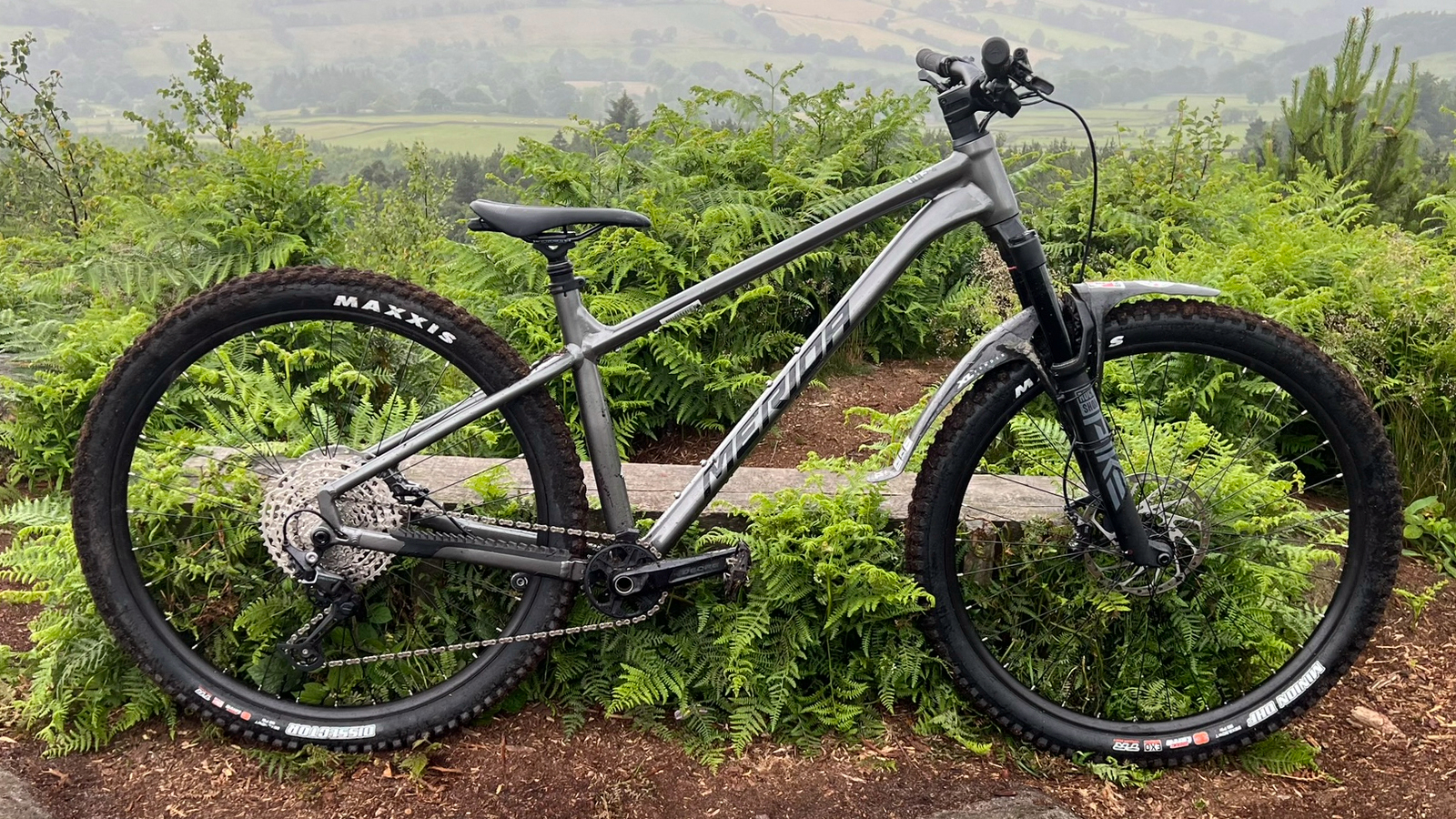
- Hardtail: Front suspension only. Cheaper, lighter, and easier to maintain.
- Full suspension: Suspension at both front and rear. Smoother ride, better control on rough trails, but adds cost and weight.
Components
“Components” means the brakes, gears, wheels, and other parts that make the bike work. Better components cost more, last longer, and perform better. For example:
- Hydraulic disc brakes are more expensive and powerful than basic mechanical brakes.
- 1x drivetrains (single front chainring) are simpler and lighter, but often found on pricier bikes.
- Tubeless-ready wheels allow you to run lower tire pressure for better grip, but add to the price.
Brand And Where You Buy
Bikes from well-known brands usually cost more, but may offer better support and quality control. Buying from a local shop often costs more than buying online, but you get expert help and free adjustments.
Size And Fit
Some bikes cost more in larger or smaller sizes due to extra materials or custom work.
Technology And Features
Modern bikes might have dropper seat posts, electronic shifting, or advanced geometry—all of which add to the price.
Example Price Ranges For Common Bike Types
Here’s a quick look at what you can expect to pay for different types of mountain bikes:
| Type | Price Range (USD) | Best For |
|---|---|---|
| Hardtail (Aluminum) | $500 – $1,300 | Beginners, light trails |
| Full Suspension (Aluminum) | $1,500 – $3,000 | Trail, all-mountain |
| Hardtail (Carbon) | $1,300 – $3,500 | XC racing, fast trails |
| Full Suspension (Carbon) | $2,500 – $8,000+ | All-mountain, enduro, downhill |
What Do You Get At Different Price Points?
Not all mountain bikes are created equal. Here’s what you can expect, feature by feature, at common price levels.
Under $500: Basic And Department Store Bikes
These bikes are usually found at big box stores. They look good on the shelf but have heavy frames, low-quality parts, and weak suspensions. They’re fine for smooth paths but not for real mountain biking. You’ll often have to replace them sooner, and they don’t hold their value.
Insight: Many beginners buy these bikes and quickly outgrow them or face costly repairs.
$500 – $1,000: Entry-level Trail Bikes
Here you start to see real mountain bikes. They’re usually hardtails with aluminum frames and basic (but reliable) components. You’ll get mechanical or entry-level hydraulic disc brakes, 1x or 2x drivetrains, and a suspension fork with 80–120mm travel.
- Great for beginners who want to try real trails.
- Easy to upgrade later.
$1,000 – $2,500: Mid-range Bikes
This is the sweet spot for most riders. Bikes here have better suspension (often air-sprung), stronger wheels, and improved drivetrains. You can find both hardtail and entry-level full suspension models. Most have tubeless-ready wheels and 1x drivetrains.
Non-obvious insight: Bikes in this range often include features from last year’s high-end models, so you get better value.
$2,500 – $4,500: High-end Performance
Now you’re looking at race-ready hardtails and advanced full suspension bikes. Frames may be carbon. Components are lighter and more precise. Suspension is adjustable and smoother. Expect dropper posts, high-end hydraulic brakes, and wheels that can handle tough trails.
- Ideal for riders who want to push their limits or race.
$4,500 And Up: Premium And Custom Builds
Top brands, electronic shifting, carbon everything, and the latest tech. These bikes are light, fast, and strong—but the price jumps quickly. Most recreational riders don’t need this level, but professionals and serious enthusiasts might want the best.
Practical tip: High-end bikes may lose value quickly because technology changes fast.
Comparing Mountain Bike Prices By Brand
Let’s look at real-world examples from leading brands in 2024. These are for entry-level, mid-range, and high-end models.
| Brand | Entry-Level Price | Mid-Range Price | High-End Price |
|---|---|---|---|
| Trek | $679 | $2,399 | $9,499 |
| Specialized | $650 | $2,500 | $12,000 |
| Giant | $630 | $2,200 | $8,500 |
| Cannondale | $700 | $2,300 | $10,500 |
| Santa Cruz | $2,600 | $4,300 | $12,500 |
Note: Prices can change based on sales, location, and specific models.
Should You Buy New Or Used?
Buying a used mountain bike can save you a lot of money. But there are risks and things to check before you buy.
Benefits Of Buying New
- Warranty: Most new bikes come with a manufacturer’s warranty.
- Support: Bike shops offer free adjustments and expert advice.
- Latest tech: New bikes have the newest features.
Benefits Of Buying Used
- Lower cost: Save 30–60% compared to new.
- Higher quality for less: You can often afford a better bike than if you bought new.
- Slower depreciation: Used bikes don’t lose value as fast.
What To Watch Out For
- Frame damage: Look for cracks or dents, especially in carbon frames.
- Worn-out parts: Check the chain, cassette, tires, and brakes.
- Fit: Make sure the bike fits you. It’s hard to test ride if buying online.
Insight: Many riders sell bikes after just a year or two, so you can find almost-new bikes at good prices.
Mountain Bike Cost Vs. Value: What Really Matters?
It’s tempting to focus on the lowest price, but the best value comes from buying a bike that fits your needs and will last. Here’s what matters most:
- Fit and comfort: A cheaper bike that fits you is better than an expensive bike that doesn’t.
- Quality of parts: Higher quality parts last longer and need fewer repairs.
- Type of riding: Don’t pay for features you don’t need. For example, if you only ride on smooth trails, you don’t need a downhill bike.
- Upgrade path: Some bikes are easier (and cheaper) to upgrade over time.

Credit: hoodcontainer.com
Other Costs To Consider
The price of the bike is only part of the story. You’ll also need:
- Helmet: $50 – $200
- Gloves and basic gear: $30 – $100
- Shoes (if clipless pedals): $80 – $250
- Water bottle and cage: $20 – $50
- Repair kit and pump: $30 – $70
- Bike lock: $20 – $100
If you want to carry your bike to trails, you may also need a car rack ($100 – $600).
Non-obvious insight: Spending a little more on a good helmet and proper clothing can make riding much more enjoyable and safe.
How To Get The Best Value When Buying
You don’t have to spend the most to get a great mountain bike. Here’s how to shop smart:
- Test ride several bikes. Fit and feel are more important than brand.
- Buy last year’s model. Shops often discount older models, and they’re almost as good as new.
- Look for package deals. Some shops include free tune-ups or gear with a new bike.
- Consider used or demo bikes. But check them carefully.
- Ask about trade-ins. Some shops let you trade up later for a discount.
Credit: www.bikeperfect.com
Common Mistakes To Avoid
Many new riders make costly mistakes when buying their first mountain bike. Here’s how to avoid them:
- Buying too cheap. Very low-priced bikes may not last or perform well on real trails.
- Ignoring fit. The wrong size bike can cause pain and make riding less fun.
- Paying for unused features. Don’t buy a downhill bike if you only ride cross-country.
- Not budgeting for gear. Helmets and basic tools are essential.
- Skipping the test ride. Even expensive bikes can feel wrong if they don’t fit you.
Price Breakdown: What Goes Into The Cost?
Ever wonder why one mountain bike is $700 and another is $7,000? Here’s a closer look at where your money goes:
- Frame: 20–35% of the cost. Materials, design, and weight matter.
- Suspension: 15–25%. Better suspension means smoother rides and more control.
- Drivetrain and brakes: 15–20%. Quality parts shift better and stop faster.
- Wheels and tires: 10–15%. Light, strong wheels are expensive.
- Other parts: 10–15%. Includes seat, handlebars, pedals, etc.
- Brand markup: 5–10%. Bigger brands often charge more for their reputation.
Example: A $2,000 bike might include a $400 frame, $400 suspension, $300 drivetrain, $250 wheels, $200 in other parts, and $150 in brand markup.
Mountain Bike Prices By Type Of Riding
Different styles of mountain biking require different bikes, and the price changes with the type.
Cross-country (xc)
- Hardtail: $700 – $2,500
- Full suspension: $1,800 – $5,000
These bikes are light and fast, good for racing or long rides.
Trail
- Hardtail: $900 – $2,000
- Full suspension: $2,000 – $4,500
Trail bikes are the most common. They balance climbing and downhill ability.
Enduro
- Full suspension only: $2,500 – $7,000
Enduro bikes are heavier, with more suspension for rough terrain and steep descents.
Downhill
- Full suspension only: $3,000 – $10,000
Downhill bikes are strong and heavy, built for big jumps and rough trails.
Should You Build A Mountain Bike Or Buy Complete?
Some riders think about building a bike piece by piece. This can be fun, but it’s rarely cheaper than buying a complete bike from a shop.
Pros Of Building Your Own
- Custom fit: You choose every part.
- Unique style: Your bike will stand out.
Cons
- Cost: Buying parts one by one usually costs more.
- Time and skill: You need special tools and know-how.
- No warranty: Most warranties only cover complete bikes.
Insight: Unless you want something unique, buying a complete bike is usually the best value.
How Covid-19 And Supply Chains Changed Prices
The past few years have seen big changes in the bike market. During the COVID-19 pandemic, demand for bikes exploded, and supply chains struggled. This caused:
- Higher prices: Many bikes went up 10–20% in price.
- Low stock: Popular models sold out fast.
- Long waits: Some riders waited months for their bikes.
Now, in 2024, supply is catching up, but prices remain higher than before 2020.
How To Spot A Good Deal
Finding a good deal is about more than just a low price. Here’s what to look for:
- Reputable shop: Buy from a known store or website.
- Warranty: Make sure there’s a warranty, especially for frames.
- Recent models: Newer bikes have better tech and hold value.
- No hidden damage: For used bikes, check everything carefully.
You can check reviews and prices on trusted sites like Bicycling.com to see if a deal is really good.
Credit: www.bikeperfect.com
How Much Should You Spend On Your First Mountain Bike?
This depends on your budget, goals, and how often you plan to ride. Here are some guidelines:
- Casual riders: $500 – $1,000 is enough for a good basic bike.
- Regular riders: $1,000 – $2,500 gets you a durable, upgradeable bike.
- Serious riders/racers: $2,500 and up for the best features and lightest weight.
Non-obvious insight: Spending a bit more up front often saves money in the long run due to fewer repairs and upgrades.
Where To Buy Your Mountain Bike
You have several options, each with pros and cons.
Local Bike Shop
- Pros: Expert advice, fitting, service, and support.
- Cons: Higher prices than big box stores or online.
Online Retailer
- Pros: Lower prices, wide selection.
- Cons: No test rides, may need to assemble the bike yourself, returns can be tricky.
Big Box Store
- Pros: Cheapest prices.
- Cons: Lowest quality, poor assembly, not suitable for real trails.
Used Market
- Pros: Best deals, higher quality for less.
- Cons: Must check for damage, limited selection, no warranty.
Is A Mountain Bike A Good Investment?
A mountain bike can be a great investment in your health and happiness. But it’s not like buying a car or stocks—it loses value over time. The real value is in the experiences you gain.
Tip: Well-maintained bikes hold value better, and popular brands are easier to resell.
Frequently Asked Questions
How Much Does A Good Mountain Bike Cost For A Beginner?
For most beginners, a good mountain bike costs between $600 and $1,200. This range gets you a reliable hardtail with quality components that can handle real trails. Spending less may lead to problems or quick upgrades.
Is It Worth Buying A More Expensive Mountain Bike?
If you ride often or want better performance, a more expensive bike can be worth it. Higher prices buy lighter frames, better suspension, and parts that last longer. For occasional riders, a mid-range bike is usually enough.
How Long Will A Mountain Bike Last?
A well-cared-for mountain bike can last 5–10 years or more. Parts like the chain, tires, and brakes will wear out sooner and need replacing. Regular cleaning and service help your bike last longer.
Are Expensive Mountain Bikes Faster?
Expensive mountain bikes are often lighter and have better components, which can make them faster and easier to control. However, the rider’s skill and fitness matter more than the bike’s price.
What Is The Best Time Of Year To Buy A Mountain Bike?
The best time to buy is late summer or fall when shops discount older models to make room for new ones. You can also find deals during holiday sales or at the end of the biking season.
Buying a mountain bike is an investment in fun, fitness, and adventure. By understanding what affects the price and what you really need, you can find a bike that fits your budget and helps you enjoy the trails for years to come.

Hello Guys! I am John Reese, a professional biker and my hobby is biking! I have been biking for last 12 years and I love using bikes while outing as well. Based on my experiences with the different type of bikes (mountain bikes, road bikes and hybrid bikes); I am sharing my opinion about various bikes so that a beginner can get started right away. Happy reading!