
If you want to become a better mountain biker, you’re not alone. Every year, more people discover the excitement of mountain biking—riding fast down trails, learning new skills, and exploring nature. But improving at mountain biking is not only about riding more.
It’s about learning technique, using the right gear, and understanding your limits.
This guide will help you become a stronger, smarter mountain biker, whether you’re new to the sport or looking to level up. You’ll find practical advice, clear steps, and real examples. We’ll cover riding skills, bike setup, training, safety, and how to avoid common mistakes.
By the end, you’ll feel confident to tackle tougher trails, ride longer, and enjoy every moment on your bike.
Building Your Foundation: Essential Skills
Before you can ride more advanced trails, you need to master some basic skills. These are the building blocks for every mountain biker.
Balance And Control
Mountain biking is about balance. The terrain changes quickly, so you need to keep your body stable. Try practicing these:
- Track stands: Stop your bike and keep it upright for as long as possible without moving. This improves balance at slow speeds.
- Body position: Stay centered over your bike. Keep your elbows bent, knees slightly flexed, and your weight balanced between the wheels.
Many riders make the mistake of staying too stiff. Relax your arms and legs—they act as shock absorbers. On rough trails, let your body move with the bike.
Braking Technique
Learning how to brake properly is key. Most beginners use only the rear brake, but the front brake is more effective at stopping. Don’t squeeze both brakes hard at the same time—this can throw you off. Instead:
- Use one or two fingers to control each brake lever.
- Apply the front brake gently and increase pressure as needed.
- Shift your weight back when braking hard to avoid flipping over.
Practice braking on different surfaces. Loose gravel or wet mud needs a lighter touch.
Cornering
Turning on trails is different from riding on flat roads. Good cornering helps you keep speed and control.
- Look where you want to go, not at obstacles.
- Lean your bike, not your body, into the turn.
- Start wide, cut toward the inside, and exit wide.
A common beginner mistake: staring at the front wheel or the ground. Instead, focus on the trail ahead.
Gear Shifting
Mountain trails change quickly—steep climbs, fast descents, sudden obstacles. You need to shift gears often.
- Shift before you reach tough spots, not during.
- Keep pedaling smoothly while shifting. Don’t force the gears.
- Use lower gears for climbing; higher gears for flat or downhill.
If your gears skip or make noise, your bike may need adjustment.
Choosing The Right Mountain Bike
Your bike makes a big difference. But you don’t need the most expensive model to improve. The key is finding a bike that fits your style and body.
Bike Types
There are several types of mountain bikes. Here’s how they compare:
| Type | Suspension | Best For | Average Price |
|---|---|---|---|
| Hardtail | Front only | Beginners, XC | $500–$2,000 |
| Full Suspension | Front & rear | Intermediate, rough trails | $1,500–$5,000 |
| Fat Bike | None/Front | Snow, sand | $700–$2,500 |
| Downhill Bike | Heavy-duty | Steep descents | $2,000–$6,000 |
For most riders, a hardtail is enough to start. As you gain experience, you may want a full suspension bike for tougher terrain.
Sizing And Fit
A bike that fits you will be easier to control and less tiring. Here are the main points:
- Stand over the frame. You should have 1–2 inches clearance.
- Reach the handlebars comfortably without stretching.
- Adjust the saddle height so your leg is almost straight at the bottom of the pedal stroke.
Bike shops can help you find the right size. Don’t ignore fit—it affects your riding more than gear upgrades.
Key Features
Some features matter more than others. Focus on:
- Tire width: Wider tires give better grip.
- Suspension travel: More travel means more comfort on rough trails.
- Brake type: Disc brakes are best for all conditions.
Avoid spending extra on fancy colors or brand names. Instead, invest in quality tires, brakes, and a comfortable saddle.
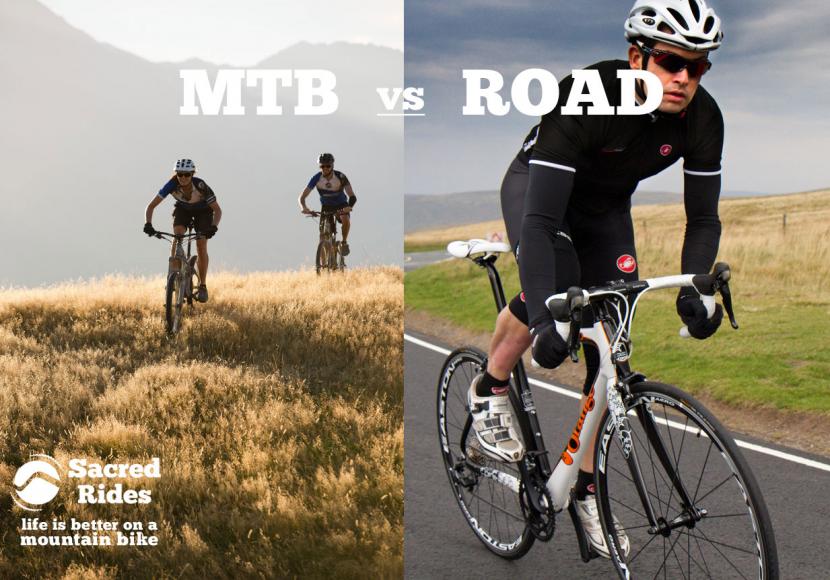
Credit: sacredrides.com
Improving Your Riding Technique
Now, let’s go deeper into skills that will transform your riding.
Climbing
Climbing is about efficiency. Many riders waste energy or lose traction. Here’s how to climb better:
- Shift to a lower gear before the climb.
- Stay seated and keep your weight forward.
- Pedal smoothly—avoid jerky movements.
- If the rear wheel slips, move forward on the saddle.
On steep climbs, sometimes standing up helps. But standing uses more energy. Practice both methods.
Descending
Downhill riding is fun, but requires skill.
- Look ahead, not down.
- Move your body back behind the saddle.
- Keep your arms and legs loose to absorb bumps.
- Brake before corners, not during.
Most crashes happen on descents due to speed or surprise obstacles. Go slower at first. Build confidence step by step.
Handling Obstacles
Roots, rocks, and drops are common. To handle them:
- Lift your front wheel over roots using a manual (shift weight back and pull up).
- “Unweight” your bike over rocks by standing up and using legs as shock absorbers.
- For small drops, keep your body low, arms bent, and look ahead.
Don’t panic if you hit something unexpected. Stay relaxed, let your bike move, and regain control.
Riding In Different Conditions
Trails change with weather and location.
- Mud: Use wider tires, keep speed steady, and avoid sharp turns.
- Sand: Lower tire pressure, stay seated, and keep momentum.
- Snow: Fat bikes work best; keep weight balanced.
Each condition needs practice. Start slow, experiment, and learn how your bike handles.
Training For Mountain Biking
Improving your fitness makes mountain biking easier and safer. You don’t need to be an athlete, but some training helps.
Building Endurance
Long rides require stamina. Try these:
- Ride longer each week—add 10–15 minutes per session.
- Mix easy rides with harder ones.
- Use local trails or parks for variety.
Cycling is a low-impact sport, but don’t forget rest days.
Strength Training
Strong muscles help with climbing, handling, and injury prevention.
- Focus on legs (squats, lunges), core (planks, sit-ups), and upper body.
- Aim for 2–3 sessions per week, 20–30 minutes each.
You don’t need a gym. Simple bodyweight exercises work.
Flexibility
Mountain biking needs flexibility. Stretch after rides:
- Hamstrings, quads, calves
- Back and shoulders
This prevents cramps and helps you move better on the bike.
Cross-training
Other activities help too:
- Running: Builds stamina.
- Swimming: Good for recovery.
- Yoga: Improves balance and flexibility.
Mixing sports prevents boredom and injuries.
Trail Awareness And Safety
Mountain biking is exciting, but there are risks. Staying safe means knowing your limits and respecting the trail.
Trail Etiquette
Follow these rules for a good experience:
- Yield to hikers and slower riders.
- Announce yourself when passing (“On your left!”).
- Stay on marked trails to protect nature.
Ignoring etiquette can cause accidents or damage the environment.
Safety Equipment
Never ride without basic gear:
- Helmet: Protects your head. Always wear one.
- Gloves: Improve grip and protect hands.
- Eye protection: Sunglasses or goggles keep dust and bugs out.
- Pads: Knees and elbows, especially for rough trails.
Check your equipment before every ride. Replace damaged gear.
First Aid And Emergency Planning
Accidents happen. Carry a small first aid kit and know basic steps:
- Clean cuts with water.
- Stop bleeding with a bandage.
- If you crash, check for injuries before moving.
Tell someone where you’re going. Bring a phone with emergency contacts.
Weather And Trail Conditions
Check weather forecasts before riding. Wet or muddy trails are harder and more dangerous.
- If a trail is closed, respect the rules.
- Avoid riding after heavy rain; it damages trails and bikes.
Learning to read trail conditions helps you avoid surprises.
Upgrading Your Bike And Gear
As you improve, you may want better gear. But upgrading smartly saves money.
Essential Upgrades
Some upgrades have the biggest impact:
- Tires: Better grip and durability. Choose tires for your local terrain.
- Brake pads: Good brakes mean safer rides.
- Suspension: Upgrading forks or shocks improves comfort.
Other upgrades, like lighter pedals or fancy handlebars, are less important.
Comparing Upgrades
Here’s a comparison of common upgrades:
| Upgrade | Cost | Performance Boost |
|---|---|---|
| Tires | $50–$100 | High |
| Brake Pads | $20–$40 | Medium |
| Suspension Fork | $200–$600 | High |
| Handlebars | $40–$120 | Low |
| Pedals | $30–$150 | Medium |
Choose upgrades based on your needs, not trends.
Maintenance
A clean, well-maintained bike works better and lasts longer.
- Clean your bike after muddy rides.
- Lubricate the chain regularly.
- Check brakes and gears before every ride.
Ignoring maintenance is a common mistake. It can cause breakdowns or accidents.
Tools Every Rider Should Have
Carry basic tools:
- Multi-tool: For adjusting bolts and screws.
- Pump: For tire pressure.
- Spare tube: For flats.
Practice fixing a flat tire or adjusting gears at home.
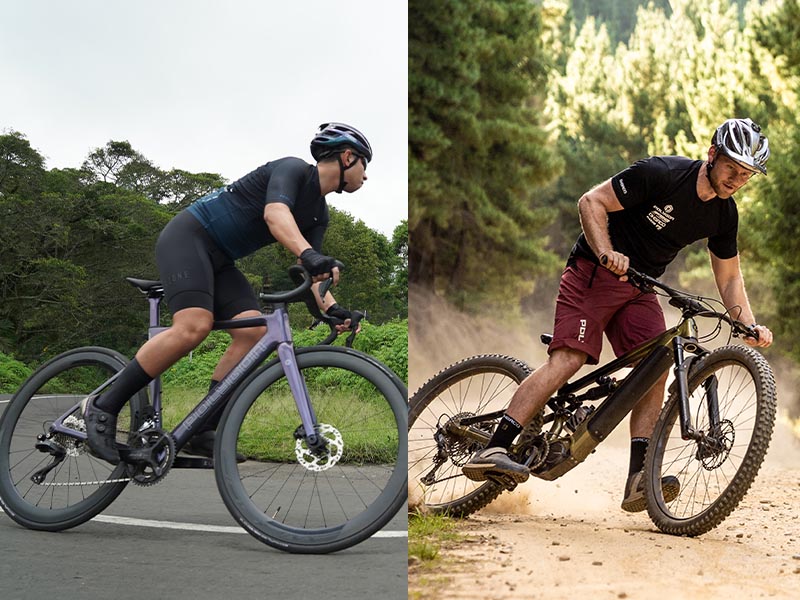
Credit: www.polygonbikes.com
Learning From Others
Mountain biking is social. Riding with others helps you learn and improve.
Group Rides
Joining group rides is a great way to gain experience.
- Local clubs often organize rides for different skill levels.
- You’ll see new trails and learn from others’ mistakes.
- Group rides push you to try new skills.
Don’t worry about speed. Focus on learning.
Coaching And Lessons
Professional coaching makes a huge difference. Coaches teach technique, safety, and confidence.
- Look for certified instructors in your area.
- Many offer beginner or advanced classes.
Even one lesson can improve your skills more than months of solo practice.
Watching And Reading
There are many resources:
- Online videos show techniques and trails.
- Books explain skills and training.
Use resources like IMBA (International Mountain Bicycling Association) for rules and tips.
Avoiding Common Mistakes
Many beginners repeat the same errors. Knowing them saves time and frustration.
- Skipping warm-up: Always warm up before riding to prevent injury.
- Staring at obstacles: Look ahead, not at your front wheel.
- Using only rear brake: Use both brakes for control.
- Riding too fast: Go slow on new trails.
- Ignoring bike maintenance: Keep your bike clean and working.
- Not carrying enough water: Hydration is vital. Bring at least 500ml per hour.
- Wearing the wrong clothing: Use moisture-wicking shirts and padded shorts.
- Not adjusting tire pressure: Lower pressure for rough terrain, higher for smooth trails.
- Riding alone in remote areas: Go with a friend or tell someone your route.
- Overestimating abilities: Build skills slowly and avoid dangerous trails at first.
These mistakes are easy to avoid if you stay aware.

Credit: www.bicycling.com
Advanced Skills For Experienced Riders
Once you master basics, try these advanced techniques.
Manual And Bunny Hop
- Manual: Lift front wheel and ride balanced. Practice on flat ground.
- Bunny hop: Jump over obstacles using both wheels. Start small—curbs or roots.
These skills help you clear obstacles safely and impress your friends.
Jumping
Small jumps add fun. Start with easy jumps:
- Approach at moderate speed.
- Compress your body, then push up as you leave the lip.
- Land with knees bent, absorbing impact.
Don’t try big jumps until you’re ready. Watch experts and practice on safe ramps.
Riding Technical Trails
Technical trails have rocks, roots, and narrow paths.
- Stay relaxed.
- Pick a line before you reach obstacles.
- Use momentum to roll through rough spots.
Experienced riders focus on smoothness, not speed.
Night Riding
Night rides are exciting. Use these tips:
- Use a strong front light (at least 500 lumens).
- Wear reflective clothing.
- Ride familiar trails—avoid surprises.
Night riding improves your focus and builds confidence.
Nutrition And Hydration
What you eat and drink affects your riding.
Before Your Ride
Eat a light meal 1–2 hours before riding:
- Oatmeal, fruit, or yogurt for energy.
- Avoid heavy or greasy foods.
Drink water before you start.
During Your Ride
Bring snacks and water:
- Energy bars, bananas, or nuts.
- Drink every 15–20 minutes, even if not thirsty.
Dehydration causes fatigue and mistakes.
After Your Ride
Recover with protein and carbs:
- Sandwiches, eggs, or smoothies.
- Stretch to prevent soreness.
Good nutrition helps you ride longer and recover faster.
Mental Skills And Confidence
Mountain biking is not only physical. Mental strength matters.
Setting Goals
Set clear goals:
- Ride a new trail each month.
- Improve a skill (cornering, jumping).
- Join a race or group ride.
Goals keep you motivated.
Dealing With Fear
Everyone feels nervous sometimes. To overcome fear:
- Break challenges into small steps.
- Ride with friends for support.
- Celebrate progress, not perfection.
Confidence grows with practice.
Focus
Stay present on the trail. Avoid distractions. If you lose focus, stop and reset.
Mental skills are as important as physical ones.
Sustainable Mountain Biking
Respecting nature and trails helps everyone.
- Stay on marked paths.
- Don’t litter—pack out trash.
- Avoid riding wet trails; it damages them.
- Volunteer for trail maintenance if possible.
Sustainable riding protects trails for the future.
Frequently Asked Questions
What Is The Best Mountain Bike For Beginners?
A hardtail bike is usually best for beginners. It’s affordable, easier to maintain, and handles most trails. Choose a bike that fits your size, with quality tires and brakes.
How Do I Improve My Cornering Skills?
Practice looking ahead, leaning your bike into turns, and starting wide. Try slow speeds first, then increase as you gain confidence. Watch videos or join group rides to learn from others.
How Often Should I Maintain My Mountain Bike?
Clean your bike after muddy rides, lubricate the chain weekly, and check brakes and gears before every ride. Monthly checks for bolts and bearings keep your bike working well.
Is Mountain Biking Safe?
Mountain biking is safe if you use the right gear, follow trail rules, and ride within your limits. Always wear a helmet, gloves, and eye protection. Start on easy trails and build up.
What Is The Best Way To Build Endurance For Mountain Biking?
Ride longer each week, mix easy and hard rides, and cross-train with running or swimming. Eat well and drink water. Rest days are important for recovery.
Mountain biking is a journey. Every ride teaches you something new—about your bike, the trails, and yourself. Improving means learning skills, training smart, and respecting nature. You don’t need to be the fastest or bravest; just keep riding, stay safe, and enjoy the adventure.
With practice and patience, you’ll become a better mountain biker and create memories that last a lifetime.

Hello Guys! I am John Reese, a professional biker and my hobby is biking! I have been biking for last 12 years and I love using bikes while outing as well. Based on my experiences with the different type of bikes (mountain bikes, road bikes and hybrid bikes); I am sharing my opinion about various bikes so that a beginner can get started right away. Happy reading!