
Becoming a mountain bike instructor is much more than just riding trails and teaching others to pedal. It’s about sharing your passion, making the sport safe, and helping others gain confidence on rugged terrain. Many people love mountain biking, but only a few take the step to become instructors. If you’re thinking about this career, you’re probably wondering: What does it take? How do you get certified? Is there real demand for instructors? This article will guide you through every stage, from skills and certifications to practical tips for success. Whether you dream of teaching kids, guiding tourists, or running your own bike school, this guide will help you start strong.
What Does A Mountain Bike Instructor Do?
A mountain bike instructor is responsible for teaching people how to ride safely and skillfully on off-road trails. Their main goal is to help riders improve their technique, avoid injuries, and enjoy the sport. This job involves much more than basic instruction.
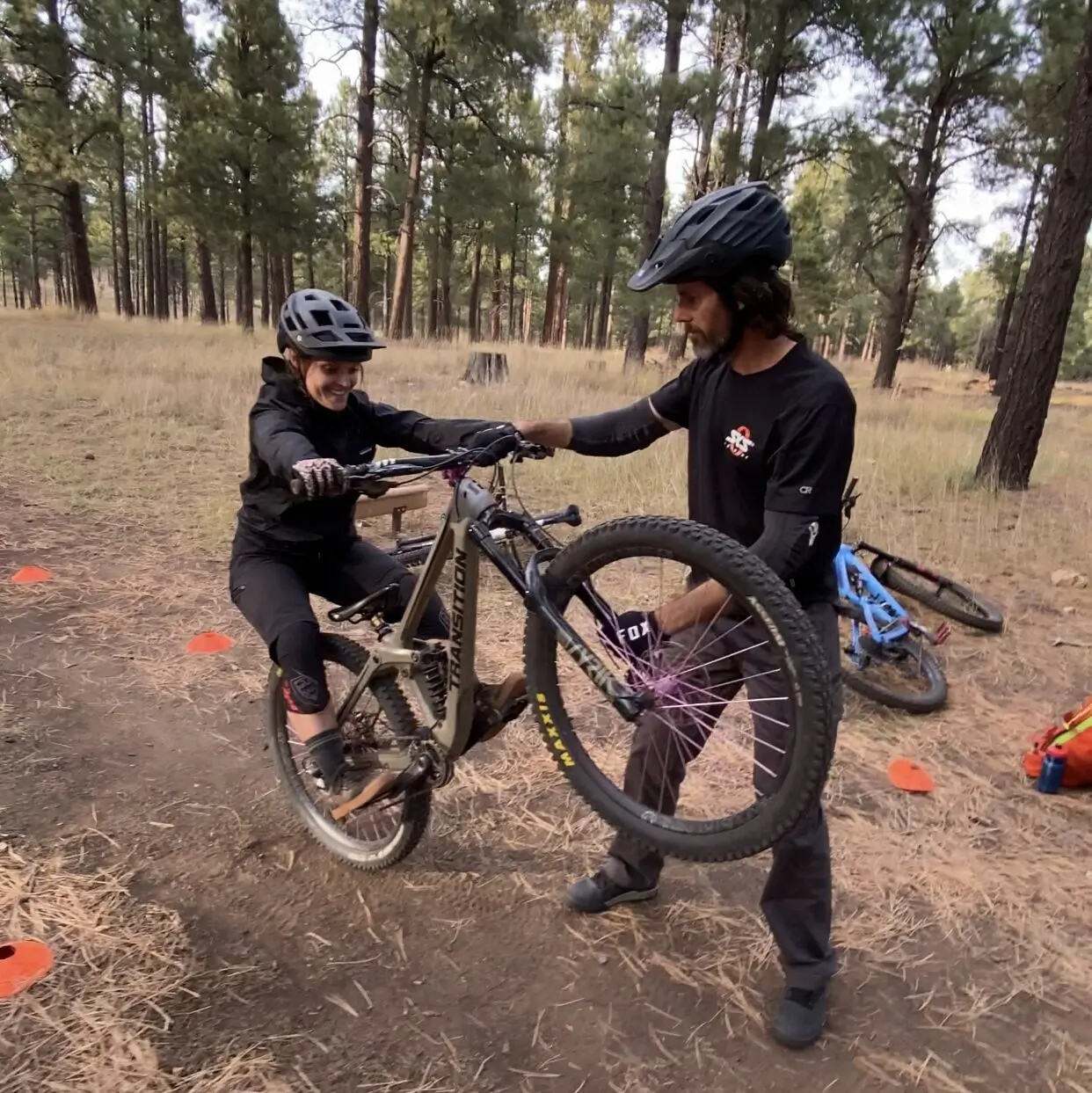
You’ll work with beginners, intermediate riders, and sometimes advanced bikers who want to learn new tricks. Some instructors teach one-on-one, while others manage groups. You might work at resorts, bike parks, schools, or even run your own private lessons.
Here are some typical duties:
- Demonstrating correct body position and bike control
- Teaching braking, cornering, climbing, and descending
- Explaining trail etiquette and safety rules
- Assessing rider skills and adjusting lessons to their level
- Leading guided rides and supervising group outings
- Providing emergency support if needed
Experienced instructors also help with trail maintenance, organize events, and sometimes lead multi-day tours. You’ll need to be patient, observant, and good at explaining concepts simply. The best instructors build trust and make learning fun.
Mountain bike instructors often play a bigger role than expected. For example, you might need to motivate a nervous beginner who is afraid of steep descents, or help a rider regain confidence after a fall. You may also be asked to organize outings for special groups, such as corporate team-building events, or design custom programs for schools.
Another important part of the job is problem-solving. Sometimes, students arrive with broken bikes or unsuitable equipment. You must quickly assess the situation and suggest safe alternatives. Instructors also help students set realistic goals and monitor their progress, so each rider feels accomplished after every lesson.
Working conditions can vary. Some days are spent outdoors in good weather, while others require teaching in rain, cold, or even snow. You’ll need to adapt your lessons to changing trail conditions and keep everyone safe. Many instructors also help with promotional activities, such as hosting demo rides or attending local bike festivals.
Essential Skills And Qualities
Mountain bike instructors need a mix of technical skills and personal qualities. Riding ability is important, but teaching skills matter even more.
Technical Riding Skills
You must be comfortable on different types of terrain: rocky, muddy, steep, and loose. This includes:
- Confident handling on singletrack, switchbacks, and technical features
- Knowledge of basic bike repairs (chain, tires, brakes)
- Understanding gear selection and shifting
- Ability to demonstrate correct technique at slow speeds
Most instructor courses require you to show these skills before certification.
As an instructor, you’ll often ride trails that push your limits, so knowing how to recover from slips or drops is valuable. You’ll also need to recognize when a student’s bike is not suitable for a lesson—an old bike with poor brakes or worn tires can be a safety risk.
Being able to fix minor mechanical issues quickly will earn trust and keep lessons moving.
Teaching And Communication
You’ll need to explain techniques clearly, adapt to different learning styles, and encourage riders. Good instructors:
- Break down complex moves into simple steps
- Use visual and verbal cues
- Stay calm and positive, even when students struggle
- Give constructive feedback without discouraging learners
Strong communication helps you connect with all types of students. For example, some riders prefer seeing a demonstration, while others understand better by listening. You must be able to adjust your style, whether you’re teaching a shy child or a confident adult.
One non-obvious tip: Use metaphors and simple comparisons. For instance, describing cornering as “leaning like a skier” can help beginners visualize the movement. Also, avoid technical jargon unless you’re sure your students understand.
Safety Awareness
Safety is a core part of the job. You must recognize hazards, teach risk management, and handle emergencies. Basic first aid skills are strongly recommended.
You’ll need to spot unsafe behavior, such as a rider trying to tackle a jump before mastering basic balance. Teach students to check their bikes before every ride. If an accident happens, your calm response can prevent panic and keep everyone safe.
Leadership And Responsibility
Guiding groups means being organized and reliable. You must:
- Plan lessons and routes in advance
- Check equipment and trail conditions
- Keep records of student progress
- Manage group dynamics and resolve conflicts
Leadership also means setting a good example. If you’re positive and respectful, students will follow your lead. Handling disputes gently—such as when two riders argue over trail etiquette—shows professionalism.
Physical Fitness
Mountain biking is demanding. You should have:
- Good endurance for long rides
- Upper and lower body strength
- Quick reflexes and balance
Being fit helps you demonstrate skills and handle unexpected situations.
Physical fitness is more than stamina; you need flexibility and coordination, especially for teaching advanced moves. You may be asked to ride multiple sessions in a day, so recovery strategies like stretching and hydration are important.
Non-obvious Insights
Many beginners overlook the need for empathy and patience. Not every rider learns at the same speed, and you’ll often teach people who are nervous or unsure. It’s also important to anticipate mistakes before they happen, which comes from experience and careful observation.
An extra insight: The ability to read group energy is valuable. If your group is tired or distracted, slow down and review basics. If everyone is excited, introduce a new challenge. Adapting in real time makes lessons more effective.

Credit: www.eamountainbike.com
Certification And Training
If you want to work as a mountain bike instructor, formal certification is almost always required. Certification shows you understand safety, teaching methods, and technical skills.
Major Certification Organizations
Several groups offer recognized instructor certifications:
- Professional Mountain Bike Instructor Association (PMBIA)
- Bike Instructor Certification Program (BICP)
- International Mountain Bicycling Association (IMBA)
Each group has its own training courses and standards. Research which is best for your area and career goals.
Some regions or employers prefer certain certifications. For example, PMBIA is widely accepted in Canada and Europe, while BICP is popular in the US and Latin America. IMBA offers programs focused on trail stewardship alongside instruction.
Certification Levels
Most organizations offer multiple levels. Here is a comparison:
| Certification Level | Typical Requirements | What You Can Teach |
|---|---|---|
| Level 1 (Beginner) | Basic riding skills, safety, first aid | Beginner lessons, kids, introductory classes |
| Level 2 (Intermediate) | Advanced riding, group management | Intermediate riders, group sessions |
| Level 3 (Advanced) | Technical skills, guiding, emergency response | Advanced riders, tours, specialized clinics |
Higher levels often include topics like risk management, guiding in remote terrain, and advanced mechanics. Some certifications also require you to demonstrate teaching ability, not just riding skill.
Typical Certification Process
- Prerequisites: Most courses require you to be over 18, have basic first aid certification, and show riding ability.
- Training Course: Lasts 2–5 days. Includes classroom learning and practical riding tests.
- Assessment: You must pass written and practical exams.
- Certification: If successful, you’ll receive a certificate valid for 2–3 years.
- Renewal: Most certificates require renewal through additional courses or practice hours.
Courses usually blend theory and practice. You’ll study lesson planning, risk management, and then practice teaching with real students. Assessments often involve teaching a mock lesson under supervision.
Costs
Certification courses usually cost $350–$750 depending on the level and location. You might also pay for travel, accommodation, and equipment.
Some organizations offer scholarships or discounts, especially for instructors working with youth or underserved communities.
Non-obvious Insights
A common mistake is choosing a certification based only on price or speed. The best course is not always the cheapest. Look for programs that offer real-world teaching practice and ongoing support.
Another insight: Ask about post-certification support. Some programs provide mentoring, job boards, or networking opportunities, which can help you find work faster.
Building Experience And Practice
Certification is just the first step. Real expertise comes from hands-on teaching.
Practice Teaching
Start by teaching friends, family, or volunteering at local bike clubs. This helps you:
- Gain confidence explaining skills
- Learn to manage groups
- Get feedback on your teaching style
Even simple practice, like guiding a neighbor through basic turns, helps you refine your explanations. You’ll notice which cues work best and which confuse learners.
Shadowing Experienced Instructors
Ask to observe or assist established instructors. You’ll learn how they organize lessons, handle problems, and engage students.
Shadowing lets you see how experts deal with unexpected issues, such as a student freezing mid-ride or a group losing focus. Take notes on how they redirect attention or break down complex skills.
Keeping A Teaching Log
Record every lesson you teach:
- Date, rider skill level, lesson focus
- What went well and what needs improvement
This log helps you see progress and identify areas to develop.
Reviewing your log monthly can highlight patterns, such as common mistakes students make or topics that need clearer explanation.
Continuing Education
Attend workshops, clinics, and advanced courses. Stay updated on new techniques and safety standards.
Online seminars and instructor meetups are also valuable. They offer new teaching methods and ideas for keeping lessons fresh.
Common Beginner Mistakes
Many new instructors try to teach too much in one lesson. Focus on a few key skills and repeat them until students are comfortable. Also, avoid using technical jargon—keep language simple and clear.
Another mistake is not checking student understanding. Ask riders to repeat instructions or demonstrate skills to make sure they’ve learned. Don’t assume everyone followed your explanation.
Finding Work And Building A Career
After certification and practice, you can look for paid work. There are several ways to start:
Working For Bike Parks And Resorts
Many resorts hire instructors for seasonal work. You’ll teach tourists, families, and groups. These jobs often provide steady income and a structured schedule.
Resort work can include organizing group rides, teaching drop-in clinics, or guiding visitors on scenic trails. You may also help maintain rental bikes or lead safety briefings.
Joining Outdoor Education Programs
Schools, youth camps, and community organizations need mountain bike instructors. These roles focus on teaching kids and beginners.
Teaching children requires extra patience. You’ll adapt lessons to different ages and skill levels, sometimes using games or simple challenges to keep kids engaged.
Private Coaching And Freelance Work
You can offer private lessons to individuals or small groups. This gives flexibility but requires marketing and self-management.
Freelance work lets you set your schedule. You can specialize in skills clinics, confidence-building sessions, or advanced coaching for competitive riders.
Starting Your Own Bike School
Experienced instructors sometimes open their own schools or clinics. This requires business skills, marketing, and insurance.
Running a school means handling bookings, payments, and customer service. You may need to hire other instructors as your business grows.
Job Market Data
According to the Outdoor Industry Association, mountain biking is one of the fastest-growing outdoor sports in the US. In 2023, over 8.6 million Americans tried mountain biking at least once. The demand for instructors increases with new bike parks and trail networks.
In other countries, such as New Zealand and Switzerland, mountain biking is a key tourism activity, creating year-round jobs for certified instructors.
Networking And Building Reputation
Attend industry events, join professional organizations, and connect with other instructors online. Word-of-mouth and positive reviews help you grow your client base.
Volunteer at local races or charity rides. These events let you meet riders, showcase your skills, and build relationships.
Non-obvious Insights
Many instructors overlook the importance of insurance. Always have liability coverage, especially if you teach privately. Also, make sure you have a clear cancellation policy to avoid problems with clients.
Another tip: Build a referral network with bike shops and repair services. If you help a student fix their bike, recommend a trusted shop. Shops may refer clients to you in return.
Equipment And Gear
A mountain bike instructor must have reliable gear for both teaching and personal safety.
Choosing A Bike
Pick a bike that matches your teaching style and terrain:
- Trail bikes: Good for varied terrain, most lessons
- Enduro bikes: For steeper, technical trails
- Hardtail bikes: Simple and low maintenance, good for beginners
You’ll want a bike that’s easy to maintain and comfortable to ride for hours. If you teach in different locations, having a portable and durable bike is helpful.
Essential Equipment
- Helmet (certified, fits well)
- Gloves
- Knee and elbow pads
- Comfortable shoes
- Water bottle or hydration pack
- Basic repair kit (pump, tire levers, multi-tool)
A hydration pack is especially useful if you spend hours on the trail. Make sure your helmet meets safety standards and replace it after any hard impact.
Instructor-specific Gear
You may also need:
- First aid kit
- Radio or phone for emergencies
- Lesson plans and progress charts
- Trail maps
If you teach in remote areas, consider a GPS device or satellite messenger. Always carry a printed trail map in case electronic devices fail.
Maintenance
Keep your bike clean and well-maintained. Regular checks prevent breakdowns during lessons.
Do a quick check before every lesson: brakes, chain, tires, and bolts. This prevents interruptions and shows students the importance of maintenance.
Gear Comparison Table
Here’s a quick overview of common instructor gear:
| Item | Purpose | Recommended Brands |
|---|---|---|
| Helmet | Safety | Giro, Bell, Fox |
| Gloves | Grip, protection | Troy Lee Designs, Pearl Izumi |
| Pads | Joint protection | POC, G-Form |
| Bike | Riding, demonstration | Trek, Specialized, Giant |
| Repair kit | Fixing issues | Lezyne, Park Tool |
Non-obvious Insights
Don’t forget backup gear. Carry spare gloves, tubes, and snacks. If you teach in remote areas, always have a plan for emergencies—cell signal isn’t always reliable.
Another tip: Use brightly colored clothing. It helps students spot you easily, especially in dense forests or busy parks.
Credit: ridelikeaninja.com
Lesson Planning And Teaching Methods
A good lesson plan makes teaching easier and safer.
Structuring Lessons
Start each lesson with:
- Warm-up and bike check: Make sure everyone’s equipment is safe.
- Skill introduction: Explain what you’ll teach and why.
- Demonstration: Show the skill slowly and clearly.
- Practice: Let students try, watch, and give feedback.
- Cool-down and review: Summarize what was learned and answer questions.
Warm-ups can include simple riding drills, stretching, or games to loosen up. Always check bikes for loose parts or worn brakes before starting.
Adapting To Skill Levels
Beginners need simple, slow-paced lessons. Advanced riders can handle more complex skills and faster feedback. Always adjust your plan to match the group.
For mixed groups, use a “buddy system” so advanced riders help beginners. This creates teamwork and builds confidence.
Teaching Techniques
- Use hands-on practice instead of long explanations.
- Encourage questions and repeat key points.
- Use clear language and avoid technical terms.
Demonstrate each skill from different angles—front, side, and behind—so everyone can see. Repeat moves several times and invite students to ask for another demonstration.
Assessment
Check progress regularly. Use simple tests like riding a short section, braking quickly, or cornering. Celebrate small successes to build confidence.
Offer verbal praise and constructive suggestions. For example, “Great job leaning into the turn! Next time, try looking ahead more. ”
Common Mistakes
Many instructors forget to demonstrate slowly. Students learn better when they see each move step-by-step. Also, avoid overloading lessons with too much information.
Another mistake: Not allowing enough practice time. Let students repeat skills until they feel comfortable, even if it takes longer than planned.
Safety And Risk Management
Safety is crucial for mountain bike instructors. You’re responsible for your students’ well-being.
Pre-lesson Safety Checks
- Inspect bikes for damage
- Check helmet and pads fit
- Review route for hazards
- Confirm emergency contacts
Always ask about allergies or medical conditions before the ride. Have a backup plan if weather changes or trails are closed.
Teaching Safe Techniques
Focus on body position, braking, and avoiding dangerous moves. Teach students to scan trails and recognize obstacles.
Demonstrate how to fall safely—rolling or sliding instead of stiffening up. Show how to walk sections if they feel unsafe.
Emergency Procedures
Have a clear plan for injuries or accidents:
- Know the nearest medical center
- Carry a first aid kit
- Keep a phone and emergency numbers handy
- Train in basic first aid and CPR
Practice emergency drills with your group. For example, role-play what to do if someone crashes on a steep descent.
Insurance And Liability
Always check local laws and get liability insurance. Many instructors use waivers for students.
Review waivers before every lesson. Make sure students understand what they’re signing and answer any questions.
Non-obvious Insights
Don’t assume every student understands risk. Always explain potential dangers, even if they seem obvious to you. Encourage students to report discomfort or equipment problems.
Another tip: Have a buddy system for longer rides. Assign pairs so everyone has someone to watch out for them.
Marketing Yourself As An Instructor
If you want to build a business or freelance career, marketing is essential.
Creating A Professional Image
- Build a simple website with your bio, certifications, and services
- Use social media to share tips, photos, and student stories
- Ask clients for reviews and testimonials
High-quality photos and videos help clients see your teaching style. Share before-and-after stories—how you helped a nervous rider become confident.
Pricing And Packages
Research local rates. Typical private lessons cost $40–$100 per hour depending on location and instructor experience. Offer group discounts and seasonal packages.
Create packages for families, youth, or advanced riders. For example, offer a “confidence clinic” for beginners or a “jump session” for advanced students.
Reaching Clients
- Partner with bike shops and clubs
- Attend local events and races
- Offer free clinics to attract beginners
Bike shops are great partners—they often refer clients who buy new bikes and want lessons. Offer joint events or special discounts.
Digital Marketing
Use tools like Google My Business and Facebook to reach local riders. Share videos and short tips to show your expertise.
Respond quickly to online inquiries and keep your profiles updated with new testimonials.
Comparison: Marketing Channels
| Channel | Cost | Reach | Best For |
|---|---|---|---|
| Website | Low–Medium | Local & wider | Professional image |
| Social Media | Free–Low | Wide | Engagement, sharing |
| Partner Shops | Free | Local | Direct referrals |
| Events | Medium | Local | Networking |
Non-obvious Insights
Many instructors ignore online reviews. Ask every client for feedback and respond professionally. Also, use short videos to show your teaching style—this helps clients see what to expect.
Another tip: Offer free content, like “how-to” videos or printable checklists. This builds trust and shows your expertise.
Professional Development And Growth
Mountain bike instruction is a dynamic field. To stay current and grow, keep learning.
Advanced Certifications
Consider moving up to higher certification levels. This allows you to teach more complex skills and lead tours.
Some certifications include specialized topics, such as adaptive biking for riders with disabilities or coaching competitive athletes.
Attending Industry Events
Attend expos, races, and instructor seminars. Meet other professionals and learn about new trends.
Participating in races, even as a volunteer, helps you understand the competitive side of the sport and network with advanced riders.
Joining Professional Associations
Groups like PMBIA and BICP offer resources, networking, and continued education.
Membership often includes access to job boards, teaching materials, and insurance discounts.
Expanding Skills
Learn related skills such as trail building, bike mechanics, or coaching other sports. This makes you more versatile and opens new career paths.
Trail building is especially valuable. Many schools and clubs want instructors who can help maintain and improve riding areas.
Non-obvious Insights
Don’t forget to practice your own riding. Many instructors focus so much on teaching, they neglect their own skills. Stay active and challenge yourself to grow.
Another insight: Try teaching in different environments, such as urban parks or mountain regions, to broaden your experience.

Credit: www.eamountainbike.com
International Opportunities
Mountain bike instruction is popular worldwide. Many instructors work in different countries, especially in Europe, Canada, Australia, and New Zealand.
Work Abroad
Some resorts and schools hire international instructors. Requirements include:
- Recognized certification (often PMBIA or BICP)
- Work visa or permits
- Language skills (English is common, but local languages help)
International jobs may offer unique benefits, such as travel allowances or housing. Research visa rules early—they can take months to process.
Teaching Styles
Different countries have unique teaching styles and expectations. Research local norms and adapt your lessons.
For example, in France, group lessons are common, while in Australia, one-on-one coaching is preferred. Adjust your approach to match local culture.
Adventure Travel
Guiding mountain bike tours combines teaching with adventure travel. You can lead trips in famous locations like Whistler (Canada), Moab (USA), or the Alps.
Tour guiding requires extra planning, including logistics, meals, and safety protocols. It’s a rewarding option for instructors who love travel.
Non-obvious Insights
International work can be seasonal. Plan for off-season income or combine instruction with other outdoor jobs.
Also, check insurance requirements—they may differ by country.
The Future Of Mountain Bike Instruction
The mountain bike industry is changing fast. New technology, trail development, and growing interest mean instructors must adapt.
Trends
- E-bikes: More riders are using electric bikes, which require new teaching methods
- Virtual clinics: Online classes and video analysis are becoming popular
- Women’s and youth programs: Growing demand for specialized instruction
E-bikes are popular with older riders and beginners. Learn how to teach safe e-bike techniques, including battery care and speed control.
Data
According to IMBA, bike parks in the US have grown by 35% since 2017. This creates more jobs for instructors.
Virtual clinics allow you to reach students far away. Use video calls and online tools to coach riders on technique and review their progress.
Staying Ahead
Stay informed about trends and update your skills regularly. Offer new services like e-bike clinics or online coaching.
Adapt your marketing and teaching methods for new audiences, such as youth and women’s groups.
Non-obvious Insights
Don’t ignore the power of community. Local bike clubs and advocacy groups often need instructors for events and outreach.
Another tip: Be open to feedback from students. Their suggestions can help you improve lessons and adapt to new demands.
Frequently Asked Questions
How Long Does It Take To Become A Certified Mountain Bike Instructor?
The process usually takes 2–6 weeks depending on the course and your experience. Training courses last a few days, but you might need extra practice before assessment.
If you’re new to teaching, plan extra time for practice. Some instructors shadow others before attempting certification.
Do I Need To Be An Expert Rider To Become An Instructor?
You don’t need to be a professional racer, but you should be confident on varied terrain and able to demonstrate basic and intermediate skills.
If you’re unsure, take a skills clinic before enrolling in certification.
What Does Mountain Bike Instructor Certification Cost?
Certification typically costs $350–$750. You may also pay for travel, accommodation, and equipment.
Some organizations offer payment plans or discounts for group bookings.
Is There Demand For Mountain Bike Instructors?
Yes, demand is growing as more people take up mountain biking. Resorts, schools, and clubs need instructors, especially in areas with new trails.
Demand is especially high during spring and summer. Plan ahead for seasonal work.
Where Can I Find More Information About Certifications?
You can learn more from the PMBIA official site, which offers details on courses, requirements, and instructor networks.
Mountain bike instruction is an exciting and rewarding career. You help people discover a new sport, build their confidence, and enjoy the outdoors. With the right training, attitude, and business skills, you can turn your passion into a sustainable job.
Remember to keep learning, stay safe, and share your enthusiasm—the world needs more skilled instructors.

Hello Guys! I am John Reese, a professional biker and my hobby is biking! I have been biking for last 12 years and I love using bikes while outing as well. Based on my experiences with the different type of bikes (mountain bikes, road bikes and hybrid bikes); I am sharing my opinion about various bikes so that a beginner can get started right away. Happy reading!