
Becoming a faster mountain biker is more than just pushing harder on the pedals. It’s about smart training, technique, bike setup, and mental focus. Whether you’re a beginner or already riding trails with confidence, speed comes from understanding how all these parts fit together.
The thrill of mountain biking is not just in going fast, but in mastering control, flow, and efficiency. This article will guide you through practical steps, expert insights, and real examples to help you ride faster and safer on any terrain.
Improving Your Fitness For Speed
Speed starts with your body. The stronger and more conditioned you are, the faster you’ll ride. Fitness is your foundation—without it, even the best skills or bikes won’t help you reach your top speed.
Cardio Training
Mountain biking demands strong cardiovascular endurance. Trails often require bursts of effort and long climbs. Aim for regular cardio exercises, such as:
- Interval training: 30 seconds of hard effort, 1 minute easy, repeat 10–15 times.
- Long rides: At least 90 minutes once a week at a steady pace.
Studies show that riders who do intervals twice a week improve average speed by 10–15% over two months. If you find it hard to motivate yourself, try using a heart rate monitor. Keeping your heart rate in the right zone helps you push enough without burning out too early.
Extra tip: Don’t skip warm-ups. Even five to ten minutes of easy spinning before your ride will help your body prepare for hard efforts and reduce injury risk.
Strength And Core Work
A strong core helps you stay stable and efficient on rough ground. Focus on:
- Planks, side planks, and Russian twists (3–4 times per week)
- Squats and lunges for leg power
- Push-ups for upper body strength
Even pro riders spend 20–30% of their training time off the bike, building muscle and stability. Strength training also helps prevent fatigue during long descents or technical climbs. Many riders notice big improvements after just a month of regular off-bike workouts.
Extra example: If you struggle with back pain or arm pump, weak core muscles are usually the cause. Adding core exercises and grip strengtheners like dead hangs can make a noticeable difference.
Flexibility And Mobility
Fast riders don’t just have strong legs; they are also flexible. Stretching after rides helps prevent injuries and keeps you agile. Try dynamic stretches before riding and static stretches afterward.
Non-obvious insight: Tight hips are a common limiter for mountain bikers. Opening your hips with stretches like pigeon pose can help you move better on technical terrain. Yoga or mobility routines can also ease lower back pain and improve your ability to shift body position quickly.
Extra example: Many riders with flexible hamstrings and hips can stand longer on descents and recover faster after hard efforts, because their muscles don’t resist sudden movements.
Mastering Bike Handling Skills
Technique is the secret sauce for speed. Many riders think fitness is everything, but good handling makes you faster with less effort. When you handle your bike well, you save energy and stay safe—even at higher speeds.
Cornering
Good cornering saves huge amounts of time. Here’s how to corner faster:
- Look ahead: Your bike follows your eyes.
- Lean your bike, not your body.
- Push down on the outside pedal.
- Brake before the turn, not during.
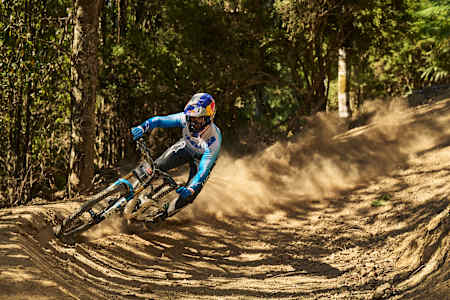
Practice cornering on local trails or even in parking lots. Try timing yourself through a series of cones to track progress. A small change in cornering can make a big difference on the trail. For example, pro riders often say they focus more on their line and entry speed than on braking late.
Extra tip: For loose corners, lower your tire pressure slightly for more grip and open your knees to help the bike lean.
Braking
Fast riders know when NOT to brake. Use only one or two fingers on the levers. Brake before obstacles, then release to roll through smoothly.
Common mistake: Many beginners brake too much, especially on downhill sections. This slows you down and can cause loss of control. Try practicing “feathering” the brakes—using light, quick touches instead of grabbing hard.
Extra example: Watch race videos. Top riders rarely touch their brakes through smooth corners and use the terrain to slow down naturally.
Body Position
Keep your weight centered and low. On descents, shift your hips back. On climbs, move forward. This helps your tires grip the ground and lets you react quickly. Keep your elbows bent and your hands relaxed; tight arms make it harder to react.
Extra tip: On rough sections, “hover” above the seat. Stand with soft knees and elbows, letting the bike move under you. This technique, called the “attack position,” is the foundation for all advanced handling.
Bunny Hops And Manualing
Learning to bunny hop lets you clear roots, rocks, and small drops without slowing down. Manuals (lifting the front wheel and balancing) help you stay fast over rollers and obstacles.
Example: In a time trial, riders who bunny hop small obstacles save 3–5 seconds per minute compared to those who roll over. If you find bunny hops hard, start by practicing front wheel lifts and rear wheel lifts separately.
Extra practice: Set up small sticks or cones in your yard and try hopping over them. Even a few inches will build confidence and skill.
Optimizing Bike Setup For Speed
The right bike setup is crucial for speed and safety. Small changes can make a big difference. Adjusting your bike for your body and terrain is worth more than expensive upgrades.
Tire Choice And Pressure
Your tires connect you to the trail. Choose tread pattern based on terrain:
- Aggressive tread for loose or muddy trails
- Low-profile tread for dry, hard-packed trails
Check tire pressure before every ride. Lower pressure (20–25 psi) gives more grip but can be slower on smooth surfaces. Higher pressure (30–35 psi) rolls faster but loses traction.
| Terrain | Tread Type | Pressure (psi) | Speed Impact |
|---|---|---|---|
| Loose/Muddy | Aggressive | 20–25 | Better grip, moderate speed |
| Hard-packed | Low-profile | 30–35 | Less grip, higher speed |
| Rocky | Mixed | 25–30 | Balance of speed and control |
Extra example: If you often ride mixed terrain, consider a front tire with aggressive tread for grip and a rear tire with low-profile tread for speed.
Suspension Setup
Suspension affects comfort and control. Set sag (how much the suspension compresses under your weight) to 20–30% of travel for most riding. Adjust rebound so the bike feels responsive, not too bouncy.
Non-obvious insight: Many riders ignore rebound. Fast rebound means your bike is ready for the next bump quickly, but too fast can make it unstable. Mark your settings and experiment on different trails to find the best balance for your weight and style.
Extra tip: Clean your suspension stanchions (the shiny parts) after every ride. Dirt can damage seals and slow your suspension response.
Gearing
Choose the right gear for each section. On climbs, use lower gears for steady cadence. On descents, shift higher to keep momentum.
Practical tip: Practice shifting before you reach steep sections. This prevents loss of speed and keeps your chain safe. Anticipate the terrain and shift early—this is what top racers do.
Extra insight: Avoid cross-chaining (using the smallest front and smallest rear or biggest front and biggest rear gear together). This wears out the chain and reduces efficiency.
Weight And Accessories
A lighter bike accelerates faster, but don’t remove important safety items like a good helmet or tools. If you race, consider lighter wheels or a carbon frame.
Data: A 2-pound lighter bike can improve average speed by 5–7% on hilly courses. However, sometimes a heavier but stronger tire or rim is worth it for fewer flats and better control.
Extra example: Riders who carry a water bottle or pack low and centered often feel more stable and can descend faster.
Trail Knowledge And Line Choice
Knowing the trail is as important as fitness. Fast riders memorize turns, obstacles, and the best lines. Riding the same trail several times helps you spot hidden roots or faster paths.
Pre-riding And Scouting
Ride new trails slowly first, looking for tricky spots. Watch other riders and see which lines they take.
Example: On technical descents, the inside line might be faster but riskier. The outside line is safer but slower. Choose based on your skill.
Extra tip: Walk tricky sections the first time. Notice where other riders brake or hesitate. Sometimes the best line is not the obvious one.
Reading The Terrain
Look for features like berms, rocks, and roots. Berms (banked turns) let you carry speed. Avoid loose rocks or deep mud if possible. Reading the terrain quickly is a skill you can practice—try to predict what’s coming next and adjust your speed before you reach it.
Extra example: On wet days, dark patches often mean slippery mud or roots. Light patches can be dry and grippy. Train your eyes to spot these differences.
Timing Your Effort
Push hard on smooth sections, recover on technical parts. This helps you stay fast without burning out.
| Trail Feature | Best Line | Speed Benefit |
|---|---|---|
| Bermed Corner | High on entry, low on exit | +20% faster exit speed |
| Rock Garden | Straight, minimal turns | +10% faster, less risk |
| Loose Gravel | Stay wide, avoid deep patches | +15% more control |
Extra insight: Save your strongest efforts for sections where speed matters most, like uphill sprints or flat-out descents.
Using Landmarks
Pick landmarks like trees, rocks, or signs to remind yourself when to brake or shift. This helps you react quickly and keeps your speed consistent.
Extra tip: If you ride in races, use colored tape or small markers to help remember lines during pre-rides.
Mental Strategies For Faster Riding
Speed is not just physical. Your mind plays a big role in how fast you ride. Mental strength helps you push through tough moments and try new skills.
Building Confidence
Believe in your skills. Practice technical sections repeatedly until you feel comfortable. Confidence helps you commit to lines and ride smoothly.
Extra example: If you’re nervous about drops or jumps, start with small ones and build up slowly. Celebrate each success to build positive memories.
Managing Fear
Everyone feels nervous on steep or fast sections. To manage fear:
- Focus on breathing
- Break the trail into small parts
- Visualize success before riding
Non-obvious insight: Many riders speed up after learning to control their breathing. Deep breaths calm nerves and help you react faster.
Extra tip: Tell yourself a positive phrase before tough sections, like “smooth and steady” or “I’ve got this.” Self-talk can change how your body reacts.
Staying Focused
Distracted riders make mistakes. Stay in the moment, watch the trail ahead, and ignore other worries. Use short cues like “look up” or “relax hands” to keep focused.
Extra example: If your mind wanders, stop for a minute, drink some water, and reset your focus.
Training Methods For Speed Improvement
Structured training helps you get faster over time. Mix different types of rides and workouts for the best results.
Interval Training
Short, intense bursts followed by recovery build speed and endurance.
- Example: Sprint for 30 seconds, easy for 1 minute, repeat 10 times.
Extra tip: Use a timer or phone app to track intervals. Consistency is more important than doing too much.
Group Rides
Riding with faster friends pushes you to improve. You learn new techniques and find better lines. Try to follow their wheel and notice where you lose ground.
Extra insight: Don’t be afraid to ask questions after the ride. Most experienced riders are happy to share their tips.
Skills Sessions
Set aside time for skills practice:
- Cornering
- Braking
- Bunny hops
- Manualing
Practical advisor tip: Keep a riding journal. Note what skills you practiced, how you felt, and your speed. This helps track progress and spot areas to improve.
Extra practice: Record yourself with a phone or action camera. Watching your riding can reveal habits you don’t notice on the trail.
Off-the-bike Training
Include running, hiking, or gym workouts to build overall fitness. Mix things up to avoid burnout. Activities like swimming or yoga can help balance your body and prevent overuse injuries.
Equipment Upgrades For More Speed
Sometimes, upgrading your gear can help you ride faster. But not all upgrades are equal. Choose improvements that match your riding style and goals.
Wheels And Tires
Lighter wheels accelerate quicker and roll faster. Tubeless tires lower weight and let you run lower pressure for better grip.
Extra insight: Switching to tubeless also reduces flat tires, saving time and frustration on the trail.
Brakes
High-quality brakes let you control speed with less effort. Hydraulic disc brakes are smoother and stronger than mechanical ones. Good brakes let you brake later and carry more speed into corners safely.
Drivetrain
A modern drivetrain (like 1×12) simplifies shifting and reduces weight. Fewer gears mean less confusion and more reliability.
Extra example: Many riders find they shift more smoothly and rarely drop a chain after upgrading to a clutch derailleur.
Suspension
Advanced suspension systems (with adjustable damping) help you ride faster on rough terrain. But remember, setup matters more than price.
| Upgrade | Speed Impact | Cost Range |
|---|---|---|
| Lighter wheels | +5–10% faster acceleration | $250–$800 |
| Tubeless tires | +3–5% faster, better grip | $80–$200 |
| Hydraulic brakes | +10% better control | $200–$500 |
| Modern drivetrain | +5–8% smoother shifting | $300–$900 |
Common mistake: Many riders spend money on upgrades without improving skills. Invest in lessons or coaching first—this often delivers bigger speed gains.
Extra tip: If you must choose one upgrade, go for better tires or brakes. These give the biggest performance and safety boost for your money.
Nutrition And Recovery
Speed comes from good energy and rest. What you eat and how you recover affects your performance. Consistent nutrition and sleep are as important as training.
Pre-ride Nutrition
Eat carbohydrates (like oats or bananas) 1–2 hours before riding. Drink water or a sports drink. Avoid heavy or greasy foods that can make you sluggish.
Extra tip: Add a little salt to your pre-ride meal on hot days to help with hydration.
During The Ride
For rides over 90 minutes, bring energy bars or gels. Drink regularly—dehydration slows you down.
Data: Even mild dehydration can drop performance by 5–10%. Set a timer on your watch to remind yourself to drink if you tend to forget.
Post-ride Recovery
After riding, eat protein (chicken, eggs, beans) and carbohydrates. Stretch and hydrate. Rest is just as important as training.
Practical tip: Use a foam roller to massage tired muscles. This speeds recovery and reduces soreness.
Extra insight: Try to get 7–9 hours of sleep, especially after hard training days. Sleep is when your body repairs and gets stronger.
Riding Techniques For Different Terrains
Each terrain needs a different approach. Changing your technique helps you stay fast and safe. Adaptability is key for mountain bikers.
Climbing
- Shift to a lower gear early.
- Keep your weight forward, chest close to handlebars.
- Pedal smoothly to avoid slipping.
Extra tip: Relax your grip and keep elbows slightly bent to maintain traction.
Descending
- Look ahead, not at your front wheel.
- Shift your weight back.
- Stay loose; let the bike move under you.
Extra example: On steep descents, drop your heels and keep your pedals level for more control.
Technical Sections
- Scan for the best line.
- Keep speed consistent, avoid sudden braking.
- Use short bursts of power to clear obstacles.
Experience-based guide tip: Practice on trails with mixed terrain. This builds versatility and helps you adapt to new challenges quickly.
Extra tip: If you stall on a tricky section, walk back up and try again. Repetition builds skill and confidence.
Advanced Tips From Pro Riders
Pro riders have tricks that help them stay fast. Here are some you can use:
- Pre-ride visualization: Before starting, mentally ride the trail and plan your lines.
- Split focus: Look ahead but use peripheral vision for obstacles.
- Micro-adjustments: Shift body weight slightly before corners or drops.
- Use momentum: Carry speed through obstacles instead of stopping.
- Trust your tires: If your setup is right, believe in your grip and commit to turns.
Case study: At a recent race, the winner saved 12 seconds per lap by using momentum through rock gardens and trusting tire grip.
Extra insight: Pros often use video analysis to spot mistakes and improve. Try filming your rides and reviewing them for small improvements.
Credit: www.redbull.com
Common Mistakes That Slow You Down
Avoid these errors if you want to get faster:
- Braking too much, especially on descents
- Poor body position (too upright or too far back)
- Ignoring tire pressure
- Not practicing skills regularly
- Riding the wrong gear for the terrain
Confident guidance: Fixing just one mistake can make you noticeably faster. Start with the easiest change—like adjusting tire pressure or practicing cornering.
Extra example: Riders often lose time by looking down at the front wheel instead of scanning ahead. Practice looking further up the trail.
Safety And Risk Management
Speed is fun, but safety comes first.
- Always wear a helmet and gloves.
- Check your bike before every ride (brakes, tires, suspension).
- Ride within your limits. Push yourself, but don’t risk injury for speed.
- Learn basic first aid in case of crashes.
Non-obvious insight: Most crashes happen when riders are tired or distracted. Take breaks, and stay focused.
Extra tip: Use a bell or call out when overtaking others on busy trails. Good trail etiquette helps everyone stay safe.
For more safety tips and mountain biking guidelines, check this IMBA Ride Guide.

Credit: www.youtube.com
Frequently Asked Questions
How Can I Quickly Improve My Speed On Mountain Bike Trails?
Start by practicing cornering and braking. Most riders lose speed in turns and when braking too much. Improve these skills and you’ll gain speed fast. Also, ride with faster friends—they help push your limits.
Extra tip: Use a GPS or speed app to measure your progress on the same trail sections.
What Is The Best Tire Pressure For Speed And Grip?
Tire pressure depends on your weight and trail conditions. For most riders, 25–30 psi works well. Lower pressure gives more grip but can slow you down on smooth trails. Adjust pressure before every ride.
How Important Is Suspension Setup For Speed?
Very important. Suspension that’s too soft wastes energy, too firm loses grip. Set sag between 20–30%, and adjust rebound so the bike feels responsive. Test your setup on different trails to find what works best.
Extra example: Mark your favorite settings with a small sticker on the fork or shock for easy reference.
Should I Upgrade My Bike Or Focus On Skills First?
Focus on skills first. Upgrading parts can help, but skill improvements deliver bigger speed gains. Invest in lessons or coaching, then consider upgrades like wheels or brakes.
What Nutrition Helps Me Ride Faster And Recover Better?
Eat carbohydrates before riding, and protein after. Drink water regularly during rides. For longer rides, carry energy bars or gels. Good nutrition and recovery help you train harder and ride faster.
Extra insight: Try different energy foods during training, not on race day, to avoid stomach problems.
Final Thoughts
Getting faster in mountain biking is a journey. It’s about smart training, skill practice, knowing your gear, and understanding trails. The best riders mix fitness with technique, mental strength, and smart equipment choices. Start with small changes—like tire pressure, cornering practice, or riding with friends—and build from there.
Remember, speed comes from confidence and control, not just power. Ride safe, push your limits, and enjoy the thrill of getting faster every week.
The process is never finished—there is always a new trail, skill, or personal best to chase. Stay curious, keep learning, and you’ll find that every ride brings you closer to your fastest self.
Credit: www.trainerroad.com

Hello Guys! I am John Reese, a professional biker and my hobby is biking! I have been biking for last 12 years and I love using bikes while outing as well. Based on my experiences with the different type of bikes (mountain bikes, road bikes and hybrid bikes); I am sharing my opinion about various bikes so that a beginner can get started right away. Happy reading!