
Climbing on a mountain bike is tough, but it’s also one of the most rewarding skills you can learn. Whether you’re riding up a steep fire road, tackling technical singletrack, or facing a long climb in a race, your ability to climb well makes a huge difference in your overall performance and enjoyment.
Many riders struggle with hills, but with the right approach, you can turn climbs from dreaded obstacles into opportunities to push yourself and improve. This article gives you practical strategies, techniques, and insights to help you climb better on a mountain bike, no matter your fitness level or the type of terrain you ride.
Understanding Mountain Bike Climbing
Climbing on a mountain bike isn’t just about raw strength. It’s a combination of technique, fitness, and mental approach. Knowing how to shift your body weight, choose the right gears, and maintain steady power can make a big difference. Many beginners think that only strong legs matter, but upper body control, balance, and even mental focus play a crucial role. The terrain also changes the game: loose gravel, rocks, roots, and steep grades all demand different tactics.
Why Climbing Matters
Climbing opens up more trails and gives you access to stunning views and challenging descents. Strong climbing also improves your endurance, builds confidence, and helps you keep pace with other riders. If you race or ride in groups, better climbing skills mean you won’t get left behind.
Key Challenges
Mountain bike climbs are often:
- Steep and relentless
- Covered in loose dirt or rocks
- Full of technical features like roots, steps, and switchbacks
These factors make climbing harder than on a road bike. But they also make it more interesting and rewarding when you succeed.
Essential Bike Setup For Climbing
Before you focus on technique, make sure your bike is set up for climbing. A poorly set up bike makes even easy climbs feel impossible.
Gearing
Modern mountain bikes often have wide-range cassettes, with up to 50 teeth on the largest cog. This lets you spin easier on steep climbs. If your bike has older gearing, consider upgrading. Choose a gear that lets you maintain a comfortable cadence, usually around 70–90 RPM.
Tire Choice And Pressure
Tires play a huge role. For climbs with loose surfaces, pick tires with aggressive tread and run them at the lower end of the recommended pressure. Lower pressure increases grip but too low can cause pinch flats.
| Tire Type | Recommended Pressure (PSI) | Best For |
|---|---|---|
| XC Race | 25–35 | Hardpack, smooth climbs |
| Trail | 20–28 | Mixed, loose climbs |
| Enduro | 15–25 | Technical, rocky climbs |
Suspension Setup
If your bike has suspension, use the lockout feature when climbing smooth trails. On technical climbs, a little suspension helps maintain traction. Set sag to around 20–30% for most climbs. Too much sag wastes energy, while too little reduces grip.
Weight Distribution
A balanced bike helps you stay in control. Move your saddle forward slightly for steep climbs. Dropper posts let you adjust quickly. Keep your handlebars at a comfortable height – too high makes you lose front wheel traction, too low strains your back.
Non-obvious Insight
Many riders ignore chain maintenance. A clean, lubricated chain reduces friction and makes climbing smoother. Dirty chains can eat up 5–10% of your pedaling power.
Climbing Technique
Learning the right climbing technique is key. Technique helps you conserve energy and keeps you moving forward, even when the trail gets tough.
Body Position
Your body position changes with the terrain:
- On moderate climbs, stay seated. Keep your weight centered, elbows slightly bent, and hands relaxed.
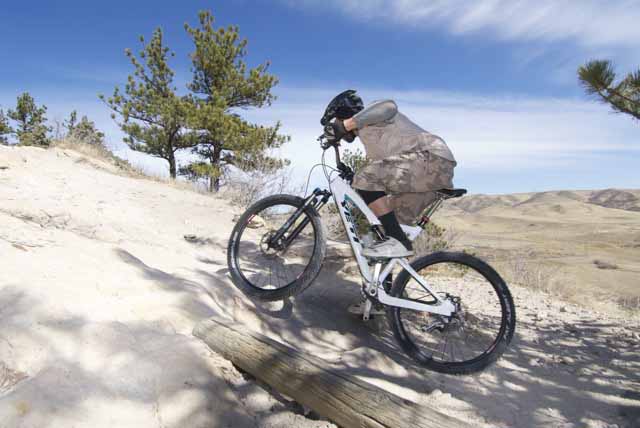
- On steep climbs, lean forward. Move your chest closer to the handlebars to keep the front wheel down. Slide forward on the saddle, but don’t lose traction on the rear wheel.
Standing is useful for short bursts, but sitting is more efficient for long climbs.
Pedaling Technique
Smooth, round pedal strokes help you maintain traction. Avoid stomping or jerky movements, which can cause your rear wheel to spin out. Try to “pull” as well as “push” the pedals, especially if you use clipless pedals.
Gear Selection
Shift early, before the climb gets too steep. If you wait too long, you risk losing momentum or damaging your drivetrain. Use the lowest gear that lets you keep a steady cadence. Avoid “cross-chaining” (big chainring + big cog) as it wears out components.
Maintaining Momentum
Keep a steady pace. If you slow down too much, it’s hard to restart on a hill. On technical climbs, use small bursts of power to clear obstacles, then return to a steady rhythm.
Tackling Technical Features
Roots, rocks, and steps can break your flow. Look ahead and plan your line. Use short bursts of power to “pop” over obstacles. Sometimes, unweighting your bike (lifting your front wheel slightly) helps you clear tough spots.
Switchbacks
Switchbacks are sharp turns on steep climbs. Approach slowly, stay wide, and look through the turn. Shift your weight to the outside pedal and keep your inside pedal up to avoid hitting rocks.
Non-obvious Insight
Many riders forget to relax their grip on the bars. Tight grip wastes energy and makes steering harder. Light hands let you steer smoothly and stay loose.
Building Climbing Fitness
Good climbing is about more than technique—it’s also about fitness. Improving your strength, endurance, and power helps you climb faster and longer.
Training For Climbs
Focus on three types of training:
- Interval Training: Short, intense bursts (1–5 minutes) followed by rest. This builds power for steep climbs.
- Endurance Rides: Long, steady rides at moderate pace. These build stamina for longer climbs.
- Strength Training: Exercises like squats, lunges, and step-ups build leg and core strength.
Aim for at least 2–3 climbing sessions per week. Mix intervals and endurance for best results.
Nutrition And Hydration
Eat a balanced meal 1–2 hours before riding. Include complex carbs and some protein. On long rides, snack every 30–45 minutes. Stay hydrated: even mild dehydration can cut your power by up to 10%.
Recovery
Rest is essential. Overtraining leads to fatigue and poor climbing. Get enough sleep and stretch after rides.
Example Workout
Try this climbing workout:
- Warm up for 10 minutes
- Ride up a hill at hard effort for 3 minutes
- Recover at easy pace for 3 minutes
- Repeat 4–6 times
Non-obvious Insight
Don’t skip core training. Strong core muscles help you stabilize your body on climbs, especially when you need to shift weight or handle technical sections.

Credit: www.youtube.com
Mental Strategies For Climbing
Climbing is a mental challenge as much as a physical one. Staying positive and focused makes tough hills easier.
Positive Self-talk
Encourage yourself with simple phrases like “I can do this” or “Almost there. ” Avoid negative thoughts—they sap your energy.
Setting Goals
Break long climbs into segments. Focus on reaching the next tree, rock, or bend. Small goals make big climbs less overwhelming.
Visualization
Before a tough climb, picture yourself riding smoothly to the top. Visualization is proven to improve performance by up to 5%, especially in endurance sports.
Staying Relaxed
Tension wastes energy. Breathe deeply, relax your shoulders, and keep your grip loose. If you start to panic or fatigue, slow down and regain composure.
Example: Group Rides
Riding with others helps motivation. Try to follow a stronger rider’s pace for short periods. But don’t overdo it—know your limits.
Common Mistakes And How To Avoid Them
Learning from mistakes is part of improving. Here are some errors that slow riders down:
- Wrong Gear Choice: Shifting too late leads to stalling or damaging the chain. Shift early, especially before steep sections.
- Poor Body Position: Leaning too far back lifts the front wheel; too far forward loses rear traction.
- Ignoring Tire Pressure: Overinflated tires lose grip; underinflated tires risk flats.
- Staring at the Front Wheel: Look ahead, not down. Watching the trail helps you plan your moves.
- Skipping Recovery: Tired legs make climbing miserable. Rest and stretch regularly.
- Not Practicing Technical Features: Avoiding roots and rocks means you never learn to handle them. Practice on small features, then move to bigger ones.
Non-obvious Mistake
Many riders forget to breathe deeply. Shallow breathing limits oxygen and makes you tire faster. Practice rhythmic breathing to boost endurance.
Advanced Climbing Techniques
Once you master the basics, try advanced skills to tackle tougher climbs.
Power Bursts
On short, steep climbs, stand up and push hard for 10–20 seconds. Use your body weight to help drive the pedals. Return to seated when you crest the hill.
Weight Shifting
For loose or rocky climbs, shift weight back and forth as needed. Move forward to keep front wheel down, but back slightly to maintain rear traction.
Trackstands
Learn to balance in place (trackstand) for tricky switchbacks or obstacles. Practicing this skill helps you stay in control on slow, technical climbs.
Bunny Hops
Bunny hops help you clear obstacles without losing speed. Practice hopping over small rocks or roots, then use the skill on climbs.
Using Dropper Posts
Dropper posts aren’t just for descents. On steep climbs, lower your seat slightly to help with weight shifts and technical control.
Comparing Climbing Styles
Different climbing styles work for different terrain and riders. Here’s a comparison:
| Climbing Style | Best For | Key Technique | Efficiency |
|---|---|---|---|
| Seated Steady | Long, moderate climbs | Consistent cadence | High |
| Standing Power | Short, steep climbs | Body weight leverage | Moderate |
| Technical Maneuvering | Rocky, rooty climbs | Weight shifting, line choice | Variable |
Practical Tips For Real-world Climbs
Climbing on a mountain bike isn’t just theory. Here are practical tips for everyday climbs.
Scout The Climb
Before riding a new trail, check the climb’s length, grade, and surface. Apps like Trailforks or Strava offer data on elevation and difficulty.
Use Momentum
Approach climbs with speed. Momentum helps you get up the first part without extra effort.
Pace Yourself
Don’t go all out at the start. Save energy for the steepest part or technical features.
Choose Your Line
Pick the smoothest, grippiest path. Avoid loose rocks or deep sand if possible.
Stay Seated On Loose Ground
Sitting helps keep weight on the rear wheel, which is essential for traction on loose or sandy climbs.
Stand For Extra Power
On paved or hard climbs, stand for short bursts to clear steep sections.
Watch The Weather
Wet climbs are harder. Mud and slick rocks reduce grip. Adjust tire pressure and technique for wet conditions.
Carry Essentials
Bring snacks, water, and tools. Flat tires or mechanical problems are common on climbs.
Example: Technical Climb
On a technical singletrack climb:
- Look ahead for roots and rocks
- Shift to a lower gear before you reach the obstacle
- Keep your body loose and ready to move
- Use short bursts of power to clear tough spots
How Bike Geometry Affects Climbing
Bike geometry influences how your bike handles on climbs. Not all mountain bikes are equal when it comes to climbing.
Head Tube Angle
Steeper head tube angles make the front wheel more stable on climbs but less nimble on descents. Trail bikes usually have angles around 65–67 degrees.
Wheelbase
Shorter wheelbase is easier to maneuver on tight climbs, but longer wheelbase offers more stability.
Chainstay Length
Short chainstays help with quick weight shifts, but longer chainstays improve traction.
Example: Comparing Two Bikes
| Bike Model | Head Tube Angle | Wheelbase (mm) | Climbing Feel |
|---|---|---|---|
| XC Race Bike | 68° | 1100 | Fast, nimble |
| Enduro Bike | 65° | 1200 | Stable, slower uphill |
Non-obvious Insight
Some riders benefit from customizing cockpit setup (stem length, handlebar width) for climbs. Shorter stems improve control, while wider bars help with leverage.

Credit: www.wenzelcoaching.com
Improving Climbing Through Practice
Skill and fitness come from regular practice. Here’s how to make your climbing better over time.
Find Local Hills
Use local trails or parks with hills. Repeat climbs to build skill and confidence.
Track Progress
Use a GPS or app to record your climbing times and distances. Set goals to beat your own times.
Ride With Others
Group rides push you to try harder. Follow stronger riders and learn from their technique.
Challenge Yourself
Try harder climbs as you improve. Don’t avoid tough hills—each one teaches you something new.
Join Events
Participate in mountain bike events with climbs. Races, group rides, and challenges give you motivation and feedback.
Equipment Upgrades For Better Climbing
Sometimes gear upgrades help you climb better. Here’s what really matters:
Lightweight Components
Lighter wheels, tires, and drivetrain parts reduce the energy needed to climb. Every pound saved makes climbing easier.
Wide-range Gears
Modern 1x drivetrains with wide-range cassettes (e. g. , 10–50T) give you more options for steep climbs.
Quality Suspension
Suspension that’s tunable for climbing helps maintain traction. Lockout features save energy on smooth climbs.
Dropper Posts
Dropper posts help adjust saddle height quickly for changing terrain.
Proper Clothing
Moisture-wicking, comfortable clothing keeps you cool. Tight-fitting jerseys reduce wind resistance.
Non-obvious Insight
Invest in grippy pedals and shoes. Slipping feet waste energy and make technical climbs harder.
Credit: www.dirtsmartmtb.com
Climbing For Different Rider Types
Climbing isn’t the same for everyone. Here’s how different riders approach it:
Beginners
Focus on basic technique and fitness. Practice easy climbs, learn to shift early, and build confidence.
Intermediate Riders
Work on technical skills. Tackle roots, rocks, and switchbacks. Improve pacing and gear selection.
Advanced Riders
Push limits. Try longer, steeper, or more technical climbs. Fine-tune bike setup and body position.
Example: Female Riders
Women often have proportionally lower upper body strength. Focus on core and arm training, as well as technique. Female-specific saddles and grips improve comfort.
Using Technology To Improve Climbing
Modern technology helps you train and analyze climbs.
Gps And Apps
Apps like Strava, Trailforks, or Garmin record your climbing data. Analyze time, elevation, and speed.
Power Meters
Power meters measure output in watts. Tracking power helps you train smarter.
Heart Rate Monitors
Monitor heart rate to avoid overtraining. Aim for 70–85% of max HR on climbs.
Online Resources
Study climbing technique videos and guides. Forums and groups share tips and routes. For more in-depth guidance, check the British Cycling Mountain Bike Climbing Guide.
Frequently Asked Questions
How Do I Stop My Rear Wheel From Slipping On Steep Climbs?
Keep your weight centered over the rear wheel. Stay seated and maintain smooth pedal strokes. Lower tire pressure slightly for more grip, but not so much that you risk flats.
What Gear Should I Use For Climbing?
Choose the lowest gear that lets you keep a steady cadence (about 70–90 RPM). Shift early before the climb gets too steep. Wide-range cassettes help, especially on tough hills.
Is Standing Or Sitting Better For Climbing?
Sitting is more efficient for long climbs. Stand for short, steep sections or when you need extra power. Mix both methods based on the terrain.
How Can I Improve My Climbing Fitness?
Train with intervals, long endurance rides, and strength exercises. Build core strength and practice hills often. Track progress with apps or GPS.
What Is The Best Mountain Bike For Climbing?
Lightweight bikes with wide-range gearing and good suspension are best. XC and trail bikes climb well. Check geometry—steeper head tube angles help with stability.
Climbing on a mountain bike is a skill anyone can improve with practice, proper bike setup, and smart technique. The hills may always be challenging, but with the right strategies, you’ll find yourself reaching new heights, enjoying every view, and tackling trails you once thought impossible.
Remember, every climb is a chance to get stronger and smarter. Keep pushing, keep learning, and soon, you’ll be climbing better than ever.

Hello Guys! I am John Reese, a professional biker and my hobby is biking! I have been biking for last 12 years and I love using bikes while outing as well. Based on my experiences with the different type of bikes (mountain bikes, road bikes and hybrid bikes); I am sharing my opinion about various bikes so that a beginner can get started right away. Happy reading!