
Mountain biking is a sport where every detail matters. Your tires, your suspension, your shoes—and your handlebars. But how wide should mountain bike handlebars be? For many riders, this question is confusing. Some bikes come with wide bars, others with narrow.
Stores push certain widths, brands say theirs are best, but what really matters? Choosing the right handlebar width can change how your bike feels, how you control it, and even how you enjoy your ride.
Handlebar width affects steering, balance, comfort, and speed. It can make a trail fun or turn a simple ride into a struggle. Riders often overlook this small detail, but it’s more important than most realize. Whether you’re new to mountain biking or have years of experience, understanding the best handlebar width for you is key.
This article breaks down everything you need to know—using simple words, clear examples, and practical advice. Let’s help you find the perfect fit for your mountain bike.
Why Handlebar Width Matters
The handlebar width is not just about style or trends. It changes how your bike handles on the trail. Wider bars give more control, while narrower bars make steering quicker. The right width can help you ride longer, avoid pain, and tackle tougher trails.
Control And Stability
Wider handlebars make it easier to control your bike, especially on rough ground. They help you stay balanced and keep your front wheel pointing where you want. This is great for downhill and aggressive riding. Narrower bars, on the other hand, can feel twitchy and less stable.
Comfort And Posture
Your handlebar width also affects your riding posture. If your bars are too wide, your arms stretch out, which can cause shoulder pain. Too narrow, and your chest feels cramped. The right width helps your body stay relaxed.
Steering Response
Handlebars act as a lever. Wider bars make steering smoother and slower. Narrow bars make steering fast, but sometimes too quick. Finding the balance means you turn easily but don’t lose control.
Real-world Example
Imagine riding a trail with tight trees. Wide bars can hit the trunks, slowing you down. On open trails, wide bars let you steer with confidence. Choosing the right width depends on where you ride and how you ride.
Typical Mountain Bike Handlebar Widths
Mountain bike handlebars come in many widths. But some sizes are more common.
| Type of Riding | Common Handlebar Width |
|---|---|
| Cross-country (XC) | 680–740 mm |
| Trail/All-mountain | 740–780 mm |
| Enduro/Downhill | 780–820 mm |
Most modern mountain bikes come with handlebars between 720 mm and 800 mm wide. Years ago, bars were much narrower—often 600 mm to 680 mm. Today, wider bars are popular for the extra control.
Why Widths Changed
Bike technology has improved. Wider bars work well with shorter stems, which are now common. This combo gives better steering and control. Riders also tackle tougher trails, so wider bars help.
Factors That Influence Handlebar Width Choice
There is no perfect handlebar width for everyone. You need to think about several factors:
1. Rider Height And Shoulder Width
Your body size is the most important factor. If your shoulders are wide, you’ll feel better with wider bars. Narrow shoulders need narrower bars.
Here’s a simple guideline:
| Shoulder Width | Recommended Handlebar Width |
|---|---|
| Under 16 inches (40 cm) | 680–720 mm |
| 16–18 inches (40–46 cm) | 720–760 mm |
| Over 18 inches (46 cm) | 760–800 mm |
This is not a strict rule, but it helps you start.
2. Type Of Riding
Where and how you ride changes what you need.
- Cross-country: Narrow bars help you steer quickly and fit through tight spaces.
- Downhill: Wide bars give more stability at high speed.
- Trail: Somewhere in the middle, balancing control and comfort.
3. Terrain
Tight forests need narrow bars, so you don’t hit trees. Open mountain trails work well with wide bars. Rocky or technical trails favor wider bars for control.
4. Bike Frame And Stem Length
Short stems pair best with wide bars. Long stems work with narrower bars. If your bike has a short stem (like 40 mm), try bars around 760–800 mm. If your stem is longer (like 70 mm), bars around 700–740 mm fit better.
5. Personal Preference
Some riders just like the feeling of wide or narrow bars. Try different widths and see what feels best.
Pros And Cons Of Wide Vs. Narrow Handlebars
Choosing between wide and narrow handlebars is not always easy. Each has benefits and drawbacks.
Wide Handlebars
Pros:
- Better control on rough trails
- More stable at high speed
- Easier to handle jumps and drops
Cons:
- Can cause shoulder fatigue
- Harder to fit through tight trees
- May feel awkward for smaller riders
Narrow Handlebars
Pros:
- Quick steering response
- Fits through tight spaces
- Comfortable for smaller riders
Cons:
- Less stable on rough terrain
- Harder to control at high speed
- May feel twitchy
Real-world Comparison
Let’s look at a rider who switched from 700 mm bars to 780 mm bars. On downhill trails, they felt more stable and confident. But on wooded singletrack, they hit trees and struggled. The rider trimmed the bars to 750 mm—finding a balance that worked for both situations.
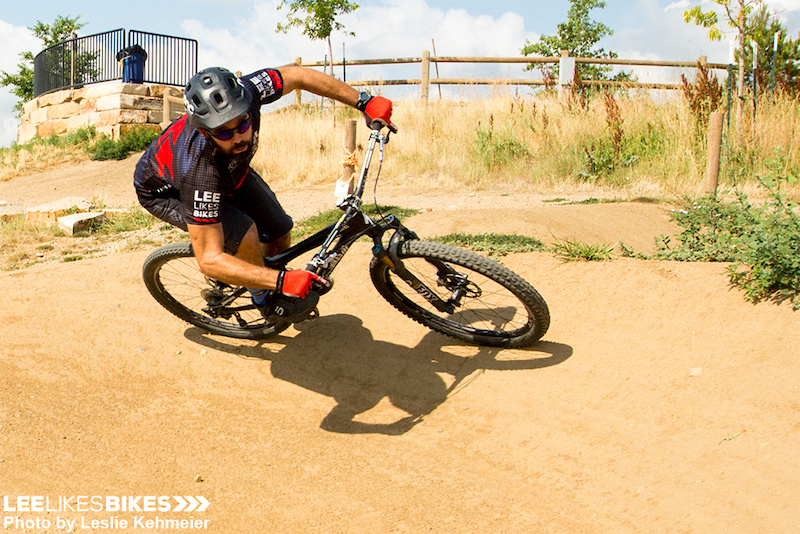
Credit: www.pnwcomponents.com
How To Measure Handlebar Width
You can measure handlebar width at home. Here’s how:
- Take a tape measure.
- Measure from the tip of one grip to the tip of the other (outside-to-outside).
- Make sure the bars are straight.
Most brands list width in millimeters (mm). If you see inches, remember: 1 inch = 25.4 mm.
Finding Your Ideal Handlebar Width
There is a simple way to test what width feels best. Stand up, relax your arms, and let them hang by your sides. Now, lift them forward like you’re holding handlebars. The distance between your hands is a good starting point.
Step-by-step Adjustment
- Start with the bars that came with your bike.
- Ride for a week and notice how you feel.
- If your bars are too wide, trim them by 5–10 mm at a time.
- If they’re too narrow, try wider bars (if possible).
- Repeat until you find the sweet spot.
Many bike shops offer test rides or demo bars. Use them before buying.
Common Mistake: Changing Too Much At Once
Some riders trim their bars by a large amount in one go. This can make the bike feel strange. Always trim in small steps, and test after each change.
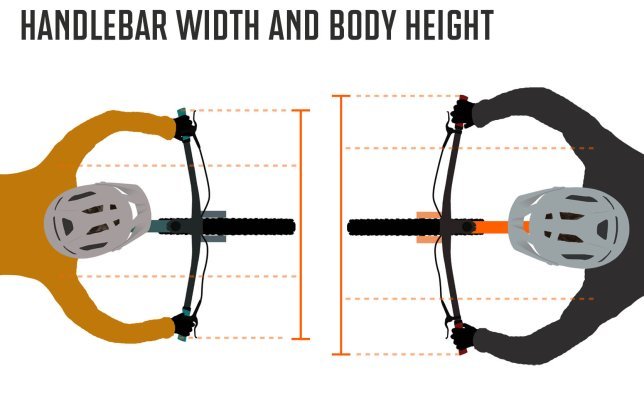
Credit: www.pinkbike.com
Handlebar Width And Bike Fit
Handlebar width is part of your bike’s fit. It affects your reach, your weight balance, and how you feel on the bike.
Example: Bike Fit Difference
A rider with 800 mm bars and a short stem sits more upright, with arms spread. This gives stable control but can strain shoulders. With 720 mm bars and a longer stem, the rider leans forward more, with arms closer.
This helps on narrow trails but can feel less stable.
How Handlebar Width Works With Other Bike Parts
Your stem length and handlebar width should work together. Short stems (30–50 mm) pair with wide bars (760–800 mm). Long stems (60–100 mm) suit narrower bars (680–740 mm).
| Stem Length | Recommended Handlebar Width |
|---|---|
| 30–50 mm | 760–800 mm |
| 60–100 mm | 680–740 mm |
This combo keeps your steering balanced.
Special Considerations For Women And Youth Riders
Women and young riders often have narrower shoulders. Brands now offer narrower handlebars for these groups.
Women Riders
Most women feel comfortable with bars between 680 mm and 740 mm. Some brands make “women’s-specific” bars—these can help, but always test to see what feels best.
Youth Riders
Kids need bars that match their size. Youth mountain bikes often come with 600–680 mm bars. If your child struggles to turn or feels stretched, a narrower bar may help.
Handlebar Width And Bike Handling
The right handlebar width makes your bike easier to control. It helps you:
- Stay stable on rough ground
- Steer smoothly around corners
- Avoid arm and shoulder pain
Cornering
Wide bars give you leverage to turn. This helps on fast or technical trails. But too wide can make tight corners harder.
Climbing
Narrow bars help on climbs, letting you pull and push more easily. Wide bars can make climbing tougher, especially for smaller riders.
Descending
Wide bars shine on downhill trails. You can lean and push with confidence, staying balanced at high speed.
Handlebar Width Trends And The Science Behind It
Mountain bike handlebar width has grown over the years. Riders used to use bars under 700 mm. Now, 760 mm or more is common.
Why Are Bars Getting Wider?
Research shows wider bars improve control and leverage. A study found riders with wider bars made fewer mistakes on rough terrain. They could steer better and felt more stable.
But there’s a limit. Bars wider than 820 mm can cause problems. Riders report shoulder pain and trouble fitting through tight trails. The trend is not just fashion—it’s about finding what works.
Numbers That Matter
- Average handlebar width in 2010: 660 mm
- Average in 2024: 780 mm
- Downhill pros use: 800–820 mm
- XC pros use: 700–740 mm
How To Trim Handlebars
If your bars are too wide, you can cut them down. Here’s how:
- Mark where you want to cut (use a marker).
- Use a pipe cutter or hacksaw.
- File the ends smooth.
- Re-install grips and bar plugs.
Tip: Always cut a little at a time (5–10 mm). Test before cutting more.
Common Mistake: Cutting Without Measuring
Some riders cut bars without checking shoulder width or testing. Always measure and test before making changes.
Signs Your Handlebars Are The Wrong Width
Not sure if your bars are right? Look for these signs:
- Arm or shoulder pain after rides
- Hard to steer or balance
- Trouble fitting through trees
- Bike feels twitchy or unstable
If you notice these, try adjusting your handlebar width.
Handlebar Width And Safety
Handlebar width affects safety. If your bars are too wide, you may hit trees or obstacles. If too narrow, you may lose control. Always check your trails before choosing a width.
Example: Trail Safety
On narrow forest trails, bars over 760 mm can hit trees. On open mountain trails, 780 mm or more works well. Adjust for your local conditions.
Non-obvious Insights Most Beginners Miss
- Your grip width matters: Some riders grip the bars closer than the ends. This changes how the bike feels. Always grip at the ends for best control.
- Wider isn’t always better: Many beginners believe the widest bar gives the most control. But too wide can cause pain and limit movement.
- Changing width affects other parts: When you change handlebar width, you may need to adjust stem length or your riding posture.
Credit: solfa-carburants.com
Real-world Examples From Riders
Many riders find their ideal width after testing. One rider switched from 800 mm to 740 mm bars and reduced shoulder pain. Another rider tried wider bars for downhill, but trimmed them after hitting trees on local trails.
Professional riders also adjust bar width for different races. Downhill racers use wide bars for stability. XC racers use narrow bars for speed and quick turns.
How To Choose Handlebar Width For Your Needs
Think about these steps:
- Measure your shoulder width.
- Decide your main riding style (XC, trail, downhill).
- Check your local trails—are they open or tight?
- Start with a width that matches your shoulders and style.
- Test and adjust in small steps.
If you ride different types of trails, you may need a width that works for both.
Handlebar Width And Bike Performance
The right handlebar width makes your bike faster, safer, and more comfortable. It helps you ride longer without pain. It also improves your confidence on tough trails.
Example: Racing
Racers often switch bar width for different events. On fast, open courses, wider bars give leverage and control. On technical, tight trails, narrower bars help maneuver quickly.
Handlebar Width And Accessories
Some accessories need space. If you use lights, GPS, or phone mounts, check if your bar has enough room. Wider bars offer more space, but make sure everything fits.
Expert Advice
Bike fit experts recommend starting with your shoulder width. Test different widths and adjust as needed. Never copy pro riders without thinking about your own body and trails.
For more on bike setup, see BikeRadar’s guide.
Frequently Asked Questions
What Is The Best Handlebar Width For Mountain Biking?
There is no single “best” width. Most riders use bars between 720 mm and 800 mm. Choose based on your shoulder width, riding style, and local trails.
Can I Make My Handlebars Narrower?
Yes, you can trim most aluminum or carbon handlebars with a pipe cutter or hacksaw. Always cut a little at a time and test after each change.
Do Wider Handlebars Make My Bike Faster?
Wider bars help with control and stability, but don’t directly make your bike faster. They can help on downhill and rough trails. On tight or technical trails, narrower bars may be better.
Should Women Use Narrower Handlebars?
Often, yes. Women usually have narrower shoulders, so bars between 680 mm and 740 mm are more comfortable. Always test to find the right fit.
Is Handlebar Width Important For Safety?
Yes. The right width helps you control your bike and avoid crashes. Too wide, and you may hit obstacles. Too narrow, and you may lose control. Adjust for your body and trails.
Choosing the right mountain bike handlebar width is a mix of science and personal taste. The perfect width gives you control, comfort, and confidence. Take time to test different sizes, adjust slowly, and listen to your body. With the right bars, every ride feels better—and safer.

Hello Guys! I am John Reese, a professional biker and my hobby is biking! I have been biking for last 12 years and I love using bikes while outing as well. Based on my experiences with the different type of bikes (mountain bikes, road bikes and hybrid bikes); I am sharing my opinion about various bikes so that a beginner can get started right away. Happy reading!