
Choosing the right full suspension mountain bike is a big decision. For many riders, it’s more than just picking a bicycle—it’s about finding the perfect partner for adventure, fun, and challenge on the trails. The world of mountain biking is full of choices and technical details, which can be confusing for beginners and even experienced cyclists. If you want to ride rough terrain, tackle steep descents, or simply enjoy comfort on your local trails, understanding how to select a full suspension mountain bike is key.
This guide will help you make sense of the technical terms, compare different models, and avoid common mistakes. You’ll learn what matters most when choosing a bike, how to match it to your riding style, and what features are worth your money.
By the end, you’ll feel confident about picking a bike that fits your needs and brings you joy every time you ride.
Why Choose A Full Suspension Mountain Bike?
Mountain bikes come in two main types: hardtail and full suspension. A hardtail has a suspension fork in the front, but the back is rigid. In contrast, a full suspension bike has both front and rear suspension. This design brings several advantages:
- Better comfort: The rear suspension absorbs bumps, rocks, and roots, so you feel less vibration and pain.
- Improved control: On rough trails, the wheels stay in contact with the ground, making it easier to steer and brake.
- Faster descents: Suspension helps you keep speed and stability when going down steep hills.
Full suspension bikes are ideal for technical trails, rocky paths, and aggressive riding. However, they are heavier and more expensive than hardtails. If you ride mostly smooth trails or want a lightweight bike, a hardtail might be better. But for rough terrain and maximum fun, full suspension is the way to go.
Understanding Suspension Basics
Before you choose a bike, you need to know how suspension works. Both the fork (front suspension) and the shock (rear suspension) use springs and dampers to absorb impact.
Types Of Suspension
- Air suspension: Uses air pressure as the spring. It’s lighter and easier to adjust for different rider weights.
- Coil suspension: Uses metal coils as springs. It’s more durable and consistent, but heavier and harder to adjust.
Most modern bikes use air suspension, especially for trail and enduro riding. Coil shocks are common on downhill bikes.
Suspension Travel
Travel means how much the suspension can move, measured in millimeters (mm). More travel means more ability to absorb big hits.
- 100–120mm: Cross-country bikes (for smoother trails)
- 120–150mm: Trail bikes (for mixed terrain)
- 150–180mm: Enduro bikes (for aggressive, rough trails)
- 180–220mm: Downhill bikes (for steep descents)
Pick the right travel based on the trails you ride. More isn’t always better—too much travel can make pedaling harder and the bike less efficient.
Suspension Design
Full suspension bikes use different linkage designs to control how the rear shock moves. Some common types are:
- Single pivot
- Horst link (four-bar)
- VPP (Virtual Pivot Point)
- DW-link
Each design affects how the bike pedals, absorbs bumps, and handles. While the details are complex, the main thing is to test ride and see what feels good for you.

Credit: conafovicer.com
Key Factors To Consider
When choosing a full suspension mountain bike, focus on these main points:
1. Your Riding Style
Are you racing, doing long rides, or tackling steep technical trails? Your riding style is the most important factor.
- Cross-country: Lightweight bikes, short travel, fast pedaling.
- Trail: Balanced bikes, moderate travel, versatile for climbing and descending.
- Enduro: Heavier bikes, long travel, designed for tough terrain and fast descents.
- Downhill: Very heavy, lots of travel, built for speed on steep, rough trails.
2. Frame Material
The bike’s frame is its backbone. The main materials are:
- Aluminum: Affordable, strong, but heavier.
- Carbon fiber: Light, stiff, expensive, but can be fragile.
- Steel: Durable, comfortable, but heavy.
- Titanium: Rare, light, strong, very expensive.
Most riders go for aluminum or carbon. Aluminum is good for beginners; carbon is for those wanting the lightest and most responsive ride.
3. Wheel Size
Mountain bikes come with 27.5-inch or 29-inch wheels (sometimes 26-inch for kids or special bikes).
- 27.5-inch: More agile, easier to turn, better for small riders.
- 29-inch: Rolls over obstacles better, faster on flat and rough terrain, but harder to turn.
Some bikes use “mullet” setups—29-inch in front, 27. 5-inch in back. This gives good rollover and quick handling.
4. Bike Geometry
Geometry means the shape and angles of the frame. Important numbers:
- Head tube angle: Steeper angles are better for climbing; slacker angles are better for descending.
- Seat tube angle: Steeper is better for pedaling power.
- Reach and stack: Reach is how long the bike feels; stack is how tall it feels.
Modern bikes are longer and slacker, which helps stability. But too much can make the bike hard to handle.
5. Weight
Heavier bikes are harder to pedal uphill but better for stability downhill. Light bikes are easier to handle but less stable at speed. Try to find a balance that matches your style.
6. Budget
Full suspension bikes cost more than hardtails. Entry-level models start around $1,500; high-end bikes can cost $10,000 or more. Decide what features matter most, and avoid paying for things you don’t need.
Comparing Full Suspension Mountain Bikes
To help you understand the differences, here’s a comparison of three popular models:
| Bike | Suspension Travel | Frame Material | Wheel Size | Price Range |
|---|---|---|---|---|
| Specialized Stumpjumper | 130–150mm | Aluminum/Carbon | 29″ | $2,500–$7,000 |
| Trek Fuel EX | 130–140mm | Aluminum/Carbon | 27.5″/29″ | $2,300–$6,500 |
| Santa Cruz Hightower | 140–150mm | Carbon | 29″ | $5,500–$8,000 |
These models show the range of choices—travel, materials, wheel size, and price. Notice how the price jumps with better frame materials and components.
Component Choices
Drivetrain
The drivetrain is the system that moves the bike forward—cranks, chain, cassette, and derailleurs.
- 1x (one-by) drivetrains: One chainring in front, many gears in back. Simpler, lighter, easier to use.
- 2x or 3x: More gears, but heavier and more complex.
Most modern mountain bikes use 1x drivetrains, with 10–12 gears in back.
Brakes
Disc brakes are standard. Two types:
- Hydraulic: Stronger, smoother, more expensive.
- Mechanical: Cheaper, easier to fix, but less power.
Hydraulic brakes are best for most riders, especially on rough terrain.
Tires
Wide tires (2. 3–2. 6 inches) give more grip and comfort. Tubeless tires (no inner tube) are popular—they resist punctures and let you run lower air pressure.
Dropper Post
A dropper post lets you change your seat height while riding. This is very useful for steep descents and technical trails.
Suspension Adjustments
Many bikes let you adjust the suspension for different conditions:
- Rebound: How fast the suspension returns after a bump.
- Compression: How much resistance when you hit a bump.
- Lockout: Makes the suspension rigid for smooth climbs.
Learning to use these features can make your ride much better.
Choosing The Right Size
Bike sizing is critical. A bike that’s too big or small is uncomfortable and hard to control. Here’s how to find the right fit:
- Check the manufacturer’s size chart. Use your height and inseam (leg length).
- Test ride if possible. Sit on the bike, check how you reach the handlebars and pedals.
- Look for adjustable parts. Seat height, stem length, and handlebar width can be changed.
The most important measurement is reach—how far you stretch to the handlebars. Most modern bikes have longer reach for stability, but don’t go too far or you’ll feel stretched.

Credit: www.treefortbikes.com
Comparing Bike Geometry
Here’s a comparison of three bike geometries:
| Bike | Head Tube Angle | Seat Tube Angle | Reach (Medium) | Stack (Medium) |
|---|---|---|---|---|
| Stumpjumper | 65.5° | 76° | 440mm | 626mm |
| Fuel EX | 66° | 77° | 435mm | 630mm |
| Hightower | 65.2° | 76.8° | 445mm | 628mm |
This table shows how small changes in angles and lengths affect handling and comfort. Steeper seat tube angles make pedaling easier; slacker head tube angles help with descending.
Test Riding: Why It Matters
You can read all the specs and reviews, but nothing beats a test ride. Try the bike on trails similar to what you’ll ride. Pay attention to:
- How comfortable it feels
- How easy it is to steer and brake
- How the suspension responds to bumps
Even a short test ride can reveal if a bike is right for you. Don’t buy just based on looks or specs.
Common Mistakes When Choosing
Many beginners make mistakes when picking a full suspension mountain bike. Here are the most common:
- Buying too much bike: Don’t pick a downhill bike if you ride mostly flat trails—it will be heavy and slow.
- Ignoring fit: A wrong size will ruin your ride, no matter how good the bike is.
- Focusing on brand: Famous brands are nice, but smaller brands often offer better value.
- Overspending on features: You don’t need the top model. Mid-range bikes are often just as good for most riders.
- Neglecting maintenance: Suspension needs regular service. Make sure you can afford and manage it.
Real-world Examples
Let’s look at how two riders made their choices:
Ana: Beginner, rides local trails and forest paths. She picked a trail bike with 130mm travel, aluminum frame, 27.5-inch wheels. Her bike cost $2,000. She focused on comfort and easy handling. After a year, she’s happy with her choice—she can climb, descend, and ride for hours without pain.
Mike: Experienced, rides enduro and steep mountain trails. He chose a bike with 160mm travel, carbon frame, 29-inch wheels. His bike cost $5,500. He wanted speed and stability for tough terrain. Mike says the bike feels stable at high speed, but is harder to pedal on flat trails.
These examples show the importance of matching your bike to your needs—not just picking the most expensive or flashy model.
Shopping Tips
When you’re ready to buy:
- Set your budget. Include money for helmet, gear, and maintenance.
- Check local shops. They can help with sizing and let you test ride.
- Look for warranties. Good brands offer frame warranties, which protect your investment.
- Consider used bikes. You can save money, but check for wear, damage, and service history.
Comparing Suspension Types
Here’s a quick comparison of air vs coil suspension:
| Type | Weight | Adjustability | Durability | Typical Use |
|---|---|---|---|---|
| Air | Light | Easy | Good | Trail, Enduro |
| Coil | Heavy | Hard | Excellent | Downhill |
Most riders prefer air suspension for its light weight and easy adjustment, unless they are doing extreme downhill riding.
What Really Matters
Let’s highlight the most important features for choosing a full suspension mountain bike:
- Fit and geometry: Comfort and control are crucial.
- Suspension travel: Match it to your riding style.
- Wheel size: Choose based on terrain and personal preference.
- Frame material: Pick what suits your budget and needs.
- Component quality: Brakes, drivetrain, and tires make a big difference.
- Budget: Don’t overspend—mid-range bikes are often perfect for most riders.
Remember, a bike that fits well and matches your riding style will always be better than a “top model” that doesn’t.
Expert Insights
Here are two tips many beginners miss:
- Suspension setup matters: Even the best bike will ride poorly if the suspension isn’t set up for your weight and style. Learn how to adjust sag, rebound, and compression.
- Bike maintenance is essential: Suspension parts need regular cleaning and servicing. This keeps your bike working well and prevents expensive repairs.
If you’re unsure how to maintain your bike, ask your local shop or join a mountain biking club. Many shops offer free clinics.
Advanced Features
For experienced riders, some advanced features can improve performance:
- Carbon wheels: Lighter, but expensive. Good for racing, not needed for beginners.
- Electronic shifting: Fast and precise, but costly.
- Custom tuning: Some brands let you customize suspension and geometry.
These are “nice to have,” not “need to have. ” Focus on basics first.
Women’s And Youth Bikes
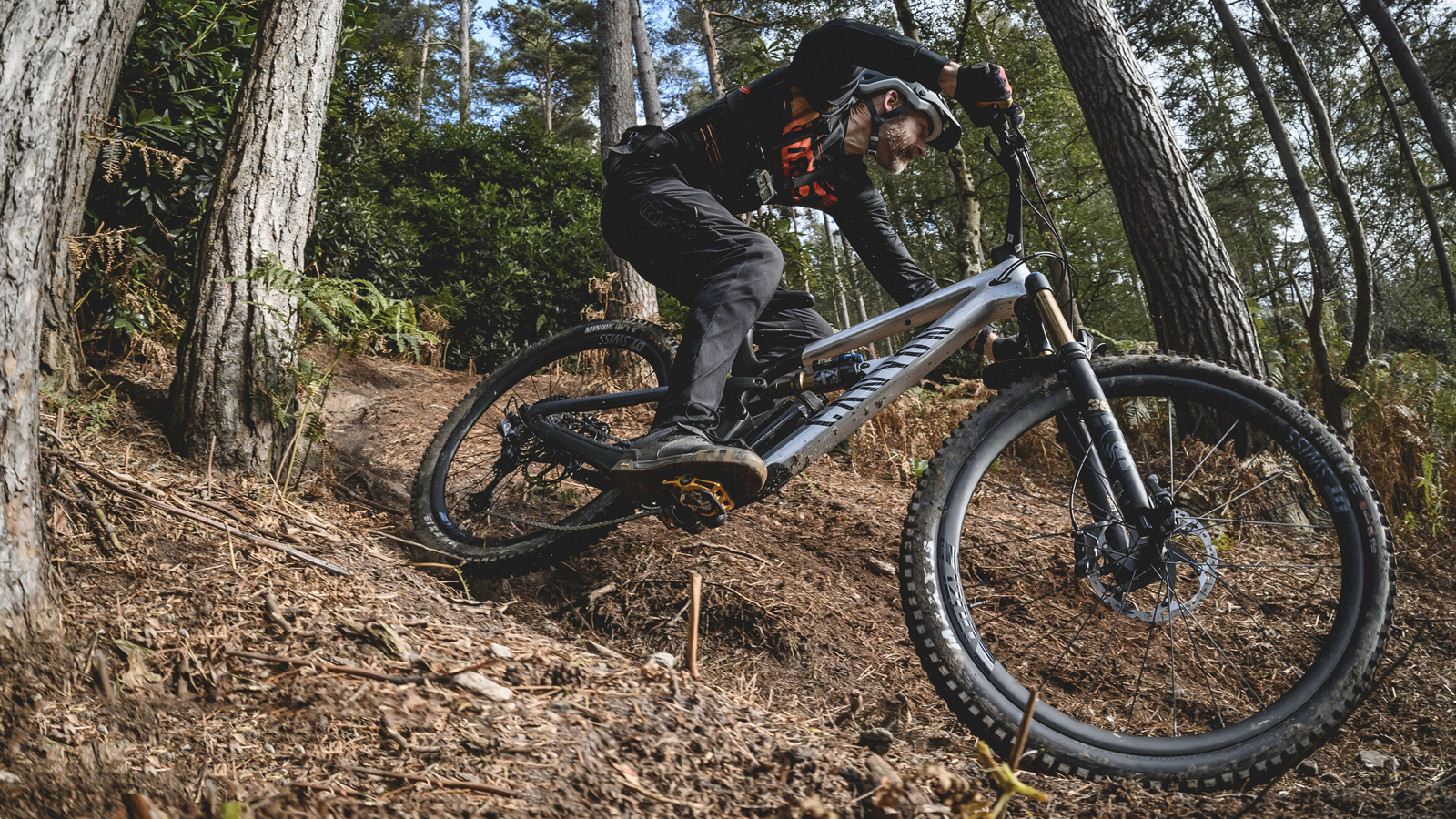
Many brands offer women’s-specific and youth full suspension bikes. These models have:
- Shorter reach and stack for smaller riders
- Softer suspension tuning
- Lighter frames
If you’re a smaller rider, check these options—they can make a big difference in comfort and control.
Credit: www.bikeperfect.com
Environmental Considerations
Mountain bikes have an impact on trails and nature. Choose a bike that fits your local terrain and riding habits. Avoid riding muddy trails, maintain your bike to reduce pollution, and support brands that use sustainable materials.
You can learn more about mountain biking and trail care at IMBA.
Frequently Asked Questions
What Is The Main Advantage Of A Full Suspension Mountain Bike?
A full suspension mountain bike gives better comfort and control. The rear suspension absorbs bumps and rough terrain, making the ride smoother and safer. This is especially important on technical trails and steep descents.
How Much Should I Spend On A Full Suspension Mountain Bike?
Most beginners should expect to spend $1,500–$3,000 for a good quality bike. Higher-end models cost more but offer lighter materials and advanced components. Always balance your budget with your riding needs.
Is A Carbon Frame Worth The Extra Cost?
Carbon frames are lighter and stiffer, which can improve performance. However, they are more expensive and can be fragile. For most riders, aluminum frames offer good value and durability.
Can I Upgrade Components Later?
Yes, you can upgrade most parts like wheels, brakes, and drivetrain. However, it’s best to start with a bike that fits your needs, as upgrades can be expensive. Make sure the frame and suspension are good quality.
What Size Bike Should I Get?
Use your height and inseam to choose the right size. Check the manufacturer’s chart and test ride if possible. The most important factor is reach—you should feel comfortable and in control.
Choosing a full suspension mountain bike doesn’t have to be confusing. Focus on fit, suspension travel, wheel size, and frame material. Test ride before buying, and ask for expert advice. Remember, the best bike is one that matches your style and brings you joy on every ride.
With the right bike, you’ll discover new trails, gain confidence, and enjoy mountain biking like never before.

Hello Guys! I am John Reese, a professional biker and my hobby is biking! I have been biking for last 12 years and I love using bikes while outing as well. Based on my experiences with the different type of bikes (mountain bikes, road bikes and hybrid bikes); I am sharing my opinion about various bikes so that a beginner can get started right away. Happy reading!