
Mountain biking is more than just riding through trails and hills. It’s a sport that demands the right gear, and one of the most important pieces is your footwear. Many beginners think any sports shoe will work, but mountain bike shoes are carefully designed for performance, safety, and comfort. Understanding how these shoes work can transform your riding experience and help you avoid common mistakes.
If you’ve ever wondered why mountain bike shoes look different from regular sneakers, you’re not alone. Their unique features don’t just help you pedal harder—they also protect your feet, improve your control, and even keep you safer on tough terrain.
This article will explain exactly how mountain bike shoes work, what makes them special, and how to choose the best pair for your needs.
The Basic Design Of Mountain Bike Shoes
Mountain bike shoes are built for rugged conditions. They must handle dirt, rocks, mud, and water while keeping your feet secure and comfortable. Let’s look at the main parts of these shoes and why each matters.
Soles: Grip And Power
The sole is the foundation of any shoe, but mountain bike shoes use special materials and patterns.
- Stiffness: Most mountain bike shoes have stiff soles made from nylon, carbon fiber, or other strong materials. This stiffness helps transfer your pedaling energy to the bike. Less energy is lost, so you ride more efficiently.
- Grip: Unlike road bike shoes, mountain bike shoes often have rubber soles with tread patterns. This gives you grip when walking on slippery trails or rocks.
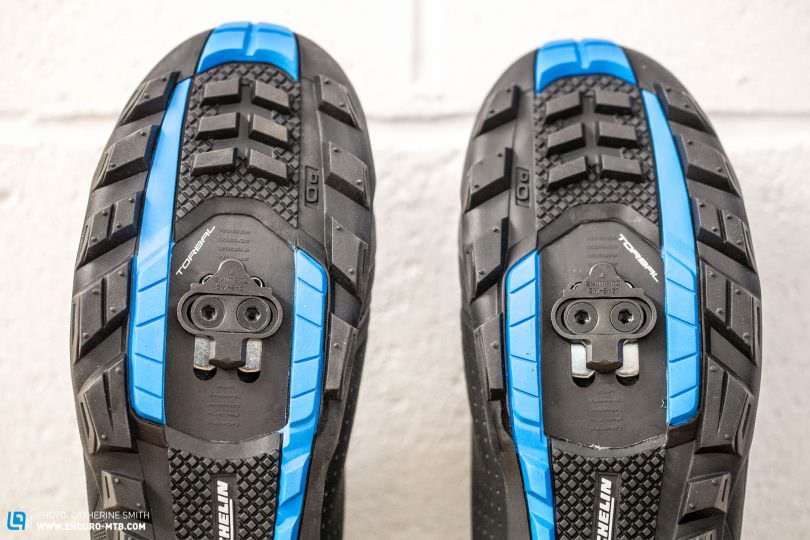
- Cleat Compatibility: Some shoes have spots for attaching cleats. Cleats connect your shoe to the pedal, making it easier to control the bike.
A common mistake is choosing shoes with soles that are too soft. Soft soles make walking comfortable but reduce pedaling power.
Uppers: Protection And Comfort
The upper part covers your foot and protects it from outside elements.
- Materials: Most uppers use synthetic materials, leather, or mesh. Synthetic materials are light and dry quickly, while leather offers durability.
- Reinforcements: Toe and heel areas often have extra protection. This helps avoid injuries from rocks or crashes.
- Ventilation: Mesh panels or holes help keep your feet cool, especially in hot weather.
Beginners sometimes overlook ventilation, but sweaty feet can lead to blisters and discomfort on long rides.
Closures: Secure Fit
Mountain bike shoes use different methods to keep your feet secure.
- Laces: Traditional but can get dirty or come untied.
- Velcro straps: Easy to adjust, even with gloves.
- Ratchet buckles: Provide a strong, precise fit.
- Boa dials: Let you fine-tune tightness with a turn.
Choosing the right closure is about comfort and safety. Loose shoes can slip; overly tight shoes cause pain.
Types Of Mountain Bike Shoes
There are several types, each designed for a different style of riding. Understanding these helps you pick the best shoe for your needs.
| Type | Main Features | Best For |
|---|---|---|
| Clipless (SPD) | Stiff soles, cleat attachment, efficient power transfer | Cross-country, trail riding |
| Flat Pedal | Rubber tread, flexible soles, no cleats | Downhill, freeride, casual |
| Enduro/All-Mountain | Mix of stiffness and grip, reinforced protection | Technical trails, aggressive riding |
Clipless Shoes
Clipless shoes have spots for cleats. Cleats lock your shoe to the pedal, giving you more control and power. Despite the name, “clipless” means you don’t use toe clips—it’s a modern system for attaching your foot.
- Efficiency: When your shoe is attached to the pedal, you can pull up as well as push down. This gives you a smoother pedal stroke.
- Control: Your foot doesn’t slip off in rough terrain.
Clipless shoes are best for riders who want speed and precise control. However, they require practice to use safely.
Flat Pedal Shoes
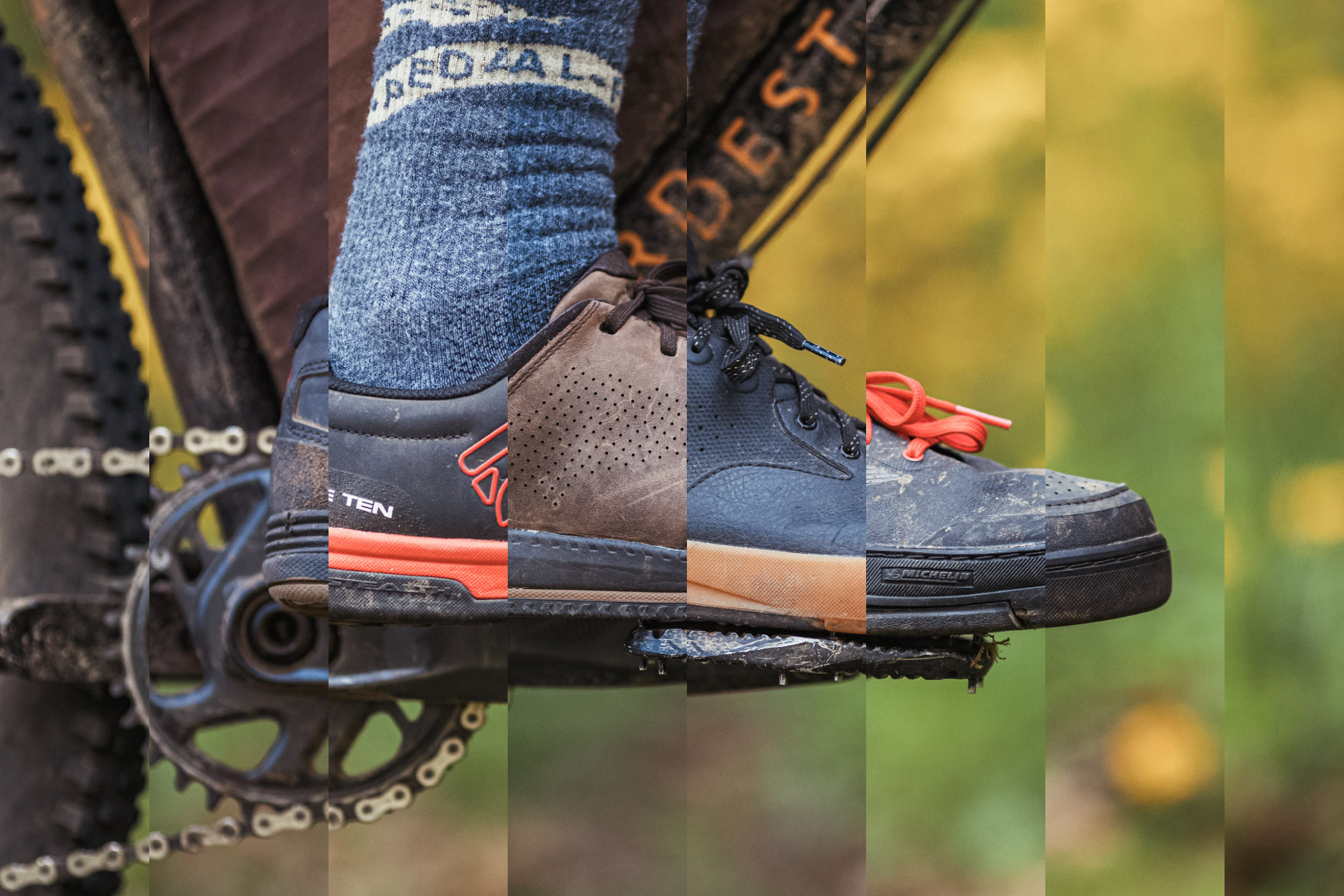
Flat pedal shoes don’t have cleats. Instead, they use sticky rubber and deep tread patterns.
- Grip: The rubber sticks to the pedal, reducing slips.
- Flexibility: You can walk or hike easily.
These shoes are popular with downhill riders who need to quickly put their feet down or adjust position.
Enduro And All-mountain Shoes
These are hybrids. They offer some cleat compatibility but also have strong grip and extra protection.
- Versatility: Good for riders who climb and descend, or switch between walking and riding.
- Durability: Reinforced toe caps, padded ankle support.
Enduro shoes are often chosen by riders who do a mix of riding styles.
How Mountain Bike Shoes Interact With Pedals
The relationship between your shoe and pedal is critical. Let’s look at how mountain bike shoes work with each pedal type.
Clipless Pedals
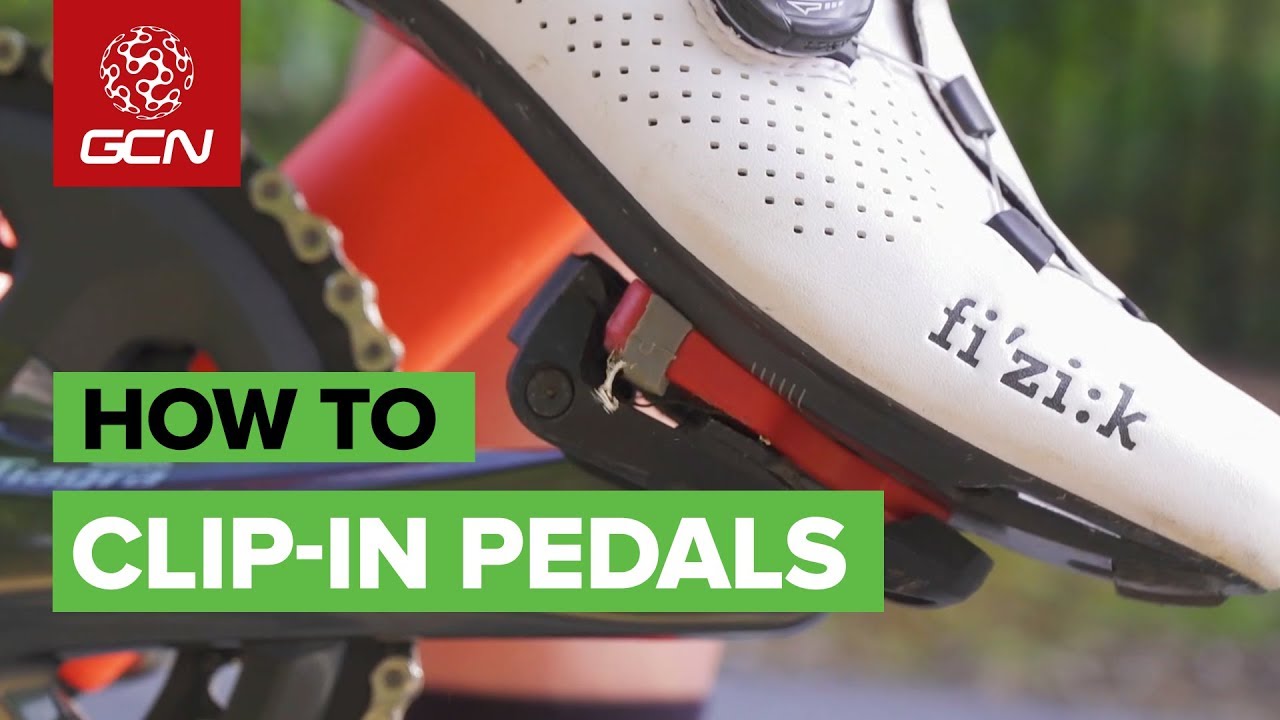
Clipless shoes use metal or plastic cleats that attach to the bottom of the shoe. These cleats snap into the pedal, locking your foot in place.
- Mechanism: You twist your heel to release the shoe from the pedal.
- Safety: It may feel risky at first, but most systems let you adjust the tension. This makes releasing easier or harder.
- Power Transfer: Your whole foot stays in contact with the pedal, improving energy transfer.
A non-obvious insight: Many beginners set the tension too high, making it hard to unclip. Start with low tension and practice in a safe area.
Flat Pedals
Flat pedal shoes have sticky rubber and tread patterns that fit the pedal’s pins. This increases friction and keeps your foot stable.
- Grip: Pedal pins dig into the shoe’s sole, preventing slips.
- Mobility: You can move your foot or take it off the pedal quickly.
Flat pedals are great for learning and for technical trails where you need to react fast.
| Pedal Type | Shoe Compatibility | Power Transfer | Ease of Use |
|---|---|---|---|
| Clipless | Clipless shoes with cleats | High | Requires practice |
| Flat | Flat pedal shoes | Medium | Easy |
Key Benefits Of Mountain Bike Shoes
Mountain bike shoes are not just about style—they offer real advantages over regular shoes.
Improved Pedaling Efficiency
With stiff soles and secure fit, you lose less energy. Every push on the pedal moves the bike forward instead of bending your foot.
Enhanced Safety
Extra protection in the toe, heel, and sides helps prevent injuries from crashes, rocks, or branches.
Better Control
When your foot is firmly attached (clipless) or gripped (flat), you can handle the bike better on tough terrain. This is critical for downhill and technical riding.
Comfort For Long Rides
Features like ventilation and padding make long rides easier. Sweaty or sore feet can ruin a trip.
Durability
Mountain bike shoes are built to last. They resist mud, water, and impacts better than standard sneakers.
Credit: www.youtube.com
Choosing The Right Mountain Bike Shoe
Picking the best shoe involves more than just style. Here are the main factors to consider:
Riding Style
- Cross-country: Look for clipless shoes with stiff soles.
- Downhill: Flat pedal shoes with good grip and protection.
- Trail/Enduro: Hybrid shoes with a balance of stiffness, grip, and durability.
Fit And Comfort
- Try before you buy: Feet swell during rides, so shoes should feel snug but not tight.
- Width and shape: Some brands offer wider options. If your feet are wide, avoid narrow models.
Weight
Lighter shoes make pedaling easier but may offer less protection. Heavier shoes are tougher but can tire your legs.
Material
- Synthetic: Light and quick-drying.
- Leather: Durable and comfortable.
- Mesh: Good ventilation.
Closure System
Pick a closure you can adjust easily, especially with gloves. Boa dials and Velcro are popular for quick changes.
Cleat Compatibility
If you use clipless pedals, make sure your shoes match the pedal system (SPD, Crankbrothers, etc. ).
Price
Mountain bike shoes range from $60 to $400. Higher prices usually mean better materials and features, but you don’t need the most expensive model to get started.
A common mistake: Beginners often buy shoes that look good but don’t fit their pedals or riding style. Always match shoes to your needs.
Comparing Mountain Bike Shoes To Other Cycling Shoes
Mountain bike shoes have unique differences compared to road and casual cycling shoes.
| Feature | Mountain Bike Shoes | Road Bike Shoes | Casual Bike Shoes |
|---|---|---|---|
| Sole Stiffness | Medium to high | Very high | Low |
| Tread Pattern | Deep, grippy | Smooth | Varies |
| Cleat Compatibility | 2-bolt (SPD) | 3-bolt | None |
| Protection | Toe, heel, side | Minimal | None |
| Walking Comfort | Good | Poor | Excellent |
Non-obvious insight: Some mountain bike shoes double as hiking shoes for “bikepacking” trips. Road bike shoes are nearly impossible to walk in due to their smooth, slippery soles.
Credit: enduro-mtb.com
Common Mistakes When Using Mountain Bike Shoes
Many beginners face problems because they don’t know how to use mountain bike shoes properly. Here are some pitfalls to avoid:
- Wrong Shoe for Pedal: Flat pedal shoes won’t work with clipless pedals and vice versa.
- Poor Fit: Shoes that are too tight cause pain; too loose lead to blisters and loss of control.
- Ignoring Closure System: Laces come undone; ratchet buckles may break if not maintained.
- Wrong Cleat Position: Cleats too far forward or backward can cause knee pain or reduce power.
- Skipping Break-In: New shoes feel stiff. Wear them at home to soften before long rides.
- Not Adjusting Pedal Tension: High tension makes it hard to unclip, increasing fall risk.
Many riders do not realize that cleat position affects not just comfort, but also injury risk. Spend time adjusting your cleats—small changes can make a big difference.
Caring For Mountain Bike Shoes
To get the most from your shoes, take care of them properly.
- Clean after every ride: Mud and water can damage materials. Use a soft brush and mild soap.
- Dry thoroughly: Never leave wet shoes in a closed bag. Remove insoles and let them air dry.
- Check closures: Make sure buckles, Velcro, and dials are clean and working.
- Inspect soles: Look for wear or damage. Replace shoes if tread is worn out or cleats are loose.
Proper care can extend shoe life by months or even years.
Real-world Examples
Many professional riders use mountain bike shoes to gain an edge. For example, the UCI Mountain Bike World Cup champions rely on stiff clipless shoes for maximum power. Downhill riders like Rachel Atherton choose flat pedal shoes for quick foot movement and grip.
A study by the International Journal of Sports Medicine found that shoes with stiff soles improve pedaling efficiency by up to 10%. This means you can ride longer and faster with the right shoes.
For beginners, joining a local mountain biking club can help you learn which shoes work best. Experienced riders often share tips about brand fit, closure systems, and cleat adjustment.
If you want more technical details, you can read about the science behind cycling shoes at Wikipedia.
Frequently Asked Questions
What Is The Difference Between Mountain Bike Shoes And Regular Sneakers?
Mountain bike shoes have stiff soles, protective uppers, and special tread patterns for grip and power transfer. Sneakers are softer, less protective, and not made for biking terrain.
Can I Use Mountain Bike Shoes For Walking Or Hiking?
Many mountain bike shoes are designed for walking. Flat pedal shoes especially work well for hiking, thanks to their rubber soles and tread. Clipless shoes are harder to walk in but still better than road bike shoes.
How Do I Choose Between Clipless And Flat Pedal Shoes?
Choose clipless shoes if you want maximum pedaling efficiency and control. Pick flat pedal shoes if you prefer easy movement, quick foot removal, or ride technical trails. Try both types to see which feels best for your style.
Why Do Some Mountain Bike Shoes Have Extra Protection Around The Toes?
Extra protection helps prevent injuries from rocks, roots, or crashes. Many trails have hazards that can damage your feet. Reinforced toe caps and heel guards are common in mountain bike shoes.
How Often Should I Replace Mountain Bike Shoes?
Replace your shoes when the tread is worn out, closures stop working, or the shoe feels uncomfortable. Most riders change shoes every 2–3 years, but heavy use or poor care can require faster replacement.
Mountain bike shoes are a key part of your gear. Choosing the right pair and understanding how they work will help you ride stronger, safer, and more comfortably. Remember, even small details like closure type or cleat position can affect your performance.
If you’re new to mountain biking, invest in shoes that match your style and needs. With good care and proper use, your mountain bike shoes will keep you moving forward for many adventures to come.
Credit: bikepacking.com

Hello Guys! I am John Reese, a professional biker and my hobby is biking! I have been biking for last 12 years and I love using bikes while outing as well. Based on my experiences with the different type of bikes (mountain bikes, road bikes and hybrid bikes); I am sharing my opinion about various bikes so that a beginner can get started right away. Happy reading!