
Mountain biking is more than just a sport—it’s a way to explore nature, challenge yourself, and enjoy fresh air. But if you’ve ever shopped for mountain bike tires, you know there’s a wide range of prices. From budget options to high-end models, the cost can be confusing for both beginners and experienced riders.
So, how much do mountain bike tires really cost? Let’s dive deep and break down the real factors behind tire prices, what you should expect, and how to make the right choice for your needs.
What Influences Mountain Bike Tire Prices?
The price of mountain bike tires depends on several important factors. Understanding these will help you make smarter buying decisions.
Tire Type
Mountain bike tires come in different types, each designed for a specific terrain or riding style. The main types include:
- Cross-country (XC): Lightweight, fast, and usually less expensive.
- Trail/All-mountain: Stronger, with more tread for grip and durability.
- Downhill: Heavier, reinforced for extreme conditions, often the most expensive.
Each type affects price, with cross-country tires typically costing less than downhill tires.
Tire Size
Size matters. Mountain bike tires are usually measured by their diameter and width (for example, 29 x 2. 25 inches). Larger tires often cost more because they use more material and are sometimes made for specific bikes or conditions.
Tread Pattern
Tread design is important for grip and performance. More complex tread patterns require more engineering and manufacturing effort, increasing the price. Tires with aggressive treads for mud or loose terrain usually cost more than smoother tires for hardpack trails.
Tubeless Vs. Tube-type
Tubeless tires are popular among serious riders. They provide lower rolling resistance, fewer flats, and better performance. But they require special rims and sometimes sealant. Tubeless tires cost 10–30% more on average than tube-type tires.
Rubber Compound
The quality and mix of rubber affects durability and grip. Premium tires use advanced compounds for better performance, pushing prices higher.
Brand And Reputation
Popular brands like Maxxis, Schwalbe, Continental, and Michelin charge more for their products. You’re paying for proven reliability and sometimes warranties.
Protection Features
Some tires include puncture protection, reinforced sidewalls, or extra layers for durability. These features add cost but can save money in the long run by preventing flats.
Average Prices For Mountain Bike Tires
Let’s look at real numbers. Mountain bike tire prices can vary, but here’s what you can expect:
| Tire Type | Budget Range | Mid-range | Premium Range |
|---|---|---|---|
| Cross-country (XC) | $20–$40 | $40–$70 | $70–$110 |
| Trail/All-mountain | $30–$50 | $50–$80 | $80–$120 |
| Downhill | $45–$65 | $65–$100 | $100–$150 |
These ranges are for a single tire. If you need both front and rear tires, double the cost. Some shops offer discounts for pairs, but mostly you pay per tire.
Understanding Tire Quality Vs. Price
Spending more doesn’t always mean you get a better tire for your needs. Here’s a breakdown of what you get at each price point.
Budget Tires ($20–$50)
Budget tires are perfect for casual riders, beginners, or those who don’t ride often. They usually have simpler tread, basic rubber compounds, and may not last as long. However, they’re good for light trails and basic conditions.
Pros:
- Affordable
- Easy to find
- Good for smooth trails
Cons:
- Less durable
- Lower grip
- May puncture easily
Mid-range Tires ($50–$80)
These offer a balance between performance and price. You get better tread patterns, improved rubber, and often some puncture protection. Perfect for regular riders who want reliable tires without spending too much.
Pros:
- Good grip
- Decent durability
- Better puncture resistance
Cons:
- Still not the top for aggressive riding
- Limited advanced features
Premium Tires ($80–$150)
Premium tires use advanced materials, complex tread designs, and often include tubeless options and extra protection. They’re made for serious riders, racers, and tough terrain.
Pros:
- Excellent grip and control
- Superior durability
- Advanced protection features
Cons:
- Expensive
- May be overkill for casual riders
Comparing Popular Mountain Bike Tire Brands
Brand reputation can affect both price and performance. Here’s a comparison of some of the most common brands.
| Brand | Average Price Range | Special Features | Best For |
|---|---|---|---|
| Maxxis | $50–$120 | Advanced rubber, tubeless-ready, proven race performance | Trail, downhill, competition |
| Schwalbe | $45–$110 | Puncture protection, wide tread options | All-mountain, XC, urban |
| Continental | $40–$100 | Durable, versatile, affordable | Trail, XC, budget riders |
| Michelin | $50–$130 | Grip, high-end compounds | Professional, aggressive riding |
| Kenda | $25–$70 | Value, simple tread, basic protection | Beginners, light trails |
Non-obvious insight: Sometimes, less known brands offer nearly the same performance as big names—especially in the mid-range. If you’re not racing, don’t ignore these brands.
Tubeless Vs. Tube-type: Price And Value
Many riders debate between tubeless and tube-type tires. Here’s what you need to know about their costs and benefits.
Tubeless Tires
Tubeless tires are designed to run without an inner tube. They use sealant to close small holes and are less likely to puncture. They also allow lower air pressure, which improves grip.
Cost: Tubeless tires usually cost $10–$30 more per tire. You also need tubeless-compatible rims and sealant, which adds $20–$60 extra.
Benefits:
- Fewer flats
- Better traction
- Can repair small punctures automatically
Drawbacks:
- Higher upfront cost
- Slightly more complex setup
Tube-type Tires
These tires use a traditional inner tube. They’re cheaper and easier to install, but are more likely to get pinch flats.
Cost: Tube-type tires are $20–$50 per tire, with inner tubes costing $5–$10 each.
Benefits:
- Lower price
- Simple to install
Drawbacks:
- More flats
- Less grip at low air pressure
Non-obvious tip: If you ride rocky terrain, tubeless is often more cost-effective over time because it reduces flat tire repairs and replacements.
Specialized Tires And Their Costs
Not all mountain bike tires are made equal. Some are built for specific conditions or uses, which affects price.
Fat Bike Tires
Fat bikes use tires that are 3. 8 inches wide or more. These are made for snow, sand, and soft surfaces.
Cost: $90–$180 per tire. The price is high because they use more material and require special manufacturing.
Studded Tires
Studded tires have metal or carbide spikes for ice and snow. They’re a winter specialty.
Cost: $70–$200 per tire. The extra hardware increases price, but they’re essential for icy conditions.
E-bike Tires
Electric mountain bikes need tires with extra strength to handle higher speeds and weight.
Cost: $60–$140 per tire. These usually feature reinforced sidewalls and tread.
Experience-based insight: Specialized tires are worth the investment if you ride in extreme conditions. Trying to use regular tires in snow or sand will cost you more in the long run due to rapid wear and safety risks.
Where To Buy Mountain Bike Tires
You can buy tires from local bike shops, online retailers, or directly from the manufacturer. Each option comes with its own pros and cons.
Local Bike Shops
Buying from a shop is great for advice, fitting, and quick service. Prices are often higher, but you get personal support.
Online Retailers
Online stores like Jenson USA, Chain Reaction Cycles, and Amazon offer wider choices and better deals. Shipping may add $5–$15 per tire, but bulk orders can save money.
Direct From Manufacturer
Some brands sell direct, offering exclusive models or discounts. It’s a good option if you want the latest designs.
Non-obvious insight: Buying tires during off-season or sales can save 20–40%. Many riders overlook this simple strategy.
How Tire Prices Change Over Time
Mountain bike tire prices aren’t fixed. They change with new technology, supply chain issues, and even world events.
- New models: When a new tire launches, prices for older models drop.
- Material costs: Rubber and manufacturing costs can push prices up.
- Demand spikes: After big mountain biking events, tire prices sometimes rise.
Practical tip: If you’re not in a hurry, wait a few months after a new tire releases. You’ll often find deals on previous models with nearly the same features.
How Long Do Mountain Bike Tires Last?
The lifespan of a tire affects how often you’ll need to buy new ones. Here’s what to expect:
- Budget tires: 500–1,000 miles
- Mid-range tires: 1,000–2,000 miles
- Premium tires: 2,000–3,000+ miles
Terrain, riding style, and maintenance change these numbers. Rocky trails and aggressive riding wear tires faster.
Non-obvious tip: Rotating front and rear tires can extend their lifespan. The rear tire wears out faster, so swapping them helps balance the wear.
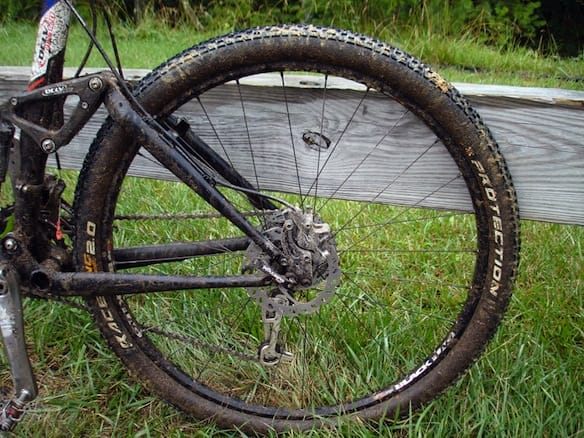
Real-world Examples Of Tire Costs
Let’s look at some actual prices from popular models in 2024:
- Maxxis Minion DHF 29 x 2.5: $89–$105 (premium)
- Schwalbe Nobby Nic 27.5 x 2.35: $65–$90 (mid-range)
- Continental Cross King 29 x 2.2: $45–$60 (budget to mid-range)
- Kenda Nevegal 26 x 2.1: $35–$55 (budget)
- Michelin Wild Enduro 27.5 x 2.4: $85–$115 (premium)
These prices are for single tires, and may vary based on tubeless compatibility, advanced rubber, or extra protection.
Credit: priceonomics.com
Common Mistakes When Buying Mountain Bike Tires
Avoiding mistakes can save you money and give you a better ride.
- Buying the wrong size: Always check your bike’s rim and fork clearance.
- Ignoring tread pattern: Choose tread based on your main terrain (mud, rocks, dry trails).
- Overpaying for features: Don’t buy expensive tires with features you won’t use.
- Mixing incompatible tires: Tubeless tires need tubeless rims.
- Skipping reviews: Read real rider feedback before buying.
How To Choose The Right Mountain Bike Tire For Your Budget
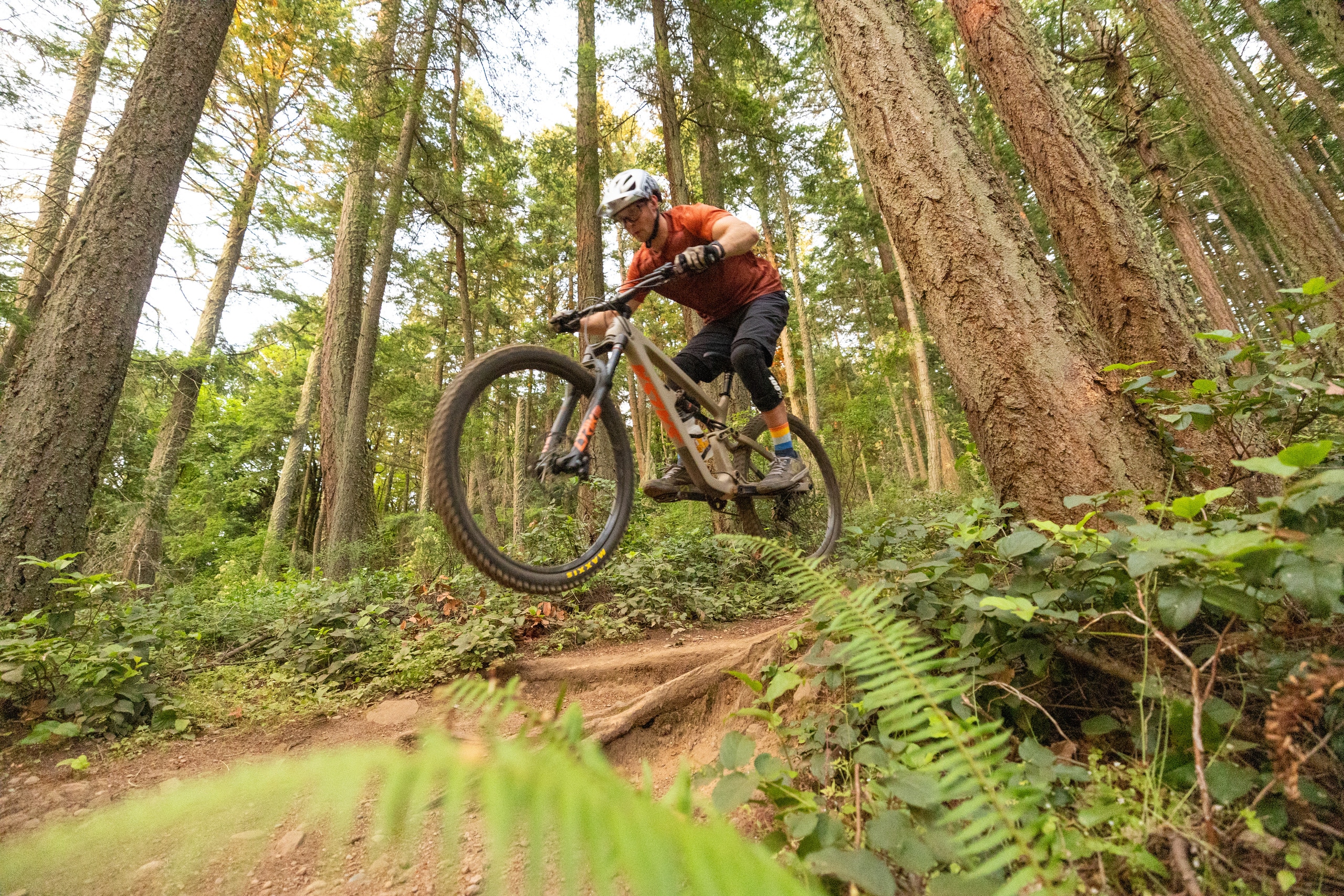
Selecting the right tire is about matching your needs to your wallet. Here’s a practical approach:
Step 1: Decide Your Riding Style
- Casual trails: Budget or mid-range tires are enough.
- Aggressive or competitive: Invest in premium tires.
Step 2: Match Tire Type To Terrain
- Hardpack/dry trails: Less aggressive tread, lower price.
- Loose/muddy terrain: More aggressive tread, higher price.
Step 3: Choose Tubeless Or Tube-type
- If you ride often or in rocky areas, tubeless pays off.
- For simple, cheap replacement, stick with tube-type.
Step 4: Set Your Budget
- Set a maximum price per tire.
- Consider buying last year’s model for savings.
Step 5: Check For Deals
- Look for sales, bundles, or off-season discounts.
Step 6: Read Reviews
- Use reviews to compare durability, grip, and puncture resistance.
Credit: www.rei.com
Cost Of Accessories And Extras
When buying mountain bike tires, don’t forget about extra costs:
- Inner tubes: $5–$10 each
- Tubeless sealant: $10–$20 per bottle (enough for 2–4 tires)
- Tire levers: $5–$15
- Patch kits: $5–$10
These add up, especially if you ride often or maintain multiple bikes.
Maintenance Costs Over Time
Tire maintenance is part of the total cost. Here’s what to expect:
- Replacing worn tires: $50–$100 per year for regular riders
- Fixing flats: $10–$30 per incident (tube and labor)
- Tubeless maintenance: $20–$40 per year for fresh sealant
If you ride daily, premium tires and tubeless systems can save money by reducing flat repairs.
Price Differences By Region
Tire prices change depending on where you live. In the US, prices are generally lower due to high competition and shipping options. In Europe and Asia, you may pay 10–25% more because of import fees and taxes.
Non-obvious insight: Sometimes ordering from a foreign retailer can save money, even after shipping. Just check compatibility and warranty support.
Tips For Saving Money On Mountain Bike Tires
Here are smart ways to lower your tire costs:
- Buy in bulk: Get pairs or bundles for discounts.
- Look for last year’s models: They often have similar features but cost less.
- Shop during sales: Black Friday, end-of-season, or holiday deals.
- Join local bike groups: Sometimes members sell unused tires cheaply.
- Check online forums: Used tires in good condition can be half the price.
For more research on tire technology and pricing, visit the Wikipedia Bicycle Tire page.

Credit: www.amazon.com
Frequently Asked Questions
How Much Should I Spend On Mountain Bike Tires As A Beginner?
Beginners should aim for mid-range tires ($40–$70 each). These offer a good balance of durability, grip, and price. Avoid very cheap tires unless you ride only occasionally on smooth trails.
Are Expensive Mountain Bike Tires Worth It?
Expensive tires are worth it for serious riders or those who ride in tough conditions. They offer better grip, durability, and performance. For casual use, mid-range tires are usually enough.
How Often Should I Replace My Mountain Bike Tires?
Replace tires when the tread is worn down, you notice frequent flats, or the sidewalls are damaged. For regular riders, this is usually every 1,000–2,000 miles.
What’s The Difference Between Tubeless And Tube-type Tires In Terms Of Cost?
Tubeless tires cost more upfront but save money over time by reducing flats and repairs. Tube-type tires are cheaper initially but may cost more in the long run if you ride rough terrain.
Can I Use Road Bike Tires On My Mountain Bike To Save Money?
No, road bike tires are not compatible with mountain bike rims and won’t handle rough terrain. Using them can lead to safety issues and faster wear.
Final Thoughts
Mountain bike tire prices can be confusing, but knowing what affects the cost and how to choose the right tire helps you make smarter decisions. Whether you’re a beginner or a pro, focus on the features you need, match your tire to your riding style and terrain, and don’t be afraid to look for deals.
Remember, tires are your connection to the trail—they’re worth investing in, but you don’t need to overspend. Use this guide to find the best balance of performance and price, and enjoy the ride with confidence.

Hello Guys! I am John Reese, a professional biker and my hobby is biking! I have been biking for last 12 years and I love using bikes while outing as well. Based on my experiences with the different type of bikes (mountain bikes, road bikes and hybrid bikes); I am sharing my opinion about various bikes so that a beginner can get started right away. Happy reading!