
Every mountain biker knows the satisfying feeling of a smooth, silent ride—no squeaks, no crunching, just pure flow. But that experience depends on one small detail: the care of your mountain bike chain. Among all maintenance tasks, lubing the chain often seems simple, but the right timing makes a huge difference. Lube too little, and you’ll hear grinding, wear parts quickly, and risk costly repairs. Do it too often, and you’ll attract dirt, creating a sticky mess. So, how often should you lube your mountain bike chain? If you ride trails often or just want the best for your bike, understanding the when, why, and how behind chain lubrication is essential.
This guide will cover everything you need to know about lubing your mountain bike chain: frequency, signs your chain needs lube, real-world examples, and even common mistakes. You’ll also find practical tips, tables comparing different lube types and riding conditions, and answers to the questions most riders ask.
Why Chain Lubrication Matters
A mountain bike chain is more than just a loop of metal—it’s the link that transfers your pedal power to the wheels. Every time you pedal, the chain’s pins, rollers, and plates move against each other and your gears. Without proper lubrication, metal grinds on metal, wearing down your chain and cassette fast.
The Effects Of Insufficient Lube
- Increased friction: More effort needed to pedal, less power to the wheel.
- Faster wear and tear: Chains, cassettes, and chainrings wear out sooner.
- Chain rust: Moisture and sweat can cause rust, weakening the chain.
- Poor shifting: The chain can skip or hesitate, especially under load.
- Noise: Squeaky or grinding sounds, a sure sign of trouble.
The Effects Of Over-lubing
- Dirt attraction: Extra lube collects dust, sand, and debris.
- Chain gunk: Sticky buildup increases friction and wears parts.
- Mess on frame: Dripping lube can stain your bike.
Getting the lube frequency right is the key to long-lasting performance and fewer repairs.
How Often Should You Lube A Mountain Bike Chain?
The answer isn’t one-size-fits-all. The ideal lubrication interval depends on several factors:
- Riding conditions: Wet, dry, muddy, dusty, or mixed.
- Lube type: Wet or dry lube.
- Bike usage: Distance, frequency, and style of riding.
- Chain cleanliness: A dirty chain needs different care than a clean one.
Let’s break it down further.
General Recommendations
Most mountain bikers should lube their chain every 100–150 miles (160–240 km) or after every 2–3 rides. However, this is just a starting point. Some riders need to lube more often, especially after wet or muddy rides.
Typical Lube Intervals By Condition
| Condition | Typical Lube Interval | Notes |
|---|---|---|
| Dry trails | Every 100–150 miles | Clean chain before lubing |
| Wet/muddy | After each ride | Moisture washes away lube |
| Dusty/sandy | Every 50–75 miles | Debris removes lube quickly |
| All-weather commuting | Every 3–5 rides | Monitor for noise/grit |
Real-world Example
Suppose you ride three times a week, covering 15 miles each ride on mixed terrain. With dry conditions, you’d lube about once per week. If you encounter mud or water crossings, you may need to lube after every ride.
When To Lube: Signs From Your Chain
Even the best schedule is just a guideline. Learn to listen to your bike. Here are signs your chain needs lube:
- Squeaking or creaking: The chain sounds “dry.”
- Chain feels stiff: Links don’t move smoothly.
- Visible rust: Orange spots, especially after rain.
- Dirty chain: Thick black gunk, especially after wet rides.
- Chain looks shiny and bare: No oily film on the links.
Pro tip: Run your finger along the chain (carefully). If it feels dry, it’s time for lube. If it’s sticky and black, clean and relube.
Lube Frequency By Lube Type
The type of lube you use changes how often you need to reapply:
| Lube Type | Best For | Reapply Interval | Notes |
|---|---|---|---|
| Wet lube | Rain, mud, winter | Every 75–100 miles | Attracts more dirt |
| Dry lube | Dry, dusty trails | Every 50–100 miles | Washes off easily |
| Ceramic/advanced lube | All conditions | Every 100–200 miles | Long-lasting, expensive |

Credit: www.wikihow.com
How To Lube A Mountain Bike Chain The Right Way
Lubing your chain isn’t just about squirting oil and riding off. A proper process makes your lube last longer and protects your gear.
- Clean the chain: Remove old lube and dirt using a chain cleaner or degreaser. Wipe dry with a cloth.
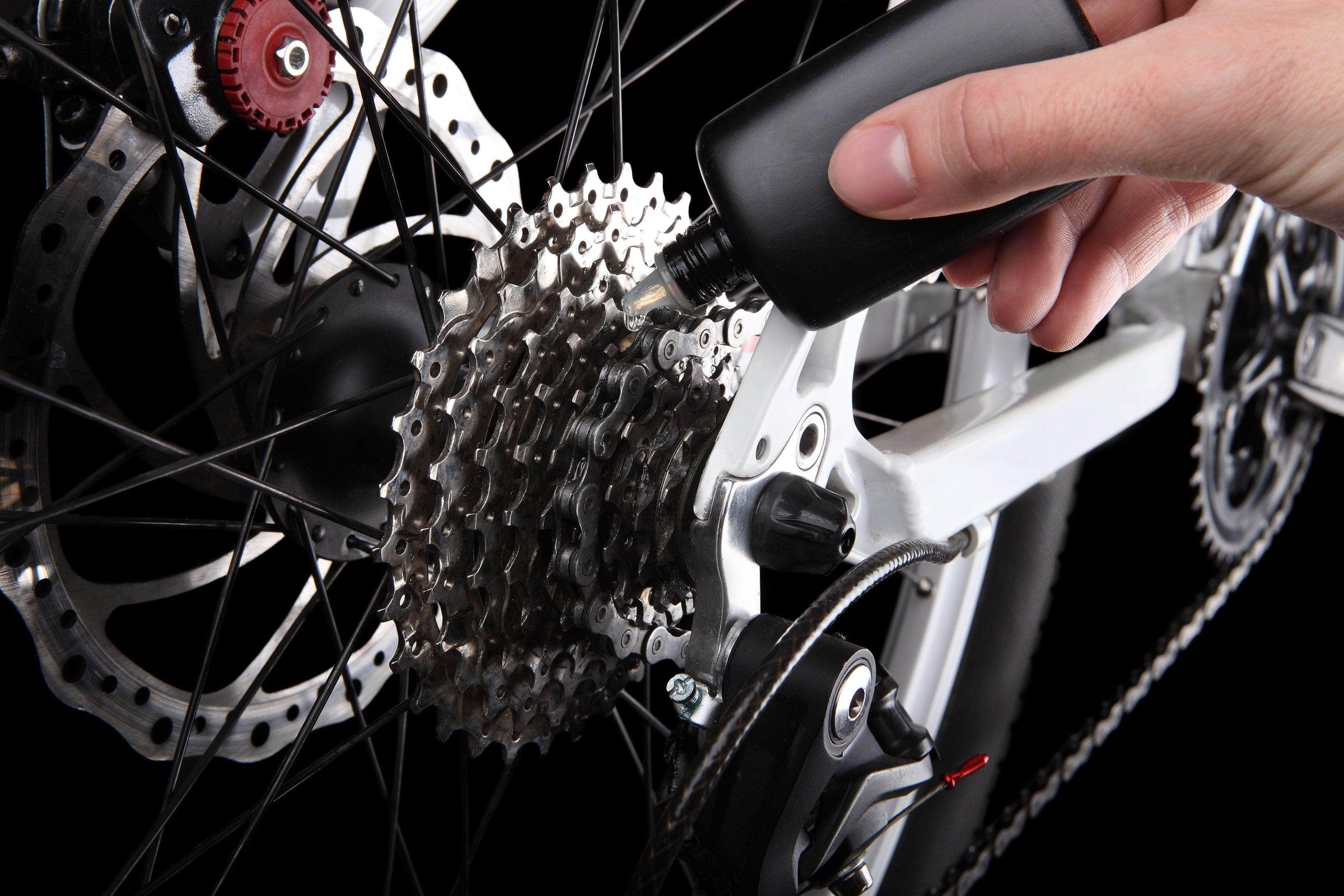
- Apply lube: Use a bicycle-specific chain lube. Drip one drop per link while turning the pedals backward.
- Let it soak: Wait 5–10 minutes for the lube to penetrate.
- Wipe off excess: Use a clean rag to remove extra lube from the outside of the chain. Only the inside of the links needs lube.
Common Mistakes To Avoid
- Lubing a dirty chain: This traps grit, creating a grinding paste.
- Applying too much lube: Extra lube only attracts dirt.
- Ignoring weather changes: Switch lube types as seasons change.
- Forgetting to wipe off excess: Always finish by cleaning the chain surface.
Factors That Affect Lube Frequency
No two riders are the same. Weather, terrain, and even your riding style can change how often you should reach for the bottle.
Riding Conditions
- Rain and mud: Water washes away lube. Mud acts like sandpaper.
- Dust and sand: Dry lube evaporates fast, and grit wears the chain.
- Snow and salt: Winter riding exposes your chain to road salt and ice, which quickly strip away lube and cause rust.
Terrain And Riding Style
- Aggressive riding: More force and shifting puts extra stress on the chain.
- Climbing: Steep hills mean more torque and faster wear.
- Commuting: City riding often means less dirt but more exposure to water and debris.
Chain And Drivetrain Quality
Higher-end chains sometimes have better plating or coatings, lasting longer between lubes. Still, all chains need regular attention.
Credit: bikerumor.com
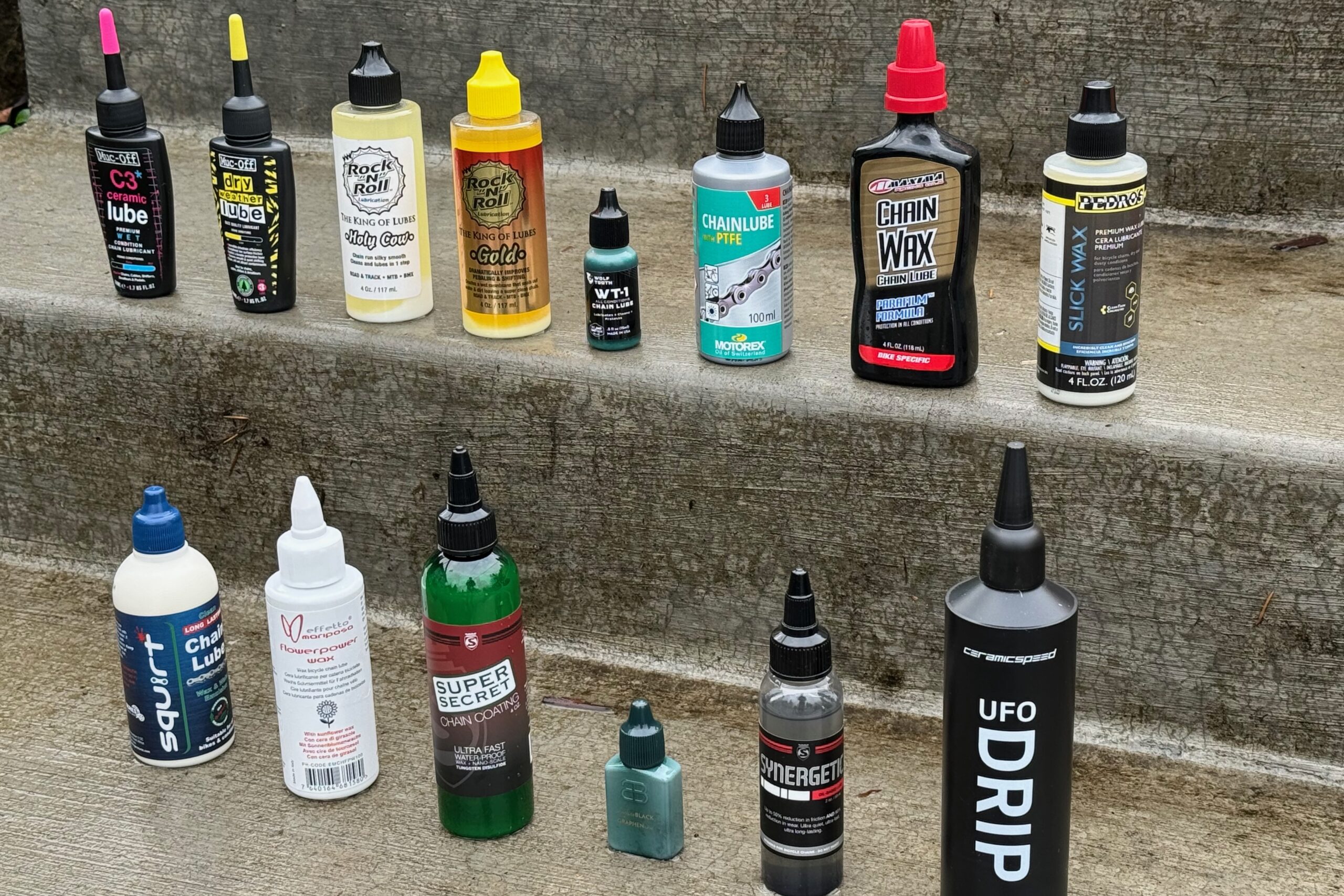
How Chain Lube Type Impacts Performance
Choosing the right lube isn’t just about how often you apply it—it also affects your ride quality, chain life, and even your health (fewer chain failures).
Comparing Wet Vs. Dry Lube
| Feature | Wet Lube | Dry Lube |
|---|---|---|
| Best for | Wet, muddy trails | Dry, dusty conditions |
| Longevity | Lasts longer, sticks well | Shorter, washes off easily |
| Dirt attraction | High | Low to moderate |
| Cleaning frequency | More often needed | Less frequent |
When To Switch Lube Types
- Spring/Summer: Use dry lube for less dirt buildup.
- Fall/Winter: Switch to wet lube for rain, mud, or snow.
Non-obvious tip: Some riders mix lubes for “shoulder seasons” (e.g., fall mud, dry afternoons). While not always recommended by manufacturers, experienced riders sometimes blend a few drops of wet and dry lube to balance performance.
How To Check Chain Wear And Lube Effectiveness
Lubing your chain on schedule is important, but you should also check for wear. A worn chain won’t hold lube well and can damage your cassette and chainrings.
How To Check Chain Wear
- Use a chain checker tool: Insert into the chain and read the wear indicator.
- Measure with a ruler: 12 full links should measure exactly 12 inches. More than 1/16 inch over means it’s time to replace the chain.
Insight: Over-lubing will not fix a worn chain. If your chain still runs noisy after cleaning and lubing, check for wear.
How To Tell If Lube Is Working
- The chain runs quietly and smoothly
- Shifting is crisp and reliable
- No visible rust or squeaking
- Minimal dirt buildup
Cleaning And Lubing After Wet Or Muddy Rides
One area where beginners often make mistakes is post-ride maintenance after mud, rain, or stream crossings.
Why Immediate Care Matters
Moisture and grit from wet rides strip away chain lube and can lead to rapid rust. Even a single neglected ride can shorten your chain’s life.
What To Do After A Wet Ride
- Rinse the chain with clean water to remove mud and grit.
- Dry thoroughly with a towel or compressed air.
- Apply lube while the chain is still warm (friction heats the metal and helps the lube penetrate).
- Wipe off excess after 10 minutes.
Pro tip: If you can’t clean your bike right away, at least spin the chain backward and lube it lightly to prevent rust until a full cleaning.
How Chain Lube Affects Your Bike’s Life And Performance
Longer Chain And Drivetrain Life
A well-lubed chain can last 2,000–3,000 miles or more, while a neglected one may wear out in 500–1,000 miles. Since a new chain is cheaper than a new cassette or chainring, proper lube saves money in the long run.
Improved Shifting And Power Transfer
Lubrication reduces friction, so your energy goes into the trail—not fighting a sticky chain. You’ll notice smoother gear changes and less effort to maintain speed.
Reduced Risk Of Chain Failures
A dry or rusty chain is more likely to break, especially on climbs or technical trails. Regular lube keeps every link moving freely.
Special Tips For Different Mountain Biking Styles
Cross-country (xc) Riders
- Clean and lube more often if riding long distances.
- Use lighter lubes for less drag.
Downhill/enduro Riders
- Expect more mud and water—wet lube is usually best.
- Check chain after every shuttle or lift-served ride.
Bikepacking And Long-distance
- Bring a small bottle of lube for multi-day rides.
- Wipe the chain daily, even if you don’t relube.
E-mtb Riders
- Extra torque from the motor means more frequent lubing.
- Use high-quality lube designed for higher loads.
Non-obvious insight: E-bikes put more strain on chains due to motor power. Lubricate at least every 2–3 rides, and check for stretch more often.
How To Choose The Best Chain Lube For Your Local Conditions
Not all lubes are created equal. Here’s how to pick the right one for your trails.
- Check the weather forecast: If rain is likely, use wet lube.
- Inspect your trails: Dry and dusty? Go with dry lube.
- Read reviews and tests: Some lubes claim to be “all conditions” but may not perform as well in real-world use.
- Test and observe: Try different lubes and see which keeps your chain running quietest and cleanest.
For more technical details on lubrication, visit the Wikipedia Bicycle Chain page.
Environmental And Health Considerations
Some chain lubes use chemicals that are not friendly to the environment. If you ride in sensitive areas or near streams, look for biodegradable lubes. Always avoid letting lube drip onto the ground.
Safety tip: Avoid getting lube on your brake rotors or pads—it can ruin braking power and is hard to clean off.
Frequently Asked Questions
How Do I Know If I’ve Used Too Much Lube?
If your chain feels sticky, collects a lot of black grime, or leaves marks on your calf, you’ve likely used too much. Always wipe off any visible excess after application.
Can I Use Household Oil Or Wd-40 Instead Of Bike-specific Lube?
WD-40 is a cleaner, not a true lubricant. Household oils often attract too much dirt or can damage O-rings. Always use a bicycle-specific chain lube for the best results.
What Happens If I Forget To Lube My Chain?
A neglected chain will wear out quickly, may start to rust, and can cause rough shifting or chain breakage. Always lube as soon as you remember, and clean the chain if it looks dirty.
Should I Lube After Every Ride?
For most riders, this isn’t necessary unless you’ve ridden in wet, muddy, or dusty conditions. For typical dry rides, lube every 2–3 rides or about every 100–150 miles.
How Long Should I Wait After Lubing Before Riding?
Let the lube soak in for 5–10 minutes, then wipe off the excess. For best results, let it sit overnight. This allows the lube to penetrate fully and keeps your chain cleaner.
A well-lubed chain is the heart of a smooth, reliable mountain bike ride. Understanding when and how to lube your chain can save you effort, money, and frustration. Pay attention to your riding conditions, clean your chain regularly, and use quality lube.
Your bike will reward you with quiet rides, crisp shifting, and a much longer life. With just a few minutes of care, you’ll get the best from every ride and avoid costly repairs down the line.
Credit: bicyclewarehouse.com

Hello Guys! I am John Reese, a professional biker and my hobby is biking! I have been biking for last 12 years and I love using bikes while outing as well. Based on my experiences with the different type of bikes (mountain bikes, road bikes and hybrid bikes); I am sharing my opinion about various bikes so that a beginner can get started right away. Happy reading!