
Adjusting the brakes on your Huffy mountain bike is one of the most important things you can do for your safety and riding experience. Many riders worry that brake adjustments are only for skilled mechanics, but with some patience and the right guide, you can do it yourself.
This article covers every step you need, explains each part in simple terms, and helps you avoid common mistakes. Whether you ride on city streets or rocky trails, well-tuned brakes give you better control and confidence.
You will learn about different Huffy brake systems, the tools you need, and how to make sure your brakes work smoothly. You’ll also see real examples, tables comparing brake types, and practical tips that save time. Even if you’ve never fixed a bike before, you can follow along and finish with brakes that feel safe and strong.
Understanding Huffy Mountain Bike Brakes
Before you start adjusting, it’s essential to know what type of brakes your Huffy mountain bike uses. Most Huffy models come with either rim brakes (like V-brakes or cantilever) or disc brakes (mechanical or hydraulic). The adjustment steps are a bit different depending on the brake type.
Types Of Brakes Found On Huffy Mountain Bikes
Here’s a comparison of the most common brake types you’ll find on Huffy mountain bikes:
| Brake Type | How It Works | Common Models | Adjustment Difficulty |
|---|---|---|---|
| V-brakes (Linear-pull) | Pads squeeze rim sides | Huffy Rock Creek, Huffy Stone Mountain | Easy |
| Cantilever Brakes | Arms pull from center, pads hit rim | Older Huffy models | Medium |
| Mechanical Disc Brakes | Cable pulls caliper, pads clamp disc | Huffy Escalate, Huffy Scout | Medium |
| Hydraulic Disc Brakes | Fluid pushes caliper pistons | High-end Huffy models | Advanced |
Most riders have V-brakes or mechanical disc brakes. Hydraulic disc brakes are rare on Huffy bikes and require special skills.
Key Parts Involved In Brake Adjustment
To understand what you’ll be adjusting, here are the main parts:
- Brake lever: The handle you squeeze.
- Brake cable: The wire connecting the lever to the brakes.
- Brake caliper or arm: The part holding the brake pads.
- Brake pads: The rubber or metal parts that press against the rim or disc.
- Brake rotor: The disc attached to the wheel (for disc brakes).
- Barrel adjuster: A small knob that fine-tunes cable tension.
- Brake bosses or mounts: Where the brake attaches to the frame or fork.
Knowing these helps you follow each step with confidence.
Tools And Supplies You’ll Need
You don’t need an expensive toolkit. Most adjustments use basic tools found at home or in a simple bike repair kit.
Here’s what you’ll need:
- 5mm and 6mm Allen wrenches (most Huffy brakes use these)
- Phillips and flathead screwdrivers
- Cable cutters or strong scissors (only if you need to replace cables)
- Needle-nose pliers
- Bike lubricant (for cables, not for the brake pads or rims/rotors)
- Clean rag
- Rubbing alcohol (for cleaning disc rotors or rims)
Optional but helpful:
- Bike stand (makes work easier, but not required)
- Spare brake pads (if your current ones are worn)
- Zip ties (for tidying cables)
A tip beginners miss: Always check your tools before starting. Using the wrong size wrench can strip bolts and make adjustment much harder.
How To Check If Your Brakes Need Adjustment
Not sure if your Huffy’s brakes need a tune-up? Here are signs to look for:
- Brakes feel loose when you squeeze the lever
- Braking is weak or you need to pull the lever all the way to the handlebar
- Brakes rub against the wheel when not in use
- Squealing or grinding noises when braking
- Lever pulls unevenly or one pad hits before the other
Another sign: If your bike’s stopping distance has increased, your brakes need attention. Don’t wait until you can’t stop—adjust them as soon as you notice a change.
Step-by-step Guide: Adjusting V-brakes On A Huffy Mountain Bike
V-brakes are the most common on Huffy mountain bikes. Adjusting them takes about 15–30 minutes.
1. Inspect Brake Pads And Cables
- Check brake pads: Look for grooves. If they’re flat or less than 3mm thick, replace them.
- Check cable condition: Frayed or rusty cables should be replaced.
- Clean rims and pads: Use rubbing alcohol and a clean rag.
Non-obvious tip: Clean your rims before adjusting. Dirt or oil on the rim can make brakes feel weak, even if everything is adjusted correctly.
2. Center The Brake Arms
- Squeeze the brake lever lightly and watch both pads.
- If one pad touches first or stays closer, the arms need centering.
- Find the small screws (usually on each arm near the frame).
- Turn the screw on the side that moves less clockwise to bring the pad out, or turn counter-clockwise to bring it in.
- Repeat on both sides until both pads move together.
3. Adjust Cable Tension
- Loosen the cable anchor bolt (holds the cable to the brake arm) with a 5mm Allen wrench.
- Squeeze the brake arms together by hand so the pads lightly touch the rim.
- Pull the cable tight and re-tighten the bolt.
- Test the lever. It should feel firm and not touch the handlebar.
- Fine-tune with the barrel adjuster (at the lever or brake arm): Turn out to tighten, in to loosen.
Beginner mistake: Over-tightening the cable can make the brakes rub the rim constantly. Always check wheel movement after adjusting.
4. Align Brake Pads
- Loosen the bolt holding each pad with an Allen wrench.
- Position pads so they hit the rim flat (not the tire or below the rim).
- Tighten bolts while holding pads in the correct spot.
- Pads should sit 1–2mm from the rim when at rest.
5. Test And Fine-tune
- Spin the wheel. Pads should not touch the rim unless you pull the lever.
- Squeeze the lever. The bike should stop quickly, and the lever should not touch the handlebar.
- If needed, adjust pad position, cable tension, or centering screws again.
If the brake still feels weak or squeals, check pad condition and rim cleanliness again.
Adjusting Mechanical Disc Brakes On A Huffy Mountain Bike
Mechanical disc brakes are now common on mid- and high-level Huffy bikes. They offer strong stopping power and are good for muddy or wet riding.
1. Inspect Rotor And Pads
- Look at the rotor (the disc attached to the wheel). It should be clean and not warped.
- Check brake pads for thickness. Replace if less than 1.5mm.
- Clean rotor and pads with rubbing alcohol—never use oil or WD-40.
2. Center The Caliper
- Loosen both caliper mounting bolts (usually 5mm Allen) so the caliper can move.
- Squeeze and hold the brake lever.
- While holding the lever, tighten both bolts evenly.
- Release the lever and spin the wheel. The rotor should not rub.
Non-obvious insight: Always tighten caliper bolts evenly. If you tighten one side first, the caliper can twist and rub the rotor.
3. Adjust Pad Clearance
- Find the pad adjustment dial or screw (usually on the inside of the caliper).
- Turn clockwise to move the pad closer, counter-clockwise to move it away.
- Adjust until both pads sit close to the rotor but do not rub.
- Test the lever. It should feel firm and stop the wheel quickly.
4. Adjust Cable Tension
- Loosen the cable anchor bolt.
- Pull the cable tight, then re-tighten the bolt.
- Fine-tune with the barrel adjuster at the lever or caliper.
If the lever pulls too far, increase tension. If the wheel won’t spin freely, loosen tension.
5. Test And Inspect
- Spin the wheel. Listen for rubbing.
- Squeeze the lever hard. The bike should stop quickly.
- If you hear a scraping sound, the rotor may be slightly bent. You can gently straighten it with an adjustable wrench, but be careful.
Adjusting Cantilever Brakes
Cantilever brakes are less common but still appear on some older Huffy models.
- The process is similar to V-brakes, but the cable attaches in the center and pulls both arms up.
- Centering is usually done with a screw on each arm.
- Pad alignment is especially important to avoid rim or tire damage.
Tip: Cantilever brakes are more sensitive to cable tension. Make small adjustments and test often.
When And How To Replace Brake Pads
Brake pads wear out with use. Here’s how to know when to replace them:
- V-brake or cantilever pads: Replace if grooves are gone or thickness is under 3mm.
- Disc brake pads: Replace if under 1.5mm or if you hear metal scraping.
To replace:
- Remove the old pads (slide or unscrew, depending on type).
- Clean the mounting surface.
- Install new pads, making sure they’re aligned.
- Re-adjust the brakes as described above.
Non-obvious insight: After installing new pads, “bed them in” by riding slowly and braking repeatedly. This helps them grip better.
Dealing With Common Brake Problems
Even with perfect adjustment, you might run into issues. Here’s how to solve them:
Squeaky Brakes
- Clean rims, rotors, and pads with alcohol.
- For V-brakes, set the front of the pad slightly closer to the rim (“toe-in”).
- For disc brakes, make sure pads and rotors are dry and oil-free.
Weak Braking
- Check for worn pads.
- Clean rims or rotors.
- Increase cable tension slightly.
Brakes Rubbing
- Center brake arms or caliper.
- Make sure the wheel is straight in the frame.
- Adjust pad clearance.
Lever Feels Spongy
- For mechanical brakes, tighten the cable.
- For hydraulic brakes (rare on Huffy), you may need to bleed the system.
Brake Cable Fraying
- Replace with a new cable.
- Use a cable end cap to prevent future fraying.

Credit: www.youtube.com
Safety Checks And Test Ride
After adjustments, always double-check your work:
- Make sure all bolts are tight.
- Spin both wheels to confirm pads don’t rub.
- Squeeze each brake hard—your bike should stop quickly and smoothly.
- Go for a short test ride. Test both brakes in a safe area. Listen and feel for any problems.
A good habit: Check your brakes before every ride. Small problems are easier to fix early.
Essential Maintenance Tips For Long-lasting Brakes
Keeping your Huffy mountain bike brakes in top shape doesn’t stop at adjustment. Regular care prevents problems and keeps you safe.
- Wipe rims or rotors regularly to remove dirt and oil.
- Check brake pads every month for wear.
- Lubricate cables lightly every few months (not pads or rims).
- Inspect cables for rust or fraying.
- Tighten all brake bolts as part of your monthly bike check.
If you ride in muddy or wet conditions, clean your brakes more often. Mud and water can reduce braking power and wear out pads faster.
When To Seek Professional Help
Some problems are hard to fix at home, especially if parts are bent or damaged. Here’s when to visit a bike shop:
- The brake lever pulls all the way with little stopping power, even after adjusting.
- You hear grinding metal sounds.
- The rotor is badly bent or cracked.
- Hydraulic brakes need bleeding (if your Huffy model has them).
- You’re not confident with any repair.
A bike shop can also help with upgrades, like switching to disc brakes or installing higher-quality pads.
How Huffy Mountain Bike Brakes Compare To Other Brands
Many riders wonder if Huffy brakes are as good as those on other bikes. Here’s a side-by-side comparison of common features:
| Feature | Huffy | Entry-Level Trek | Entry-Level Giant |
|---|---|---|---|
| Brake Type | V-brake/Mechanical Disc | V-brake/Mechanical Disc | V-brake/Mechanical Disc |
| Adjustment Needed | Frequently | Occasionally | Occasionally |
| Pad Quality | Standard/Basic | Standard/Upgradable | Standard/Upgradable |
| Parts Compatibility | Good | Excellent | Excellent |
Huffy brakes are easy to maintain, and replacement parts are widely available. However, they may need more frequent adjustment, especially after rough rides.
Upgrading Your Huffy Mountain Bike Brakes
If you want stronger or more reliable brakes, you can upgrade your Huffy’s system. Here’s what to consider:
- Higher quality pads: Last longer and offer better grip.
- Upgraded cables: Smoother feel and less stretch.
- Switching to disc brakes: If your frame allows, disc brakes give better performance in wet or muddy conditions.
- Levers and calipers: Aftermarket options can improve feel and power.
Before upgrading, check your bike’s frame and fork for compatibility. Some older Huffy bikes only support V-brakes.
Environmental Factors That Affect Brake Performance
Where you ride changes how your brakes work:
- Wet conditions: Rim brakes lose some power; disc brakes perform better.
- Mud and dust: Can wear pads faster and clog mechanisms.
- Cold temperatures: Hydraulic fluid can thicken (for hydraulic disc brakes).
- Steep hills: More frequent adjustment needed due to pad wear.
Tip: After riding in harsh conditions, always clean and inspect your brakes.
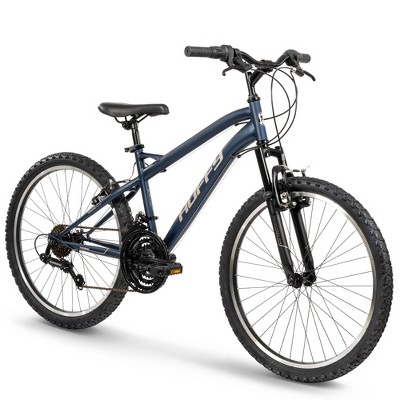
Credit: www.target.com
Real-world Example: Adjusting Huffy Brakes After A Trail Ride
Let’s look at a common situation. You ride your Huffy Stone Mountain on a muddy trail. Afterward, your brakes are squeaky and feel weak.
- You clean the rims and pads with alcohol.
- You check pad thickness—still okay.
- You center the brake arms and adjust cable tension.
- On a test ride, brakes feel strong again.
This shows why regular checks and cleaning are as important as adjustment.
Troubleshooting Table: Quick Brake Fixes
Here’s a handy guide for fast problem-solving:
| Problem | Likely Cause | Solution |
|---|---|---|
| Lever pulls to handlebar | Loose cable or worn pads | Tighten cable, replace pads |
| Brakes squeal loudly | Dirty rim/pads or poor alignment | Clean, align pads with “toe-in” |
| Wheel rubs when spinning | Brake arms/caliper off-center | Re-center arms/caliper |
| Weak stopping power | Dirty rim/rotor, glazed pads | Clean, sand pads lightly |
| Cable fraying | Old or damaged cable | Replace cable, use end cap |

Credit: bicycles.stackexchange.com
Frequently Asked Questions
What’s The Best Way To Tell If My Brake Pads Need Replacing?
Check pad thickness. For rim brakes, pads should have grooves and be at least 3mm thick. For disc brakes, pads should be at least 1. 5mm thick. If you hear metal scraping or feel weak braking, replace pads immediately.
How Often Should I Adjust My Huffy Mountain Bike Brakes?
Check and adjust brakes every 1–2 months, or after any rough ride. If you ride in wet, muddy, or dusty conditions, check more often. Always inspect before long rides.
Can I Upgrade My Huffy Mountain Bike To Disc Brakes?
It depends on your frame and fork. Many newer Huffy models support disc brakes, but older ones may not have the correct mounts. Check your bike’s frame for disc brake tabs. For more on compatibility, see Sheldon Brown’s Disc Brake Guide.
Why Do My Brakes Squeal After Adjustment?
Squealing can be caused by dirty rims or rotors, misaligned pads, or glazed pads. Clean all surfaces with rubbing alcohol and try adjusting the pad angle so the front edge touches first (“toe-in”).
Is It Safe To Ride If One Brake Is Not Working Perfectly?
No. Both front and rear brakes should work well. Riding with one faulty brake is dangerous, especially on hills or in traffic. Adjust or repair your brakes before your next ride.
Keeping your Huffy mountain bike brakes in good shape is a simple skill that makes every ride safer. With regular checks, cleaning, and the right adjustments, you’ll enjoy smooth stops and more confidence on every trail or road. Even if you’re new to bike maintenance, following these steps gives you control over your bike’s safety.
Happy riding!

Hello Guys! I am John Reese, a professional biker and my hobby is biking! I have been biking for last 12 years and I love using bikes while outing as well. Based on my experiences with the different type of bikes (mountain bikes, road bikes and hybrid bikes); I am sharing my opinion about various bikes so that a beginner can get started right away. Happy reading!