
Finding the right fit for your full face mountain bike helmet is not just about comfort—it’s about safety, performance, and confidence. A helmet that fits poorly can reduce protection, distract you while riding, and even cause headaches or skin irritation. Many riders, especially beginners, underestimate how crucial fit is. This guide will help you understand every aspect of fitting a full face mountain bike helmet, from measuring your head to testing the helmet’s stability and safety features. By the end, you’ll know how to choose a helmet that feels right, protects you properly, and lets you focus on enjoying the trail.
Why Fit Matters For Full Face Mountain Bike Helmets
Full face helmets are designed for maximum protection, covering your entire head, face, and jaw. This makes fit even more important than with regular bike helmets. If a helmet is too loose, it can move during a crash, exposing your head. If it’s too tight, it can cause discomfort and make you less likely to wear it.
A well-fitting helmet will:
- Stay in place during riding and impacts
- Distribute force evenly if you crash
- Prevent pressure points and headaches
- Allow clear vision and easy breathing
- Support long rides without discomfort
Statistically, head injuries are reduced by up to 60% with properly fitted helmets, according to the Centers for Disease Control and Prevention. For downhill mountain biking, where speeds are high and crashes can be severe, this protection is vital.
Understanding Helmet Sizing
Before you buy, you need to know your head circumference. Helmet sizes are usually measured in centimeters (cm) and sometimes inches.
How To Measure Your Head
- Use a soft measuring tape.
- Wrap it around your head, just above your eyebrows and ears—this is the widest part.
- Note the measurement in centimeters.
Most helmet brands provide a sizing chart. For example:
| Head Circumference (cm) | Helmet Size |
|---|---|
| 52–54 | Small |
| 55–58 | Medium |
| 59–62 | Large |
| 63+ | Extra Large |
Tip: Brands may vary slightly. Always check the specific brand’s chart.
Common Sizing Mistakes
- Measuring too high or low on your head
- Using a non-flexible tape (like string)
- Ignoring your head shape (round vs oval)
Some helmets are designed for round heads, others for oval. Trying helmets in person is best, but online guides can help. When possible, check if the brand offers adjustable padding or liners for fine-tuning.
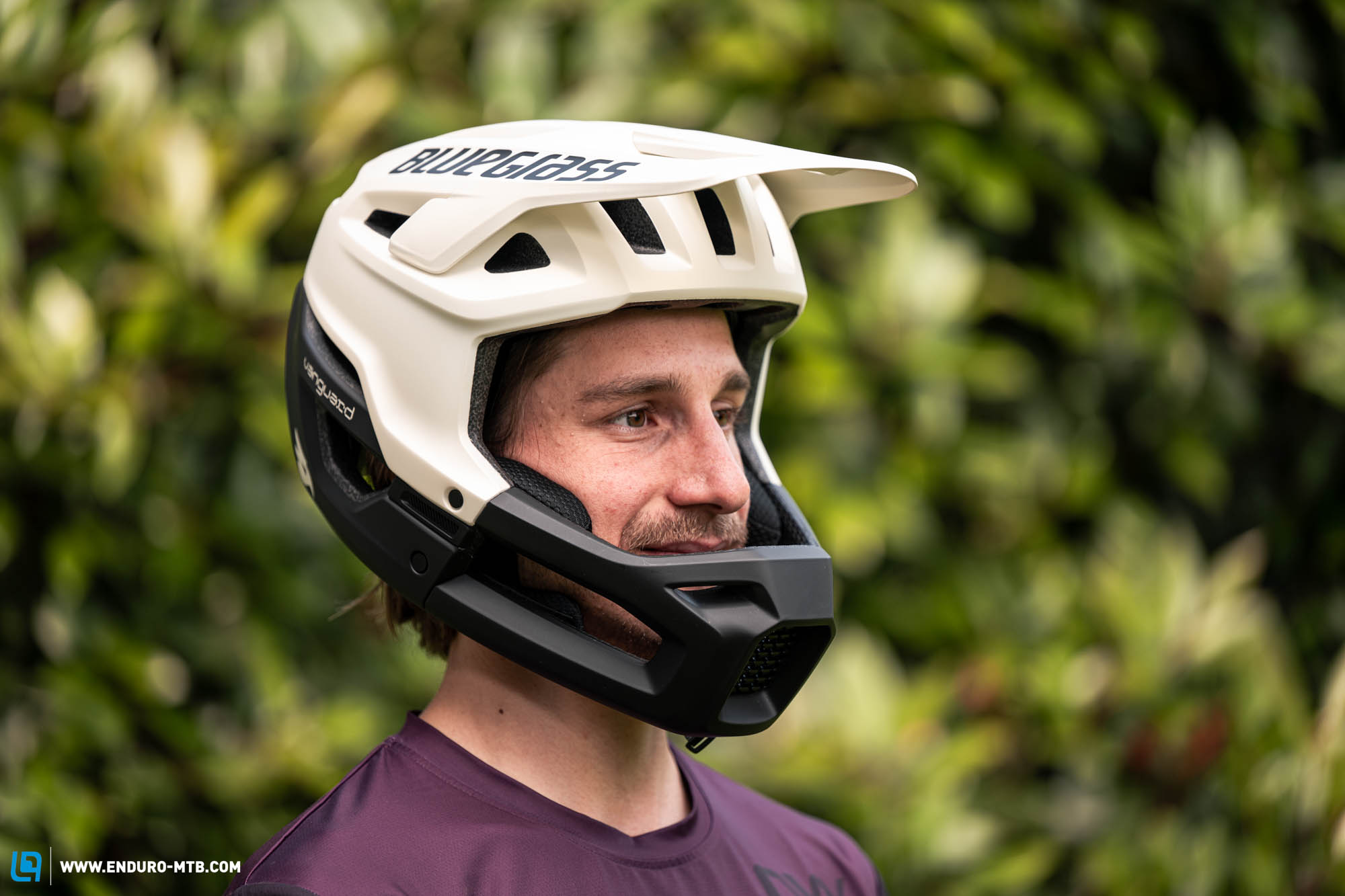
Credit: enduro-mtb.com
The Right Fit: What Should It Feel Like?
A full face helmet should feel snug but not tight. Here’s what to check:
- The helmet should sit level on your head, not tilted.
- It should touch all parts of your head without squeezing.
- Cheek pads should press gently against your cheeks.
- There should be no gaps between your head and the helmet, especially at the crown and sides.
Quick Fit Checklist
- Helmet moves slightly when you shake your head, but doesn’t slide off
- No pressure points or pain after 5 minutes
- You can close your mouth comfortably with cheek pads in place
- Chin strap is secure, but not choking
If you feel any sharp pain or numbness, the helmet is too small. If you can move the helmet easily, it’s too big.
Trying On And Testing Full Face Helmets
Wearing a helmet for 30 seconds isn’t enough. Spend at least 5–10 minutes with it on. Here’s how to test:
Step-by-step Fit Test
- Place the helmet on your head, pull the straps back, and fasten the chin strap.
- Wiggle your head side to side and up/down. The helmet should follow your movements without lagging.
- Open and close your mouth. You should feel the cheek pads move slightly.
- Look up, down, and side to side. Vision should be clear—no blocked sight lines.
- Tap the helmet gently. It should not shift or bounce.
Example: Downhill Riding Test
If possible, simulate riding posture. Lean forward as you would on a downhill bike. Notice if the helmet feels heavier or slips backward. Some helmets feel fine upright but slip when you lean forward.
Non-obvious insight: Many riders forget to check how the helmet fits with their goggles. Full face helmets often need to work with goggles. Try both together to see if there’s pressure on your nose or gaps around the eyes.

Credit: www.reddit.com
Key Features That Affect Fit
Not all full face helmets are the same. Some features can change how the helmet fits and feels.
Adjustable Padding
Most helmets include removable pads or liners. These allow you to fine-tune the fit. If you find a helmet that is slightly loose, adding extra padding can help. If it’s too tight, removing a pad might solve the problem.
Ventilation
Full face helmets cover more skin, so ventilation is important. Too little airflow can cause sweating and discomfort. Look for:
- Large vents on the chin, forehead, and sides
- Removable vent covers for colder rides
Weight
Heavier helmets feel more secure but may cause neck fatigue. Light helmets are more comfortable but sometimes offer less protection. Choose a helmet that balances weight and safety.
Retention Systems
Some helmets use adjustable dial systems at the back. These help to fine-tune the tightness. Others rely only on pads and straps.
| Feature | Impact on Fit | Best For |
|---|---|---|
| Adjustable Padding | Fine-tunes fit, reduces pressure points | Riders with unique head shapes |
| Ventilation | Prevents overheating, increases comfort | Long rides, hot climates |
| Retention System | Allows quick adjustments | Frequent riders, changing conditions |
Safety Standards And Certifications
A helmet must fit well and meet safety standards. Look for certifications like:
- CPSC (Consumer Product Safety Commission)
- ASTM F1952 (Downhill mountain biking)
- EN 1078 (European standard)
- Snell (High-impact protection)
These standards mean the helmet has passed impact tests. A helmet that meets these standards but doesn’t fit correctly won’t protect you as intended.
Real-world Example
In one study, helmets that slipped during impacts failed to protect the jaw and forehead. Proper fit was as important as material and design. Always check for stickers or documentation showing certification.
Common Fit Problems And Solutions
Even experienced riders make mistakes. Here are some typical issues and how to fix them:
Helmet Too Tight
Symptoms:
- Red marks on skin
- Headaches after riding
- Difficulty fastening chin strap
Solutions:
- Try a larger size
- Remove some padding
- Check for oval vs round helmet shapes
Helmet Too Loose
Symptoms:
- Helmet shifts during riding
- Gaps at the sides or crown
- Chin strap doesn’t help
Solutions:
- Add extra padding
- Tighten retention system
- Try a smaller size
Cheek Pads Too Firm
Symptoms:
- Difficulty breathing or talking
- Pressure on jaw
Solutions:
- Cheek pads often soften after 1–2 rides
- Replace with thinner pads if possible
Vision Blocked
Symptoms:
- Helmet covers eyebrows or eyes
- Goggles don’t fit well
Solutions:
- Adjust helmet position
- Try different goggles
- Choose a helmet with a wider eye port
Non-obvious insight: Some riders don’t realize that helmet pads compress over time. What feels tight in the store may loosen after a few rides. If a helmet feels almost right, give it a chance to break in.
When To Replace Your Full Face Helmet
Even the best helmet loses effectiveness over time. Replace your helmet if:
- You crash and hit your head (even if damage isn’t visible)
- Helmet is older than 5 years (materials degrade)
- Pads or straps no longer fit securely
- Shell is cracked or dented
Modern helmets often include manufacture dates inside. Check yours and replace if needed. Old helmets may not meet current safety standards.

Credit: www.youtube.com
Comparing Different Full Face Helmet Brands
Brands vary in shape, padding, and features. Here’s a quick comparison of popular models:
| Brand | Typical Fit | Key Features | Price Range |
|---|---|---|---|
| Bell | Round to oval | Adjustable pads, good ventilation | $100–$400 |
| Fox | Oval | Lightweight, wide eye port | $150–$350 |
| Giro | Round | Dial retention, plush cheek pads | $120–$300 |
| Troy Lee Designs | Oval | Premium materials, stylish design | $200–$500 |
Tip: Always try helmets from different brands. Your head shape may fit one brand much better than another.
Practical Tips For Buying And Fitting
A few practical steps can help you find the perfect helmet:
- Try before you buy. If possible, visit a bike shop and try on several helmets. Bring your goggles and gloves.
- Wear the helmet for 10–15 minutes. Walk around, simulate riding, and see if discomfort develops.
- Check reviews and expert opinions. Look for feedback from riders with similar head shapes.
- Consider adjustability. Helmets with removable pads or dial systems are easier to fit.
- Don’t buy based on color or style alone. Fit and safety are more important than looks.
Caring For Your Helmet To Maintain Fit
Proper care keeps your helmet fitting well and lasting longer.
Cleaning
- Remove pads and wash them regularly (hand wash, air dry)
- Wipe the shell with a damp cloth—avoid harsh chemicals
Storage
- Keep helmet out of direct sunlight (UV rays weaken materials)
- Store in a cool, dry place
- Avoid leaving helmet in your car, as heat can deform padding
Adjusting Over Time
- Pads compress—replace them every year or as needed
- Check straps and retention systems for wear
Non-obvious insight: Some riders leave their helmet straps loose for comfort. This reduces protection. Always keep straps snug and check them before each ride.
Frequently Asked Questions
How Tight Should A Full Face Mountain Bike Helmet Be?
A helmet should be snug but comfortable. It should touch all parts of your head without squeezing hard. You should be able to shake your head and feel the helmet move with you, but not slide off or shift. Cheek pads should press gently, and the chin strap should be secure but not restrict breathing.
Can I Use A Full Face Helmet For Other Sports?
Full face mountain bike helmets are designed for cycling impacts. They may not offer the same protection as motocross or motorcycle helmets, which handle higher speeds and forces. For other sports, use helmets certified for those activities.
How Do I Know If My Helmet Fits My Head Shape?
Try different brands and models. Some helmets are made for round heads, others for oval heads. If you feel pressure at the front or sides, try a different shape. Removable pads can help, but the shell shape is most important.
Should I Replace My Helmet After A Crash?
Yes. Even if damage isn’t visible, the helmet may have lost its protective strength. Most experts recommend replacing your helmet after any crash where you hit your head.
What Is The Best Way To Clean And Maintain My Helmet?
Remove the pads and wash them by hand with mild soap. Wipe the shell with a damp cloth. Store your helmet in a cool, dry place, away from sunlight and heat. Regularly check straps and pads for wear.
For more detailed information on helmet safety standards, visit the CDC Helmet Safety Guide.
Getting the fit right for your full face mountain bike helmet is one of the most important steps you can take for safety and comfort. Take your time, test different options, and always prioritize fit and protection over style or price.
With the right helmet, you’ll ride with confidence, knowing you’re protected and ready for any challenge the trail brings.

Hello Guys! I am John Reese, a professional biker and my hobby is biking! I have been biking for last 12 years and I love using bikes while outing as well. Based on my experiences with the different type of bikes (mountain bikes, road bikes and hybrid bikes); I am sharing my opinion about various bikes so that a beginner can get started right away. Happy reading!