
Choosing the right mountain bike height can be confusing, especially if you’re new to biking. A bike that’s too tall or too short can make riding uncomfortable and even dangerous. You may feel pain in your knees, struggle to control your bike, or simply find yourself avoiding rides.
But finding the best mountain bike height isn’t just about comfort. It impacts your performance, safety, and enjoyment on the trail.
Getting the right bike size is more than just checking a number on the frame. It involves your body measurements, riding style, and the type of trails you ride. Many beginners miss important details, like how seat height and handlebar position affect their ride.
This guide will help you understand every aspect of mountain bike height, from frame sizing to fitting your bike perfectly. By the end, you’ll know how to choose and adjust your mountain bike so it feels like it was made for you.
Why Mountain Bike Height Matters
A mountain bike that fits well lets you ride longer, push harder, and enjoy the trail more. Here’s why bike height is important:
- Comfort: A bike that’s too tall can stretch your legs and arms, causing discomfort. Too short, and you feel cramped.
- Efficiency: The right height lets you pedal smoothly, saving energy.
- Safety: Proper bike size gives you better control, reducing the risk of accidents.
- Injury Prevention: A poor fit can lead to knee, back, or wrist pain over time.
Many riders think only about the frame size. But seat height, handlebar position, and even pedal placement are just as important. Beginners often miss these details, leading to common mistakes.
Understanding Mountain Bike Sizing
Mountain bike size is mostly about the frame height. Manufacturers measure this as the length of the seat tube (from the bottom bracket to the top of the tube). Bike sizes are usually given in inches (like 17” or 19”) or as Small, Medium, Large, etc.
But frame height isn’t the only factor. Here are three key measurements:
- Seat Tube Length: This is the classic frame height.
- Top Tube Length: The horizontal distance from seat to handlebars.
- Standover Height: How much space you have between the top tube and your crotch when standing.
Frame Size Examples
Most brands offer a size chart. For example:
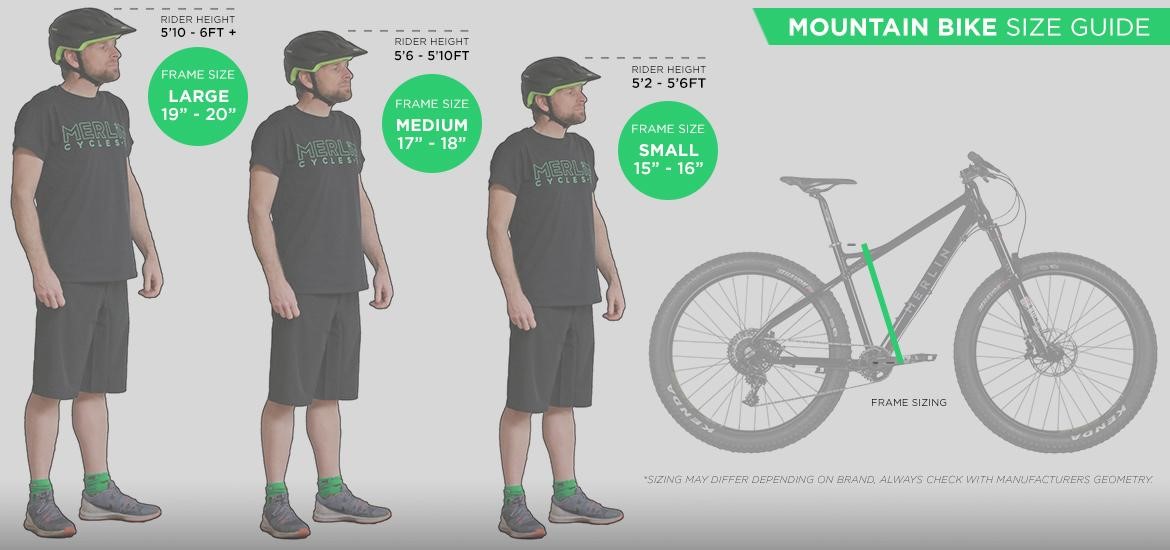
- Small: 15-16” seat tube, for 5’2”–5’6” riders
- Medium: 17-18” seat tube, for 5’6”–5’10” riders
- Large: 19-20” seat tube, for 5’10”–6’2” riders
But these are just starting points. Your body proportions and riding style also matter.
Measuring Your Body For Mountain Bike Height
Before you buy a mountain bike, measure your inseam. This is the distance from your crotch to the floor. It’s the most important measurement for bike sizing.
How To Measure Your Inseam
- Stand with your feet about 6 inches apart.
- Place a book between your legs, up to your crotch.
- Measure from the top of the book to the floor.
Once you have your inseam, use it to find the right frame size.
| Rider Height | Inseam | Suggested Frame Size |
|---|---|---|
| 5’2″–5’6″ | 27″–29″ | 15″–16″ (Small) |
| 5’6″–5’10” | 29″–31″ | 17″–18″ (Medium) |
| 5’10″–6’2″ | 31″–33″ | 19″–20″ (Large) |
| 6’2″–6’4″ | 33″–35″ | 21″–22″ (XL) |
This table is a starting guide. But your arm length and torso length also play a role, especially for mountain biking, where control is key.
Standover Height: A Critical Detail
Standover height is often overlooked, but it’s crucial for safety. When you stand over your bike, there should be at least 2 inches (5 cm) between the top tube and your body. This gap lets you jump off quickly in emergencies.
Some modern mountain bikes have sloping top tubes, making standover less of a problem. But always check before buying. If you plan to ride aggressive trails, extra clearance is better.
Seat Height: Fine-tuning Your Fit
Frame size gets you close, but seat height makes your bike truly comfortable. A good seat height lets you pedal efficiently and avoid knee pain.
How To Set Seat Height
- Sit on your bike with your heel on the pedal.
- Move the pedal to the lowest position (6 o’clock).
- Your leg should be almost straight, with a slight bend in the knee.
When you switch to normal pedaling (ball of your foot on the pedal), your knee will have a comfortable bend. Too high, and you’ll stretch; too low, and you’ll lose power.
Signs Your Seat Height Is Wrong
- Knees hurt after riding? Seat may be too low.
- Hips rock while pedaling? Seat may be too high.
- Struggling to reach pedals? Frame or seat is too tall.
Adjust seat height carefully. Make small changes and test after each ride.
Handlebar Height And Reach
Handlebar position affects comfort and control. A bike with the right handlebar height lets you ride longer without shoulder or back pain.
Adjusting Handlebar Height
- Higher handlebars: More comfort, upright position, better for casual rides.
- Lower handlebars: More aggressive, forward position, better for steep trails.
Reach is the distance from your seat to the handlebars. If you’re stretching too far, you’ll tire quickly. If you’re too close, steering may feel awkward.
Many bikes allow you to adjust handlebar height using spacers or by flipping the stem. Test different positions to find what feels best.
Mountain Bike Types And Height Differences
Not all mountain bikes are the same. The right height depends on the bike’s purpose.
Trail Bikes
Trail bikes are versatile and made for all-around riding. They usually have balanced frame heights and moderate standover clearance.
Cross-country (xc) Bikes
XC bikes focus on speed and efficiency. Their frames are often taller, with longer top tubes for stretched-out positions.
Downhill Bikes
Downhill bikes have lower frames and more clearance. You stand more often, so standover height is critical.
Enduro Bikes
Enduro bikes blend features of trail and downhill bikes. Frame height is often lower, with adjustable seat posts for varied terrain.
Choose your bike type first, then match the frame height. The same rider may need different sizes for different bikes.
Women’s Mountain Bikes: Special Considerations
Women’s mountain bikes may have smaller frames, narrower handlebars, and shorter cranks. But not all women need a “women’s” bike. Measure your inseam and compare with standard sizes.
Some women have longer legs and shorter torsos. If this is you, consider a smaller frame with a longer seat post. Comfort and control matter more than the label.
Kids’ Mountain Bikes: Getting The Right Height
Children grow quickly, so sizing is tricky. Never buy a bike that’s too big hoping your child will “grow into it. ” It’s unsafe and discourages riding.
Kids’ Bike Size Guide
Use wheel size as a guide:
- 20-inch wheels: Ages 6–8, 44”–54” tall
- 24-inch wheels: Ages 8–10, 50”–60” tall
- 26-inch wheels: Ages 10+, 56”–66” tall
Check standover height and seat adjustability. Most kids’ bikes have adjustable seats to match growth.
Common Mistakes When Choosing Mountain Bike Height
Many beginners make these errors:
- Ignoring standover height: Causes discomfort and safety risks.
- Buying based only on height: Inseam and arm length matter too.
- Choosing a bike that’s too big: Harder to control, especially for kids.
- Skipping a test ride: You can’t feel fit from numbers alone.
- Not adjusting seat and handlebars: Frame size isn’t everything.
Avoid these mistakes by checking all measurements, testing bikes, and adjusting your setup.
Credit: www.bigbearmountainresort.com
Test Riding: The Best Way To Find Your Fit
Numbers and charts help, but a test ride is essential. Every brand and model feels different. Here’s what to check during your test:
- Can you stand over the bike with clearance?
- Is pedaling comfortable, with no knee pain?
- Do you feel stable and in control?
- Can you reach the handlebars without stretching?
Ride on different surfaces if possible. Try quick turns, jumps, or rough patches. The right bike will feel natural and easy to handle.
Adjusting Your Mountain Bike For Perfect Fit
After buying your bike, spend time adjusting it. Small changes make a big difference.
Steps To Fine-tune Your Fit
- Set seat height as described earlier.
- Adjust seat angle: Slight tilt forward helps some riders.
- Check handlebar height and angle.
- Test stem length: Shorter stems improve control; longer stems suit speed.
- Try different pedals: Clipless, flat, or larger platforms.
Fine-tuning takes time. Make one adjustment at a time and see how your ride changes.
Mountain Bike Height Vs. Other Bike Types
Mountain bikes need different sizing than road or hybrid bikes. The riding position is more upright and aggressive, so frame height and standover clearance are more important.
| Bike Type | Frame Size (Medium) | Standover Height | Riding Position |
|---|---|---|---|
| Mountain | 17″–18″ | 29″–31″ | Upright, aggressive |
| Road | 54–56 cm | 30″–32″ | Stretched, aerodynamic |
| Hybrid | 17″–18″ | 30″–32″ | Relaxed, upright |
Don’t use road bike sizing for mountain bikes. The needs are different, especially for off-road control.
The Role Of Suspension In Bike Height
Suspension affects bike height and fit. Mountain bikes have front (fork) and sometimes rear (shock) suspension. When you sit on the bike, the suspension compresses, lowering standover height.
Key Tips
- Check standover height with suspension compressed.
- For full-suspension bikes, seat height may need extra adjustment.
- Heavier riders compress suspension more; check your fit with gear on.
This detail is often missed by beginners. Always factor suspension into your sizing.
Credit: www.rei.com
Buying Online Vs. In-store: Height Challenges
Buying a bike online is convenient, but risky for sizing. In-store shopping lets you test bikes and get expert help.
Online Buying Tips
- Use manufacturer size charts carefully.
- Measure your inseam and compare.
- Read reviews about fit and sizing.
- Check return policies in case the fit is wrong.
Some brands offer virtual fitting tools. But nothing beats a real test ride for comfort and control.
Advanced Fitting: Custom Frames And Bike Fitting Services
If you’re serious about mountain biking or have unique body proportions, consider custom fitting. Some shops offer bike fitting services using advanced tools.
What Bike Fitters Do
- Measure your body precisely.
- Adjust seat, handlebars, and pedals.
- Recommend custom frame sizes if needed.
Custom fitting can be expensive, but it’s worth it for serious riders or those with special needs.
Credit: www.merlincycles.com
Real-life Examples: Bike Height Choices
Let’s look at two riders:
Anna: 5’4” tall, inseam 28”. She chooses a Small frame (15” seat tube), sets seat height for a slight knee bend, and checks standover clearance. After testing, she finds a trail bike with sloping top tube fits best.
Carlos: 6’1” tall, inseam 32”. He tries Large (19” frame), but feels stretched. After adjusting handlebars and seat, he’s comfortable. He chooses an enduro bike with adjustable seat post for varied terrain.
These examples show it’s not just about height. Adjustments and testing matter.
Data: Mountain Bike Sizing Trends
The mountain bike industry has shifted toward more adjustable frames. Dropper seat posts, sloping top tubes, and adjustable stems are common. Riders demand personalized fit.
A survey by BikeRadar found 73% of riders adjust seat height for every ride. 41% change handlebar height for different trails. This shows how important fine-tuning is, even after choosing the right frame.
Expert Tips For Getting Your Bike Height Right
Here are some non-obvious insights:
- Don’t ignore arm length. If your arms are long, try a longer top tube or stem.
- Suspension sag matters. Check bike fit with suspension compressed.
- Personal comfort beats numbers. Charts are guides, but your body knows best.
- Re-adjust after rides. As you gain experience, your ideal fit may change.
Many beginners think bike height is a one-time choice. In reality, it’s a process. Keep adjusting until your mountain bike feels perfect.
Frequently Asked Questions
How Do I Know If My Mountain Bike Is Too Tall?
If you struggle to reach the pedals, can’t stand over the frame comfortably, or feel stretched while riding, your bike may be too tall. Test standover height and seat position. Adjustments can help, but sometimes a smaller frame is needed.
Can I Use Road Bike Sizing For Mountain Bikes?
No. Mountain bikes need more standover clearance and a different riding position. Road bike sizing is more stretched and aerodynamic, which isn’t safe or comfortable for off-road trails.
What If I’m Between Two Frame Sizes?
Choose the smaller size for more control and easier handling. You can adjust seat and handlebar height for comfort. Most riders prefer a slightly smaller frame, especially for technical trails.
How Does Suspension Affect Bike Height?
Suspension compresses when you sit on the bike (“sag”), lowering standover height. Always check fit with suspension compressed. Adjust seat and handlebars as needed for comfort and control.
Where Can I Find Official Size Charts For Mountain Bikes?
Most major brands publish size charts on their websites. For trusted information, visit Trek Bikes for official sizing guidance.
Getting the right mountain bike height is a journey. Start with your measurements, test different bikes, and keep adjusting until your ride feels natural. The perfect fit boosts comfort, safety, and performance, letting you focus on enjoying the trail. Remember: every rider is unique. Take your time and trust your own comfort. With the right mountain bike height, every ride is a pleasure.

Hello Guys! I am John Reese, a professional biker and my hobby is biking! I have been biking for last 12 years and I love using bikes while outing as well. Based on my experiences with the different type of bikes (mountain bikes, road bikes and hybrid bikes); I am sharing my opinion about various bikes so that a beginner can get started right away. Happy reading!