
How Tall For A 24 Inch Mountain Bike
Finding the right mountain bike is a big decision, especially if you are not sure about the best size for your height. The 24 inch mountain bike is a common choice for many riders, but not everyone knows if it fits them. Picking the wrong bike size can lead to discomfort, poor control, and even injury. This article will help you understand exactly how tall you should be for a 24 inch mountain bike, and guide you through 24 key height ranges with practical examples and comparisons. Whether you are buying for yourself, your child, or someone else, you’ll find clear answers and confident advice for making the right choice.
What Does “24 Inch Mountain Bike” Mean?
Before diving into height recommendations, it’s important to clarify what “24 inch” means. In mountain biking, the 24 inch label refers to the diameter of the wheels, not the frame size. This wheel size is popular for kids, pre-teens, and smaller adults, not for full-grown adults who usually ride bikes with larger wheels.
Frame sizes can vary even among 24 inch bikes, but the wheel size is the main factor when talking about who should ride these bikes.
Why Bike Size Matters
Choosing the correct bike size is not just about comfort. It affects safety, performance, and your enjoyment of riding. If the bike is too big or small, you may:
- Struggle to reach the pedals or handlebars
- Lose control, especially on rough trails
- Experience knee, back, or wrist pain
- Feel unstable when stopping or starting
A well-sized bike helps you ride longer, safer, and with more confidence.
Height Guide For 24 Inch Mountain Bikes
Here you’ll find 24 height ranges, each with a dedicated explanation and practical advice. This section is designed for easy scanning and detailed answers.
1. 4’0” (122 Cm)
A rider at 4’0” is usually a young child around age 7 or 8. For this height, a 24 inch mountain bike may feel slightly large. Most bike experts recommend starting with a 20 inch wheel bike at this size, but a 24 inch bike could work if the child has longer legs or is ready for a bigger bike.
2. 4’1” (124 Cm)
At 4’1”, the situation is similar to 4’0”. Riders may be able to handle a 24 inch bike if the frame is extra small and the seat is set low. Test riding is important at this height, as some kids feel comfortable while others do not.
3. 4’2” (127 Cm)
4’2” is a tipping point. Some children at this height can comfortably use a 24 inch mountain bike, especially if they have been riding smaller bikes for a while. Look for bikes with adjustable seat heights.
4. 4’3” (130 Cm)
Many kids at 4’3” are ready for a 24 inch bike. Leg length matters more than total height, so check if the rider can touch the ground with toes when seated. Extra tip: Choose a bike with a low standover height.
5. 4’4” (132 Cm)
At 4’4”, most children will fit well on a 24 inch mountain bike. The bike will offer more control and stability than smaller models. Make sure the handlebars are within easy reach to avoid stretching.
6. 4’5” (135 Cm)
A child or small adult at 4’5” is well suited for a 24 inch mountain bike. Riders can typically use the bike for 2–3 years before outgrowing it. This is a common height for kids moving up from a 20 inch bike.
7. 4’6” (137 Cm)
4’6” is often seen as the ideal starting height for 24 inch bikes. Most manufacturers set their recommended minimum height here. Riders should feel comfortable mounting and dismounting.
8. 4’7” (140 Cm)
At 4’7”, the 24 inch mountain bike offers a great balance of comfort and performance. The rider’s feet should easily reach the pedals and the ground. Many bikes have adjustable stems for handlebar height, which helps at this stage.
9. 4’8” (142 Cm)
A rider at 4’8” is well within the typical range for 24 inch bikes. The bike will be responsive and stable. If the rider is growing quickly, look for models with a slightly larger frame.
10. 4’9” (145 Cm)
4’9” is usually the height at which children transition from youth to junior bikes. A 24 inch mountain bike fits well, and it may last until the rider reaches early teenage years.
11. 4’10” (147 Cm)
At 4’10”, the 24 inch mountain bike is still a good fit. Some riders may start to feel the bike is small, especially if they have longer legs or arms. Consider bikes with longer top tubes for extra room.
12. 4’11” (150 Cm)
4’11” is often the upper limit for 24 inch bikes. Riders may soon need a larger bike, but a 24 inch bike will still provide safe and comfortable riding for most.
13. 5’0” (152 Cm)
A rider at 5’0” can use a 24 inch mountain bike, but it may feel cramped. If the rider has short legs, this size can work well. For long-legged riders, a 26 inch bike may be better.
14. 5’1” (155 Cm)
At 5’1”, a 24 inch mountain bike is at the edge of suitable sizing. Riders should check for bikes with larger frames and longer reach. Comfort is key—if the rider feels hunched, consider moving up to a bigger bike.
15. 5’2” (157 Cm)
5’2” is usually the maximum height for a 24 inch mountain bike. Most riders at this height will outgrow the bike soon. Test ride both 24 and 26 inch bikes to see which feels best.
16. 5’3” (160 Cm)
At 5’3”, the rider is likely too tall for most 24 inch mountain bikes. The bike may feel small and less stable. Switching to a 26 inch wheel bike will offer better control and comfort.
17. 5’4” (163 Cm)
Riders at 5’4” should look for larger bikes. A 24 inch mountain bike will likely be uncomfortable, especially for longer rides or rough trails.
18. 5’5” (165 Cm)
At 5’5”, a 24 inch mountain bike is not recommended. The seat, handlebars, and wheels will not match your body proportions. Choose a 26 inch or larger bike for better performance.
19. 5’6” (168 Cm)
5’6” is the point where most manufacturers do not recommend 24 inch bikes. The bike will feel too small, and riding may cause pain or instability.
20. 5’7” (170 Cm)
At 5’7”, a 24 inch mountain bike is definitely too small. Even if you can ride it, the experience will not be enjoyable or safe.
21. 5’8” (173 Cm)
5’8” and above should never consider a 24 inch mountain bike. Larger bikes will fit much better, offering greater comfort and control.
22. 5’9” (175 Cm)
At 5’9”, the 24 inch mountain bike is designed for children, not adults. Riders at this height should look at bikes with 26 inch or 27.5 inch wheels.
23. 5’10” (178 Cm)
5’10” is well outside the recommended range for 24 inch bikes. The bike will feel tiny and unsafe for anyone this tall.
24. 6’0” (183 Cm)
At 6’0”, a 24 inch mountain bike is never suitable. Even for fun or short rides, the bike cannot support the height and weight of a tall rider.
Comparing Bike Sizes By Height
To help you understand the best bike sizes for different heights, here’s a comparison table showing the recommended wheel sizes.
| Rider Height | Recommended Wheel Size | Typical Age Group |
|---|---|---|
| 4’0” – 4’5” | 20 inch | Kids (7–9 years) |
| 4’6” – 5’2” | 24 inch | Pre-teens (9–12 years) |
| 5’3” – 6’0” | 26 inch or larger | Teens & Adults |
Key Factors Beyond Height
Height is the main factor, but there are other important considerations when choosing a bike.
Inseam Measurement
The inseam is the distance from your crotch to the floor. It’s more accurate than total height for bike sizing. For a 24 inch mountain bike, the ideal inseam is 24–28 inches (61–71 cm).
Leg Length Vs. Arm Length
Some riders have longer legs or shorter arms. This affects how they fit on the bike. Always check if your arms can comfortably reach the handlebars.
Standover Height
Standover height is the distance from the ground to the top tube of the bike frame. You should have at least 1–2 inches (2.5–5 cm) of clearance when standing over the bike.
Rider Experience
Experienced riders may feel comfortable on slightly larger or smaller bikes. Beginners should stick to recommended sizes for safety.
Adjusting Bike Fit
If you are between sizes, you can make small adjustments:
- Lower the seat for easier mounting
- Raise the handlebars for more comfort
- Change the stem length for better reach
However, these adjustments only help a little. If the bike is much too big or small, it’s best to choose a different size.

Credit: www.amazon.com
Real-world Examples
Let’s look at a few practical cases:
- Anna, age 10, height 4’7”: Anna’s inseam is 26 inches. She fits perfectly on a 24 inch mountain bike, with comfortable reach and control.
- Ben, age 12, height 5’0”: Ben finds the 24 inch bike a bit small but can still ride safely. He will soon need a 26 inch bike.
- Carlos, age 8, height 4’1”: Carlos struggles with a 24 inch bike. He can’t touch the ground easily, so a 20 inch bike is safer.
Common Mistakes When Choosing A Bike
- Ignoring inseam measurement: Height alone isn’t always accurate.
- Buying a bike to “grow into”: Too-large bikes can be unsafe for kids.
- Not test riding: The best way to know is to try the bike.
- Choosing based on age: Kids grow at different rates. Focus on body measurements.
- Overlooking adjustability: Some bikes can be tweaked for better fit.
Data Table: 24 Inch Mountain Bike Models By Rider Height
Below is a sample of popular 24 inch mountain bikes and their recommended height ranges.
| Bike Model | Min Height | Max Height | Frame Size (inches) |
|---|---|---|---|
| Trek Precaliber 24 | 4’6” | 5’2” | 12 |
| Specialized Riprock 24 | 4’5” | 5’1” | 13 |
| Giant XTC Jr 24 | 4’6” | 5’2” | 12 |
| Cannondale Trail 24 | 4’5” | 5’0” | 13 |
Tips For Parents Buying 24 Inch Mountain Bikes
- Always measure your child’s inseam and compare it to the bike’s standover height.
- Check for adjustable seat posts and handlebars—these add comfort and extend usability.
- Choose lightweight bikes for easier handling.
- Avoid bikes with complex gears for new riders; simple is safer.
- Look for models with good brakes, especially if your child rides on hills.
Should Adults Ride 24 Inch Mountain Bikes?
Adults under 5’2” may be able to use a 24 inch mountain bike, but it’s rare. Most adults need bikes with larger wheels and frames. A 24 inch bike is designed for younger riders, so adults may feel cramped and unsafe.
Transitioning From 24 Inch To Larger Bikes
Kids grow fast. When your child reaches 5’2” or their knees start hitting the handlebars, it’s time to upgrade. Moving to a 26 inch bike offers:
- Smoother rides
- Better handling for taller riders
- More advanced features
Data Table: Age Vs. Bike Size
Here’s a quick guide to age and bike size, based on average growth rates.
| Age | Wheel Size | Estimated Height |
|---|---|---|
| 7–9 years | 20 inch | 4’0” – 4’5” |
| 9–12 years | 24 inch | 4’6” – 5’2” |
| 13+ years | 26 inch | 5’3” and above |
Two Insights Most Beginners Miss
- Inseam is more important than height: Many buyers focus only on height. Always check inseam for the best fit.
- Test rides matter: Even a bike that fits on paper may feel wrong in reality. Always try before you buy, or check for easy returns.

Credit: www.twowheelingtots.com
Where To Find More Information
If you want a deeper look into bike sizing, visit Wikipedia’s bicycle size guide for technical details and professional advice.
Frequently Asked Questions
What Is The Minimum Height For A 24 Inch Mountain Bike?
The minimum recommended height is 4’6” (137 cm). Riders shorter than this may struggle to control the bike safely.
Can A 5’0” Adult Ride A 24 Inch Mountain Bike?
Yes, but it may feel cramped. Adults at 5’0” should test ride both 24 and 26 inch bikes to see which fits better.
Is Inseam More Important Than Height For Bike Sizing?
Absolutely. Inseam gives a better idea of leg length and helps ensure the rider can reach the pedals and ground safely.
How Long Can A Child Use A 24 Inch Mountain Bike?
Most children use a 24 inch bike for 2–3 years, until they grow past 5’2” or their knees start hitting the handlebars.
What Happens If The Bike Is Too Big Or Small?
A bike that’s too big or small can cause pain, instability, and poor control. Always choose a bike that matches the rider’s size for safety and comfort.
Choosing the right mountain bike is about more than just numbers. It’s about finding a bike that fits your body, your style, and your needs. The 24 inch mountain bike is a great option for riders between 4’6” and 5’2”, offering a good balance of size, control, and comfort. Always measure the inseam, test ride when possible, and don’t rush the decision. With the right bike, every ride is safer and more fun.
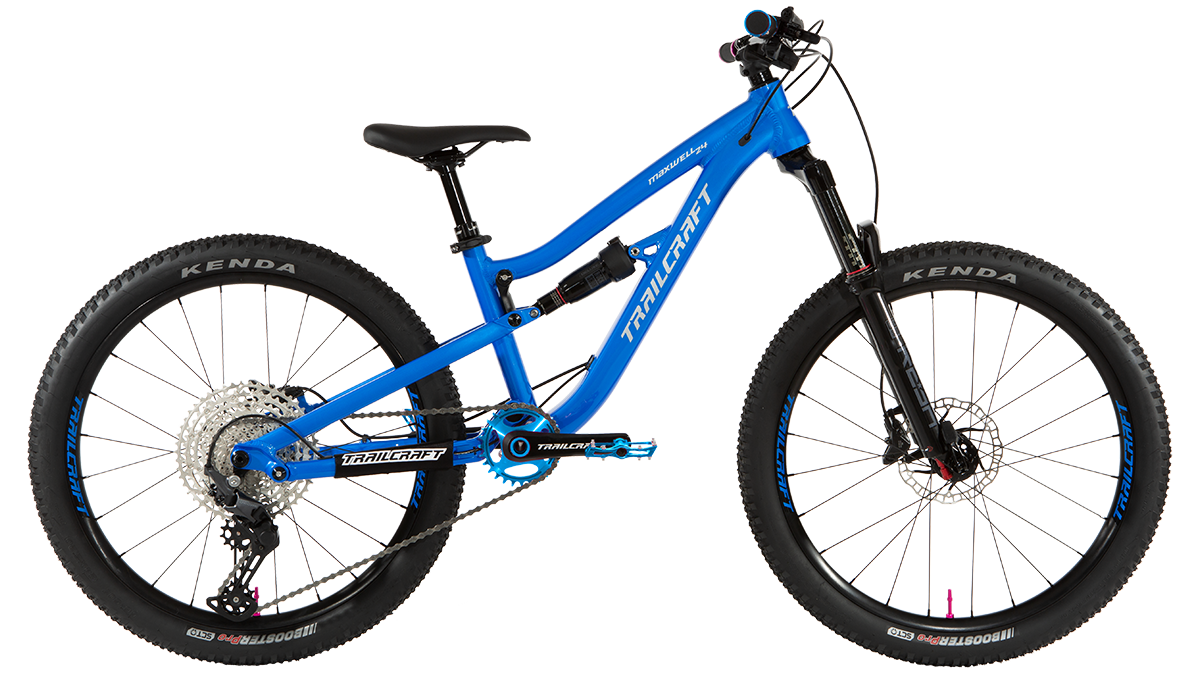
Credit: www.trailcraftcycles.com

Hello Guys! I am John Reese, a professional biker and my hobby is biking! I have been biking for last 12 years and I love using bikes while outing as well. Based on my experiences with the different type of bikes (mountain bikes, road bikes and hybrid bikes); I am sharing my opinion about various bikes so that a beginner can get started right away. Happy reading!