
Becoming A Pro Mountain Biker: A Complete Guide
Imagine riding through wild forests, rocky trails, and steep hills—feeling the rush of speed and skill. Mountain biking is more than a sport; it’s a lifestyle that mixes adventure, endurance, and technique. If you want to move from casual riding to pro mountain biker status, you need more than just a good bike. You need dedication, smart training, and knowledge of what the professional world really looks like.
Mountain biking can seem tough for beginners. The jumps, sharp turns, and demanding climbs make it look almost impossible. But every pro started as a beginner. With the right approach, you can learn to ride at the highest level, compete, and maybe even make a living from the sport.
This guide will show you each step: from basic skills to advanced training, gear selection, nutrition, racing, and even how to build your brand. You’ll see what matters most, what common mistakes to avoid, and how to take your passion to the next level.
Understanding Mountain Biking Disciplines
Mountain biking is not just one sport. There are several disciplines, each needing different skills and equipment. Knowing these will help you choose the best path.
Cross-country (xc)
This is the most popular form. Riders cover long distances on varied terrain—flat, uphill, downhill, and technical sections. Races last from 1 to 2 hours and require both speed and endurance.
Downhill (dh)
Downhill is all about speed and skill on steep, rough terrain. Riders go down mountains as fast as possible, facing jumps, drops, and rocks. It’s dangerous and needs strong nerves.
Enduro
Enduro combines timed downhill stages with untimed uphill transfers. You need to be fast downhill, but also fit enough to ride back up.
Freeride & Dirt Jump
These focus on tricks, jumps, and style. Riders use special bikes to perform aerial moves and stunts, often in parks or urban settings.
Table: Mountain Biking Disciplines Comparison
| Discipline | Main Focus | Bike Type | Typical Race Length |
|---|---|---|---|
| Cross-Country | Endurance & Speed | Lightweight, hardtail/full-suspension | 1–2 hours |
| Downhill | Technical Skills & Speed | Heavy, full-suspension | 2–5 minutes |
| Enduro | Combined Skills | Medium weight, full-suspension | 2–6 hours |
| Freeride/Dirt Jump | Tricks & Style | Sturdy, jump-focused | N/A |
Choosing your discipline is the first step. Try different styles to see which fits your personality and goals.
Essential Skills For Pro Mountain Biking
To become a pro, you must master the core mountain biking skills. These are not just about riding fast—they’re about riding smart and safe.
Bike Handling
Good bike handling lets you stay in control on rough terrain. Learn to balance, corner, brake, and shift your weight. Practice on different trails to build confidence.
Technical Riding
Pro riders can tackle roots, rocks, and drops without fear. Work on riding over obstacles, bunny hopping, and keeping momentum through tough sections.
Descending
Fast and safe descending is vital in all disciplines. Keep your weight back, look ahead, and use both brakes smoothly. Start on easy slopes and slowly try steeper ones.
Climbing
Efficient climbing saves energy. Sit or stand as needed, keep your cadence steady, and shift gears early. Use your core and legs together.
Jumping & Drops
Even in cross-country, jumps and drops appear. Learn to lift your front wheel, time your jumps, and land smoothly. Always start small and increase difficulty as you improve.
Race Tactics
Knowing when to attack, draft, or save energy helps in races. Study pro riders and watch race videos. Experience is the best teacher here.
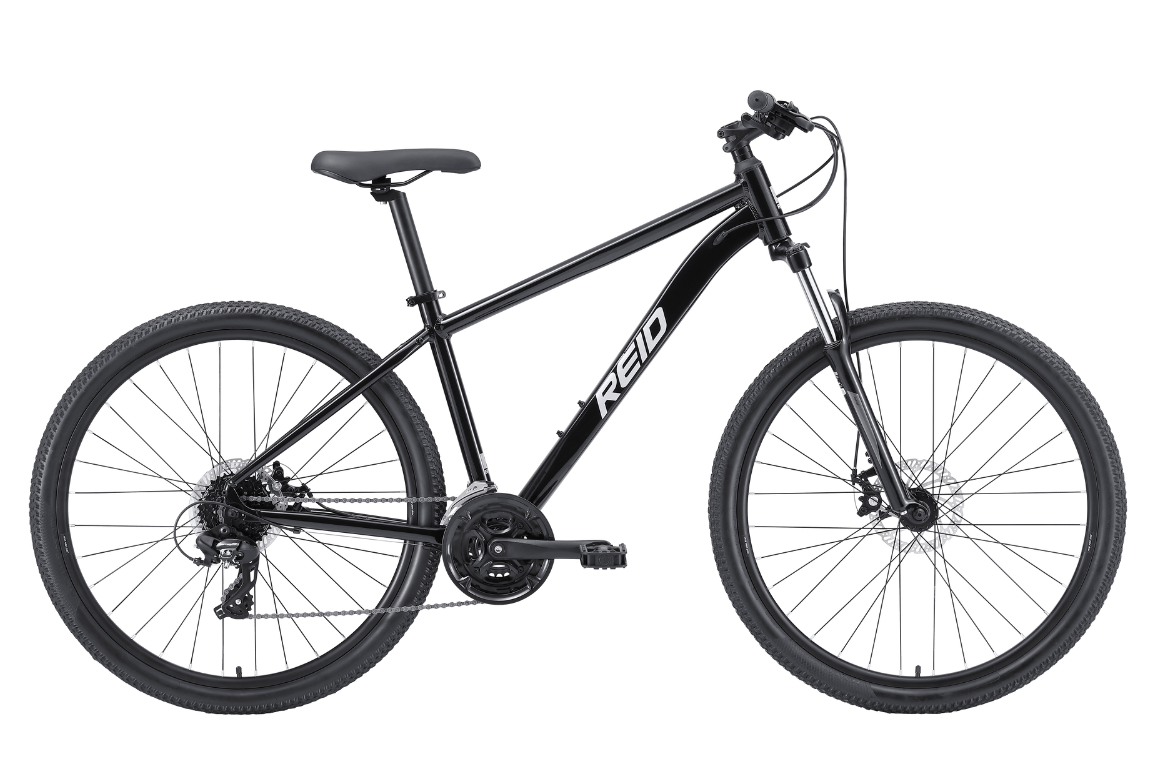
Credit: reidbikes.com
Building Physical Fitness
Being a pro mountain biker means having strong endurance, power, and flexibility. Training off the bike matters as much as riding.
Cardio Training
Mountain biking is demanding. Aim for at least 4–5 days of cardio per week. Running, swimming, or cycling can all help. Use interval training to improve speed and stamina.
Strength Training
Focus on legs, core, and upper body. Squats, lunges, and deadlifts build power. Planks, sit-ups, and push-ups boost your core. Try resistance bands for variety.
Flexibility & Mobility
Stretch daily. Yoga or simple routines prevent injuries and help you recover faster. Pay attention to hips, shoulders, and back.
Recovery
Rest is key. Sleep 7–9 hours per night. Use foam rollers, massage, and light activity on rest days. Overtraining leads to injury—listen to your body.
Table: Pro Mountain Biker Weekly Fitness Plan
| Day | Main Activity | Duration |
|---|---|---|
| Monday | Cardio (Intervals) | 45 minutes |
| Tuesday | Strength Training | 60 minutes |
| Wednesday | Bike Skills Practice | 90 minutes |
| Thursday | Cardio (Long Ride) | 2 hours |
| Friday | Flexibility (Stretch/Yoga) | 30 minutes |
| Saturday | Race Simulation | 120 minutes |
| Sunday | Rest/Active Recovery | Varies |
This plan can be adjusted for your schedule. The key is consistency and mixing workouts.
Choosing The Right Mountain Bike
Your bike is your main tool. Picking the right mountain bike makes a huge difference in performance, safety, and comfort. Don’t just buy what’s popular—choose based on your discipline, body size, and budget.
Frame Type
- Hardtail: Has suspension only in the front. Good for cross-country. Lightweight and less expensive.
- Full-suspension: Has both front and rear suspension. Better for downhill and enduro. Heavier but smoother over rough terrain.
Wheel Size
- 26-inch: Used in older bikes and dirt jumps. Agile but less stable.
- 27.5-inch: Good balance between speed and control.
- 29-inch: Rolls over obstacles easily. Great for cross-country and taller riders.
Suspension Travel
More travel means the bike can handle bigger bumps and drops. Downhill bikes have up to 200mm; cross-country bikes usually have 100–120mm.
Weight
Lighter bikes climb better. Heavier bikes are tougher for jumps and downhill.
Fit
The bike must match your height and arm length. A poor fit leads to pain and poor control. Visit a shop and try several models.
Table: Comparing Hardtail Vs. Full-suspension Bikes
| Feature | Hardtail | Full-Suspension |
|---|---|---|
| Weight | Lighter | Heavier |
| Price | Lower | Higher |
| Comfort | Less | More |
| Terrain Suitability | Smoother trails | Rough, technical trails |
| Maintenance | Simpler | Complex |
Common Buyer Mistakes
- Buying too expensive before learning basic skills
- Choosing the wrong size
- Ignoring maintenance costs
- Not testing the bike before buying
Always do research and ask experienced riders for advice.
Upgrading Your Gear And Equipment
Pro mountain bikers use special gear to improve performance and safety. The right clothing, protection, and tools make a big difference.
Helmet
A helmet is non-negotiable. For downhill, use full-face helmets. For cross-country, lighter designs are fine.
Gloves
Gloves protect your hands and improve grip. Choose ones with padding and good ventilation.
Shoes
Clipless shoes connect you to the pedals for better control. Flat shoes are preferred in dirt jumps and freeride.
Protective Gear
- Knee and elbow pads for rough terrain
- Body armor for downhill
- Sunglasses or goggles to protect eyes
Clothing
Wear moisture-wicking jerseys and shorts. Avoid cotton, which stays wet and heavy.
Tools And Spares
Carry a mini pump, spare tube, tire levers, and a multi-tool. Problems can happen anytime.
Nutrition And Hydration
Water bottles or hydration packs are crucial. Energy bars or gels help during long rides.
Gps/computer
Tracking your rides helps you improve. Many pro riders use bike computers to monitor speed, distance, and heart rate.
Advanced Riding Techniques
Once you master the basics, you need advanced techniques to ride like a pro. These skills separate top riders from amateurs.
Cornering
Pro riders corner fast and smooth. Enter turns wide, lean the bike—not your body—and exit with speed.
Manual And Wheelie
A manual is lifting your front wheel without pedaling. Wheelie is lifting while pedaling. Both help with obstacles and show control.
Bunny Hop
Jumping the bike over obstacles without ramps. Practice timing and pulling both wheels up evenly.
Line Choice
Choosing the best path through rocks or turns can save seconds and prevent crashes. Study the trail and watch pros.
Braking
Learn to use both brakes together. Too much front brake can flip you; too much rear can skid. Modulate pressure.
Dropper Post
A dropper post lets you lower your seat while riding. This helps on steep descents and technical sections.
Pumping
Use your arms and legs to “pump” the bike and gain speed without pedaling—especially useful in flow trails and jumps.
Riding With Others
Train with faster riders. You’ll learn by watching, following, and racing against them.

Credit: www.youtube.com
Training And Race Preparation
Pros don’t just ride—they train smart and prepare for races carefully. Here’s how to do it.
Structured Training Plans
Work with a coach or follow proven plans. Mix endurance rides, interval training, skills sessions, and rest days.
Race Simulation
Practice on courses similar to your target races. Simulate race pace, nutrition, and tactics.
Nutrition
Eat a mix of carbohydrates, protein, and fats. Before races, focus on carbs. During long rides, use gels or bars. After, eat protein for recovery.
Mental Preparation
Visualize the course. Set realistic goals. Stay positive and calm under pressure.
Equipment Check
Days before the race, check your bike: brakes, tires, gears, suspension. Pack spares and tools.
Common Mistakes
- Skipping rest days
- Ignoring nutrition
- Overtraining and injury
- Not practicing race tactics
Entering Competitions And Building Experience
To become a pro, you must race and build experience. The learning curve is steep, but every race teaches you something valuable.
Local Races
Start with local events. They’re less intense and good for practice. Meet other riders and learn the basics of competition.
Regional And National Events
As you improve, enter bigger races. These attract stronger riders and offer harder courses.
International Races
Top pros compete worldwide. These races are demanding and often require travel and sponsorship.
Team Vs. Individual
Some races are solo; others need teams. Teams help with tactics and support.
Sponsorship
Sponsors can cover race fees, gear, and travel. Build a profile, show results, and contact brands.
Building A Race Resume
Keep a record of your races, results, and achievements. Share them on social media and with sponsors.
Table: Race Levels And Requirements
| Level | Entry Requirements | Competition Difficulty | Prize Money |
|---|---|---|---|
| Local | Open to all | Beginner | Low/None |
| Regional | Qualifying times | Intermediate | Moderate |
| National | Points/Rankings | High | High |
| International | Invites/Rankings | Elite | Very High |
Non-obvious Insights
- Many pros start in other cycling sports (like BMX or road cycling) and switch to mountain biking later. This cross-training improves skills.
- Race organizers look for attitude as much as results—show sportsmanship and teamwork.
Mental Toughness And Motivation
Mountain biking is mentally demanding. You must push through pain, fear, and setbacks. Building mental toughness is as important as physical training.
Dealing With Failure
Every rider falls, loses races, or struggles. Learn from mistakes and move on. Keep a journal to track progress and lessons.
Setting Goals
Set both short-term and long-term goals. “Finish top 10 in a local race” or “Master bunny hops. ” Goals keep you focused and motivated.
Visualization
Imagine yourself riding the course, passing obstacles, and finishing strong. This prepares your mind and reduces anxiety.
Staying Motivated
Ride with friends, join clubs, and follow pro riders online. Motivation fades alone; community keeps you excited.
Handling Pressure
In big races, pressure is high. Focus on your own ride, not others. Use breathing exercises to stay calm.
Building Your Brand And Career
Being a pro means more than racing—it’s about building your brand and making a living.
Social Media
Share your rides, races, and training. Instagram, YouTube, and Facebook are popular for mountain bikers.
Sponsorship
Contact local shops, gear brands, and energy drink companies. Show your results and followers.
Coaching
Many pros become coaches. Teach beginners, run camps, or make online courses.
Content Creation
Write blogs, make videos, or post tutorials. Share your expertise and grow your audience.
Networking
Meet other riders, teams, and organizers. Attend events and workshops.
Non-obvious Insights
- Brands prefer athletes who engage fans and create content—not just win races.
- Many pros earn more from coaching and content than from racing.

Credit: www.youtube.com
Safety And Injury Prevention
Mountain biking is risky. Pro riders face crashes, falls, and injuries. Knowing how to stay safe is essential.
Pre-ride Checks
Inspect your bike before every ride. Look for loose bolts, worn tires, and damaged brakes.
Trail Awareness
Know your trail. Check maps, signs, and warnings. Ride within your limits—don’t follow reckless riders.
Protective Gear
Always wear a helmet and pads. Replace them after big falls.
Emergency Plan
Carry a phone, ID, and first aid kit. Know the nearest hospital or rescue point.
Injury Recovery
Rest after injuries. See a doctor if needed. Don’t rush back—many pros end careers by pushing too soon.
Common Mistakes
- Ignoring pain and injuries
- Riding alone on dangerous trails
- Skipping helmet or pads
Frequently Asked Questions
What Age Can I Start Mountain Biking Professionally?
Most pros start young, but there’s no strict age limit. Many begin in their teens, but some start in their twenties or thirties and still reach pro level. Focus on skills and fitness, not age.
How Much Does A Pro Mountain Bike Cost?
Pro bikes range from $3,000 to over $10,000. Prices depend on frame, suspension, and components. Start with a good mid-range bike ($1,500–$3,000) and upgrade as you improve.
How Do I Get Sponsorship As A Mountain Biker?
Build a strong race resume, show results, and engage on social media. Contact local shops and brands. Sponsorship often starts with small support, like gear or race fees, before moving to big deals.
Can I Make A Living As A Pro Mountain Biker?
Yes, but it’s competitive. Income comes from racing, sponsorship, coaching, and content creation. Top pros earn more from brand deals and coaching than racing alone. Build your brand and skills.
Is Mountain Biking Dangerous?
It has risks, especially in downhill and jumps. Wearing the right gear, riding within your limits, and training properly can reduce accidents. Always check your bike and trails before riding.
Final Thoughts
Becoming a pro mountain biker takes time, effort, and smart planning. You must master riding skills, train your body and mind, choose the right gear, and build experience through racing. The journey is challenging, but each step brings new excitement and achievement.
Stay humble, learn from mistakes, and connect with other riders. Mountain biking is not just about speed—it’s about passion, adventure, and personal growth. With dedication, you can move from beginner to pro, enjoying every trail and turn along the way. For more in-depth tips and official race info, see the Mountain Biking Wikipedia.
Remember: Every pro was once a beginner. Your journey starts with the first ride—make it count.

Hello Guys! I am John Reese, a professional biker and my hobby is biking! I have been biking for last 12 years and I love using bikes while outing as well. Based on my experiences with the different type of bikes (mountain bikes, road bikes and hybrid bikes); I am sharing my opinion about various bikes so that a beginner can get started right away. Happy reading!